











































 تدرب
تدرب

 تأمل
تأمل


 بودكاست
 الكتاب الإلكتروني


The Fast Facts
- Substance abuse, on the other hand, refers to using alcohol, drugs, or other substances in a way that adversely affects a person’s health and well-being.
- It may provide some relief for a while, but it can lead to addiction and other health problems in the long term.
- Individuals with PTSD are more likely to develop substance abuse problems, while those with substance abuse problems are more likely to experience PTSD.

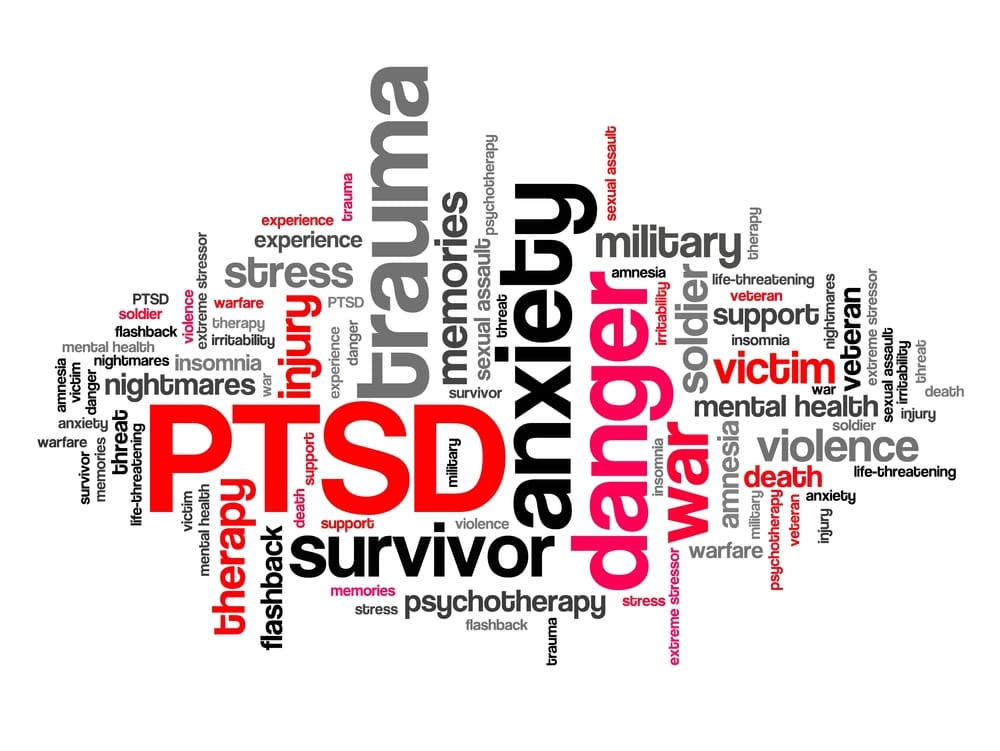
Post-traumatic stress disorder (PTSD) mostly occurs during a traumatic event, especially through a person’s experience. It has many symptoms, including flashbacks, nightmares, and قلق. Substance abuse, on the other hand, refers to using alcohol, drugs, or other substances in a way that adversely affects a person’s health and well-being. Individuals with PTSD are more likely to develop substance abuse problems, while those with substance abuse problems are more likely to experience PTSD. Today in this article we will let you know about link between substance abuse and PTSD.
What Causes PTSD?
PTSD can occur due to various traumatic events, including combat exposure, sexual assault, physical assault, natural disasters, and accidents. PTSD is relatively common since it affects at least 7-8% of the world population at some point in life.
Individuals who have experienced traumatic events may acquire hypervigilance, avoidance, and intrusive thoughts. These symptoms can be highly distressing and significantly impact a person’s ability to function daily.
قصص ذات صلة
 لماذا مؤخرتي باردة دائمًا: 10 أسباب ووقاية محتملة
 ثيميدين كيناز 1 (TK1) كمؤشر حيوي لتشخيص سرطان الثدي ومراقبته
PTSD and Substance Abuse.
Substance abuse can occur as a means of coping with PTSD symptoms. Individuals may turn to drugs or alcohol to numb their emotions or to help them هجع. It may provide some relief for a while, but it can lead to addiction and other health problems in the long term.
Substance abuse is a significant public health concern, with millions of people struggling with addiction to drugs, alcohol, or prescription medication. It severely affects an individual’s physical and الصحة العقلية, relationships, and overall quality of life.
The relationship between PTSD and substance abuse is complex and bidirectional. Individuals with PTSD may turn to substance abuse to cope with their symptoms. Substance abuse can also increase an individual’s risk of developing PTSD.
Individuals risk developing this mental health condition when exposed to substance abuse. It can lead to various traumatic events, including physical or sexual assault, motor vehicle accidents, or domestic violence. These traumatic experiences can, in turn, trigger the development of the disorder.
Substance abuse can also exacerbate existing PTSD symptoms, making them more intense and challenging to manage. For example, substance use can lead to قلق, paranoia, and hyperarousal, all of which are common symptoms of PTSD.
Treatment for PTSD and Substance Abuse.
Treating co-occurring PTSD and substance abuse can be challenging, as each disorder requires a unique approach. However, an integrated treatment that simultaneously addresses both conditions can be highly effective.
Integrated treatment typically involves a combination of therapies, such as cognitive-behavioral therapy (CBT) as well as exposure therapy.
CBT can assist individuals in identifying and challenging negative thoughts of PTSD and substance abuse. Exposure therapy can help individuals confront and desensitize to trauma triggers. Click here to learn more about various treatments.
In addition to therapy, medication-assisted treatment (MAT) can also help treat substance abuse disorders. It involves using medications to manage cravings and withdrawal. Some of the medications include naltrexone, buprenorphine, and methadone.(1)
Is a Link Between Substance Abuse and PTSD?
Yes. One can often lead to the other. Many individuals with PTSD abuse drugs to reduce their symptoms. Substance abuse makes people vulnerable to events such as accidents that can lead to PTSD; they can also increase the existing symptoms.
+1 مصدر
لدى Freaktofit إرشادات صارمة بشأن المصادر وتعتمد على الدراسات التي راجعها الأقران ومعاهد البحوث التعليمية والمنظمات الطبية. نتجنب استخدام المراجع من الدرجة الثالثة. يمكنك معرفة المزيد حول كيفية ضمان دقة المحتوى الخاص بنا وتحديثه من خلال قراءة سياسة التحرير.
- MDMA-assisted therapy for severe PTSD: a randomized, double-blind, placebo-controlled phase 3 study; https://www.ncbi.nlm.nih.gov/pmc/articles/PMC8205851/