













































 treino

 meditação


 podcast
 e-book



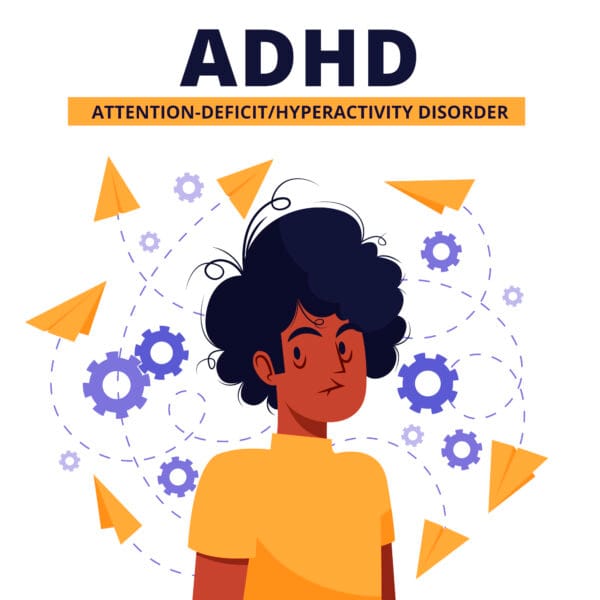
O transtorno de déficit de atenção/hiperatividade (TDAH) é uma condição do neurodesenvolvimento que afeta crianças e adultos. Caracterizado por sintomas de desatenção, hiperatividade e impulsividade, o TDAH pode impactar significativamente o funcionamento diário e a qualidade de vida. Este artigo aborda as várias facetas do TDAH, incluindo seus sintomas, causas, diagnóstico, opções de tratamento e experiências da vida real, fornecendo uma compreensão holística da doença.
O que é o TDAH?
TDAH É uma condição crônica que envolve dificuldade de atenção, hiperatividade e impulsividade. Muitas vezes começa na infância e pode persistir na idade adulta, afetando vários aspectos da vida de um indivíduo, incluindo desempenho acadêmico, responsabilidades de trabalho e interações sociais.
Características-chave do TDAH:
- desatenção: Dificuldade de manter o foco, seguir instruções detalhadas e organizar tarefas.
- Hiperatividade: Movimento ou inquietação excessiva, incapacidade de ficar sentado e inquietação.
- Impulsividade: Ações precipitadas sem premeditação, interrompendo os outros e dificuldade em esperar pela vez.
Esses sintomas podem variar em intensidade e podem apresentar de forma diferente entre os indivíduos.
causas e fatores de risco.
A causa exata do TDAH permanece desconhecida, mas pesquisas indicam uma combinação de fatores genéticos e ambientais que contribuem para o seu desenvolvimento.
Histórias relacionadas
 7 benefícios surpreendentes da água do quiabo para as mulheres sexualmente
 Fortalecendo sua Recuperação Fundação: Construindo uma Rede de Apoio para a Vida
Fatores genéticos:
- Links hereditários: Estudos mostram que o TDAH tende a ocorrer em famílias, sugerindo um forte componente genético.
Fatores ambientais:
- Exposições pré-natais: exposição a fumo do tabaco, álcool ou drogas durante a gravidez podem aumentar o risco de TDAH em crianças.
- Exposição ao chumbo: Altos níveis de exposição ao chumbo na primeira infância têm sido associados aos sintomas de TDAH.
Diagnóstico de TDAH.
O diagnóstico de TDAH envolve uma avaliação abrangente por profissionais de saúde, considerando vários fatores para garantir um diagnóstico preciso.
Critérios de diagnóstico:
- Duração dos sintomas: Os sintomas devem estar presentes por pelo menos seis meses e inadequados para o nível de desenvolvimento do indivíduo.
- idade de início: Vários sintomas deveriam ter sido evidentes antes dos 12 anos.
- Configurações: Os sintomas devem estar presentes em duas ou mais configurações (por exemplo, casa, escola, trabalho).
- Impacto: Deve haver evidências claras de que os sintomas interferem ou reduzem a qualidade do funcionamento social, acadêmico ou ocupacional.
Processo de avaliação:
- Entrevistas clínicas: Reunindo história pessoal e familiar detalhada.
- Questionários comportamentais: Ferramentas padronizadas para avaliar a frequência e gravidade dos sintomas.
- Exame médico: Para descartar outras causas potenciais de sintomas.
Opções de tratamento.
O gerenciamento de TDAH geralmente envolve uma abordagem multimodal, combinando medicamentos, terapias comportamentais e modificações no estilo de vida.
Medicamentos:
- Estimulantes: Como o metilfenidato e as anfetaminas, são comumente prescritos e demonstraram ser eficazes na redução dos sintomas do núcleo.
- Não estimulantes: Opções como atomoxetina ou certos antidepressivos podem ser usadas, especialmente se os estimulantes não forem adequados.
Terapias comportamentais:
- Terapia Cognitiva Comportamental (TCC): Ajuda os indivíduos a desenvolver estratégias de enfrentamento e abordar padrões de pensamento negativos.
- Intervenções comportamentais: Técnicas que visam modificar comportamentos disruptivos e aprimorar as habilidades organizacionais.
Modificações do estilo de vida:
- exercícios regulares: atividade física Foi demonstrado que melhora a atenção e reduz os comportamentos hiperativos.
- Rotinas estruturadas: Estabelecer horários diários consistentes pode ajudar no gerenciamento dos sintomas.
- Considerações dietéticas: Alguns estudos sugerem que certas mudanças na dieta podem beneficiar indivíduos com TDAH, embora sejam necessárias mais pesquisas.
Experiências da vida real e estudos de caso.
Compreender o TDAH por meio de histórias pessoais fornece informações valiosas sobre os desafios e triunfos associados à condição.
Estudo de caso 1: Diagnóstico tardio na idade adulta.
Claire Quant e Kate Whitley passaram grande parte de suas vidas parecendo fracassos devido ao TDAH não diagnosticado. Ambas as mulheres lutaram com a concentração, ansiedade, e interações sociais quando crianças, levando a dificuldades acadêmicas e sociais. Foi somente na faixa dos 50 anos que eles receberam diagnósticos de TDAH, que forneceram clareza e validação para seus desafios ao longo da vida. Após o diagnóstico, Claire e Kate encontraram consolo e apoio, ajudando-os a gerenciar seus sintomas e melhorar sua qualidade de vida.
Estudo de caso 2: Impacto do TDAH na expectativa de vida.
Um estudo recente da University College London revelou que indivíduos diagnosticados com TDAH no Reino Unido têm uma expectativa de vida significativamente reduzida em comparação com seus pares. O estudo descobriu que homens com TDAH têm sua expectativa de vida reduzida em 6,78 anos, enquanto as mulheres perdem 8,64 anos. Os pesquisadores usaram o método da tabela de vida para analisar dados de 30.000 adultos no Reino Unido, descobrindo que aqueles com TDAH são mais propensos a sofrer de várias condições de saúde, incluindo diabetes, pressão alta, ansiedade e depressão, que contribuem para sua maior taxa de mortalidade.(1)

Perguntas frequentes.
Sim, o TDAH é um distúrbio médico bem reconhecido com critérios diagnósticos estabelecidos e diretrizes de tratamento.
Com certeza. Embora o TDAH geralmente comece na infância, muitos indivíduos são diagnosticados na idade adulta, especialmente se os sintomas foram esquecidos ou mal atribuídos mais cedo na vida.
Sim, terapias comportamentais, modificações no estilo de vida e intervenções educacionais podem ser eficazes, isoladamente ou em combinação com medicamentos.
Alguns estudos sugerem que indivíduos com TDAH podem ter uma expectativa de vida reduzida, potencialmente devido a riscos e comportamentos associados à saúde.
Embora a conscientização tenha aumentado, levando a mais diagnósticos, pesquisas indicam que o TDAH permanece subdiagnosticado em muitas populações, principalmente entre mulheres e grupos minoritários.
| 💡 O que dizem os especialistas? Dr. Russell Barkley, um renomado pesquisador de TDAH, enfatiza a importância do diagnóstico precoce e da intervenção. Ele observa: “A identificação oportuna e o gerenciamento do TDAH podem melhorar significativamente os resultados e a qualidade de vida das pessoas afetadas”.” |
Considerações finais.
O TDAH é uma condição complexa e multifacetada que requer uma compreensão abrangente e uma abordagem individualizada de gerenciamento. Por meio de uma combinação de tratamentos médicos, estratégias comportamentais e sistemas de suporte, indivíduos com TDAH podem levar vidas gratificantes e produtivas. A conscientização e a educação são cruciais para dissipar mitos e promover um ambiente de apoio para as pessoas afetadas pelo TDAH.
+1 de origem
A FreaktoFit tem diretrizes rígidas de sourcing e conta com estudos revisados por pares, institutos de pesquisa educacional e organizações médicas. Evitamos o uso de referências terciárias. Você pode aprender mais sobre como garantimos que nosso conteúdo seja preciso e atualizado, lendo nosso política editorial.
- Esperança de vida e anos de vida perdidos para adultos com TDAH diagnosticado no Reino Unido: estudo de coorte combinado; https://www.cambridge.org/core/journals/the-british-journal-of-psychiatry/article/life-expectancy-and-years-of-life-lost-for-adults-with-diagnosed-adhd-in-the-uk-matched-cohort-study/30B8B109DF2BB33CC51F72FD1C953739













Este artigo é um ótimo complemento para a riqueza de conhecimentos disponíveis on-line. Obrigado por compartilhar sua experiência!