



















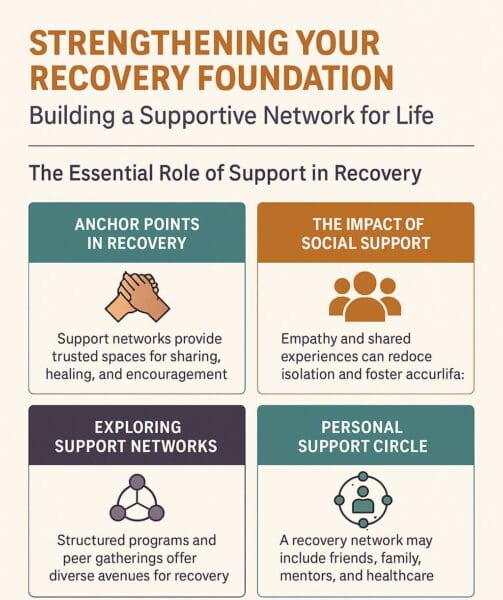
O papel essencial do apoio na recuperação.
Embarcar no caminho da recuperação pode ser assustador, e a presença de uma comunidade de apoio muitas vezes ilumina o Peso da viagem. Esse tipo de suporte oferece um espaço confiável para compartilhar e curar e equipar os indivíduos com as ferramentas e o incentivo necessários para enfrentar os obstáculos diários de manter a sobriedade.
pontos de âncora como AA Reuniões Orange County Forneça oportunidades valiosas para estabelecer conexões com outras pessoas que compreendem profundamente a natureza pessoal de superar o vício.
Mergulhando mais profundamente na ciência do apoio social.
O impacto de uma rede de apoio nos resultados de recuperação não é apenas anedótico, mas pesquisas extensas também ilustraram seus efeitos profundos. A interação consistente e empática com os outros participantes da recuperação pode facilitar significativamente a recuperação.
o fundamentos para esses benefícios Deite-se na redução dos sentimentos de isolamento e no feedback construtivo e na responsabilidade que esses grupos promovem.


Envolver-se com outras pessoas trilhando um caminho semelhante apresenta uma plataforma para compreensão mútua e um cenário estruturado onde marcos são celebrados e desafios enfrentados pela resiliência coletiva.
Explorando a ampla gama de redes de suporte disponíveis.
A variedade de opções de suporte é dinâmica e multifacetada, desde programas rigorosamente estruturados, facilitados por profissionais licenciados, até reuniões informais lideradas por pares em lares ou centros comunitários.
Cada indivíduo pode encontrar Valor exclusivo em diferentes tipos de redes, e cada pessoa precisa descobrir um cenário que seja respeitoso e que apoie sua jornada de recuperação.
por Explorando cuidadosamente as opções disponíveis E, alinhando-se com aqueles que ressoam pessoalmente, os indivíduos podem construir um sistema de suporte que contribui genuinamente para o seu bem-estar e recuperação.

Criando estrategicamente um círculo de suporte de recuperação pessoal.
A montagem de uma rede de suporte de recuperação pessoal é semelhante a reunir um mosaico de diferentes facetas de suporte, cada uma escolhida por seu potencial para contribuir positivamente para a jornada de recuperação.
Essa rede sob medida pode incluir amigos de confiança e familiares, mentores que percorreram com sucesso seu caminho para a sobriedade e profissionais de saúde com experiência específica na recuperação de vícios.

À medida que o tempo avança e as necessidades individuais mudam, a composição desse círculo de suporte deve mudar de forma fluida, continuamente Refletindo as necessidades em evolução da pessoa em recuperação.
Maximizando os recursos de suporte da comunidade e do local.
Além das redes pessoais, o canvas mais amplo da comunidade geralmente abriga muitos recursos de apoio à recuperação. De grupos de defesa sem fins lucrativos a serviços de aconselhamento fornecidos por organizações religiosas, esses recursos podem servir como adjuntos inestimáveis aos esforços individuais de sobriedade.
Freqüentemente, oferecem uma riqueza de perspectivas e complementar A determinação pessoal da recuperação com experiência coletiva, conhecimento e ferramentas.
As famílias de parte integrante desempenham a recuperação.
A dinâmica familiar desempenha um papel complexo e muitas vezes decisivo na jornada de recuperação. Para muitos, os membros da família são os principais apoios, fornecendo amor, incentivo e uma profunda Investimento pessoal no sucesso do indivíduo.
No entanto, essa proximidade também pode levar a desafios, pois é preciso discernimento e comunicação para garantir que o envolvimento da família seja caracterizado pelo apoio e não pela capacitação.
Equilibrando o suporte com limites saudáveis.
Estabelecer e manter limites claros é o eixo principal para mantendo-se saudável e relacionamentos construtivos dentro de uma rede de suporte. Tais limites protegem os que estão em recuperação e seus apoiadores, delineando uma linha clara entre o incentivo e o excesso de envolvimento.
Quando esses limites são respeitados, eles criam um ambiente equilibrado e de apoio, propício para crescimento e desenvolvimento pessoal, promovendo a autonomia, afirmando os elementos necessários da recuperação da comunidade.
O papel da orientação profissional no fortalecimento dos sistemas de apoio.
Enquanto colegas e familiares Apoio da espinha dorsal emocional da recuperação, Orientação Profissional fornece estrutura, insight clínico e estratégias baseadas em evidências que reforçam o sucesso a longo prazo. Terapeutas, conselheiros e especialistas em dependência ajudam os indivíduos a navegar por gatilhos subjacentes, desafios conjunturais de saúde mental e planejamento de prevenção de recaídas.
O suporte profissional também complementa programas comunitários, oferecendo atendimento individualizado. Essa abordagem dupla – conexão pessoal combinada com supervisão profissional – cria uma estrutura de recuperação equilibrada, onde o incentivo emocional e a responsabilidade clínica trabalham lado a lado.
Aproveitando as comunidades de suporte digital e online.
No mundo interconectado de hoje, as plataformas digitais se tornaram uma extensão cada vez mais valiosa das redes de suporte à recuperação. Fóruns online, reuniões virtuais, aplicativos de recuperação e grupos de suporte moderados permitem que os indivíduos acessem o incentivo e a responsabilidade, independentemente das limitações geográficas ou de agendamento.
Esses espaços digitais podem ser especialmente benéficos para aqueles que podem hesitar em participar de reuniões presenciais inicialmente ou que precisam de acesso flexível ao suporte. Quando usadas com responsabilidade, as comunidades de recuperação online podem reforçar o compromisso diário e fornecer conexão imediata durante momentos de vulnerabilidade.
Uma forte rede de suporte faz mais do que fornecer assistência – ela promove um senso de propósito compartilhado. À medida que os indivíduos crescem em sua recuperação, eles geralmente encontram força em apoiar os outros, reforçando seu próprio compromisso por meio de serviço e orientação.
Retribuir à comunidade de recuperação, seja compartilhando experiências, oferecendo incentivo ou simplesmente por estar presente, cria um ciclo poderoso de empoderamento mútuo. Essa responsabilidade compartilhada fortalece a resiliência e aprofunda o sentimento de pertença do indivíduo.
sustentando a recuperação por meio de conexão contínua.
A recuperação não é um destino finito, mas um processo que evolui com o tempo, a experiência e o crescimento pessoal. Manter conexões significativas dentro de uma rede de suporte ajuda os indivíduos a se adaptarem a novos desafios e transições de vida sem perder de vista seus objetivos de sobriedade.
Engajamento consistente – por meio de reuniões, check-ins ou envolvimento da comunidade – mantém a recuperação fundamentada em relação ao isolamento. Com o tempo, essas relações se tornam âncoras de estabilidade, lembrando aos indivíduos que eles nunca são Navegando na viagem sozinho.
Conclusão: a recuperação prospera em conexão.
Em sua essência, a recuperação floresce em ambientes enraizados na compreensão, confiança e experiência compartilhada. Construir e nutrir uma rede de apoio estabelece as bases para a resiliência, responsabilidade e bem-estar a longo prazo.
Ao adotar uma combinação de relacionamentos pessoais, recursos da comunidade, orientação profissional e limites saudáveis, os indivíduos em recuperação podem criar um sistema de apoio sustentável que cresce ao lado deles – fortalecendo não apenas a sobriedade, mas a vida como um todo.
+1 de origem
A FreaktoFit tem diretrizes rígidas de sourcing e conta com estudos revisados por pares, institutos de pesquisa educacional e organizações médicas. Evitamos o uso de referências terciárias. Você pode aprender mais sobre como garantimos que nosso conteúdo seja preciso e atualizado, lendo nosso política editorial.
- Papilomavírus humano e câncer; https://www.who.int/news-room/fact-sheets/detail/human-papilloma-virus-and-cancer