



















Vivemos em um mundo digital, no mundo onde nada pode parar para estar com pressa, onde os fones de ouvido sem fio são o acessório mais popular, proporcionando a comodidade e ausência de um emaranhado de fios. No entanto, durante sua popularidade, houve alguma questão de possível risco para a saúde. A questão que este artigo explora é se os fones de ouvido sem fio são prejudiciais.
Compreendendo fones de ouvido sem fio.
O Bluetooth também é usado em fones de ouvido sem fio como forma de transferir sinais de áudio para o conjunto de fones de ouvido na ausência de cabos físicos. Eles podem ser organizados em alguns tipos diferentes: over-ear-ear, on-ear e notherear, ajudando a se concentrar em várias demandas e ações.
Riscos para a saúde associados a fones de ouvido sem fio.
1. radiação eletromagnética.
A radiação eletromagnética é uma das questões-chave com as quais as pessoas estão preocupadas com os fones de ouvido sem fio. Os dispositivos microgerenciados que se comunicam por meio do Bluetooth geram radiações de baixa radiofrequência (RF) que têm sido relatadas para produzir impactos negativos saúde com altas exposições.
2 . perda auditiva.
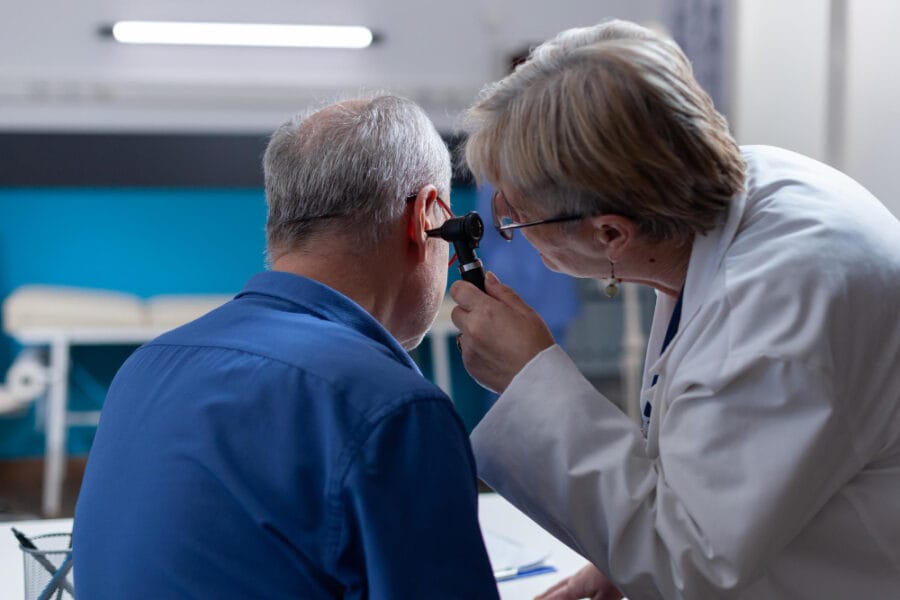
O volume pode produzir perda auditiva a longo prazo quando usado em excesso, especialmente quando a experiência de som envolvente de fones de ouvido sem fio solicita que os usuários o usem. Uma exposição constante a sons ensurdecedores pode prejudicar as delicadas células ciliadas no ouvido interno, causando uma deficiência auditiva ao longo da vida.
Histórias relacionadas
 Pontos de acupressão para perda de gordura na barriga
 O que é o Índice de Massa Corporal (IMC) – limitações e padrões alimentares
3. Danos no canal auditivo.
Os fones de ouvido ou wireless intra-auriculares colocam em risco os danos físicos do canal auditivo. Com fones de ouvido incorretos, há a possibilidade de pressionar o canal auditivo, o que causa desconforto, dor e até mesmo lesões a longo prazo.
Provas científicas e resultados de pesquisas.
Existem muitos estudos científicos que exploraram problemas de saúde que podem resultar de fones de ouvido sem fio. Esses estudos, ao mesmo tempo em que transmitem mensagens inconsistentes, também apresentaram alguns problemas:
– A publicação do Journal of Environmental and Public Health foi sobre um estudo que discute que o conseqüente da exposição duradoura à radiação Bluetooth pode ser um comprometimento do material genético do cérebro, ou seja, estresse oxidativo e danos ao DNA.(1)

– De acordo com a pesquisa da Organização Mundial da Saúde, a exposição prolongada à música por meio de fones de ouvido, que é um tipo de alto nível de som, pode causar um distúrbio degenerativo devido à perda auditiva e outros maus funcionamentos auditivos.(2)
Percepções de especialistas.
Entrevista com a Dra. Sarah Johnson, fonoaudióloga.

P: Os fones de ouvido sem fio são mais prejudiciais à audição em comparação com os fones de ouvido com fio?
R: “Os fones de ouvido sem fio e com fio podem representar riscos para a audição se usados incorretamente. A chave é manter práticas de escuta seguras, como limitar os níveis de volume e fazer pausas regulares.”
Entrevista com o Dr. Michael Wong, biólogo de radiação.
P: Quais são os efeitos potenciais para a saúde da exposição a longo prazo à radiação Bluetooth?
R: “Embora seja indicado que a quantidade emitida de radiação pelos dispositivos Bluetooth é relativamente baixa, a exposição a longo prazo ainda pode ser arriscada, especialmente entre os grupos vulneráveis, incluindo crianças e mulheres grávidas.”
Dicas de segurança para usuários de fones de ouvido sem fio.
Para minimizar os perigos potenciais associados ao uso de fones de ouvido sem fio, os usuários são incentivados a seguir as dicas de segurança abaixo:
1. Evite ouvir músicas em volumes altos e use o nível conforme recomendado.
2. Recomenda-se uma pausa no uso de fones de ouvido para permitir que as orelhas descansem
3. Estes são os fones de ouvido que você deve selecionar, quais são os mais confortáveis e seguros para reduzir o risco de danos ao canal auditivo.
4. A superexposição aos sons ambientais pode ser evitada usando o seu estojo de cancelamento de ruído de forma que não funcione continuamente.
Perguntas frequentes.
1. Os fones de ouvido sem fio podem causar câncer?
Quanto à questão de um efeito causador do câncer, as evidências científicas atuais ainda permanecem controversas. Embora vários estudos sugiram que existe uma possibilidade definitiva de que a radiação de RF possa causar câncer, os resultados ainda não são conclusivos; portanto, ainda é incerto.
2. Existem regulamentos que regem a segurança dos fones de ouvido sem fio?
Em quase todos os países, os órgãos autorizados são responsáveis pelas diretrizes que garantem a segurança dos dispositivos eletrônicos em geral e dos fones de ouvido sem fio em particular. As matérias abordadas por esses regulamentos incluem a exposição à rádio frequência (RF) e aos níveis de saída de som.
3. As crianças são mais suscetíveis aos riscos à saúde dos fones de ouvido sem fio?
As crianças podem ser mais sensíveis aos efeitos nocivos das ondas eletromagnéticas porque seus sistemas nervosos ainda estão se desenvolvendo. Em geral, uma das melhores práticas é cuidar e controlar o uso de fones de ouvido de seus filhos, bem como ensinar-lhes hábitos de escuta seguros.
linha de fundo.
Por mais que os fones de ouvido sem fio prometam ser muito convenientes e flexíveis, as pessoas também devem saber que usá-los pode levar a saúde Problemas. Assim, ao serem cautelosos sobre como usam os fones de ouvido e se mantendo atualizados sobre os resultados do novo estudo, os usuários ainda podem desfrutar de seus fones de ouvido sem riscos para a saúde ou mesmo com o mínimo de risco possível para a saúde.
+2 de fontes
A FreaktoFit tem diretrizes rígidas de sourcing e conta com estudos revisados por pares, institutos de pesquisa educacional e organizações médicas. Evitamos o uso de referências terciárias. Você pode aprender mais sobre como garantimos que nosso conteúdo seja preciso e atualizado, lendo nosso política editorial.
- Riscos à saúde e bem-estar da radiação de rádio-frequência emitida por telefones celulares e outros dispositivos sem fio; https://pmc.ncbi.nlm.nih.gov/articles/PMC6701402/
- Surdez e perda auditiva: escuta segura; https://www.who.int/news-room/questions-and-answers/item/deafness-and-hearing-loss-safe-listening