












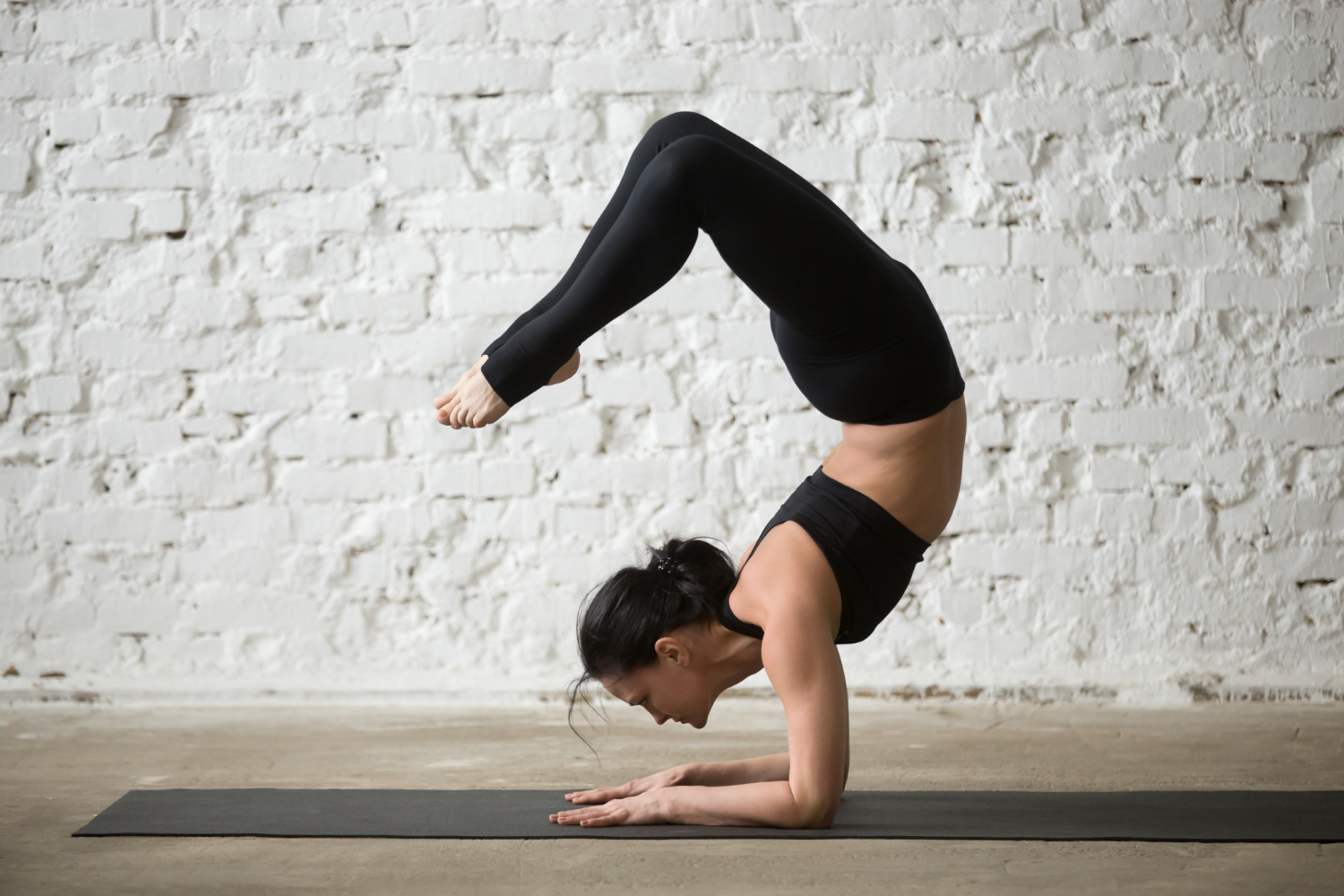
The Handstand Scorpion Pose is an impressive and challenging yoga pose that not only showcases your strength and balance but also enhances flexibility and core stability. This pose is a favorite among advanced yogis and athletes, offering numerous benefits for the body and mind. In this article, we will explore the intricacies of the Handstand Scorpion Pose, its benefits, techniques for mastering it, expert insights, and much more.
Understanding the Handstand Scorpion Pose.
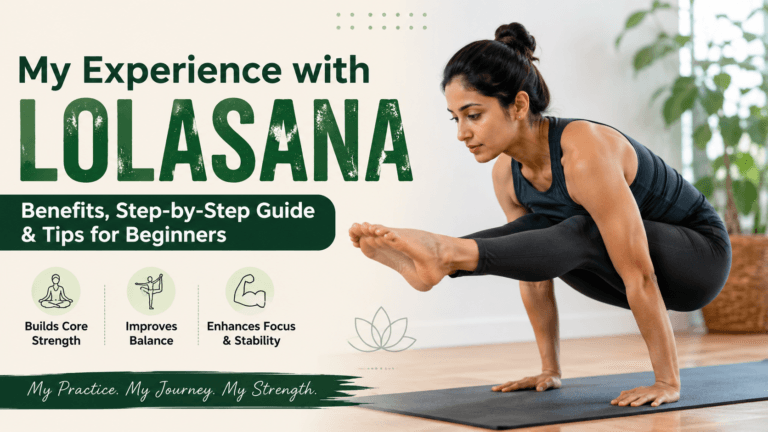
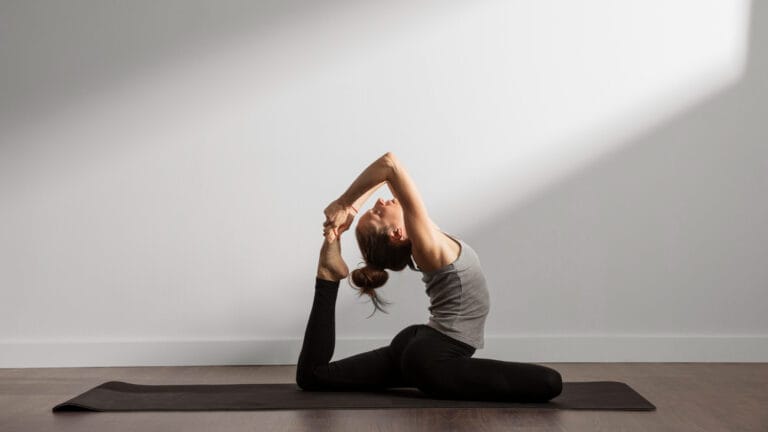
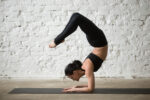
The Handstand Scorpion Pose (or “Vrschikasana” in Sanskrit) is an advanced asana that combines a handstand with a deep backbend and hip flexion. In this posar, your body is inverted, supported by your hands, while your legs arch back to touch the ground or hover above it. This dynamic pose requires a high level of strength, flexibility, and body awareness.
Historical Context.
The practice of yoga dates back thousands of years, and poses like the Handstand Scorpion have evolved over time. Traditionally, yoga was a spiritual practice focusing on the mind and body connection, but today, many practitioners seek the physical benefits that poses like the Scorpion offer.
Benefits of the Handstand Scorpion Pose.
The Handstand Scorpion Pose provides a multitude of physical and mental benefits, including:
Histórias relacionadas
 Karana Mudra: benefícios, efeitos colaterais, como fazer e precauções
 Bind Yoga Pose: benefícios, etapas, variações, segurança e dicas
Construção de força.
– Upper Body Strength: Supporting your body weight on your hands strengthens your shoulders, arms, and wrists.
– Core Stability: Engaging your core is essential for maintaining balance in this pose, resulting in a stronger core over time.
Flexibility Enhancement.
– Spinal Flexibility: The deep backbend stretches the spine, promoting flexibility and mobility.
– Hip Opener: The position of the legs helps to open up the hip flexors and quadriceps.
Improved Balance and Coordination.
– Body Awareness: Holding an inverted position enhances your body awareness and spatial orientation.
– Balance Skills: isto pose challenges your balance, helping to improve your overall coordination.
Mental Benefits.
– Alívio do estresse: Inversions can stimulate the nervous system and promote a sense of calm and relaxation.
– Focus and Concentration: The concentration required to balance in this pose can enhance Clareza mental e foco.
Step-by-Step Guide to Achieving the Handstand Scorpion Pose.
Preparation Poses.
Before attempting the Handstand Scorpion Pose, it’s crucial to prepare your body. Consider practicing these poses:
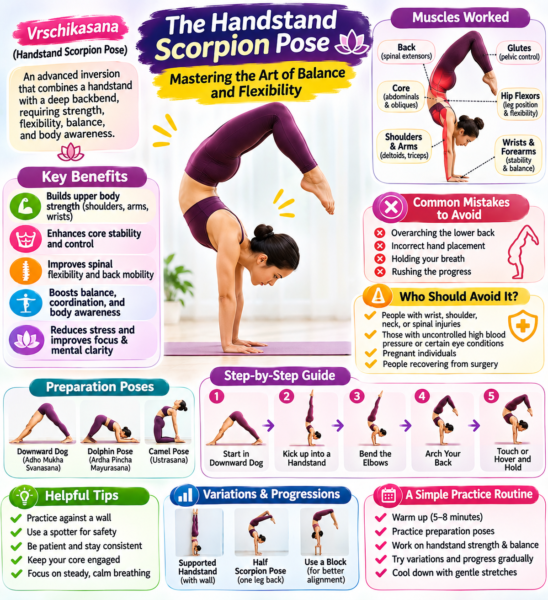
1. Downward Dog (Adho Mukha Svanasana): This foundational pose strengthens the shoulders and stretches the spine and hamstrings.
2. Dolphin Pose (Ardha Pincha Mayurasana): Builds upper body strength and prepares the core for inversion.
3. Camel Pose (Ustrasana): Opens the front of the body and improves back flexibility.
Step-by-Step Instructions.
1. Start in Downward Dog: Begin in Downward Dog to build strength and alignment. Ensure your hands are shoulder-width apart, and your feet are hip-width apart.
2. Kick Up into a Handstand: From Downward Dog, kick your legs up, using your core to help lift your hips over your shoulders. Keep your legs together and straight.
3. Bend the Elbows: As you stabilize in the handstand, start bending your elbows to lower your body. Aim to keep your shoulders engaged and away from your ears.
4. Arch Your Back: Begin to arch your back, allowing your legs to bend at the knees as you reach for your feet with your toes.
5. Engage Your Core: Maintain engagement in your core to support your lower back and help maintain balance.
6. Touch or Hover: Ideally, your feet will touch the ground, or you can hold the position with your feet hovering above the ground. Focus on your breath and hold the pose for a few breaths.
7. Exit Gracefully: To come out of the pose, slowly lower your feet to the ground or transition back into Downward Dog.
Tips for Practicing.
– Practice Against a Wall: Using a wall can provide support as you learn to balance in this pose.
– Use a Spotter: If possible, have a partner assist you in maintaining balance and safety.
– Be Patient: Mastering this pose takes time and consistent practice. Don’t rush the process.
Expert Insights: Interview with Yoga Professionals.
To provide further insights into the Handstand Scorpion Pose, we reached out to several yoga instructors. Here’s what they had to say:
Expert 1: Sarah Thompson, Yoga Instructor.
Q: What advice do you give beginners trying to master the Handstand Scorpion Pose?
I always emphasize the importance of building Força e flexibilidade gradually. It’s essential to listen to your corpo e não ir além de seus limites. Incorporate preparatory poses to build the necessary strength and flexibility before attempting the Scorpion.
Expert 2: Mark Johnson, Yoga Coach.
Q: How can practitioners avoid injury while working on this pose?
“Safety is key. I recommend practicing on a soft surface or using mats for added cushioning. Start with shorter holds and gradually increase your time as you become more comfortable. Always warm up properly and be mindful of your alignment.
Erros comuns a evitar.
While practicing the Handstand Scorpion Pose, beginners often make several common mistakes:
– Overarching the Lower Back: Ensure your core is engaged to avoid excessive pressure on the lower back.
– Incorrect Hand Placement: Your hands should be shoulder-width apart, and your fingers should point forward for better balance.
– Holding Breath: Maintain a steady breath throughout the pose to stay relaxed and focused.
Variations and Progressions.
If the Handstand Scorpion Pose feels too challenging, try these variations to build strength and flexibility gradually:
Supported Handstand.
Practice the handstand with your back against a wall for support. This allows you to focus on body alignment and strength without the fear of falling.
Half Scorpion Pose.
Begin in a forearm stand and slowly bend one leg back toward the ground, keeping the other leg straight. This variation helps build strength in the core and shoulders while improving Flexibilidade.
Use a Block.
Place a block under your hands while practicing the handstand to help elevate your body and create a more manageable angle.
Muscles Worked During the Handstand Scorpion Pose.
The Handstand Scorpion Pose engages several muscle groups simultaneously. Since the body is inverted and supported by the hands, maintaining stability requires coordinated muscular effort.
1. Shoulders and Arms: The deltoids, triceps, and other shoulder stabilizing muscles work continuously to support body weight. Strong shoulders are essential for maintaining a stable handstand position.
2. Core Muscles: The abdominal muscles, obliques, and deep core stabilizers help control the body’s position during the inversion. Engaging these muscles also helps prevent excessive movement through the lower back.
3. Back Muscles: The spinal extensors and surrounding back muscles contribute to the backbend component of the pose. They help maintain the arched position while supporting spinal movement.
4. Glutes and Hip Flexors: The gluteal muscles help control pelvic positioning, while the hip flexors and surrounding muscles contribute to the leg position and movement.
5. Wrists and Forearms: The wrists and forearms desempenhar um papel importante in maintaining balance. They make small adjustments through the hands and fingers to help control the body’s weight.
How to Build Strength for the Handstand Scorpion Pose.
Developing the strength required for this advanced yoga posture takes time and consistent practice. Rather than attempting the complete pose immediately, focus on exercises that gradually improve upper-body strength, core stability, and spinal mobility.
- Plank Pose: Practising plank strengthens the shoulders, arms, and abdominal muscles. Begin with short holds and gradually increase the duration.
- Forearm Plank: This variation develops core endurance and shoulder stability, both of which are important for inverted poses.
- Wall Handstand Holds: Practising a supported handstand against a wall helps develop confidence, alignment, and upper-body endurance.
- Bridge Pose: Bridge Pose gently develops spinal extension and strengthens the glutes and back muscles.
- Locust Pose: This back-strengthening posture helps develop posterior-chain strength and prepares the body for deeper backbends.
Practise these exercises according to your ability and allow sufficient recovery between demanding sessions.
Importance of Warm-Up Before Practising.
A proper warm-up is essential before attempting the Handstand Scorpion Pose because it places considerable demands on the shoulders, wrists, spine, and hips.
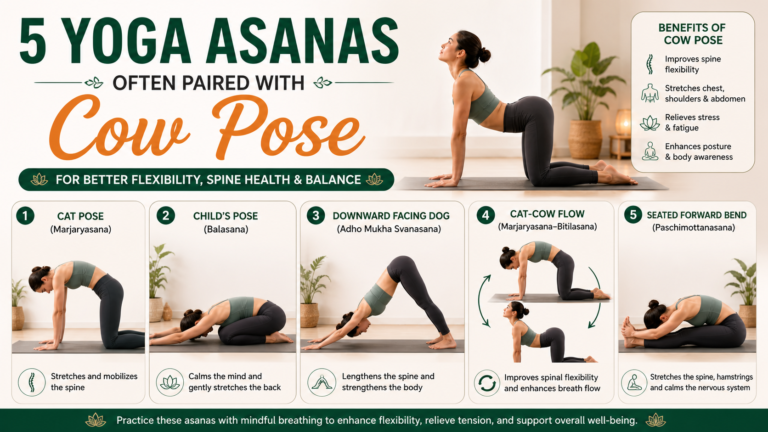
Start with gentle wrist rotations and shoulder movements to prepare the upper body. Follow these with Cat-Cow Pose to introduce controlled spinal movement.
You can also practise gentle hip flexor stretches, shoulder-opening exercises, and a few rounds of Downward Dog. These movements help prepare the body for the demands of inversion and backbending.
Avoid forcing your spine into a deep arch during warm-up. Flexibility should develop gradually through controlled movements rather than sudden or aggressive stretching.
Who Should Avoid the Handstand Scorpion Pose?
Although the Handstand Scorpion Pose can be an exciting advanced yoga goal, it is not suitable for everyone.
People with wrist, shoulder, neck, or spinal injuries should avoid attempting this posture unless cleared by an appropriate healthcare professional. Individuals with uncontrolled high blood pressure, certain eye conditions, or balance-related medical concerns should also seek medical guidance before practising advanced inversions.
Pregnant individuals and people recovering from surgery should avoid attempting this demanding posture without specific professional guidance.
Always practise under the supervision of a qualified yoga instructor, particularly when learning handstands and deep backbends. Stop immediately if you experience pain, dizziness, numbness, or unusual discomfort.
Scientific Evidence Supporting the Benefits of Handstands and Scorpion Pose.
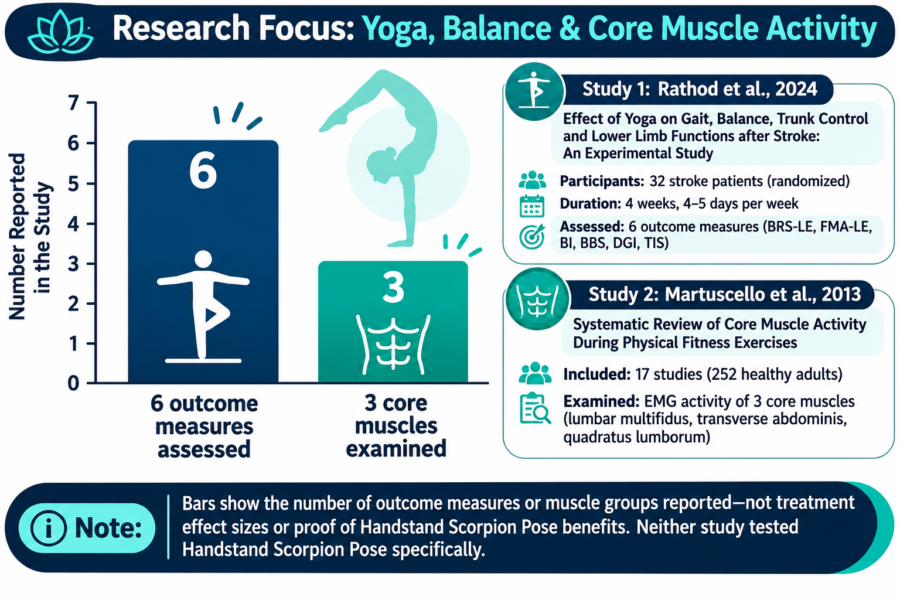
Scientific research has explored the benefits of inversions and yoga poses like the Handstand Scorpion. Studies indicate that regular practice of yoga can enhance strength, flexibility, and mental well-being. For instance, a study published in the Journal of Physical Therapy Science found that practicing yoga significantly improves balance and proprioception.(1)
Impact on Core Strength.
Research published in the Journal of Strength and Conditioning Research highlights the importance of core stability in maintaining balance during various physical activities. Practicing poses like the Handstand Scorpion enhances core engagement, contributing to overall strength.(2)
Benefits for Mental Health.
Yoga and mindfulness practices have been shown to reduce anxiety and improve mental health. A study published in Psychosomatic Medicine found that yoga practice positively impacts stress levels and mood, reinforcing the mental benefits of poses like the Handstand Scorpion.
Perguntas frequentes.
1. Is the Handstand Scorpion Pose suitable for beginners?
The Handstand Scorpion Pose is an advanced pose. Beginners should focus on building strength and flexibility through foundational poses before attempting this one.
2. How can I improve my handstand balance?
Practice foundational poses like Downward Dog and Dolphin Pose to strengthen your shoulders and core. Consider using a wall for support when practicing handstands.
3. How often should I practice to see improvements?
Consistency is key. Aim to practice at least three to four times a week, incorporating preparatory poses to build strength and flexibility gradually.
4. Can this pose help with anxiety or stress?
Yes, inversions like the Handstand Scorpion Pose can promote relaxation and reduce stress by stimulating the nervous system and enhancing focus.
linha de fundo.
The Handstand Scorpion Pose is more than just an impressive feat; it is a testament to the dedication and practice required in yoga. By mastering this pose, you not only build strength and flexibility but also enhance your focus and mental clarity. Remember to be patient with yourself as you progress, and consider seeking guidance from experienced yoga instructors to ensure a safe and effective practice. Embrace the journey of mastering the Handstand Scorpion Pose, and let it become a source of empowerment and growth in your yoga practice.
+2 de fontes
A FreaktoFit tem diretrizes rígidas de sourcing e conta com estudos revisados por pares, institutos de pesquisa educacional e organizações médicas. Evitamos o uso de referências terciárias. Você pode aprender mais sobre como garantimos que nosso conteúdo seja preciso e atualizado, lendo nosso política editorial.
- Effect of Yoga on Gait, Balance, Trunk Control and Lower Limb Functions after Stroke: An Experimental Study; https://www.researchgate.net/publication/385749594_Effect_of_Yoga_on_Gait_Balance_Trunk_Control_and_Lower_Limb_Functions_after_Stroke_An_Experimental_Study
- Systematic Review of Core Muscle Activity During Physical Fitness Exercises; https://www.researchgate.net/publication/236094217_Systematic_Review_of_Core_Muscle_Activity_During_Physical_Fitness_Exercises