

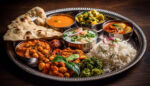
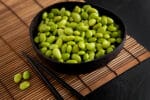





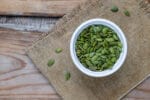









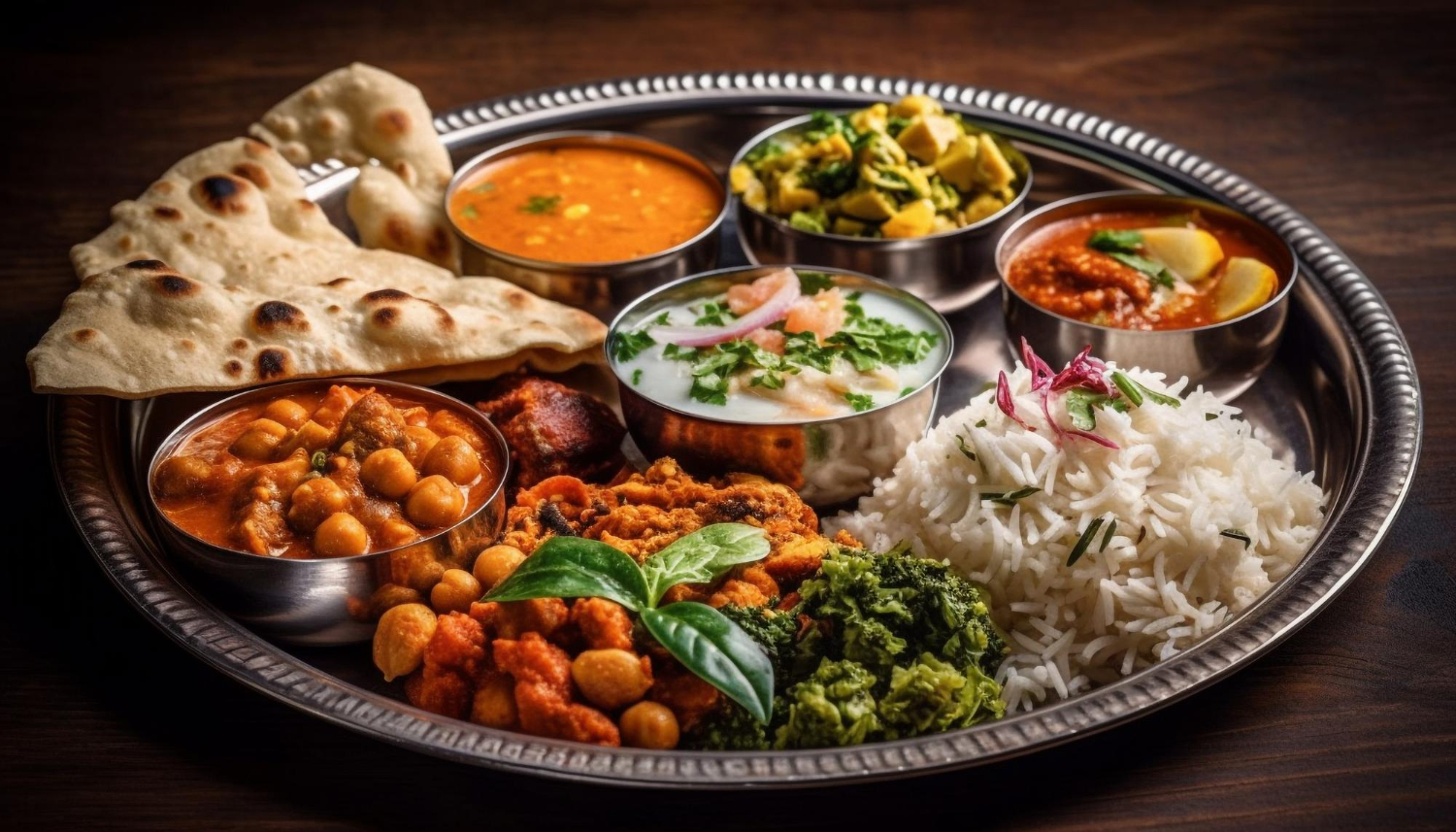
Sattvic food refers to foods traditionally considered conducive to sattva, a Sanskrit concept associated with qualities such as clarity, balance, harmony, lightness, and calmness. The idea of a sattvic diet comes primarily from Indian yogic and Ayurvedic traditions, where food is considered not only nourishment for the physical body but also something that may influence mental and emotional states.
A traditional sattvic approach generally emphasizes fresh, wholesome, naturally prepared foods and discourages excessive consumption of foods considered stimulating, heavy, stale, or excessively processed.
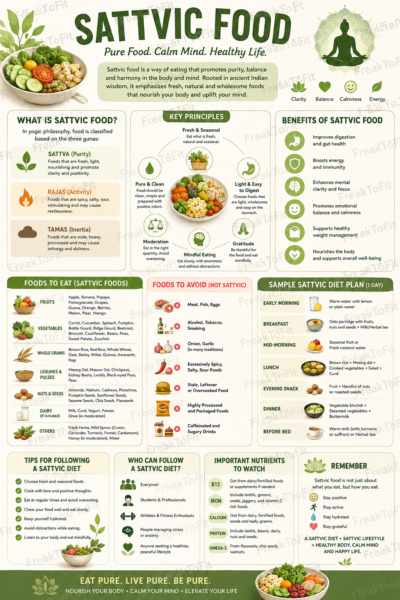
Commonly included foods are:
- Fresh fruits
- legumes
- grãos integrais
- leguminosas
- Nozes e sementes
- Milk and some dairy products
- Fresh herbs
- Natural spices
- Honey in some traditional interpretations
- Adequate water
Depending on the particular tradition, dietary rules can vary considerably. Some versions avoid onions and garlic, while others may include them. Some interpretations permit dairy, whereas modern plant-based adaptations may exclude it.
Histórias relacionadas
 Quais são as diferenças entre o leite A1 e A2
 Beber leite quente à noite – minha experiência apoiada por opiniões de especialistas
This distinction is important because there is no single universally standardized sattvic diet.
From a modern nutrition perspective, many foods commonly emphasized in a sattvic eating pattern—such as vegetables, fruits, whole grains, legumes, nuts, and seeds—are consistent with the principles of a nutrient-dense dietary pattern. However, claims that particular foods directly create spiritual purity, remove toxins, or guarantee mental clarity are traditional or philosophical claims rather than established medical facts.
The Meaning of Sattva in Food.
A Palavra sattva is associated with qualities such as purity, harmony, balance, and clarity within Indian philosophical traditions.
Traditional yogic thought often describes three broad qualities, or gunas:

- Sattva: clarity, balance and harmony
- Rajas: activity, stimulation and restlessness
- Tamas: heaviness, inertia and dullness
Food has traditionally been categorized according to the qualities it is believed to encourage.
Sattvic foods are generally viewed as fresh, clean, nourishing and moderate.

Rajasic foods are often associated with intense stimulation and may include very spicy, salty or strongly stimulating foods.
Tamasic foods are traditionally associated with heaviness, dullness or stagnation and may include stale, excessively processed or overcooked foods.
These classifications belong to a traditional philosophical framework. They should not be confused with modern scientific food classifications.
Modern nutrition evaluates food according to factors such as:
- proteína
- carboidratos
- gordura
- fibra
- vitaminas
- minerais
- Energy density
- Degree of processing
- sódio
- Added sugars
- Overall dietary pattern
Therefore, someone can appreciate the traditional philosophy of sattvic eating while still using evidence-based nutrition principles when planning meals.
Quais alimentos são considerados sátvicos?
A lista exata varia de acordo com a tradição, mas muitos padrões alimentares sáttvicos enfatizam alimentos vegetais frescos e minimamente processados.
Fresh Fruits.
Fruits are among the most commonly associated sattvic foods.
Exemplos incluem:
- Apples
- Bananas
- Oranges
- goiaba
- mamão
- manga
- romã
- melancia
- Melons
- uvas
- Pears
- bagas
Fruits provide carbohydrates, fiber, vitamins, minerals and various plant compounds.
Rather than relying on fruit juices, eating whole fruits is generally preferable because whole fruit retains its fiber and tends to be more filling.
Legumes.
Vegetables form an important part of a nutrient-rich sattvic-style diet.
Exemplos incluem:
- cenoura
- pepino
- espinafre
- Pumpkin
- Bottle gourd
- Ridge gourd
- beterraba
- brócolis
- couve-flor
- Green beans
- Peas
- Sweet potato
- abobrinha
Steaming, lightly cooking or preparing vegetables with moderate amounts of oil can preserve their nutritional value while making them easier to consume.
grãos inteiros.
Whole grains can provide carbohydrates, fiber, vitamins and minerals.
Sattvic-style meals may include:
- arroz integral
- Red rice
- Whole wheat
- aveia
- cevada
- milhete
- quinua
- Amaranth
- Traditional grains such as ragi
Whole grains can be especially useful for people who need sustained energy for work, exercise and daily activities.
Legumes and Pulses.
Legumes are an important source of plant protein and fiber.
Exemplos incluem:
- Moong dal
- Masoor dal
- Chickpeas
- Kidney beans
- Black-eyed peas
- lentilha
- Peas
Different sattvic traditions have different opinions about particular legumes, so the exact food list can vary.
From a modern nutrition perspective, legumes can be an excellent part of a balanced eating pattern.
Nozes e sementes.
Nuts and seeds provide healthy fats, protein, minerals and energy.
Exemplos incluem:
- amêndoas
- nozes
- Cashews
- pistache
- Pumpkin seeds
- Sunflower seeds
- Sesame seeds
- Sementes de Chia
- semente de linhaça
Because nuts and seeds are calorie-dense, portion size can matter for people trying to manage energy intake.
produtos lácteos.
Traditional sattvic diets may include fresh dairy products such as:
- leite
- Curd
- iogurte
- Ghee
- pavimento
However, dairy is not essential for a healthy diet.
People who are lactose intolerant, allergic to dairy, vegan, or simply prefer plant-based eating can obtain nutrients from other sources.
A plant-based sattvic-style diet can be designed using legumes, soy foods, nuts, seeds and fortified foods.
Quais alimentos são tradicionalmente evitados?
Again, practices vary between traditions.
Foods commonly restricted in sattvic dietary systems may include:
- carne
- peixe
- ovos
- álcool
- tabaco
- Excessively spicy foods
- Excessively salty foods
- Highly processed foods
- Stale food
- Foods considered overly stimulating
- Foods containing certain ingredients such as onion and garlic in some traditions
It is important not to describe these restrictions as universally medically necessary.
For example, modern nutrition does not classify onion and garlic as inherently unhealthy. In fact, they can contribute valuable nutrients and flavor to a balanced diet.
Similarly, eating meat is not automatically incompatible with nutritional adequacy. However, a person choosing vegetarian or predominantly plant-based sattvic eating can still meet nutritional needs with appropriate planning.
Os alimentos sáttvicos são saudáveis?
A sattvic dietary pattern can be healthy when it is varied and nutritionally adequate.
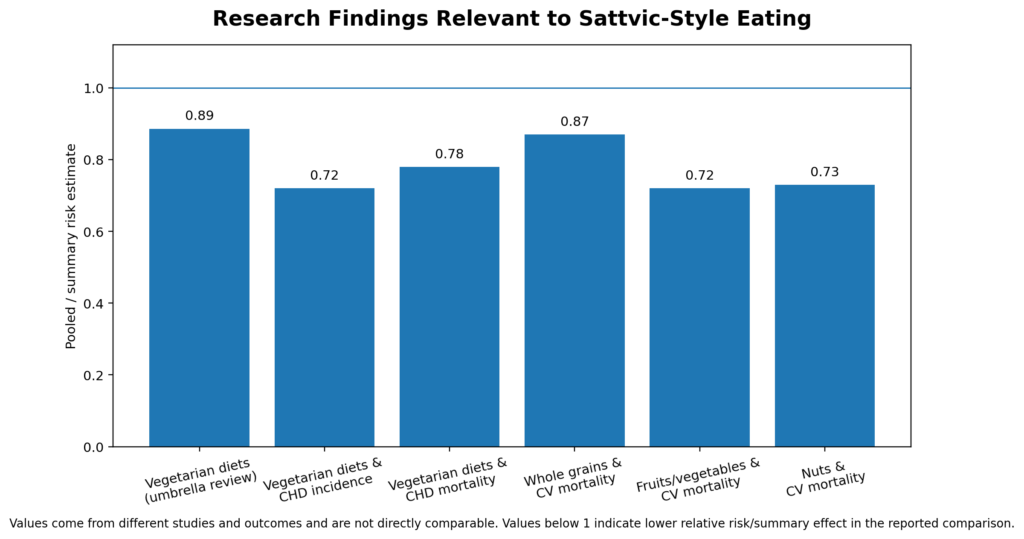
Many of its commonly emphasized foods—vegetables, fruits, legumes, whole grains, nuts and seeds—are nutrient-dense foods that fit well within many evidence-based healthy eating patterns.(1),(2)
However, the healthfulness of the diet depends on what an individual actually eats.
A diet consisting primarily of fruit, juices and small amounts of vegetables, for example, could be described as “sattvic” in some interpretations but may not provide enough protein, energy, vitamin B12, iron, calcium or essential fats.(3)
Therefore, the label alone does not make a diet nutritionally complete.
A healthy sattvic-style eating pattern should provide sufficient:
- proteína
- fibra
- Essential fats
- ferro
- cálcio
- vitamina b12
- vitamina d
- Iodine
- zinco
- Other essential micronutrients
Potential Benefits of a Sattvic-Style Diet.
The specific spiritual benefits traditionally attributed to sattvic food have not been established in the same way as conventional nutrition outcomes.
However, certain characteristics of a well-planned sattvic-style diet may offer practical health benefits.
1. Higher Intake of Fruits and Vegetables.
A diet emphasizing fruits and vegetables can increase intake of fiber, vitamins, minerals and numerous plant compounds.
Replacing highly processed snack foods with whole foods may improve overall dietary quality.
2. More Dietary Fiber.
Whole grains, legumes, fruits, vegetables, nuts and seeds can significantly increase fiber intake.
Fiber contributes to:
- Normal bowel function
- Satiety
- Healthy digestion
- Blood glucose regulation
- Cardiovascular health
Adequate fiber is therefore one of the potential nutritional strengths of a plant-rich sattvic-style diet.
3. Less Ultra-Processed Food.
Many versions of sattvic eating discourage packaged, heavily processed and highly refined foods.
Reducing these foods can make it easier to build meals around minimally processed ingredients.
However, not every packaged food is unhealthy, and not every minimally processed food is automatically nutritious.
The overall dietary pattern matters.
4. Potentially Lower Intake of Excess Sodium and Added Sugar.
If a sattvic approach emphasizes fresh food and limits highly processed snacks, sugary drinks and heavily salted foods, it may naturally reduce exposure to excessive added sugar and sodium.
This is particularly relevant because many processed foods can contribute substantial amounts of sodium and added sugars.
5. Greater Awareness of Eating Habits.
Sattvic traditions often encourage mindful eating and attention to food preparation.
This can encourage people to:
- Eat slowly
- Pay attention to hunger
- Appreciate meals
- Reduce distracted eating
- Cook at home
- Develop regular eating rotinas
Mindful eating can be useful regardless of whether someone follows a spiritual dietary tradition.
Os alimentos sáttvicos melhoram a saúde mental?
Traditional yoga and Ayurveda often associate sattvic eating with calmness, clarity and mental balance.
However, these claims require careful interpretation.
There is not enough evidence to conclude that eating a specific “sattvic” food directly treats anxiety, depression or other mental health disorders.
Nevertheless, certain behaviors commonly associated with a sattvic lifestyle may support general well-being.
Por exemplo:
- Eating regular balanced meals
- Limiting excessive alcohol
- Eating nutrient-rich foods
- Maintaining physical activity
- praticante Yoga ou meditação
- Getting sufficient sleep
- Spending time in nature
- Practicing mindful eating
These lifestyle factors can work together to support overall well-being.
People experiencing persistent anxiety, depression or other mental health symptoms should seek appropriate professional care rather than relying on dietary changes alone.
Sattvic Food and Weight Loss.
Sattvic food is not inherently a weight-loss diet.
Weight change depends largely on energy balance over time, along with factors such as activity, body composition, genetics, sleep, medications and other biological influences.
However, a well-planned sattvic-style diet may support weight management because it can emphasize:
- legumes
- frutas
- grãos integrais
- leguminosas
- Fiber-rich foods
- Minimally processed meals
These foods can be filling while providing substantial nutritional value.
At the same time, foods such as nuts, seeds, ghee and some dairy products are energy-dense. Eating very large quantities of them can increase total calorie intake.
Therefore, “sattvic” does not automatically mean “low calorie.”
Sattvic Food for Muscle Building.
One common concern about vegetarian or sattvic-style diets is protein.
A well-planned vegetarian diet can provide adequate protein, but people who exercise regularly should pay attention to both total protein intake and protein distribution throughout the day.
Useful protein sources may include:
- lentilha
- Moong dal
- Chickpeas
- feijão
- Peas
- Soy foods, where consistent with one’s dietary tradition
- pavimento
- iogurte
- leite
- nozes
- sementes
Strict interpretations that exclude several protein-rich foods can make protein planning more difficult.
For individuals trying to build muscle, protein requirements can be higher than those of sedentary individuals, so a personalized nutrition strategy may be useful.
Important Nutrients to Watch on a Sattvic Diet.
A restrictive version of sattvic eating may require particular nutritional attention.
proteína.
Vegetarians can obtain protein from legumes, dairy, soy foods, nuts and seeds.
Vitamin B12.
Vitamin B12 deserves special attention in diets that exclude animal-derived foods.
Reliable sources include fortified foods and supplements when appropriate.
Ferro.
Plant sources include:
- lentilha
- feijão
- Chickpeas
- sementes
- Leafy greens
- Fortified foods
Pairing plant sources of iron with vitamin C-rich foods can improve absorption of non-heme iron.
cálcio.
Depending on the dietary pattern, calcium can come from:
- leiteria
- Fortified plant milks
- Tofu made with calcium
- Certain leafy vegetables
- Sesame and other seeds
vitamina D.
Diet alone may not always provide enough vitamin D.
Sun exposure, dietary sources and supplementation should be considered according to individual circumstances.
Ácidos graxos ômega-3.
Flaxseeds, chia seeds and walnuts provide alpha-linolenic acid, an essential plant omega-3 fatty acid.
Some individuals may benefit from algae-derived DHA/EPA, particularly when following a completely plant-based diet.
Os alimentos sáttvicos são adequados para crianças?
Children have different nutritional requirements from adults because they are growing.
A highly restrictive sattvic diet should therefore not be imposed on a child without appropriate professional guidance.
Children need sufficient:
- energia
- proteína
- ferro
- cálcio
- vitamina b12
- vitamina d
- Essential fats
- Other micronutrients
A child can eat a predominantly vegetarian diet, but it needs to be properly planned.
Avoid using spiritual food classifications to pressure children into restrictive eating or to create fear around particular foods.
Os alimentos sáttvicos são adequados durante a gravidez?
Pregnancy increases nutritional requirements.
A vegetarian diet can be compatible with pregnancy, but a restrictive diet may increase the risk of nutritional deficiencies if it is not carefully planned.
Pregnant individuals should discuss their dietary pattern and supplement requirements with an obstetric or nutrition professional.
Particular attention may be required for nutrients such as:
- folato
- ferro
- vitamina b12
- Iodine
- cálcio
- vitamina d
- proteína
- Omega-3 fatty acids
The concept of sattvic eating should not override medical or nutritional requirements during pregnancy.
A Sample Sattvic Diet Plan.
Here is an example of a balanced sattvic-style vegetarian day, rather than a rigid traditional prescription.
Early Morning.
- irrigar
- Optional fruit
Café da manhã.
- Oats or millet porridge
- Banana or berries
- Nozes e sementes
- Milk or fortified plant milk
meio da manhã.
- Seasonal fruit
- irrigar
Almoço.
- Brown rice or millet
- Moong dal
- Cooked vegetables
- Cucumber or other fresh salad
- Curd or an appropriate plant-based alternative
Lanche da noite.
- fruto
- A small portion of nuts or seeds
Jantar.
- Vegetable khichdi
- Cooked seasonal vegetables
- Yogurt or another suitable protein-rich accompaniment
Before Bed.
- Warm milk, if tolerated and desired
This is only an example. Calorie and nutrient requirements vary considerably between individuals.
Como tornar os alimentos sáttvicos mais nutritivos?
A common mistake is to focus so strongly on food purity that nutritional adequacy becomes secondary.
Instead, build balanced meals.
A simple formula is:
Protein + whole-food carbohydrate + vegetables/fruit + healthy fat
Por exemplo:
Moong dal + brown rice + vegetables + seeds
ou
Oats + yogurt + fruit + nuts
This approach provides a more balanced combination of macronutrients and micronutrients.
Sattvic Food and Mindful Eating.
One of the most valuable aspects of the sattvic tradition may be its emphasis on how we relate to food.
Rather than rushing through meals, try:
- Sit down without unnecessary distractions.
- Observe the food before eating.
- Coma devagar.
- Chew thoroughly.
- Notice hunger and fullness.
- Avoid eating solely because of boredom.
- Appreciate the ingredients and preparation.
- Stop when comfortably satisfied.
Mindful eating does not require following a particular religious or philosophical tradition.
It can simply mean becoming more aware of your eating behavior.
Sattvic Food vs Modern Healthy Eating.
There is considerable overlap between the two, but they are not identical.
| Sattvic-style principle | Modern nutrition perspective |
|---|---|
| Fresh foods | Generally encouraged |
| Fruits and vegetables | Strongly encouraged |
| grãos integrais | Nutrient-dense choice |
| leguminosas | Excellent source of fiber and plant protein |
| Nozes e sementes | Nutrient-rich but energy-dense |
| Excessively processed foods | Often best limited |
| Excess salt | Best limited |
| Excess added sugar | Best limited |
| Avoid onion and garlic | Traditional restriction, not a general medical requirement |
| Avoid all animal foods | Can be nutritionally adequate if well planned |
| Food influences mental qualities | Traditional philosophical concept; evidence is limited for direct causal claims |
This comparison illustrates why a sattvic approach can be adapted to modern nutrition without treating traditional beliefs as scientific facts.
Common Mistakes When Following a Sattvic Diet.
Mistake 1: Eating Too Little Protein.
Removing meat, eggs and some dairy without replacing their protein can create an unbalanced diet.
Mistake 2: Eating Mostly Fruit.
Fruit is nutritious, but a diet consisting largely of fruit may not provide adequate protein, essential fats and several micronutrients.
Mistake 3: Fear of All Processed Foods.
Processing exists on a spectrum. Frozen vegetables, pasteurized milk, canned beans and fortified foods can all be useful.
Mistake 4: Assuming Ghee Is a Health Food Without Limits.
Ghee can be part of a traditional diet, but it is still a concentrated source of fat and energy.
Mistake 5: Ignoring Deficiencies.
A restrictive vegetarian or vegan diet may require attention to nutrients such as vitamin B12, iron, calcium, iodine and vitamin D.
Mistake 6: Treating Food as Medicine for Every Problem.
Food can contribute to health, but it cannot replace appropriate treatment for medical conditions.
Perguntas frequentes.
1. O que é comida sátvica?
A comida sátrica refere-se a alimentos tradicionalmente considerados favoráveis à pureza, equilíbrio, clareza e harmonia nas tradições filosóficas e iogues indianas.
2. Quais são os principais alimentos sáttvicos?
Exemplos comuns incluem frutas frescas, vegetais, grãos integrais, legumes, nozes, sementes e, em muitas tradições, laticínios frescos.
3. A comida sáttvica é vegetariana?
As dietas tradicionais sáttvicas são geralmente vegetarianas, embora as interpretações variem.
4. A cebola é comida sátvica?
Muitos sistemas tradicionais de sáttvicos excluem a cebola, mas as práticas diferem. Não existe uma regra geral de nutrição moderna de que a cebola não é saudável.
5. O alho é sattvic?
Alguns sistemas dietéticos tradicionais de ioga e ayurveda classificam o alho como inadequado para uma dieta sátvica estrita. Esta é uma classificação tradicional e não um julgamento médico moderno.
6. Posso comer arroz em uma dieta sáttvica?
Sim. O arroz, principalmente variedades minimamente processadas, pode se encaixar confortavelmente em muitos padrões alimentares de estilo sátvico.
7 . Posso comer laticínios?
Muitas versões tradicionais permitem laticínios frescos, como leite, iogurte e ghee. Alternativas à base de plantas podem ser usadas quando apropriado.
8. A comida sáttvica é boa para perda de peso?
Pode sustentar um padrão alimentar saudável, mas a perda de peso depende do balanço energético geral e dos fatores individuais. A comida sátva não é automaticamente uma dieta para perda de peso.
9. Um vegano pode seguir uma dieta sáttvica?
Sim. Um vegano pode criar uma dieta inspirada em Sattvic usando frutas, vegetais, grãos integrais, legumes, nozes, sementes e alimentos fortificados adequados, embora isso possa ser diferente das versões tradicionais contendo laticínios.
10. Os atletas podem seguir uma dieta sátvica?
Sim, desde que sua dieta fornece energia, proteínas, carboidratos, gorduras e micronutrientes suficientes para suas demandas de treinamento.
11. A comida sáttvica desintoxica o corpo?
There is no need to rely on “detox” claims. The body already has organs such as the liver and kidneys that process and eliminate metabolic waste. A nutrient-rich diet can support normal physiological function but does not need to be described as a detoxification treatment.
12. O alimento sáttvico melhora a concentração?
Uma dieta equilibrada pode apoiar a função normal do cérebro, mas não há evidências suficientes para afirmar que um determinado alimento sáttvico garante uma concentração melhorada.
Final descolagem.
Sattvic food is best understood as a traditional Indian yogic approach to eating that emphasizes freshness, moderation, simplicity and foods believed to support clarity and balance.
Its traditional philosophy goes beyond calories and nutrients, considering food in relation to physical, mental and spiritual well-being. For many people, this approach can encourage useful habits such as eating more fruits and vegetables, choosing minimally processed foods, cooking at home, eating mindfully and moderating highly stimulating or heavily processed foods.
From an evidence-based nutrition perspective, many of these practices are compatible with a healthy dietary pattern. However, traditional concepts should not be presented as scientifically proven medical effects. There is currently no basis for claiming that sattvic food itself can cure disease, eliminate toxins or guarantee spiritual or psychological transformation.
The most important consideration is nutritional adequacy.
If a sattvic diet excludes several food groups, make sure the remaining foods provide enough protein, essential fats, iron, calcium, vitamin B12, vitamin D, iodine and other nutrients. This is particularly important for children, pregnant individuals, older adults, athletes and anyone with specific health or nutritional requirements.
Ultimately, you do not have to choose between tradition and modern nutrition. A practical approach can respect the philosophical principles of sattvic eating while applying evidence-based nutritional knowledge.
A balanced sattvic-inspired plate can be simple: plenty of vegetables and fruit, adequate protein, nourishing whole-food carbohydrates, appropriate healthy fats, sufficient fluids, and mindful eating.
That combination makes the philosophy much more useful—not as a rigid list of “pure” and “impure” foods, but as an opportunity to develop a thoughtful, balanced and sustainable relationship with food.
+3 de fontes
A FreaktoFit tem diretrizes rígidas de sourcing e conta com estudos revisados por pares, institutos de pesquisa educacional e organizações médicas. Evitamos o uso de referências terciárias. Você pode aprender mais sobre como garantimos que nosso conteúdo seja preciso e atualizado, lendo nosso política editorial.
- Health outcomes associated with vegetarian diets: An umbrella review of systematic reviews and meta-analyses; https://pubmed.ncbi.nlm.nih.gov/32204974/
- Relation of Vegetarian Dietary Patterns With Major Cardiovascular Outcomes: A Systematic Review and Meta-Analysis of Prospective Cohort Studies; https://pubmed.ncbi.nlm.nih.gov/31263700/
- Long-Term Consumption of 10 Food Groups and Cardiovascular Mortality: A Systematic Review and Dose Response Meta-Analysis of Prospective Cohort Studies; https://pubmed.ncbi.nlm.nih.gov/36811594/