





































 treino

 meditação


 podcast
 e-book


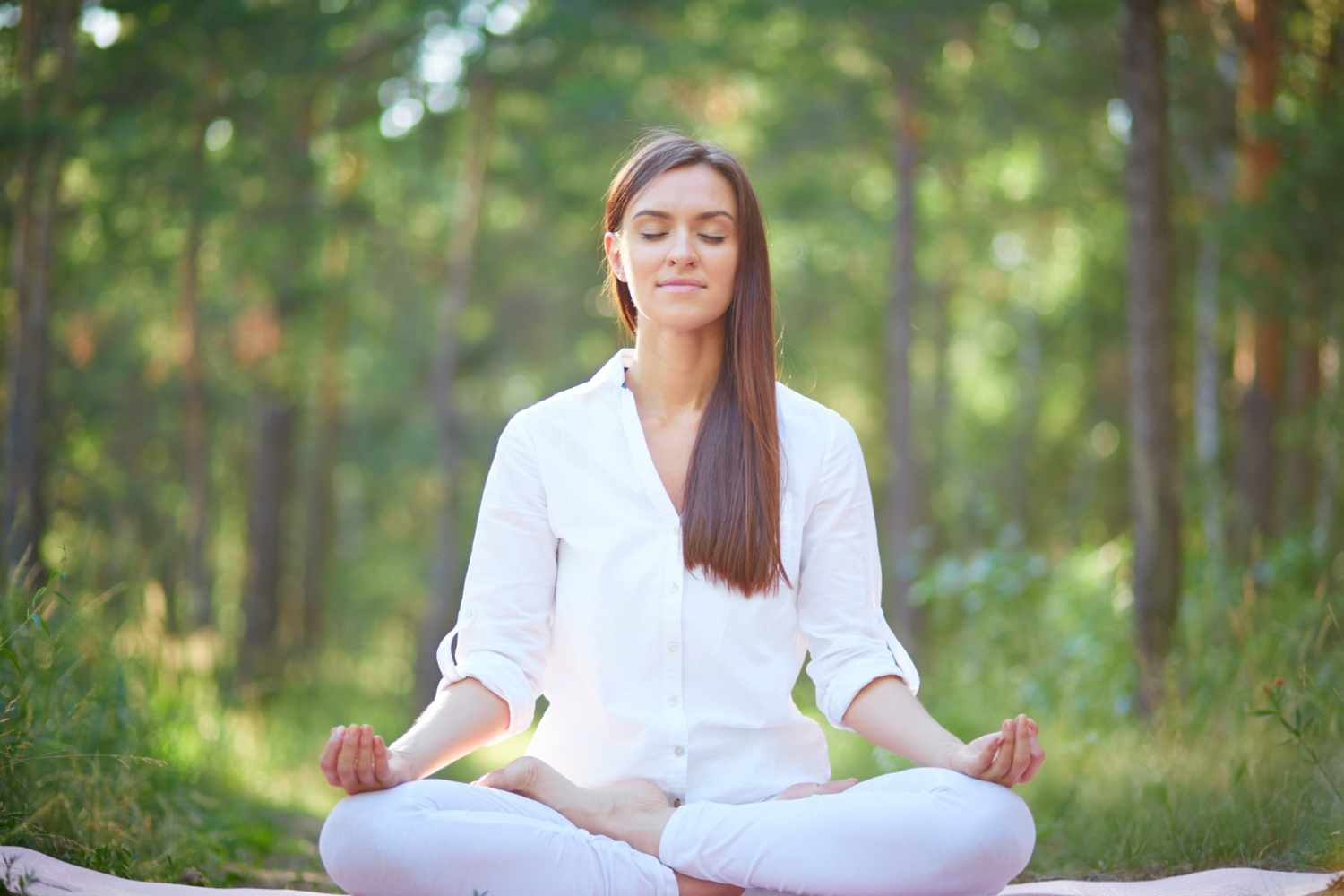
Meditation is a practice that has been in existence for ages. With clear references in the scriptures of the Upanishads and the Mahabharata, there are several references to those who practiced meditation. Meditation is a practice that cultivates mindfulness and inner stability to promote overall well-being.
Meditation encompasses many mindfulness techniques and practices that help individuals improve their mental clarity, emotional well-being, and crescimento espiritual. There are different types of meditation techniques for each individual based on their preference, objectives and comfort levels.
10 tipos de técnicas de meditação adequadas para iniciantes
Let’s check out some types of meditation techniques that are most suited for beginners.
1 Mantra Meditation.
Mantra Meditation, as the name suggests, is a type of meditation technique that involves chanting mantras. Mantras are shlokas, syllables, or sentences, mainly in Sanskrit or Pali. When mantras are repeated over and over while meditating, they produce vibrations that help the mind and body to connect with the divine power. These mantras help you connect with the supreme being i.e., God. Some of the most commonly practiced mantras are “Om,” “Om Mani Padme Hum,” “Soham Mantra,” etc.
Histórias relacionadas
 Naked Yoga e seus benefícios
 10 poses essenciais de ioga para iniciantes em casa
2 Chakra Meditation.
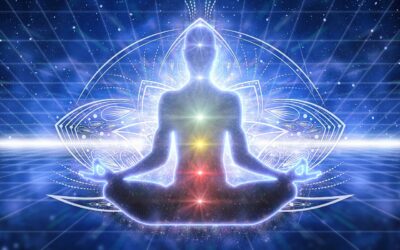
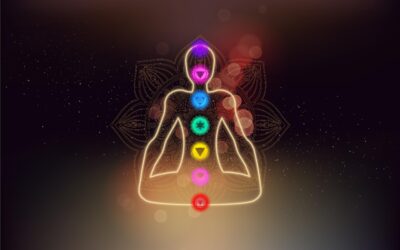
Chakras are the pools of energy in the body. As per some cultures, there are 5,9, 10, or even 12 energy centers. The majority of the meditation experts speak about the 7 chakras in the human body. Chakra meditation involves the balancing of chakras in the human body. These 7 chakras or energy centers are placed from the base of the spine to the head. These 7 chakras are aligned in a straight line, and each chakra holds its significance.
- The Root chakra (Muladhara Chakra) is at the base of the spine
- The Sacral Chakra (Swadhisthana Chakra) is located at the pelvis
- The Solar Plexus Chakra (Manipura Chakra) is situated in the abdomen region near your belly button
- The Heart Chakra (Anahata Chakra), as the name suggests is located in the chest region
- The Throat Chakra (Vishuddha Chakra) is situated in the throat
- The Third Eye Chakra (Ajna Chakra) is located at the center of the forehead
- The Crown Chakra (Sahasrara Chakra) is situated at the top of the head
Chakra meditation is all about balancing the 7 chakras so that they are not either blocked or too over-stimulated. A balance in all the chakras will help you achieve alignment in both physical and mental states.
3 Yoga Nidra Meditation.
Yoga Nidra or yogic sleep is a simple meditation technique that promotes profound relaxation. This guided meditation practice induces deep states of relaxation while keeping the mind in a conscious state. Yoga Nidra meditation is practiced by lying down on the ground or on the bed. It involves step-by-step instructions by guiding the practitioner. With the ancient practice of Yoga nidra, you can achieve deep relaxation and hence reduce stress and anxiety.
4 Vipassana Meditation.
Vipassana Meditation, rooted in Buddhist tradition, is a unique meditation technique that centers around mindfulness. This practice invites individuals to direct their attention to each part of the body, fostering a profound sense of self-awareness. Serving as a transformative tool, Vipassana meditation promotes self-reflection, allowing practitioners to delve into a journey of self-discovery. The holistic approach of this meditation not only enhances emotional well-being but also cultivates a deeper connection with one’s physical being. Engaging in Vipassana meditation offers a pathway to greater self-understanding and a harmonious integration of mind and body.
5 Anapanasati Meditation or breath meditation.
Anapanasati meditation, or breath meditation, is one of the simplest meditation techniques practiced by beginners at meditation. In this type of meditation, we focus on our breath. Keeping breath as your anchor, pay attention to the air flowing in and out of your body. This meditation technique is the quickest and easiest way to help you calm down when you become overwhelmed with anxiety or stress.
6 Qigong Meditation.
Qigong is an ancient Chinese healing meditation that integrates controlled breathing, gentle movements to enhance mental, physical, and spiritual well-being. Similar to Tai Chi, this technique is renowned for its potential to address a range of health issues, such as high blood pressure, heart disease, diabetes, chronic fatigue, insomnia, and back pain. Rooted in Chinese tradition, Qigong Meditation focuses on optimizing vitality by facilitating the unimpeded flow of energy along the body’s meridians. During meditation, directing this energy inward is believed to promote personal healing and well-being, while directing it outward may contribute to the healing of others.
7 Sound Meditation.
This meditation technique leverages the power of sound to bolster the meditative experience, aiming to induce a state of deep calm. The primary objective is to facilitate a tranquil yet impactful journey that promotes physical recovery, mental serenity, and a heightened focus on the present moment. Sound meditation falls within the category of focused awareness meditation, with one increasingly popular variant known as “sound baths.” Sound baths utilize instruments such as Tibetan singing bowls, quartz bowls, and bells to guide participants, emphasizing the immersive experience of sound through auditory sensations and tangible physical vibrations and frequencies. Explore the transformative potential of sound meditation for a holistic well-being journey.
8 Reflection Meditation.
Reflection Meditation opens a door to our innermost thoughts and aspirations, offering a profound glimpse into the essence of who we are. The more time dedicated to self-reflection, the more accurately we can understand our genuine emotions, values, and guiding principles. This practice involves carefully examining our habits, values, and aspirations spanning the past, present, and future. The tranquility nurtured through mindfulness allows us to approach this reflective journey with intention and deep insight. Instead of suppressing emotions, Reflection Meditation teaches us the art of acceptance. This intentional practice empowers individuals to navigate life with a newfound understanding and serenity.
9 Loving Kindness Meditation.
Loving-Kindness Meditation, also known as Metta Bhavana, is a transformative practice designed to nurture compassion. Originating from the Buddhist tradition, this meditation technique is open to individuals of all faiths, offering a universal approach to cultivating love at its core. Unlike the common perception of meditation as a silent and breath-centric activity, loving-kindness meditation is an active form where the emphasis lies in directing positive thoughts and goodwill. The practice involves releasing feelings of anger and frustration while fostering a mindset of compassion and positivity. It serves as a powerful tool for resolving personal conflicts and promoting inner harmony.
10 Healing Meditation.
Healing meditation has been celebrated through numerous accounts of seemingly miraculous recoveries, where individuals facing seemingly insurmountable illnesses experienced a turning point considered medically impossible. One noteworthy example is the incredible recovery of a Lama who overcame gangrene in his leg through the practice of meditation. This type of meditation technique has demonstrated its potential to aid those grappling with physical and emotional distress, especially in cases of chronic pain or other medical disorders. The profound impact of healing meditation varies from person to person – some report transformative changes, while others find relief through the stress-reducing benefits of mindfulness practice.
linha de fundo.
Different types of meditation techniques are used to tackle different problems in each individual’s life. As a beginner, you can always choose a style/technique that is more suitable, comfortable, and result-bearing for you. One can always choose from various types of meditation techniques to see which resonates most with them.
To learn or practice these meditation techniques you can download Idanim from Play Store and App Store for free.