


































 treino

 meditação


 podcast
 e-book


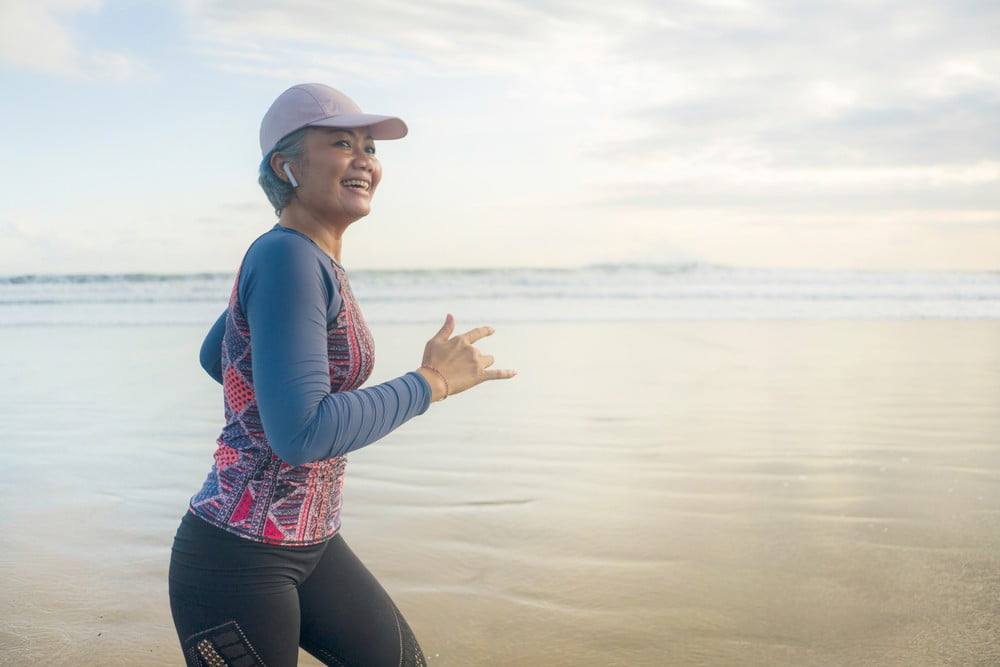
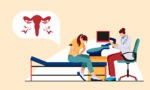
A menopausa não marca apenas o fim dos ciclos menstruais de uma mulher. Também a leva por uma fase de transição pontuada por sintomas mentais, emocionais e físicos exaustivos que podem afetar a vida cotidiana. Os profissionais médicos e fitness enfatizam repetidamente a importância da atividade física durante a menopausa. Se entregar ao yoga, Exercícios de tendão corporal, cardio ou pilates podem ajudar a aliviar esses sintomas e aliviar a menopausa. Por isso, hoje vamos contar a você sobre como facilitar a menopausa com essas atividades de condicionamento físico da parte inferior do corpo.
Problemas comuns na menopausa.
A menopausa entra na vida de uma mulher com bagagem. os muitos Sintomas da menopausa Inclui perda de densidade óssea e massa muscular, padrões de sono irregulares, deterioração do metabolismo, aumento de peso e mudanças repentinas no apetite. Problemas de bexiga, constipação e sintomas depressivos também não são inéditos. Enquanto várias mulheres recorrem a suplementos de menopausa ou terapia de reposição hormonal, outras dependem de mudanças no estilo de vida, incluindo atividades de condicionamento físico na parte inferior do corpo. Embora os treinos frequentes por si só não possam reduzir os sintomas da menopausa, como distúrbios do sono ou ondas de calor, eles podem Facilite a transição. Se você está pensando por onde começar, dê uma olhada nos treinos listados abaixo.
6 atividades de condicionamento físico na parte inferior do corpo para aliviar a menopausa.
1 Treinamento de força.
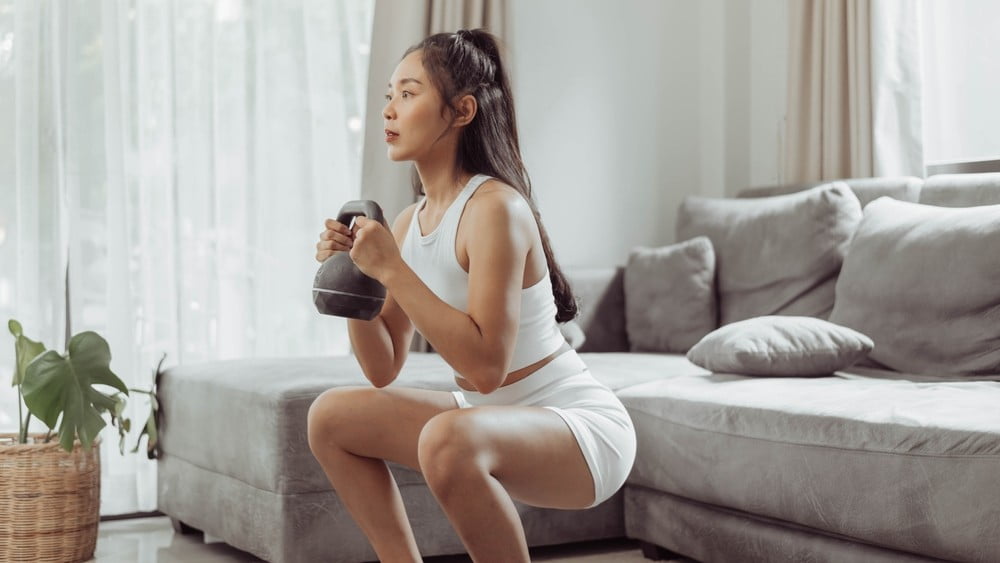
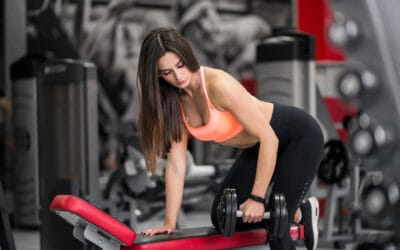
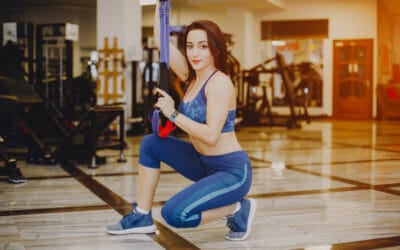
as mulheres estão Risco de osteoporose Durante a menopausa devido a um declínio em seus níveis de estrogênio. O exercício baseado em resistência ajuda a manter os ossos saudáveis e a massa muscular, o que, por sua vez, aumenta o metabolismo. Procure fazer pelo menos 30 minutos de exercícios baseados em resistência por semana para se manter em forma. Inclui movimentos de peso corporal como:
- exercícios de tendão
- agachamento
- flexões
- luvas
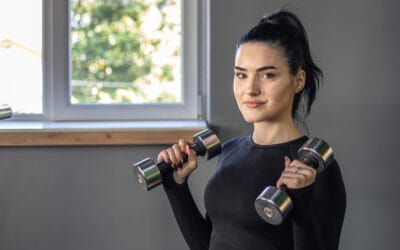
Adicione halteres ou kettlebells à sua rotina de exercícios para maior resistência.
Histórias relacionadas
 Incríveis exercícios de dedo martelo para uma recuperação rápida
 Aro de bambolê ponderado: benefícios e onde comprar
2 Cardio.

exercícios cardiovasculares Ajude a fortalecer o coração, mantendo o peso do corpo sob controle. Quanto mais você sua, melhor você se sente, porque os exercícios aeróbicos liberam endorfinas, os hormônios do bem-estar que ajudam a controlar as mudanças de humor na menopausa. Delicie-se com algumas atividades cardiovasculares na parte inferior do corpo, como correr, caminhar, andar de bicicleta ou correr todos os dias. Se você é iniciante, comece com 10 minutos por dia e aumente o tempo lentamente. Você também pode ir à academia e subir em esteiras ou bicicletas de exercício se preferir um treino mais rigoroso.
3 Yoga e Pilates.
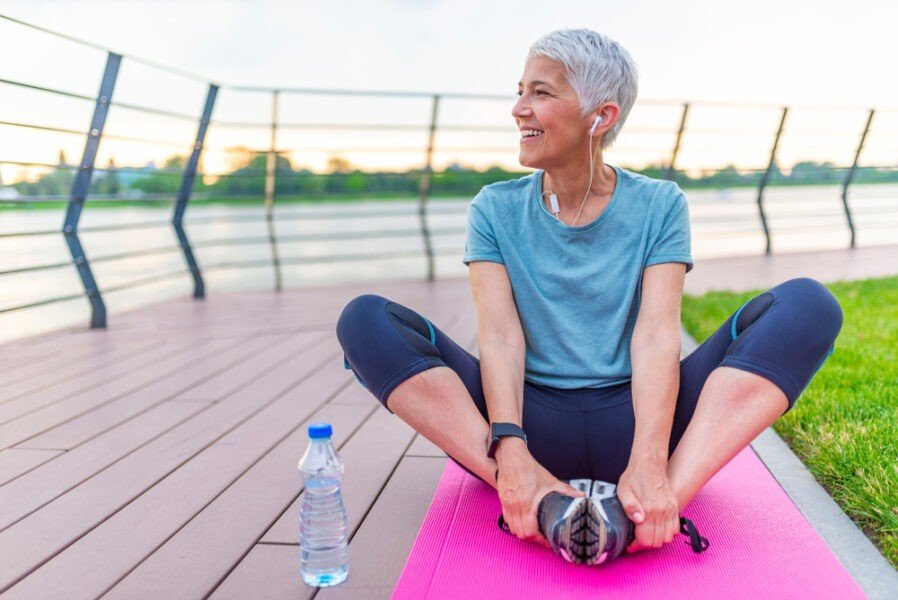
A maioria das mulheres tem mobilidade reduzida da coluna durante a menopausa, então você precisa se concentrar em tomar as articulações por meio de movimentos amplos e abrangentes para melhorar a saúde das articulações. Se você não gosta de nenhum tipo de treino pesado, experimente ioga ou pilates. Estes são muito eficazes quando se trata de manter as juntas flexíveis. Essas atividades também ajudam a melhorar a flexibilidade.
Pilates faz maravilhas para fortalecer o assoalho pélvico, o que por sua vez ajuda a mudança do ambiente no tecido vaginal durante a menopausa. A ioga, por outro lado, ajuda a aliviar os sintomas psicológicos, incluindo ansiedade, depressão e irritabilidade. Portanto, é uma das melhores atividades de condicionamento físico para o corpo inferior para aliviar a menopausa.
4 Dança.
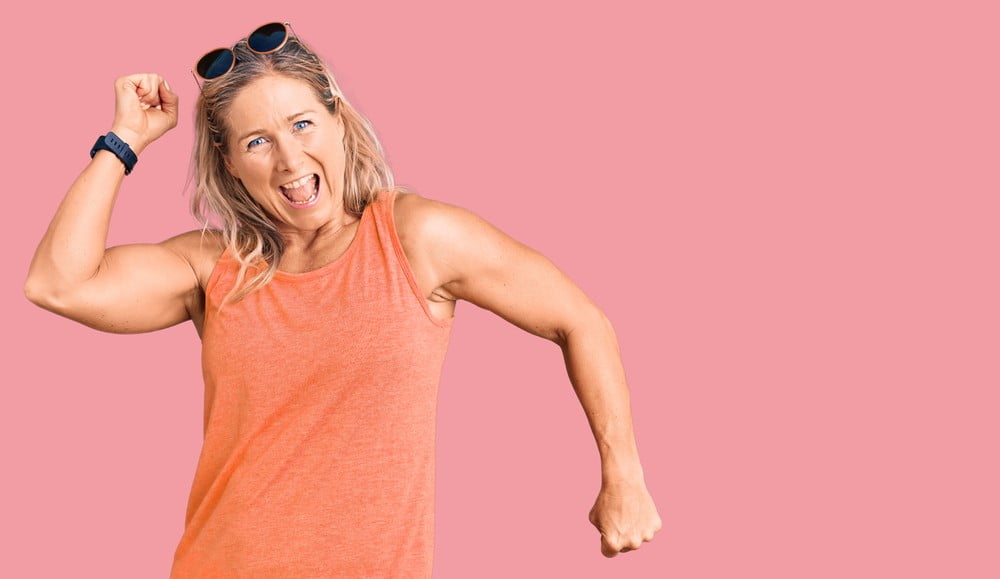
Se a música faz você continuar, o que o impede de curtir algumas músicas e se entregar a uma forma divertida de condicionamento físico? Você não precisa de permissão para dançar, então coloque uma sessão de cardio em sua rotina de dança e divirta-se!
5 Zumba.
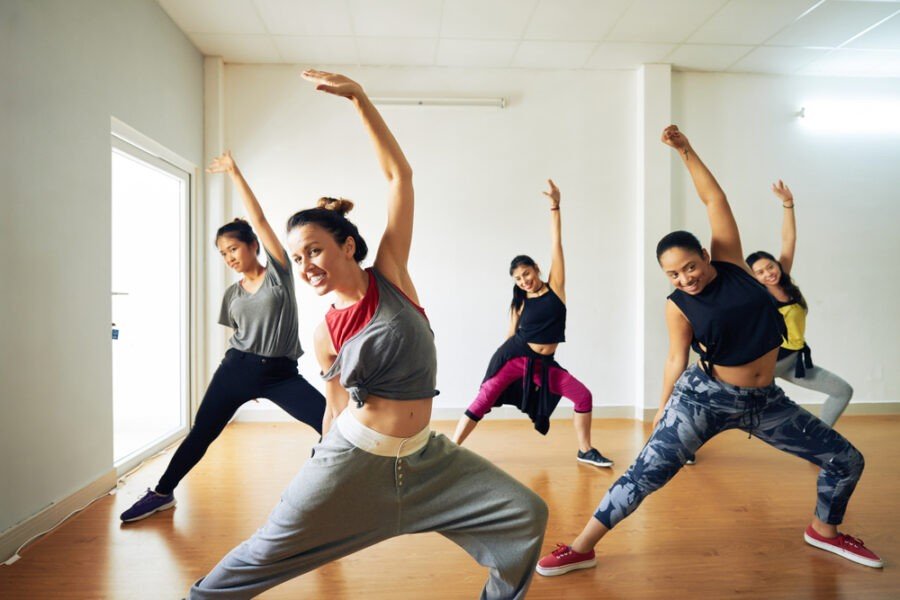
A crescente popularidade da Zumba varreu pessoas de todas as faixas etárias, e por que não? Esta atividade incorpora merengue, salsa e outras músicas animadas de inspiração latina e ajudam você a trabalhar seus músculos enquanto alivia a menopausa. Atualize sua rotina de dança ingressando em uma aula de Zumba e trabalhe os músculos da parte inferior do corpo.
6 Plano de exercícios em casa.
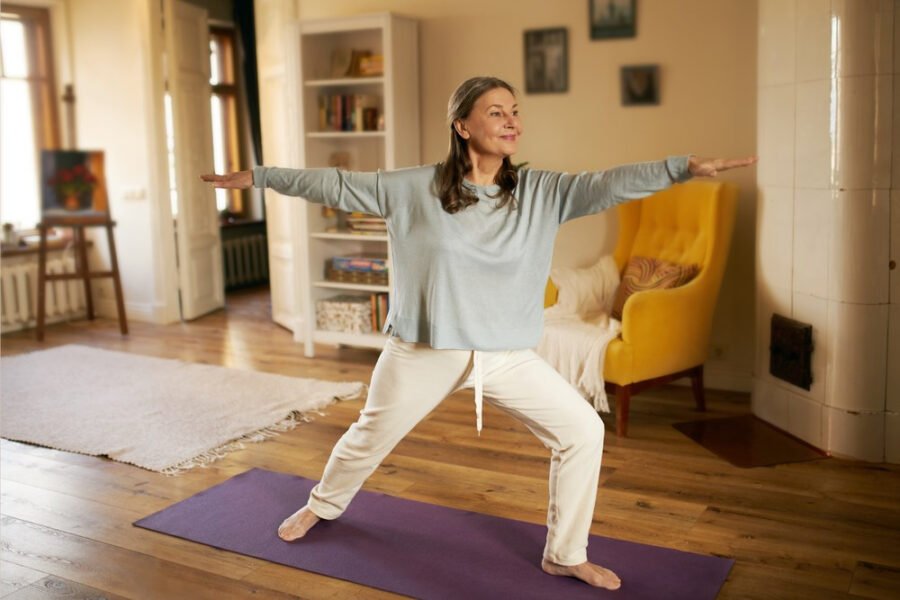
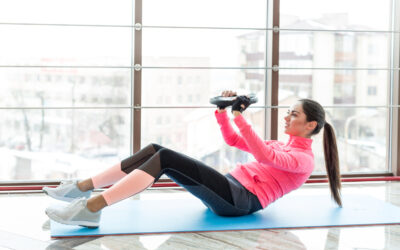
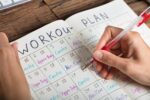
Se você prefere exercícios leves, mas eficazes, em vez de exercícios rigorosos, experimente um plano de exercícios fácil no conforto de sua casa. Fortaleça, mobilize e estabilize a parte inferior do corpo com alguns movimentos simples que ajudam a melhorar os músculos do assoalho pélvico e a postura geral. Os exercícios direcionados para o fortalecimento abdominal, glúteo e quadril ajudam a aliviar a menopausa.
A importância do condicionamento físico durante a menopausa.
É aconselhável que as mulheres se deliciem com pelo menos 150 minutos de atividade física em uma semana. Uma rotina de condicionamento físico consistente oferece inúmeros benefícios, que incluem:
Prevenindo o ganho de peso.
menopausa leva a um súbito aumento de peso. A gordura se acumula principalmente em torno da região abdominal. A atividade física pode ajudar a manter o peso sob controle, melhorando a massa muscular.
Reduzindo o risco de câncer.
A atividade física regular ajuda a manter um peso saudável, que por sua vez Reduz o risco de câncer de endométrio, mama e cólon.
Melhora da saúde óssea.
O risco de redução da densidade óssea aumenta durante a menopausa. Atividade física ajuda Melhorar a força óssea, reduzindo assim o risco de fraturas.
Manter outras doenças à distância.
Atividade física regular ajuda Reduza o risco de outras doenças, como diabetes tipo 2 e doenças cardiovasculares.
Melhorar sua saúde mental.
A realização de atividades físicas ajuda na Redução do risco Declinação cognitiva, estresse, depressão e transtornos de ansiedade.
linha de fundo.
A menopausa é uma fase de transição que inevitavelmente traz desconforto e dor, e seus sintomas podem ser difíceis de lidar. Nesses casos, é essencial manter-se motivado. É melhor definir metas realistas ao se entregar a qualquer atividade física e evitar se esforçar ao máximo. Em vez de mergulhar de cabeça em sessões de treino de uma hora, comece com 15 minutos e aumente o tempo à medida que aumenta sua força. Espalhe os exercícios durante a semana e construa lentamente a rotina. Seja qual for a sua escolha, reserve um tempo para se aquecer primeiro e se refrescar com alguns alongamentos depois.
+8 fontes
A FreaktoFit tem diretrizes rígidas de sourcing e conta com estudos revisados por pares, institutos de pesquisa educacional e organizações médicas. Evitamos o uso de referências terciárias. Você pode aprender mais sobre como garantimos que nosso conteúdo seja preciso e atualizado, lendo nosso política editorial.
- sintomas da menopausa e seu manejo; https://www.ncbi.nlm.nih.gov/pmc/articles/PMC4890704/
- Treinamento de exercícios de doze semanas e qualidade de vida em mulheres na menopausa – ensaio clínico; https://www.ncbi.nlm.nih.gov/pmc/articles/PMC4828504/
- Osteoporose primária em mulheres na pós-menopausa; https://www.ncbi.nlm.nih.gov/pmc/articles/PMC5643776/
- Obesidade na menopausa – nossa negligência ou uma inevitabilidade infeliz?; https://www.ncbi.nlm.nih.gov/pmc/articles/PMC5509974/
- atividade física e câncer; https://www.cancer.gov/about-cancer/causes-prevention/risk/obesity/physical-activity-fact-sheet
- exercícios para a saúde óssea; https://www.bones.nih.gov/health-info/bone/bone-health/exercise/exercise-your-bone-health
- Atividade física diária e diabetes tipo 2: uma revisão; https://www.ncbi.nlm.nih.gov/pmc/articles/PMC4914832/
- exercícios para a saúde mental; https://www.ncbi.nlm.nih.gov/pmc/articles/PMC1470658/