











































 treino

 meditação


 podcast
 e-book


The Fast Facts
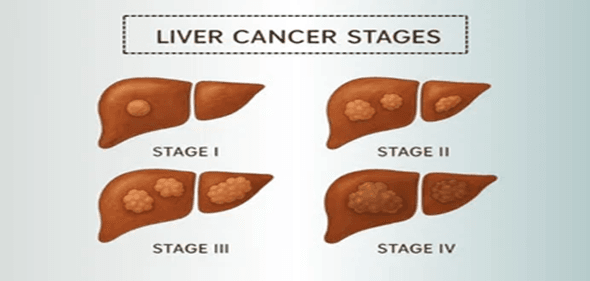
- Nos estágios iniciais, o tumor é pequeno e confinado ao fígado, e a função hepática em geral é normalmente bem preservada.
- Com uma gestão adequada e supervisão especializada, os pacientes em estágio intermediário podem manter uma boa qualidade de vida, controlando efetivamente a progressão da doença.
- A ressecção cirúrgica geralmente é recomendada se o tumor pode ser removido com segurança e o tecido hepático remanescente estiver saudável.

O manejo do câncer de fígado progrediu significativamente na última década, oferecendo aos pacientes opções de tratamento mais avançadas e melhores resultados de sobrevivência. Com diagnóstico precoce, terapias personalizadas e cuidados multidisciplinares coordenados, muitas pessoas agora experimentam uma melhor qualidade de vida durante todo o tratamento. Compreender como o tratamento do câncer de fígado varia de acordo com o estágio da doença, permite que pacientes e familiares tomem decisões informadas e confiantes. isto Guia explica claramente o manejo do câncer de fígado em estágios destacando a importância do atendimento especializado.
Estágio 0 e estágio A (cancro do fígado em estágio inicial)
In the earliest stages, the tumor is small and confined to the liver, and overall liver function is typically well preserved. At this point, treatment focuses on achieving a cure whenever possible.
A ressecção cirúrgica geralmente é recomendada se o tumor pode ser removido com segurança e o tecido hepático remanescente estiver saudável. O transplante de fígado é outro tratamento altamente eficaz, especialmente para pacientes com câncer de fígado e cirrose avançada. Ao substituir totalmente o fígado doente, o transplante elimina o tumor e o dano hepático subjacente, melhorando significativamente as chances de sobrevivência a longo prazo.
Histórias relacionadas
 7 melhores remédios caseiros para o tratamento de infecções no banheiro
 Os 5 principais sintomas mais comuns da síndrome pós-concussão
Tratamentos minimamente invasivos também desempenhar um papel crucial no início do manejo do câncer de fígado. Procedimentos como ablação por radiofrequência e ablação por micro-ondas destroem as células cancerosas usando terapia de calor direcionada. Esses procedimentos avançados são normalmente realizados por um radiologista intervencionista, que usa tecnologia guiada por imagem para localizar e tratar o tumor com precisão. Esta abordagem especializada reduz os danos ao tecido saudável circundante e promove mais rápido Recuperação em comparação com a cirurgia aberta tradicional.
O manejo do câncer de fígado em estágio inicial oferece a melhor oportunidade de sobrevivência a longo prazo, principalmente quando combinado com um cuidado de acompanhamento consistente e ajustes de estilo de vida saudável.
Estágio B (câncer de fígado em estágio intermediário)
No câncer de fígado em estágio intermediário, vários tumores podem estar presentes no fígado, mas a doença não se espalhou para órgãos distantes. A função hepática geralmente permanece estável, permitindo que os médicos implementem estratégias de tratamento ativo destinadas a retardar o crescimento do tumor.
Um dos mais usados Tratamentos nesta fase é quimioembolização transarterial (TACE). Este procedimento fornece quimioterapia diretamente ao tumor, bloqueando o suprimento sanguíneo, Limitando efetivamente o crescimento do câncer. Outra terapia avançada é a radioembolização transarterial (TARE), que usa partículas radioativas para direcionar e destruir células cancerígenas internamente.

Muitos pacientes procuram tratamento em um hospital internacional Isso oferece programas abrangentes de câncer de fígado. Esses centros especializados normalmente fornecem tecnologias avançadas de imagem, placas de tumor multidisciplinares e acesso às inovações mais recentes do tratamento. recebendo O cuidado em tal instalação melhora o tratamento Precisão e garante que os pacientes se beneficiem dos padrões globalmente reconhecidos de tratamento do câncer.
Com uma supervisão adequada e supervisão especializada, os pacientes intermediário O estágio pode manter uma boa qualidade de vida, controlando efetivamente a progressão da doença.
Estágio C (câncer de fígado em estágio avançado)
O câncer de fígado em estágio avançado se desenvolve quando o tumor invade os principais vasos sanguíneos, linfonodos ou se espalha além do fígado. Embora essa etapa apresente desafios maiores, avanços significativos nas terapias sistêmicas melhoraram os resultados.
A terapia direcionada envolve medicamentos que bloqueiam as vias específicas que as células cancerígenas usam para crescer e se espalhar. Drogas como sorafenibe e lenvatinibe demonstraram melhora na sobrevida em muitos pacientes. A imunoterapia transformou-se ainda mais Tratamento avançado do câncer de fígado fortalecendo a resposta imune do corpo contra as células cancerígenas.
As terapias combinadas, particularmente aquelas que integram a imunoterapia com medicamentos direcionados, são cada vez mais usadas e mostraram resultados promissores. Mesmo em estágios avançados, planos de tratamento personalizados podem ajudar a prolongar a sobrevivência e Gerencie os sintomas de forma eficaz.
Estágio D (câncer de fígado em estágio final)
No câncer de fígado em estágio final, a função hepática fica gravemente prejudicada e a doença pode ser generalizada. Nesta fase, o tratamento se concentra principalmente em cuidados paliativos e de suporte.
O principal objetivo é aliviar os sintomas, controlar a dor, fornecer suporte nutricional e manter o conforto e a dignidade do paciente. O apoio emocional e psicológico também se torna Componente essencial do cuidado. Embora os tratamentos curativos possam não ser mais possíveis, o manejo médico compassivo melhora significativamente a qualidade de vida dos pacientes e de suas famílias.
A importância de uma abordagem multidisciplinar
Manejo eficaz do câncer de fígado Requer uma estreita colaboração entre hepatologistas, oncologistas, cirurgiões, radiologistas e especialistas em cuidados paliativos. O plano de tratamento de cada paciente deve ser individualizado com base no estágio do tumor, função hepática, saúde geral e preferências pessoais.
Visitas regulares de acompanhamento, exames de imagem e laboratórios Os testes são vitais para monitorar o tratamento Responda e detecte a recorrência precocemente. A comunicação contínua entre a equipe de saúde e o paciente garante que o atendimento permaneça alinhado com as metas de tratamento e a evolução das necessidades médicas.
Avançando com confiança
Os avanços modernos no manejo do câncer de fígado continuam trazendo esperança renovada. de curativo Tratamentos em estágios iniciais Para terapias sistêmicas inovadoras em casos avançados, as opções estão se expandindo a cada ano. O diagnóstico precoce, o acesso a cuidados especializados e a orientação de profissionais experientes desempenham um papel crucial na obtenção de melhores resultados.
por Compreender estratégias de tratamento em fase e busca de especialistas Cuidados Quando necessário, os pacientes podem avançar com clareza, confiança e otimismo. Com pesquisas contínuas e inovação médica, o futuro do tratamento do câncer de fígado continua promissor.
Perguntas frequentes.
1 Qual é o melhor tratamento para o câncer de fígado em estágio inicial?
O câncer de fígado em estágio inicial é frequentemente tratado com ressecção cirúrgica, transplante de fígado ou terapia de ablação. A melhor opção depende do tamanho do tumor, função hepática e saúde geral do paciente. Quando diagnosticado precocemente, o tratamento pode ser potencialmente curativo.
2 2 . Quem realiza tratamentos de câncer de fígado minimamente invasivos?
Procedimentos minimamente invasivos, como ablação por radiofrequência, TACE e tara, são normalmente realizados por um radiologista intervencionista especializado usando orientação de imagem avançada para direcionar os tumores com precisão.
3 O câncer de fígado pode ser curado?
O câncer de fígado pode ser curado se detectado em um estágio inicial e tratado prontamente com cirurgia ou transplante. Em estágios posteriores, os tratamentos se concentram no controle da progressão da doença e na melhora da sobrevida.
conclusão
fígado de palco Gestão do câncer Fornece uma abordagem estruturada e personalizada para o tratamento, garantindo que cada paciente receba cuidados adaptados à gravidade da doença e à função hepática geral. de potencialmente curativo opções Nos estágios iniciais, as terapias sistêmicas avançadas e os cuidados de suporte nos estágios posteriores, a medicina moderna oferece vários caminhos para melhorar a sobrevivência e manter a qualidade de vida.