













































Os fatos rápidos
- It is crucial for women to be cautious when it comes to using personal care products as it can have a significant impact on their overall health and hygiene.
- Using expired products or ones that have been used for an extended period can lead to a decrease in cleanliness, which may raise the risk of infection.
- It is also important to follow proper hygiene practices, such as washing your hands before and after changing your pad or tampon, and avoiding scented products that can irritate the vaginal area.

Menstrual hygiene is of utmost importance for women as it directly impacts their physical health, emotional well-being and overall quality of life. Proper menstrual hygiene practices, such as regular changing of sanitary products, washing the genital area and maintaining cleanliness, help to prevent infections like bacterial vaginosis, infecções do trato urinário and vaginal yeast infections. Menstrual blood provides an ideal environment for bacterial growth, so maintaining hygiene is essential to minimize the risk of infection. So today we will be telling you about side effects of expired menstruation products.
Frequent Menstrual Hygiene Mistakes Made By Women.
If you are wondering about the unknown mistakes that you are committing while on periods, here is what experts wants you to know.
1. Wearing a Sanitary Pad or Tampon for Too Long.
One of the most common health issues associated with wearing a sanitary pad or tampon for too long is Vaginose bacteriana (BV). BV is a type of vaginal infection that is caused by an overgrowth of harmful bacteria in the vagina. Symptoms of BV include itching, burning, and a foul-smelling discharge.
Another potential complication of wearing a sanitary pad or tampon for too long is toxic shock syndrome (TSS). TSS is a rare but serious bacterial infection that can occur when certain types of bacteria, such as Staphylococcus aureus, produce toxins that enter the bloodstream. Symptoms of TSS include fever, vomiting, and a rash that can resemble sunburn.
To avoid these health issues, it is important to change your sanitary pad or tampon regularly, typically every 4-6 hours. It is also important to follow proper hygiene practices, such as washing your hands before and after changing your pad or tampon, and avoiding scented products that can irritate the vaginal area. If you experience any unusual symptoms or discomfort, it is important to contact your healthcare provider for advice.
Histórias relacionadas
 Terapia GFC incrível para perda de cabelo é realmente seguro que o PRP
 Gerenciando o diabetes com cuidado: dicas essenciais para idosos
Using the same pad or tampon for a longer period of time might lead to bacterial growth and unpleasant odors. It is critical to replace them every few hours.
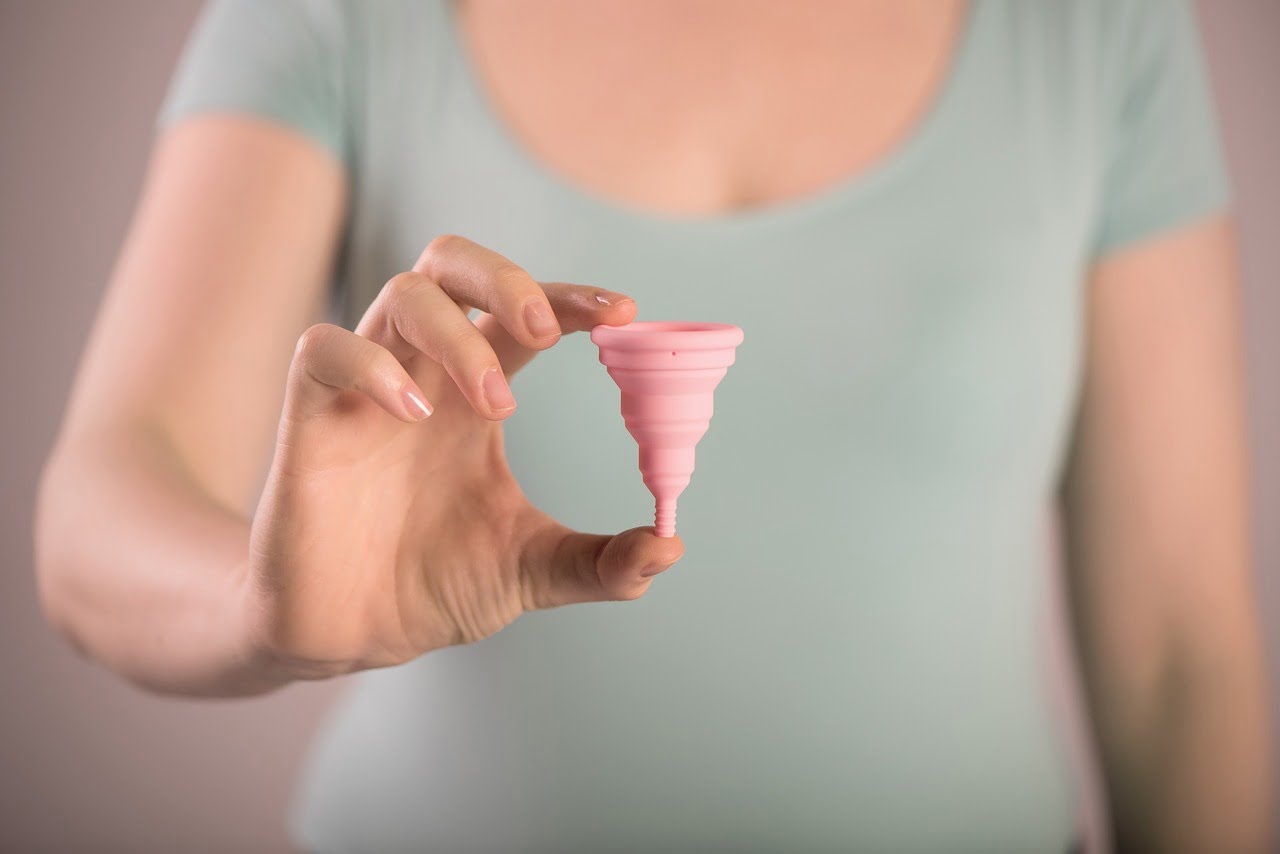
It’s important to change your sanitary pad frequently and especially tampons because they stay inside the vagina and can be easily forgotten. Menstrual cups must be emptied and cleaned every 4-6 hours.
2. Using Low-Quality or Outdated Menstruation Products.
It is crucial for women to be cautious when it comes to using personal care products as it can have a significant impact on their overall health and hygiene. Using expired products or ones that have been used for an extended period can lead to a decrease in cleanliness, which may raise the risk of infection.
Personal care products that are not frequently updated or replaced can harbor bacteria, mold and other harmful microorganisms. This can result in various infections such as urinary tract infections (UTIs), skin infections, or even more severe diseases.
Therefore, it is important for women to always opt for new and updated products that are within their expiration dates. This will ensure that the products are free from contamination and their effectiveness is not compromised. Moreover, the use of expired products can also cause adverse reactions such as skin irritation, allergies or rashes.
3. Improper Disposal of Old Menstrual Products.
Improper disposal of old menstrual products can lead to various environmental and health hazards. When disposed of improperly, menstrual products can end up in landfills and contribute to the accumulation of non-biodegradable waste. This not only takes up precious space in landfills but also poses a threat to wildlife when they mistake the products for food.
Moreover, old menstrual products can release harmful chemicals into the environment. Many menstrual products contain plastic, which can release toxins such as phthalates and bisphenol A (BPA) when they break down. These chemicals can leach into the soil and water, contaminating the environment and posing a risk to human and animal health.
Improper disposal of menstrual products can also create an unsanitary environment, particularly in public spaces such as restrooms. When disposed of incorrectly, menstrual products can clog toilets and create blockages in sewage systems. This can cause backups and overflows, leading to foul odors, unsanitary conditions and costly repairs.
To avoid these environmental and health hazards, it is important to properly dispose of old menstrual products. This can be done by wrapping them in toilet paper or using a specially designed disposal bag, such as those provided in public restrooms. It is also important to never flush menstrual products down the toilet, as they can cause significant damage to plumbing systems and harm the environment.

4. Ignoring Personal Hygiene.
During menstruation, it is essential to maintain good genital hygiene to prevent the risk of various infections. The menstrual blood and the lining of the uterus create a perfect environment for bacteria to grow, leading to infections like bacterial vaginosis, yeast infections and urinary tract infections. These infections can cause discomfort, pain, and even lead to more severe health issues if left untreated.
To prevent infections during menstruation, it is crucial to practice good genital hygiene. This involves washing the genital area with mild, unscented soap and water on a regular basis. It is recommended to wash the area at least twice a day, especially during heavy flow days. However, excessive washing can also be harmful as it may disrupt the natural pH balance of the vagina, leading to irritation and dryness.
In addition to washing, changing tampons or pads frequently is also essential to prevent infections. Wearing the same tampon or pad for an extended period can create a breeding ground for bacteria, leading to infections. It is advisable to change tampons every four to six hours and pads every three to four hours.
5. Using Scented Feminine Hygiene Products.
Scented pads and tampons may seem like a good idea for those who want to feel fresh and clean during their menstrual cycle, but they can actually do more harm than good. The fragrances added to these products can disrupt the vagina’s natural pH balance, which can lead to irritation, itching and even infection. This is because the vagina is a delicate ecosystem that relies on a specific balance of bacteria to function properly.
When scented pads or tampons are used, they can introduce new bacteria to the vagina, which can upset the natural balance and create an environment that is more favorable to harmful bacteria. This can lead to conditions like bacterial vaginosis or yeast infections, which can be uncomfortable and difficult to treat.
To avoid these issues, it is recommended to choose unscented alternatives for menstrual products. These products are free of fragrances and other potentially irritating ingredients, which can help to maintain the vagina’s natural pH balance and reduce the risk of infection or irritation.

Additionally, it is important to change menstrual products frequently and practice good hygiene to keep the vagina clean and healthy. By making these simple changes, women can ensure that their menstrual cycle is comfortable and safe.
Why Is Menstrual Hygiene So Crucial During Periods And What Are The Risk Factors Involved?
- Menstrual hygiene is essential during periods to avoid infections and maintain health.
- Infections such as yeast infections (candidiasis) and bacterial vaginosis can be increased by poor menstrual hygiene.
- Inadequate hygiene practices, such as utilizing dirty or expired sanitary goods, lead to infection development.
- Yeast infections are caused by a Candida fungal overgrowth and can cause itching, burning, abnormal discharge and discomfort. Prolonged contact with moist or soiled sanitary goods can cause skin irritation, rashes or dermatitis.
- Toxic Shock Syndrome (TSS) is an uncommon but dangerous disease caused by using high-absorbency tampons for an extended period of time.
- It is important to properly dispose of menstrual products in designated containers in order to prevent environmental contamination.
Dangers of Using Expired Sanitary Napkins.
How frequently should sanitary pads or tampons be changed and what are the potential side effects of using expired menstruation products? What are the precautions for using reusable products?
To ensure adequate menstrual hygiene, sanitary pads or tampons should be replaced every four to eight hours throughout a period. Frequent replacement aids in the prevention of bacterial growth, leaking and unpleasant odors. Using expired menstrual products may result in negative side effects.
Expired products may lose their ability to absorb menstrual flow, resulting in leakage and pain. Furthermore, expired goods might harbor germs, raising the risk of diseases like bacterial vaginosis or urinary tract infections.
To maximum guarantee cleanliness and minimize any health hazards, always check the expiration dates and avoid using outdated menstruation products. For reusable menstrual items like cups or pads: Clean thoroughly before and after each use, sterilize between cycles, store in a clean container and inspect regularly for damage.
How Does Your Lifestyle Habits Affect Your Menstruation?
Is there anything in one’s lifestyle or food that might affect menstruation hygiene and general menstrual health? A well-balanced diet rich in minerals, especially iron and vitamins, promotes overall menstrual health. Menstrual irregularity and blood flow might be affected by nutritional deficits.
1. Hydration.
Staying hydrated is essential for maintaining overall health and well-being, but it becomes even more crucial during menstruation. Menstruation involves the shedding of the uterine lining, which causes the body to lose a significant amount of fluids.
Therefore, it is essential to replenish the body’s fluids by drinking plenty of water and other hydrating fluids such as herbal teas, coconut water and fresh fruit juices.
When the body is adequately hydrated, it supports healthy blood flow during menstruation, aiding in the prevention of menstrual cramps and other discomforts. Proper hydration also helps to regulate the body’s temperature, which can fluctuate during menstruation, leading to hot flashes and night sweats.
In addition to supporting healthy blood flow, staying hydrated also aids in the prevention of vaginal dryness. Vaginal dryness is a common issue that can occur during menstruation, particularly during menopause.
It can cause discomfort, itching and pain during sexual intercourse. However, drinking enough water and other hydrating fluids can help to keep the vaginal tissues moist and supple, preventing dryness and discomfort.
2. Proper Blood Circulation
Regular exercise has been shown to have numerous benefits for women’s health, including helping to balance hormones, increase blood circulation and alleviate period pain. By engaging in physical activity on a regular basis, women can help to regulate their menstrual cycle and reduce the severity of menstrual symptoms.
However, it’s important to note that excessive or severe activity can have the opposite effect and actually disrupt the menstrual cycle. Women who engage in intense exercise routines, such as competitive athletes or dancers, may experience irregular periods or even amenorrhea (the absence of menstruation).
This is because excessive exercise can put stress on the body, causing a decrease in estrogen levels which can lead to disruptions in the menstrual cycle. This can also lead to other health problems, such as decreased bone density and an increased risk of injury.
It’s important for women who engage in regular exercise to find a balance that works for them and their body. This may mean adjusting the intensity or duration of their workouts, or incorporating rest days into their routine to allow their body time to recover.
3. Stress Management.
Excessive tensão can interrupt menstrual cycles and aggravate symptoms. Stress-reduction measures, such as relaxation exercícios ou meditação, can improve menstrual health and a healthy sleep routine. Tobacco and alcohol use can disturb hormone balance, interfere with menstrual regularity and raise the risk of menstrual problems.
Tips To Keep Vaginal Health In Check During Periods.
Take a look at these tips that can help you to stay safe during your periods:
1. Maintain proper hygiene.
During your period, it’s critical to replace your sanitary pads or tampons on a regular basis to avoid bacteria buildup and reduce the chance of infection. Avoid using harsh chemicals or douching while washing your vaginal region. use unscented soap and water.
2. Choose breathable clothing.
Wear breathable cotton underwear and loose-fitting clothes to improve airflow and minimize moisture, which reduces the possibility of fungal or bacterial overgrowth.
3. Drink enough water.
Drinking plenty of water flushes toxins from your body and keeps your vaginal tissues hydrated, which can aid with overall vaginal health.
4. Use unscented pads, tampons or menstrual cups.
Avoid using scented tampons or fragrant soaps, since they might disturb the normal pH balance of the vagina and create discomfort.
linha de fundo.
Using expired menstruation products can have dangerous side effects on a woman’s health. These products may harbor harmful bacteria and fungi that can cause infections, allergies and toxic shock syndrome. It is important for women to be mindful of the expiration dates on their menstrual products and to replace them regularly. By doing so, women can protect their health and prevent any potential health complications.