









The Best Exercises To Do In A Small Home Gym 15 Best Foods To Control Sugar Cravings For Diabetics A Salted Nut Roll Shot Recipe Weighted Hula Hoop : Benefits And Where To Buy CrossFit Exercise : Benefits, Types and Precautions The 11 Best Yoga Poses I Use as a Cyclist to Improve Flexibility and Recovery Rotary Torso Machine : Features, Benefits & How To Use What is Katonah Yoga: Benefits, How To Do And Expert Tips Durga Mudra: Benefits, Side Effects, How To Do and Precautions COVID-19 vs Kawasaki Disease – What You Need to Know Paralysis Treatment: By Yoga, Exercise And Physiotherapy Early Warning Signs of Thyroid Problems in Males, Females and Babies Work Those Glutes: How To Get A Nice Butt And The Reasons Why You Should How To Make Hibiscus Tea From Fresh Flowers? 14 Amazing Health Benefits of Fenugreek Seeds Best Exercises and Yoga with Diet for Bertolotti Syndrome Dairy Free Diet Plan for Breastfeeding Mothers What Are The Mysteries Behind Healthy Eating Habits? Mary Kate Cornett : Lifestyle, Workout Routine and Diet Plan What Our Grandparents Ate: Personal Reflections, Wicked Facts and Teachings to Todays Diet Landmine Squat Press : Benefits and Variations Unlocking Inner Peace: The Profound Benefits of Mrigi Mudra Complete Guide to Modern Hair Restoration 12 Amazing Health Benefits of Jackfruit – A Superfood 34 Best Health and Fitness Websites to Help You Get in Shape Type 1 and Type 2 Diabetes Explained: Causes, Care, and Positive Living. 10 Best Morning Yoga For Weight Loss Kubera Mudra: Benefits, How To Do and Success Stories Which Blood Group People Are More Prone to Corona, Who Is Less? Prana Mudra: Benefits, Side Effects, How To Do and Precautions Chinen Salt for Diabetes 7 Wonderful Yoga Poses To Reduce Cholesterol How to Cure Vitiligo Naturally and Regain Your Confidence Top 10 Powerful Yoga Poses for Public Speaking Success Best Ayurvedic Juice for Diabetics The Science Behind Why You Can’t Sleep in Bed but Can on the Couch Bumbu Rum : Amazing Facts Benefits of Bone Broth Carnivore Diet Neem Oil for Hair : Benefits, Side Effects and How to Use How To Get Rid of Bra Bulge : Exercises
Book an Appointment Appointment Ask a Question Ask Question Talk to an Expert Talk2Expert Questions and Answers Q&A Health Tracker Tools Health Tracker Workout and Fitness Workout Nutrition and Diet Nutritious Yoga and Meditation Meditation Health and Well Being Well-Being Mood Music Mood Music Social Service Social Service Listen to Our Podcast Podcast Ebook Store E-book
✓ Evidence Based
10.7k
Reads
1.2k

Top 5 Most Common Symptoms of Post-Concussion Syndrome

3 min read |
Add FreakToFit on Google

What does this do?

Adding FreakToFit as a preferred source on Google helps customize your search results with more of the sites you trust.

Our editorial process ensures that the information we provide is well-researched and reliable. Learn about our commitment to quality in our editorial policy.

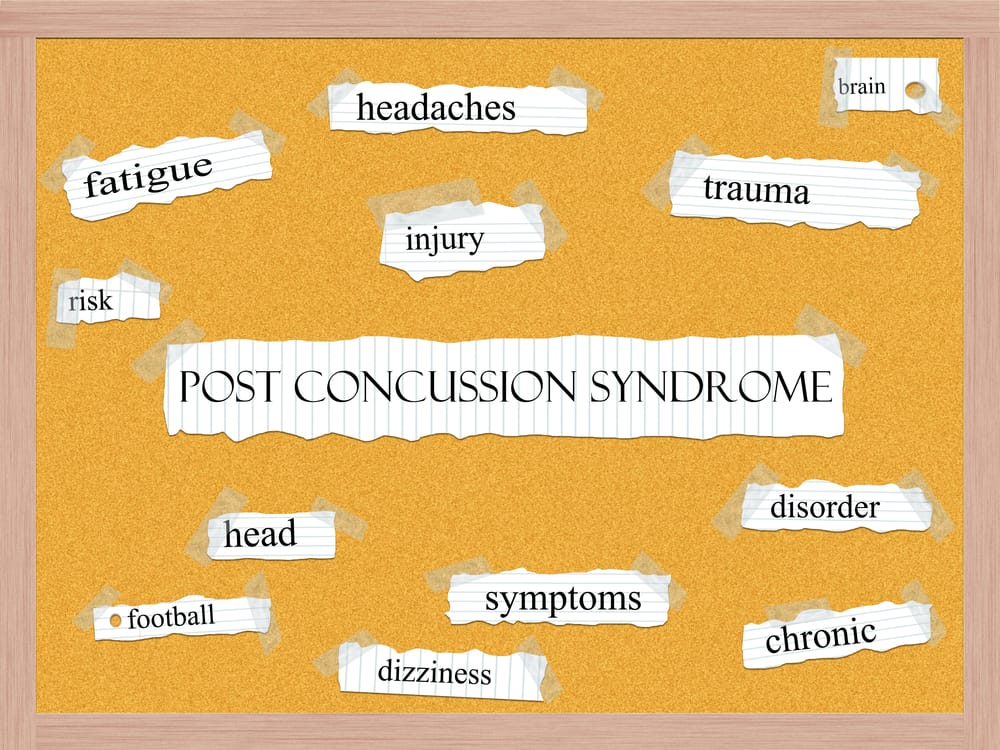
Understanding the complexities of post-concussion syndrome is essential for those experiencing lingering effects long after the initial injury. This look into the top 5 most common symptoms aims to shed light on the challenges faced by concussion survivors, along with mentioning the ground breaking work done at Moore MyoWorx in Guelph to provide tangible relief.

Introduction.

Post-concussion syndrome (PCS) often follows a head injury, even one initially deemed minor. Its persistent symptoms can significantly affect an individual’s daily life. A deeper insight into these symptoms empowers survivors to seek appropriate care and support.

Symptom 1: Headaches.

Headaches that arise after a concussion can vary widely in intensity and can sometimes mimic migraines or tension-type headaches. These headaches may be concentrated in specific areas or experienced across the whole head. Several potential causes include strain on the neck muscles or changes within the brain itself. Treatment might involve medication, physical therapy, and relaxation techniques.

Symptom 2: Dizziness and Balance Problems.

Dizziness and balance issues are not just physically disorienting; they also contribute to a loss of confidence in movement, impacting daily activities and overall quality of life. Vestibular rehabilitation and balance training exercises are among the management strategies that can help individuals regain stability and confidence.

Symptom 3: Cognitive Difficulties.

Cognitive impairments like memory lapses, shortened attention spans and difficulty processing information are hard-to-quantify symptoms of PCS. Affected individuals might benefit from cognitive behavioural therapy, engaging in brain-training exercises, and establishing routines to mitigate these impacts.

Symptom 4: Sleep Disturbances.

Restorative sleep becomes elusive for many with PCS. Whether it’s the inability to fall asleep, staying asleep, or sleeping too much, these disturbances exacerbate other PCS symptoms. Good hygiene, a consistent sleep schedule, and sometimes cognitive behavioural therapy for insomnia are recommended approaches to improve sleep.

Symptom 5: Emotional and Psychological Changes.

The emotional toll of PCS includes an increased susceptibility to mood swings, irritability, anxiety, and depression. Understanding and acknowledging these changes facilitates better personal coping mechanisms and enables reaching out for appropriate mental health support when necessary.

Specialized Clinics for Post-Concussion Syndrome.

Moore MyoWorx is renowned as one of the finest post-concussion syndrome clinics in Guelph for treating PCS. This exceptional facility offers a glimmer of hope to individuals grappling with the challenges of PCS. Through their specialized neuromuscular approach, the clinic aims to enhance blood flow, providing a level of symptom relief that surpasses traditional treatments.

Book Appointment
Bottom Line.

This compendium of the top post-concussion syndrome symptoms underscores the pertinence of professional guidance in navigating this multifaceted condition. At Moore MyoWorx, there’s a path forward for individuals who’ve traversed the routine avenues with limited success, offering a specialized methodology that addresses the nuances of PCS.

Recognizing these symptoms in oneself or others and taking informed, proactive steps towards management and treatment is paramount. After all, recovery from PCS is a journey—one that doesn’t have to be walked alone.


desktop

Last reviewed on April 11, 2026

How we reviewed this article:

ⓘ Sources

FreakToFit follows strict sourcing guidelines and relies on peer-reviewed studies, academic research institutions, and reputable medical organizations. We only use high-quality, credible sources to ensure the accuracy and integrity of our content.

🕖 History

Our experts continually monitor the health and wellness space, and we update our articles when new information becomes available

Current Version

Written by Jennifer Wirth (Health Expert), HE

Reviewed by Wendy Hunter

Updated: Apr 11, 2026

Feb 12, 2024

Written by Jennifer Wirth (Health Expert), HE

Reviewed by Wendy Hunter

The information shared in this article is for educational purposes only and should not replace professional medical consultation. Always speak with a qualified healthcare provider about any health concerns or treatments. Know More

Jennifer Wirth is an expert essayist and Website design enhancement expert with an emphasis on wellbeing, health, nurturing and magnificence. Know More. Learn about our editorial process.
34 article(s) published
Wendy Hunter, M.D., is an partner medical doctor at Children’s Primary Care Medical Group in La Jolla, California. She was once previously an accomplice professor...
Pediatrician
Was this article helpful?

How helpful was it?

Change

Thank you!

Your feedback has been sent successfully.

Leave a Comment

×
SUBSCRIBE TO GET LATEST FITNESS & NUTRITION UPDATES
Enter your email below and join us for fitness journey
opt-in image
Advertisement
Advertisement
Advertisement
Advertisement
Advertisement
Advertisement
Advertisement