















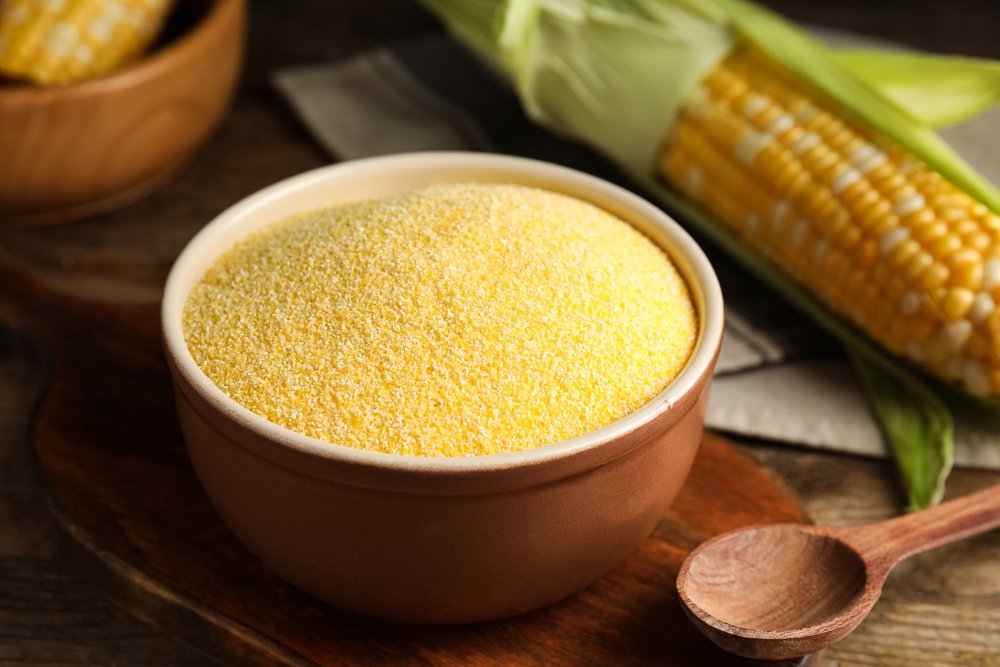
Cornbread هو طعام عالي الكربوهيدرات يعتمد فقط على مكوناته ، فهذا لا يعني أنه يمكنك الاستمتاع بهذا النعيم الجنوبي أم لا. ما يعنيه هذا هو أنك تقوم ببعض الأبحاث لفهم خبز الذرة بشكل أفضل وكيف يمكن أن يتناسب مع نظامك الغذائي. لفهم أفضل ، دعونا نلقي نظرة على مؤشر نسبة السكر في الدم في Cornmeal. ومع ذلك ، سنكتشف أيضًا أن دقيق الذرة سيء لمرضى السكر أم لا؟
ما هو مؤشر نسبة السكر في الدم من دقيق الذرة؟
دقيق الذرة هو المكون الرئيسي في خبز الذرة. من المهم أن نفهم المكونات الرئيسية بشكل أكبر لفهم التأثير العام لخبز الذرة بشكل أفضل. في الوقت نفسه ، يقال أنه أين تقع دقيق الذرة على مقياس GI؟
100 جرام من دقيق الذرة يحتوي على 362 سعرة حرارية و 3.5 جرام من الدهون و 76.9 جرام من الكربوهيدرات و 8.12 جرام من البروتين و 7.3 جرام من الألياف و 0.64 جرام من السكر الطبيعي.
تأتي معظم الكربوهيدرات من نسبة عالية من النشا في دقيق الذرة. ومع ذلك ، فإن 76.9 جرامًا من الألياف ستساعد كثيرًا في الهضم. كل هذه وضعت دقيق الذرة المدمج في الفئة الوسطى على مقياس GI ، ولكن بالكاد كان الأمر نفسه.
قصص ذات صلة
 كيف يستخدم كمبيوتر Watson التابع لشركة IBM الذكاء الاصطناعي (AI) في الرعاية الصحية؟
 6 طرق يمكن أن تساعد وسادات السرير المرضى الذين يعانون من سلس البول
يحدث الجهاز الهضمي لدقيق الذرة بين 68-69 اعتمادًا على الوصفات. (1) إذا قمت بطهيها بالماء، فإن المؤشر سيكون 68. النطاق الأعلى على المقياس يبدأ من 70. هل هذا يعني أن دقيق الذرة ضار لمرضى السكر؟
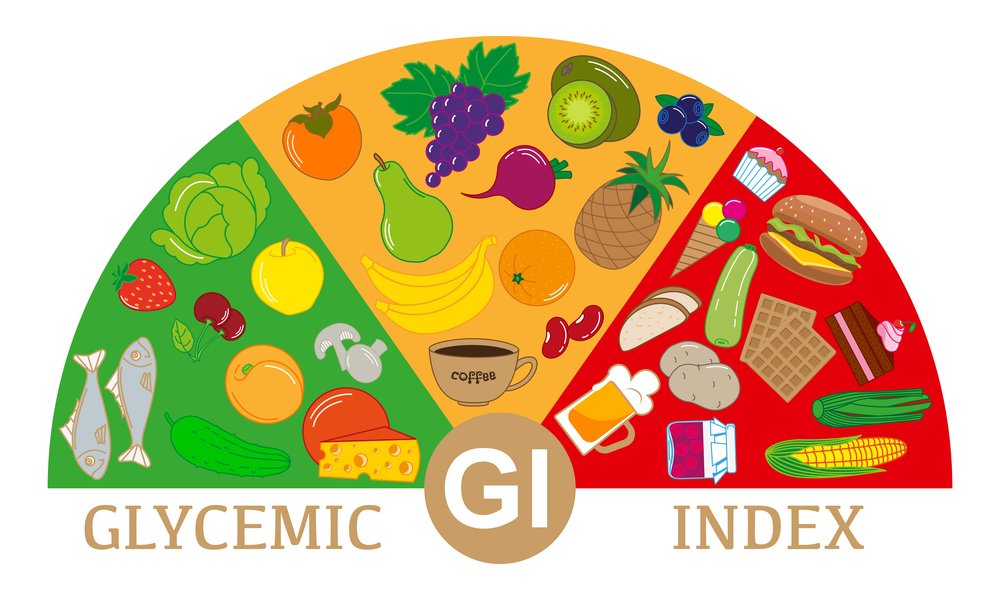
لا يوجد تصنيف محدد لخبز الذرة على مقياس GI لتحديد مدى سوء ذلك بالنسبة لك كمريض السكري أم لا. على الرغم من أنك مصاب بمرض السكر ، فأنت على دراية بالموارد المختلفة المتاحة لحساب هذا الرقم.
هل دقيق الذرة ضار لمرضى السكر؟
نعم، يمكنك تناول دقيق الذرة حتى لو كنت تعاني من مرض السكري. الذرة هي مصدر غني للطاقة والمعادن والفيتامينات والكثير من الألياف التي تعتبر فعالة لمرضى السكر.
يعتبر مؤشر GI لمرضى السكر أعلى قليلاً. أعني إذا كنت تخدم دقيق الذرة بمفردك ،, سكر الدم سوف ترتفع المستويات بشكل حاد. بطبيعة الحال ، سترغب في موازنة ذلك مع وجبة جيدة.
الذرة نفسها ثروة صحية فوائد عظيمة لجسمك. الذرة ليست فقط منخفضة الدهون والصوديوم، ولكنها أيضا مصدر كبير للمعادن والفيتامينات والألياف.
يأتي دقيق الذرة في ثلاثة أنواع مختلفة: الأصفر والأبيض والأزرق. التنوع الأصفر هو الأكثر شعبية. عند اختيار دقيق الذرة ، يمكنك أيضًا الاختيار من بين القطع الدقيقة والمتقشرة والمعتادة.
الشيء الثاني الذي يجب مراعاته هو العملية التي صيغت فيها. يمكنك الاختيار بين الأرض الحجرية أو المكسوة بالبرعم. تعتبر الأرض الحجرية صنفًا أقل معالجة صحية وبالتالي يحتوي على المزيد وجبات خفيفة, وله طعم أكثر ثراءً من الأصناف غير المنبتة.
في الأساس ، دقيق الذرة كمريض السكري ليس بالضرورة مناسبًا لك. يمكن تركيبه في أي طعام مع ضبط النفس مثل معظم الأطعمة. الجواب البسيط هو أن مرضى السكري يمكنهم تناول دقيق الذرة.
Nutritional Benefits of Cornmeal for People With Diabetes.
Cornmeal is made from dried and ground corn. It is a versatile ingredient used in several dishes, including cornbread, porridge, polenta, tortillas, and baked foods.
Although cornmeal contains carbohydrates, it also provides nutrients that can contribute to a balanced diet.
Let’s explore some of its nutritional benefits.
1. Dietary Fibre.
Cornmeal contains dietary fibre, which supports digestive health and helps maintain regular bowel movements. Fibre can also slow the absorption of carbohydrates, depending on the food preparation and overall meal composition.
Including fibre-rich foods in a diabetic diet may help support better blood glucose management.
2. Essential Minerals.
Cornmeal provides minerals such as magnesium, phosphorus, and iron. These nutrients support several important bodily functions, including energy metabolism, bone health, and oxygen transportation.
3. B Vitamins.
Cornmeal contains certain B vitamins, including thiamine and niacin, which contribute to normal energy metabolism and nervous system function.
However, nutrient levels can vary depending on whether the cornmeal is whole-grain, degerminated, or enriched.
4. Plant-Based Energy.
Cornmeal is primarily a carbohydrate-rich food. Carbohydrates provide energy for daily activities and physical exercise.
For people with diabetes, the important consideration is not necessarily avoiding carbohydrates but choosing appropriate portions and balancing them with protein, fibre, and healthy fats.
How Does Cornmeal Affect Blood Sugar Levels?
The effect of cornmeal on blood glucose depends on several factors, including the type of cornmeal, cooking method, portion size, and foods eaten alongside it.
Since cornmeal contains a significant amount of starch, it can increase blood glucose levels after consumption.
However, the response is not identical for everyone.
Here are some factors that influence its effect on blood sugar.
1. Portion Size.
The amount of cornmeal consumed is one of the most important factors.
A small serving may have a different effect on blood glucose compared with a large bowl of cornmeal porridge or several pieces of cornbread.
Controlling portions can help manage the total carbohydrate intake of a meal.
2. Cooking Method.
The way cornmeal is prepared can influence how quickly its starch becomes available for digestion.
For example, finely ground cornmeal cooked into a soft porridge may produce a different blood glucose response from a coarser preparation.
Cooking, cooling, and reheating can also influence starch characteristics, although the effect varies with the food and preparation method.
3. Food Combinations.
Eating cornmeal with protein, healthy fats, and fibre-rich vegetables may help moderate the overall blood glucose response compared with eating a large portion of cornmeal alone.
For example, pairing a modest serving of polenta with tofu, beans, or vegetables can create a more balanced meal.
4. Individual Insulin Response.
People with diabetes can respond differently to the same food.
Factors such as insulin sensitivity, medication, physical activity, sleep, and the timing of meals can influence post-meal glucose levels.
Therefore, monitoring your personal blood glucose response can be helpful.
Best Types of Cornmeal for Diabetics.
Not all cornmeal products have identical nutritional profiles.
Choosing a less processed variety can help improve the overall nutritional quality of your diet.
Here are some common options.
1. Whole-Grain Cornmeal.
Whole-grain cornmeal contains the bran, germ, and endosperm of the corn kernel.
It generally provides more fibre and nutrients than degerminated cornmeal.
Its fibre content can make it a useful option for people looking to improve the nutritional quality of their meals.
2. Stone-Ground Cornmeal.
Stone-ground cornmeal is traditionally produced by grinding dried corn between stones.
Depending on the manufacturing process, it may retain more of the natural components of the corn kernel.
Check the product label to ensure that it is genuinely whole-grain, as stone-ground labelling alone does not guarantee that the entire grain is retained.
3. Yellow Cornmeal.
Yellow cornmeal contains carotenoids, including lutein and zeaxanthin, which are associated with eye health.
It can be used in several recipes, including porridge, cornbread, and savoury dishes.
4. Blue Cornmeal.
Blue cornmeal contains naturally occurring plant pigments called anthocyanins.
These compounds have antioxidant properties and contribute to the distinctive colour of blue corn.
However, blue cornmeal is not automatically lower in carbohydrates or better for blood sugar management than other varieties.
Healthy Ways to Eat Cornmeal When You Have Diabetes.
People with diabetes do not necessarily need to eliminate cornmeal from their diet.
Instead, focus on preparing it in a way that supports balanced nutrition and appropriate carbohydrate intake.
Here are some practical ideas.
1. Prepare Vegetable Polenta.
Cook a moderate portion of cornmeal with water and combine it with vegetables such as spinach, broccoli, mushrooms, and capsicum.
Add tofu or paneer to increase the protein content.
2. Make Whole-Grain Cornmeal Porridge.
Prepare porridge using whole-grain cornmeal and an unsweetened milk alternative or regular milk.
You can add chia seeds, nuts, and cinnamon for additional nutrients and flavour.
Avoid adding large quantities of sugar, honey, or sweetened condensed milk.
3. Try Homemade Cornmeal Flatbread.
You can prepare a small cornmeal flatbread and serve it with dal, curd, or vegetable curry.
Adding protein-rich foods and vegetables helps make the meal more balanced.
4. Prepare Healthy Cornbread.
When preparing homemade cornbread, consider using whole-grain cornmeal and reducing added sugar.
You can also incorporate vegetables or seeds to improve its nutritional profile.
Pay attention to the serving size because even homemade cornbread can contain substantial carbohydrates.
Cornmeal vs Wheat Flour: Which Is Better for Diabetics?
Both cornmeal and wheat flour can be included in a diabetes-friendly eating pattern. However, their nutritional properties differ depending on the type and processing method.
| Nutritional Factor | Whole-Grain Cornmeal | Whole-Wheat Flour |
|---|---|---|
| الكربوهيدرات | Relatively high | Relatively high |
| Dietary fibre | Contains fibre | Contains fibre |
| بروتين | اعتدالي | Generally higher |
| الغلوتين | خالي من الغلوتين بشكل طبيعي | يحتوي على الغلوتين |
| المغنيسيوم | Provides magnesium | Provides magnesium |
| Cooking uses | Porridge, polenta, cornbread | Chapati, bread, baking |
Neither option is automatically better for blood glucose control.
The most important factors are the total carbohydrate content, serving size, degree of processing, and overall composition of the meal.
For people with diabetes, choosing whole-grain varieties and controlling portions are more useful strategies than relying on the name of a particular grain.
How Much Cornmeal Can a Diabetic Eat?
There is no single recommended serving size of cornmeal for everyone with diabetes.
The appropriate amount depends on individual carbohydrate requirements, medication, physical activity, blood glucose targets, and the rest of the meal.
For example, a small serving of cooked polenta may fit into one person’s meal plan, while another person may need a different portion.
A practical approach is to:
- Check the carbohydrate content on the product label.
- Measure your serving instead of estimating it.
- Avoid combining large portions of cornmeal with other high-carbohydrate foods.
- Include vegetables and a suitable protein source.
- Monitor your blood glucose response after meals.
The American Diabetes Association recommends individualised nutrition planning rather than following a single restrictive diet for everyone.
Who Should Be Careful While Eating Cornmeal?
Although cornmeal can be included in many healthy diets, certain individuals should pay particular attention to their intake.
1. People With Poorly Controlled Blood Sugar.
If your blood glucose levels are frequently above your target range, discuss suitable carbohydrate portions with your healthcare provider or dietitian.
2. People With Corn Allergies.
Individuals with a confirmed corn allergy should avoid cornmeal and other products containing corn ingredients.
3. People Following a Low-Carbohydrate Diet.
Cornmeal contains substantial carbohydrates. Therefore, individuals following a medically recommended carbohydrate-restricted eating plan should account for its carbohydrate content.
4. People With Digestive Sensitivities.
Some individuals may experience digestive discomfort when consuming certain corn products, particularly in large quantities. Portion adjustments may help, depending on the underlying cause.
Tips to Include Cornmeal in a Diabetes-Friendly Diet.
If you enjoy cornmeal, you can follow these simple strategies to make it part of a balanced eating pattern:
- Choose whole-grain cornmeal whenever possible.
- Avoid adding excessive sugar or sweeteners.
- Combine cornmeal with protein-rich foods.
- Include non-starchy vegetables in your meals.
- Control your portion sizes.
- Avoid frequently consuming highly processed cornmeal snacks.
- Monitor your post-meal blood glucose levels to understand your individual response.
Remember, the objective is to maintain a balanced diet rather than completely eliminating foods that contain carbohydrates.
A registered dietitian can help you determine how cornmeal fits into your individual nutritional requirements.
الخلاصة.
Cornmeal is not necessarily bad for people with diabetes. Although it contains a significant amount of carbohydrates and may increase blood glucose levels, it can still be included in a balanced diabetes-friendly diet when consumed in appropriate portions. Choosing whole-grain cornmeal, avoiding excessive added sugar, and combining it with protein-rich foods, healthy fats, and fibre-rich vegetables can help improve the overall nutritional quality of your meals.
Remember, portion control and individual blood glucose monitoring are essential. Everyone responds differently to carbohydrate-containing foods, so pay attention to how your body reacts after eating cornmeal. If you have diabetes, consult your healthcare provider or registered dietitian to determine the appropriate serving size according to your nutritional needs and blood glucose targets. The key is not to eliminate cornmeal completely, but to enjoy it wisely as part of a healthy and balanced diet.
+1 مصدر
لدى Freaktofit إرشادات صارمة بشأن المصادر وتعتمد على الدراسات التي راجعها الأقران ومعاهد البحوث التعليمية والمنظمات الطبية. نتجنب استخدام المراجع من الدرجة الثالثة. يمكنك معرفة المزيد حول كيفية ضمان دقة المحتوى الخاص بنا وتحديثه من خلال قراءة سياسة التحرير.