
































 Workout

 Meditation


 Podcast
 E-book


The Fast Facts
- Pilates is a center which insists on the importance of the essential part of the body with a focus on good posture and spinal support, in addition to the abdominal muscles.
- The authors of a paper published in Journal of Bodywork and Movement Therapies have observed a significant influx of insulin sensitivity in women with PCOS who have taken part in Pilates exercises compared to the controlled ones.
- The presence of stress symptoms in PCOS is a reason for the deterioration of these symptoms caused by the lack of the hormonal balance in the body.

Polycystic ovary syndrome (PCOS) is a widespread condition predominantly affecting women around the globe and arises from the hormonal imbalance which can cause plenty of problems related to health. Despite the fact that PCOS has no medicine, it is vital to control one’s symptoms to achieve general health. Pilates is an exercise that is currently getting popularity among the sufferers of PCOS. It’s not only kind, but also effective to do such an exercise, and it ensures you to be more flexible, healthy and powered. This article gives a thorough overview of the benefits of Pilates for women with PCOS, supported by research, the tips of health professionals, and clear advice from practical experience.
Understanding PCOS.
One of the major hormonal disturbances is polycystic ovary syndrome (PCOS) which has symptoms given by irregular sets of periods, excess androgen, and polycystic ovaries, respectively. It attacks a variety of systems in the body that produce the symptoms such as:
- Periods at irregular intervals.
- Excessive hair growth.
- Acne.
- Gaining weight.
- Infertility.
The introduction of the complex method of medication, in particular, when considering PCOS, involves the following three parts: non-invasive therapy, drug therapy, and surgery accompanied by psychotherapy are used in all the actions.
Related Stories
 Effective Weight Loss Sports For Children
 Do You Warm Up Your Mind? Why Mental Preparation Matters as Much as Physical Warm-Ups
The Role of Exercise in PCOS Management.
The regular workout is one of the basic things that the women having PCOS can never do without, and it aids women with PCOS in the following aspects:
1 Regulate Weight: Weight that is in excess exacerbates the symptoms of PCOS by bringing forth insulin resistance and libido hormone levels
Doing exercise, including Pilates, is essential for weight control.
2 Improve Insulin Sensitivity: PCOS is a condition that is often connected with insulin resistance, in other words, cells are less sensitive to the hormone insulin. The ability of the body to handle insulin is enhanced by doing exercises, which in turn reduces the danger of type 2 diabetes.
3 Regulate Hormones: Physical activity is one of the ways to stabilize the levels of hormones, including androgen and estrogen, that are common in women with PCOS and are almost always impaired.
Why Pilates?
Pilates is a low-impact form of exercise that concentrates on building of the muscles, stretching and awareness of the body. It has several benefits to the women with PCOS:
1 Gentle Yet Effective: Pilates exercises are the best choice to be protective of the joints as they are sensitive. These kinds of exercises enable even the less fit person to practice although they have an injury or joint pain that is a usual symptom of PCOS.
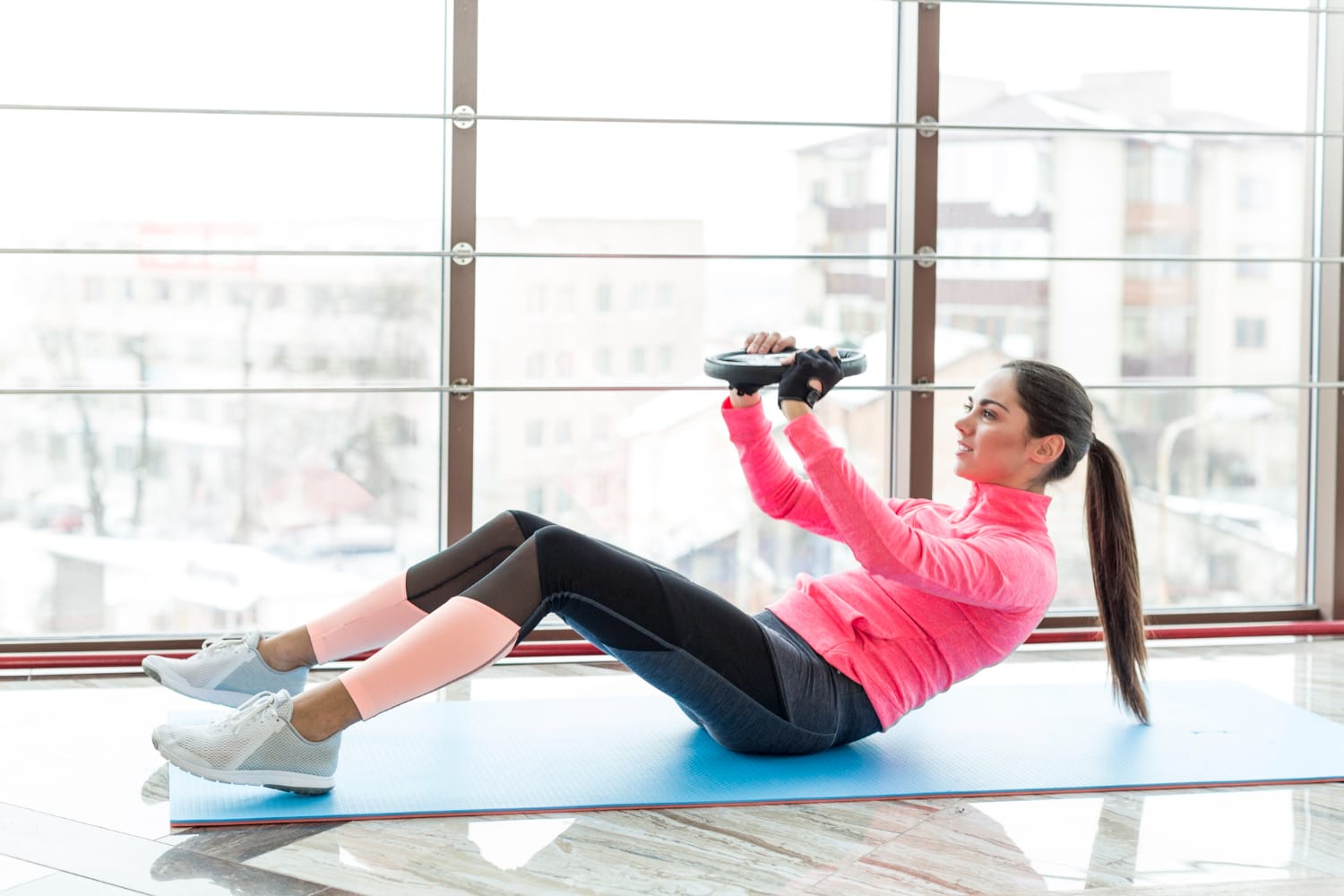
2 Core Strengthening: It is very likely that the disease is associated with the build-up of fat in the belly area, and this would subsequently cause the appearance of several metabolic complications. Pilates is a center which insists on the importance of the essential part of the body with a focus on good posture and spinal support, in addition to the abdominal muscles.
3 Stress Reduction: The presence of stress symptoms in PCOS is a reason for the deterioration of these symptoms caused by the lack of the hormonal balance in the body. The body can use breathing techniques, and mental techniques that lead to a mindfulness state for relaxation, and release the stored stress by performing Pilates exercises.
Scientific Evidence Supporting Pilates for PCOS.
A lot of research has been done to see if Pilates may help to get rid of PCOS and it has turned out to be positive in this regard:
1 Improved Insulin Sensitivity: The authors of a paper published in Journal of Bodywork and Movement Therapies have observed a significant influx of insulin sensitivity in women with PCOS who have taken part in Pilates exercises compared to the controlled ones.(1)
2 Weight Management: A study conducted and submitted to the Journal of Physical Therapy Science showed that Pilates training resulted in improvement in body weight, body fat percentage, and waist-to-hipratio in women with PCOS.(2)
3 Menstrual Regulation: In a pilot study, the International Journal of Women Health, and Reproduction Sciences documented that regular Pilates exercise led to regular menstruation in the women with PCOS.(3)

Expert Insights: Interview with Dr. Sarah Johnson, MD, OB-GYN.
Our team had a meeting with Dr. Sarah Johnson, an OB/GYN with a lot of experience in treating PCOS, and we talked about the role of Pilates in PCOS care.
Q: How does Pilates complement traditional PCOS treatments?
Dr. Johnson: The main idea behind Pilates is to successfully manage PCOS thanks to its two-pronged approach to both a person’s mental and physical health. One of these perks is that it makes women’s cores stronger, a powerful tool to correct insulin resistance and obesity. Besides this, mental wellness gained from Pilates and its effects of the mind-body connection help to manage stress, which in turn, is a very important pert when it comes to hormonal balance.
Q: What advice do you have for women considering Pilates for PCOS?
Dr. Johnson: I would suggest that women having PCOS take up Pilates as part of their exercises and also try out other physical activities. Initially, try it out slowly; pay attention to your body and find a good instructor who will make it easy for you to meet your needs. Consistency is the key to success because the more frequently you do Pilates, the more you are taking care of your body and eventually reaping the long-term benefits.
Frequently Asked Questions.
On the one hand, Pilates serves as a tool to promote general health and well-being, but as for its direct effect on PCOS, which is only associated with women, research findings are insufficient. Still, Pilates might come to the rescue if it supports weight control, hormone equilibration, and reduction of stress levels as all these factors directly influence fertility.
Definitely, Pilates is proven to be a safe and effective exercise method that is ideal for people with joint pain, including those associated with PCOS. Despite the above, a more practical way to go about it is to find someone who can guide you through the exercises in case you have such limitations or are in pain.
You should do at least two or three Pilates sessions weekly in order to feel stronger and not only to have flexibility or stress reduction but also to see benefits in general. Remember, that sticking to it is crucial; hence, find such a schedule and keep it.
Bottom Line.
To summarize, this workout method of Pilates can greatly assist in the cure of PCOS symptoms through the fact that it increases strength, flexibility and mental wellness. With the support of research and expert opinions, Pilates covers the spot of a very important part of the care program for PCOS. The main goal will be weight control, hormone level regulation, or just relief from stress, and here is a method which is gentle and at the same time effective for the women of PCOS – Pilates exercise.
It is good to be aware and keep in mind that the first step will be communicating with your healthcare professional before becoming part of any exercise plan, more specifically when dealing with health conditions such as PCOS. Pilates, if done consistently, can be a very powerful tool for promoting health and being healthy in your journey with PCOS, and this in a gentle and natural way.
+3 Sources
Freaktofit has strict sourcing guidelines and relies on peer-reviewed studies, educational research institutes, and medical organizations. We avoid using tertiary references. You can learn more about how we ensure our content is accurate and up-to-date by reading our editorial policy.
- The effect of a three month, low-load- high-repetitions group-based exercise program versus pilates on physical fitness and body composition in inactive women; https://www.researchgate.net/publication/344535556_The_effect_of_a_three_month_low-load-_high-repetitions_group-based_exercise_program_versus_pilates_on_physical_fitness_and_body_composition_in_inactive_women
- A six-week pilates exercise protocol for improving physical and mental health-related parameters; https://www.researchgate.net/publication/326182942_A_six-week_pilates_exercise_protocol_for_improving_physical_and_mental_health-related_parameters
- The Effect of Exercise on Inflammatory Markers in PCOS Women: A Systematic Review and Meta-Analysis of Randomized Trials; https://pmc.ncbi.nlm.nih.gov/articles/PMC9934983/