




































 treino

 meditação


 podcast
 e-book


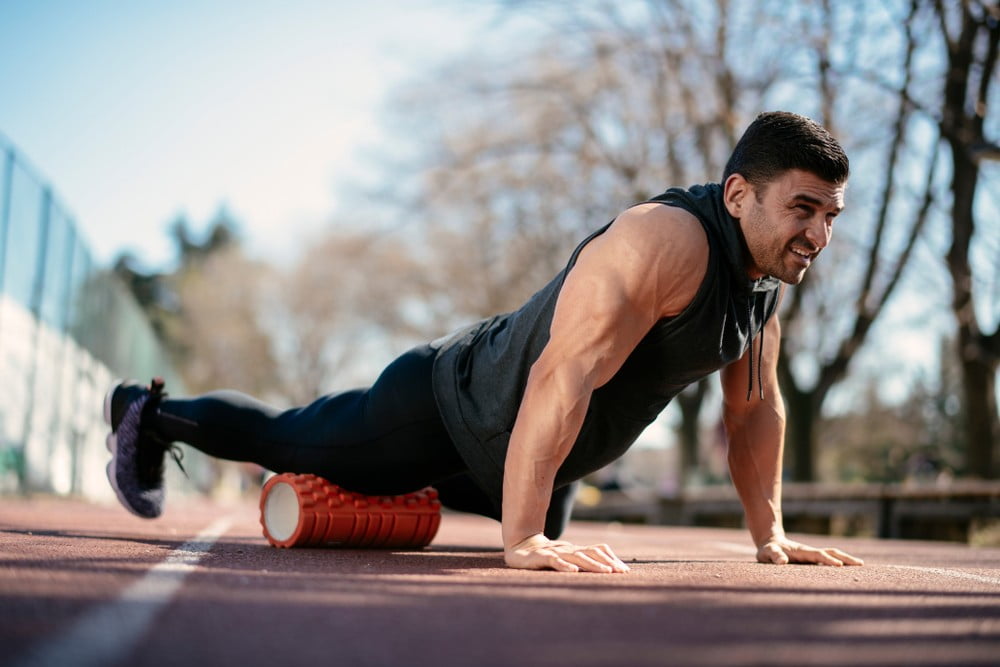
Alongamento é muito importante após o treino. Ele relaxa os músculos e remove a dor muscular. O alongamento aumenta o fluxo sanguíneo nos músculos e leva à flexibilidade. Também reduz as chances de lesão ou dor. Além do alongamento, existe uma maneira que pode dar muito conforto aos seus músculos. que é “rolamento de espuma”.
A academia tem muitas ferramentas que as pessoas geralmente ignoram completamente. O rolo de espuma também é um deles. De acordo com uma pesquisa publicada no Journal of Athletic Training, a espuma rolar após os treinos reduz a dor em 72 horas. (1)
Embora esteja sendo usado há muito tempo, pode falar que muitas pessoas ainda não estão cientes de seus benefícios nas academias. Então, hoje vamos fornecer todas as informações sobre ele que podem ajudá-lo muito.
O que é rolo de espuma e rolamento de espuma?
O rolo de espuma é um rolo semelhante a um tubo, cerca de 1,5 a 2 pés ou (18-24 polegadas). É uma técnica de liberação auto-miofascial, ou seja, massagem de massa de tecido.
Histórias relacionadas
 O que aprendi com a dieta OnlyFans da Alilinity e a transformação da forma física
 Hailee Steinfeld vazou de plano de treino e nutrição: como ela se mantém forte e energizada
Liberação miofascial é uma técnica de carroceria. Esta técnica torna os tecidos macios e longos, e também é eficaz para os tecidos entre a pele, os músculos e os ossos. As aderências também são quebradas. Estes são basicamente usados por fisioterapeutas e atletas para melhorar recuperação muscular.
| Leia agora: 10 variações essenciais de flexões com etapas |
Por que o rolamento de espuma é necessário?
Após o exercício, os músculos estão encolhendo. Após o que é necessário rolar espuma para trazê-los de volta à sua posição inicial.
Sem isso, seu músculo ficará encolhendo. Isso faz com que as articulações se esticam e começam a doer devido ao encolhimento dos músculos. Depois disso, os músculos começam a arrastar as articulações de lado. Agora é natural ter dor. O rolamento de espuma é muito importante para que o alinhamento do corpo possa piorar devido ao alto alongamento.
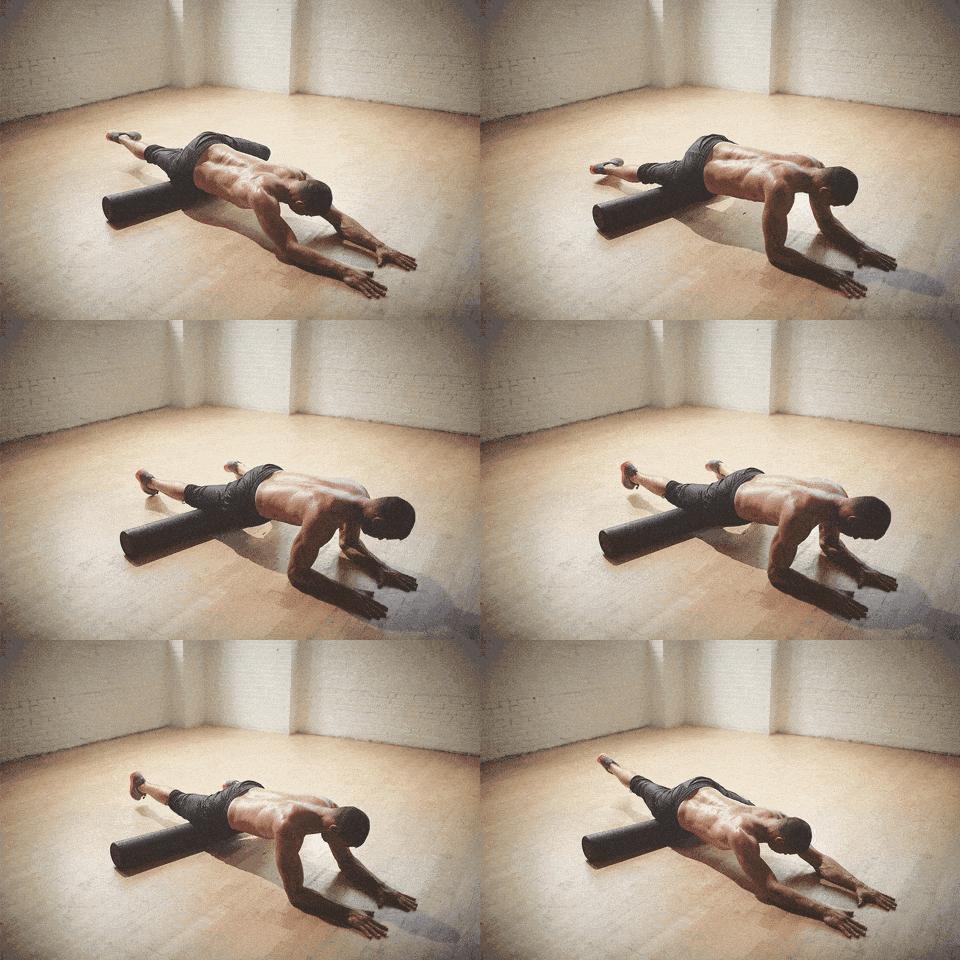
De acordo com um estudo sobre 8 pessoas, a espuma rolante após o exercício ajudou em grande medida a dor. Eles estavam rolando por apenas 20 minutos em 24 a 48 horas de treinos.
| Leia agora: 10 treino em casa que pode ser feito com tijolos |
Quando deve ser feito?
É recomendado realizar este exercício antes e depois do treino. Fazer isso antes do treino leva a um aquecimento e reduz a probabilidade de lesões durante a sessão de treinamento.
Após os treinos, reduz a dor muscular e torna os músculos dos músculos flexíveis, o que confere muito conforto e pode ajudar a reduzir o risco de criar novo colágeno entre os músculos.
Qual deve ser o rolo de espuma?
Existem muitos tipos de rolos no mercado, mas você deve selecionar um bom rolo de acordo com suas necessidades. Você também pode seguir o conselho do seu treinador.
O rolo pode ser dividido em 4 partes principais, como;
rolo liso: Sua superfície é lisa e geralmente usada por iniciantes. Também é mais barato.
rolo texturizado: Tem um padrão semelhante a uma forca na sua superfície. Ele cura profundamente os músculos e reduz a dor.
bastão de massagem coberto com espuma: É usado para rolar na perna ou na parte superior das costas.
bola de massagem de espuma: Este tem como alvo os músculos pequenos. como ombros e bíceps etc.
Como fazer rolagem de espuma?
É absolutamente bom se você já fizer isso, mas se você nunca fez esse exercício, primeiro precisa aprender exatamente o caminho ou se estiver rolando na academia, também poderá obter informações sobre isso com seu treinador.
Deve começar sempre por criar uma leve pressão. Se você está fazendo isso pela primeira vez e seus músculos estão duros, você pode definitivamente sentir alguma dor. Coloque menos pressão no rolo para evitar isso.
Faça isso inicialmente por 20 segundos e, em seguida, aumente o limite de tempo depois de 40 a 60 segundos.
Vantagens do rolamento de espuma.
- A espuma rolante pode ajudar a relaxar os músculos e o inchaço em grande medida.
- O rolamento de espuma aumenta o fluxo sanguíneo nos músculos e aumenta a quantidade de oxigênio no sangue.
- Aumenta significativamente o limite de velocidade (amplitude de movimento) do corpo e você saberá muito bem que flexibilidade e desempenho exigem amplitude de movimento.
- Se alguém tiver dores nas costas durante os treinos ou por qualquer outro motivo, isso pode reduzir a dor em grande medida. Portanto, os treinadores geralmente recomendam a espuma rolante após outros exercícios pesados, como levantamento terra e agachamento.
- Sintomas da Fibromialgia pode ser reduzido em grande medida. A fibromialgia é uma condição em que a dor e a fadiga são sentidas em todo o corpo.
- Segundo um estudo do Escola de Cinética Humana e Recreação, Memorial University of Newfoundland, St. Johns, Canadá (Universidade Memorial de Newfoundland, St. John's, Canadá), ‘O rolamento de espuma reduz efetivamente DOMs e erosão associada’.
- Uma revisão de 14 estudos publicados na Centro Nacional de Informações sobre Biotecnologia Diz: “O rolamento de espuma é benéfico para aumentar a flexibilidade e reduzir a dor antes e depois do exercício. Então, você pode dizer que o rolamento de espuma é baseado na ciência. (2)
Cuidados para o rolamento de espuma.
- Enquanto estiver espumando, lembre-se de que não coloque peso no rolo no início. Caso contrário, você pode ter mais dor.
- Mantenha o equilíbrio do corpo com as mãos enquanto rola, caso contrário, você pode cair.
- Aprenda a maneira correta de rolar espuma, seguindo os conselhos de um especialista.
- Evite rolar em órgãos que estão feridos ou torcidos, etc.
- Existem muitos tipos de rolos de espuma no mercado. Mas você deve escolher rolos macios ou duros de acordo com os conselhos do seu treinador e seu tipo de corpo.
- Mantenha a velocidade enquanto rola antes dos treinos, mas rolar lentamente após os treinos é a maneira certa.
- Rolar pelo menos 5 a 8 minutos antes dos treinos e 10 a 20 minutos após os treinos.
| Leia agora: Quantos dias para treinar para ficar em forma |
Perguntas frequentes.
Com certeza, o treino de rolamento de espuma é um excelente exercício. No entanto, embora não seja um exercício luxuoso, ele tem vários benefícios para a saúde, como quebra aderências, reduz a rigidez, diminui o desconforto, aumenta o fluxo sanguíneo e reduz a tensão entre o tecido que aumenta o desempenho e a recuperação muscular.
Enquanto o rolamento de espuma ajuda a relaxar a rigidez do corpo e libera a tensão nos músculos, você também pode praticar este exercício para os isquiotibiais, pois o rolamento da espuma aumenta a circulação sanguínea e tonifica os isquiotibiais relaxando os grupos musculares ao seu redor. Pratique-o da seguinte maneira;
Passo 1.
Em primeiro lugar, um rolo de espuma sob sua perna e leve seu corpo para trás e para frente, do glúteo ao joelho.
Passo 2.
Depois disso, faça isso por 30 segundos a 1 minuto e troque as pernas.
Você pode doer durante este treino, se seus músculos estiverem rígidos. Você deve diminuir a quantidade de peso corporal para reduzir a pressão sobre o músculo. Por exemplo, se você estiver mirando no bezerro, deverá usar os braços para apoiar o corpo e tirar algum peso do rolo de espuma.
Sim, o exercício de rolamento de espuma pode causar lesões, se você tiver uma lesão muscular grave, como rasgo muscular ou quebra muscular. Nesse caso, você deve consultar seu médico ou fisioterapeuta. Além disso, você deve evitar rolar sobre pequenas articulações, o que pode causar hipertensão ou danos nos cotovelos, joelhos e tornozelos.
Sim, de acordo com o estudo, o exercício de rolamento de espuma pode diminuir a presença de celulite, pois afeta positivamente a fáscia, que é o tecido conjuntivo que cobre todo o corpo. No entanto, se a fáscia for fraca, a gordura se incha por ela, o que causa a presença irregular da celulite.
Sim, este treino é um treino seguro, que libera a tensão dos músculos, reduz a dor muscular e também aumenta a amplitude de movimento e desenvolve flexibilidade. No entanto, você deve evitar o rolamento de espuma se tiver uma lesão muscular grave, como uma ruptura muscular ou uma lesão nas articulações. Neste caso, você deve consultar seu médico ou treinador.
linha de fundo.
Rolagem de espuma geral para seus grupos musculares e você deve fazer este exercício antes e depois de cada sessão de treino. Mas lembre-se de que não rolar em órgãos delicados ao fazê-lo. Caso contrário, pode doer. Consulte um especialista ou seu treinador para obter mais informações.
+2 de fontes
A FreaktoFit tem diretrizes rígidas de sourcing e conta com estudos revisados por pares, institutos de pesquisa educacional e organizações médicas. Evitamos o uso de referências terciárias. Você pode aprender mais sobre como garantimos que nosso conteúdo seja preciso e atualizado, lendo nosso política editorial.
- Rolagem de espuma para dor muscular de início tardio e recuperação de medidas dinâmicas de desempenho; https://www.ncbi.nlm.nih.gov/pmc/articles/PMC4299735/
- Os efeitos da liberação automiofascial usando um rolo de espuma ou massageador de rolos na amplitude de movimento articular, recuperação muscular e desempenho: uma revisão sistemática; https://pubmed.ncbi.nlm.nih.gov/26618062/