



















Constipation is a common problem that affects millions of people worldwide. It can be uncomfortable, painful, and even lead to serious health issues if left untreated. While there are various methods and remedies to alleviate constipation, one surprising yet effective way to track your progress is by weighing yourself. Yes, you read that right! Weighing yourself when constipated can provide amazing benefits that can help you better understand your body and promote a healthier lifestyle. In this article, we will explore the surprising advantages of monitoring your weight during constipation and how it can contribute to your overall well-being.
10 Benefits of Weighing Yourself When Constipated.
1. Early detection of potential health issues.
Weighing yourself when constipated can help identify any sudden or unexplained weight gain, which may indicate an underlying health problem that needs attention.
2. Monitoring fluid retention.
Constipation can sometimes lead to fluid retention, causing temporary weight gain. Regularly weighing yourself can help track and manage fluid levels, ensuring your body is properly hydrated.
3. Motivation for healthy lifestyle changes.
Seeing the numbers on the scale when constipated can serve as a wake-up call, motivating you to make positive changes to your diet and exercise routine to promote regularity and overall well-being.(1)
Related Stories
 Acupressure Points for Belly Fat Loss
 How to Look After Your Spine: A Comprehensive Guide to Maintaining a Healthy Back
4. Enhanced awareness of dietary habits.
Consistently weighing yourself during constipation can make you more aware of how certain foods affect your body and digestion. You can then make informed decisions to include more fiber-rich foods in your diet and avoid triggers that worsen constipation.
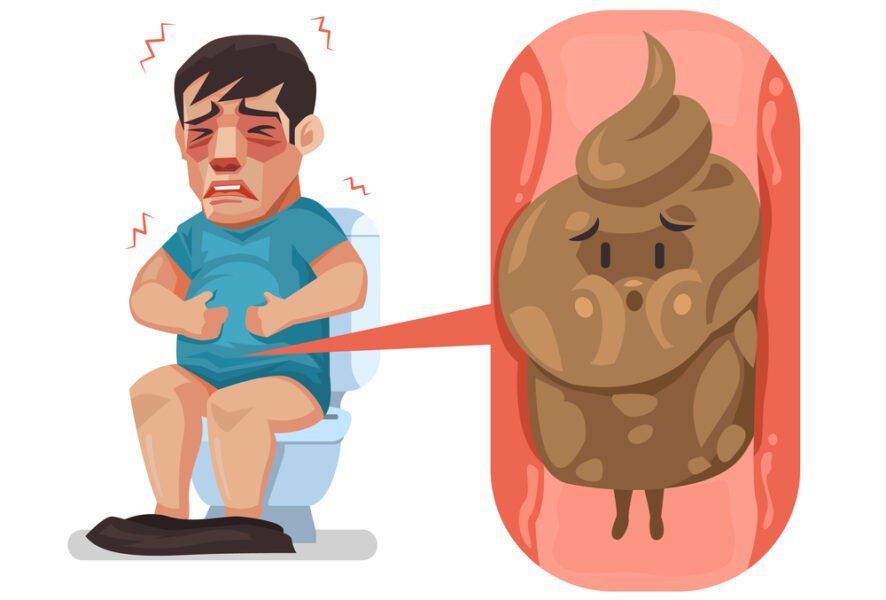
5. Tracking progress.
Weighing yourself during bouts of constipation allows you to monitor your progress over time. By recording your weight regularly, you can evaluate the effectiveness of different remedies or lifestyle modifications in relieving constipation.
6. Psychological relief.
Constipation can often cause discomfort, bloating, and even anxiety. Weighing yourself can provide a sense of relief, as it helps you understand that the weight gain is temporary and related to your digestive issues rather than true weight gain.
7. Identifying patterns.
By weighing yourself when constipated, you may notice patterns in your body’s response to different factors such as stress or certain foods. This understanding can help you make more informed choices about what to consume and how to manage your constipation.
8. Building a healthy relationship with your body.
Regularly weighing yourself when constipated promotes self-awareness and helps build a healthier relationship with your body. It encourages you to view weight fluctuations as a natural part of the body’s functioning rather than something to be overly concerned about.
9. Empowerment through self-care.
Taking the initiative to weigh yourself when constipated shows a commitment to self-care and overall well-being. It allows you to actively participate in managing your digestive health and take necessary steps to alleviate constipation.
10. Improved overall health.
By addressing and managing constipation through regular weighing, you can alleviate discomfort, promote regular bowel movements, and improve your overall digestive health. This, in turn, contributes to better overall health and well-being.
Bottom Line.
Weighing yourself when constipated can provide surprising benefits beyond just monitoring your weight. It can offer valuable insights into your digestive health and help you identify potential issues and make necessary lifestyle adjustments.
By regularly tracking your weight, you can better understand the relationship between constipation and weight fluctuations, as well as the effectiveness of various remedies or dietary changes you may try.
Additionally, weighing yourself during constipation can serve as a motivator to adopt healthier habits and maintain a balanced lifestyle. While it may seem unconventional, incorporating this practice into your routine could lead to improved overall well-being and a better understanding of your body’s needs.
+1 Source
Freaktofit has strict sourcing guidelines and relies on peer-reviewed studies, educational research institutes, and medical organizations. We avoid using tertiary references. You can learn more about how we ensure our content is accurate and up-to-date by reading our editorial policy.
- Eating, Diet, & Nutrition for Constipation; https://www.niddk.nih.gov/health-information/digestive-diseases/constipation/eating-diet-nutrition