


















Irritable bowel syndrome (IBS) is a problem of the digestive system, which can affect (especially large intestine) for a long time. Symptoms of IBS may altered in different patients. The two most common symptoms are constipation and diarrhea. Other symptoms of IBS includes pain and discomfort in the lower abdomen, flatulence and gas problems. However, according to the study those symptoms of irritable bowel syndrome can be suppressed through regular exercise.
On the other hand, according to the several studies by Medical Sciences, it is revealed that about 15% of the world’s population is affected by this problem. The ratio of this disease in men and women is 3:1. The prevalence of IBS in Western countries is even higher, only in the US, about 20 per cent of the people are affected by this disease. Globally, women are more prone to this disease than men.(1)
IBS is not fatal, but it can affect for a long time. This mainly affects people aged 15 to 50 years, but the exact cause has not yet been ascertained. However, there may be several factors of this disease. The layers of muscles on the intestinal surface are lined (rounder), which spreads and shrinks into regular rhythms and moves food through the intestinal tract to the rectum, thereby complete the digestive process.
If a person suffers from irritable bowel syndrome, this contraction may be faster and longer than usual, which can lead to gas, bloating and diarrhea. In some situations the contraction of the intestines slows down the food pathway, causing trouble in bowel movements.
Related Stories
 Physical Activities for COVID-19 After Relieve from Lock-down
 A Dumbbell Routine for back and arms to Do at Home in Just 30 Minutes
Exercise is beneficial to reduce the symptoms of Irritable bowel syndrome (IBS). However, it cannot provide accurate treatment. Stress can lead to the onset of IBS symptoms, so the inclusion of exercise with proper diet in routine can manage stress, which also helps to control IBS.
Benefits of Exercise for Irritable Bowel Syndrome.
Usually, our intestines absorb all the nutrients present in it before eliminate food waste out from the body, but in the event of IBS the intestinal muscles do not function properly.
There is no cure for this disease, but its severe symptoms can be controlled by making proper lifestyle changes. Avoid the intake of food that may trigger IBS to relieve symptoms.
A study published in the World Journal of Gastroenterology in 2015 found that continuous physical activity in persons with IBS and other psychological conditions had a positive effect.(2)

The purpose of exercising in this situation is to stimulate muscles in the digestive system and control stress. The benefits of exercise for Irritable bowel syndrome (IBS) are as follows;
Reduce Stress.
Regular exercise releases a hormone called endorphins in the body, which keeps the person happy and helps to keep stress away. In many patients, IBS is triggered by stress, therefore, stress-reducing exercises have a positive effect in controlling the symptoms of IBS.

Muscle Strength.
If someone exercises regularly, his muscles are strengthened and toned. This helps IBS patients to manage pain and other discomfort.
Control Severe Symptoms.
Exercise from low to moderate level can control the severe symptoms of Irritable bowel syndrome (IBS). In addition, regular exercise remove the difficulty in bowel movements, it reduces pain and eliminates complaints of constipation or diarrhea in patients.
Connection Between Exercise and Irritable Bowel Syndrome (IBS).
People suffering from Irritable bowel syndrome symptoms are suggested to exercise regularly, so that they are full of confidence and have a positive personality. By doing so, they keep away from wasteful anxiety, which is why they do not have to contend with stress, as it is one of the biggest causes in triggering IBS, according to researchers.
In addition, the person suffering from IBS has a significant effects of drinks, so do not neglect your diet. Talk to the doctor to learn about the proper diet, as they can give you suggestions based on your symptoms.
A person with IBS may be following the diet suggested by the doctor, but stress or other psychological factors can worsen his condition. Therefore, it is very important that exercise is included in its routine, as its increase the immunity power of the body.
Different Types of Exercises for Irritable Bowel Syndrome (IBS).
Those who suffering from IBS in addition to other problem for a long time, should avoid high intensity exercise. People with Irritable bowel syndrome (IBS) may have diarrhea problems, if they are involved in long distance races, football, rope jumping or more part-race activities.
Aerobic Exercise for Irritable Bowel Syndrome.

It is usually suggested to engage in activities such as jogging, walking, cycling and swimming to reduce the symptoms of IBS.
Yoga for Irritable Bowel Syndrome.

Bhujangasan (Cobra pose), bow pose and Pawan Muktaasan (wind releasing pose), such yoga helps to improve the functions of the intestine as well as the other problems.
Breathing Exercise for Irritable Bowel Syndrome.

This is the exercise through which stress, anxiety and lung functions can be improved. This is able to prevent IBS from triggering. When the intestines are relaxed, the digestive work runs smoothly.
Tai Chi for Irritable Bowel Syndrome.

Have you ever heard of ancient Chinese martial arts on TV. It helps to keep the body fit. In addition, Tai Chi also promotes coordination between the mind and the body.
Abdominal Breathing Exercise for Irritable Bowel Syndrome.
Abdominal breathing is a type of breathing exercise that helps in better breathing.
Step 1.
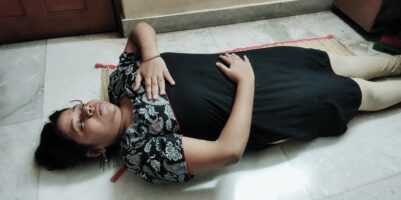
Lay down on the mat comfortably on the back. Place one hand slightly below the ribs on your abdomen and place the other hand on your chest.
Step 2.

Now, breathe deeply from your nose, stop breathing for a few seconds. Then release the breath through the mouth. The chest should not be shaken during this. Do this process for five minutes.
Relaxation Exercise For Irritable Bowel Syndrome.
Yoga and Tai Chi exercise are effective in reducing stress and pain. Anyone suffering from Irritable bowel syndrome (IBS) can do this exercise like respiration;
Step 1.
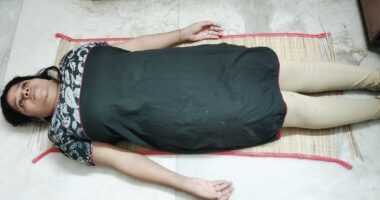
Lie down comfortably on the mat. Leave both toes of the foot loose. Keep both hands comfortably and straight on the ground, but the palms should remain upwards.
Step 2.
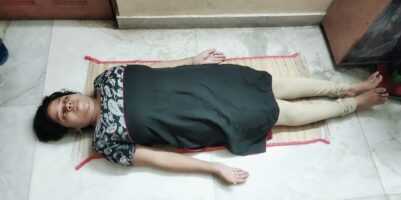
Close your eyes. If necessary, adjust the position of your head and neck accordingly to move to a more comfortable position.
Step 3.
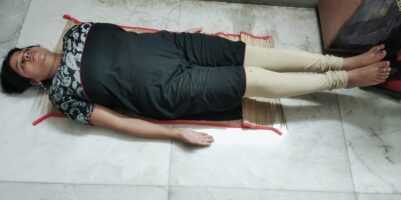
Now, try to bring stress to your two feet and toes. Lift your pins about two inches above the mat. Stay in the same state for a few seconds and then come to normal state.
Step 4.

Thereafter, bring tension to the muscles of your hips and thighs. Stay in the same state for a few seconds and come to normal state.
Step 5.

Now make tension in the hip and thigh muscles, stay for a while at this stage. Now make tension in the abdominal muscles by dragging the navel inside, stay for a while at this stage.
Step 6.

Now make a loud fist and bring tension in the arms. Now lift your arms about two inches above the ground. Stay at this stage for a while and then bring the arms to normal condition.
Step 7.
Now, bring tension in your shoulder and neck muscles. Now, close your eyes tightly, now stay at this stage and then come to normal condition.
Step 8.
Finally, lie down for five minutes and leave the whole body loose as it remains in respiration.
Additional Tips.
Keep in mind, always choose the exercise which you can do easily. The more necessary exercise is, the more it is necessary to do the warm up. Here are some of the measures that should be included in your routine to control the onset of symptoms of IBS;
Make A Routine.
Create a routine for yourself before you get busy with the exercise program. Then do a regular warm up before exercise. It makes the body conducive to exercise and helps to adjust the physical intensity better.
Choice of Exercise.
Try to do different types of workouts and find out the comfortable one. If a person wants to control IBS with high-intensity weight-training exercise, he can incorporate it into his routine. However, it is fully depends upon the physical condition of the individual. If one benefits from yoga or Tai Chi, they can incorporate it into their routine.
Wait After Eating.
Don’t eat anything for about an hour before or after the exercise.
Act According To The Body.
When someone is tired during exercise, it should be stopped for a while. The exercise can be resumed when it is normal.
Frequently Asked Questions.
Yes, regular exercise can effective for several health issues including irritable bowel syndrome (IBS). However, it isn’t a total cure, but it can boost immunity power and reduce stress as well as beneficial for gastrointestinal problems like constipation which is a common manifestation in people with IBS. You must choose low to moderate intensity activities such as walking, yoga, swimming and breathing exercises for effective result.
Bottom Line.
Often people with this disease can’t do regular activities. It can affect not only the stomach but also the mental health. Because these patients often feel that, they can’t enjoy life like their friends and family members like travelling and eat what they like.
However, it is incurable, but it can be managed by making appropriate lifestyle changes. For this, healthy diet and regular exercise need to be included in the routine.
While exercising, patients should try to do different types of exercises such as walking, cycling, swimming, aerobics and strength training.
Carrying out different types of activities also helps the patients understand how their body reacts to these activities. In addition, they also aware about the exercise that helping them to reduce the symptoms of Irritable bowel syndrome (IBS).
At the moment, it is important to understand that even if the person with IBS is at any age, one needs to include the abdominal breathing and relaxation exercise in his daily routine. It not only helps to reduce stress, but also helps to feel positive.
+1 Source
Freaktofit has strict sourcing guidelines and relies on peer-reviewed studies, educational research institutes, and medical organizations. We avoid using tertiary references. You can learn more about how we ensure our content is accurate and up-to-date by reading our editorial policy.
- The epidemiology of irritable bowel syndrome; https://www.ncbi.nlm.nih.gov/pmc/articles/PMC3921083/
- Intervention to increase physical activity in irritable bowel syndrome shows long-term positive effects; https://www.wjgnet.com/1007-9327/full/v21/i2/600.htm