







































 latihan

 meditasi


 podifikasi
 buku elektronik

Kardio kondisi mapan (juga dikenal sebagai latihan berkelanjutan atau ketahanan aerobik) terus melakukan latihan kardiovaskular dengan intensitas dan kecepatan yang sama untuk jangka waktu yang lebih lama. Beberapa bentuk umum kardio kondisi mapan adalah jogging, bersepeda, dan berenang.
Kardio kondisi mapan memiliki banyak manfaat kesehatan, seperti Meningkatkan kebugaran kardiovaskular, membantu dalam pemeliharaan berat badan, dan meningkatkan kesehatan mental. Namun, orang sering bertanya apakah kardio kondisi mapan menyebabkan peningkatan kortisol, utama tubuh tekanan hormon.
Cerita terkait
 Amber Heard Kerusakan Rutinitas Rutinitas Kebugaran & Diet Lengkap
 20 Manfaat Kesehatan Luar Biasa dari Jalan Pagi Biasa
Pada artikel ini, kita akan membahas hubungan antara kardio kondisi mapan dan pelepasan kortisol. Kami akan menggunakan beberapa studi ilmiah, pendapat profesional, dan pertanyaan yang sering diajukan untuk mengembangkan pemahaman yang lengkap tentang subjek ini.
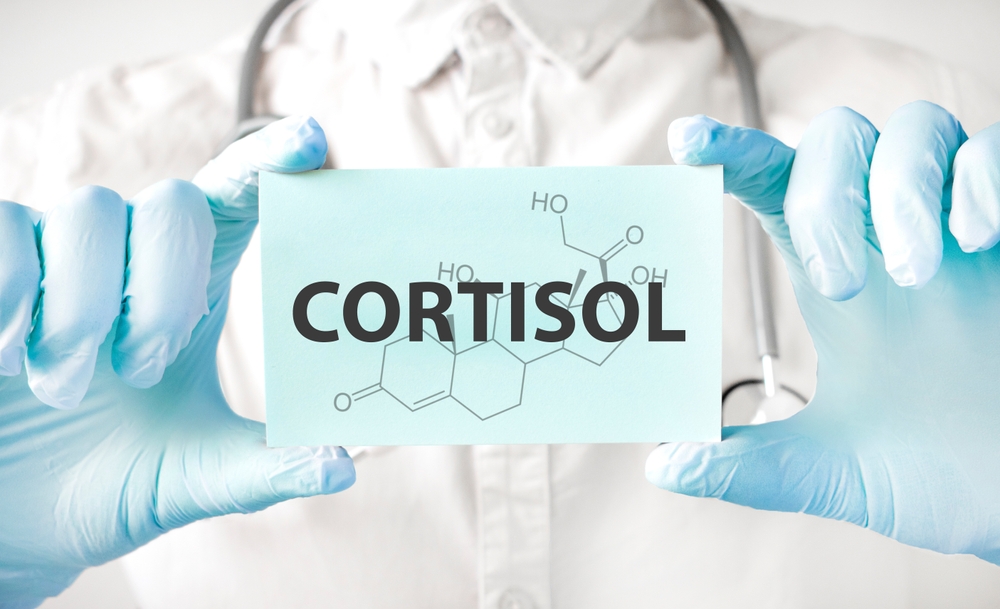
Apa itu kortisol?
Kortisol adalah hormon steroid yang disekresikan oleh kelenjar adrenal. Kelenjar adrenal adalah kelenjar kecil di atas setiap ginjal, mereka bertanggung jawab untuk melepaskan beberapa hormon yang penting untuk kesehatan dan kesejahteraan. Kortisol membantu mengatur metabolisme, mengontrol kadar gula darah, mengurangi radang, dan memainkan peran integral dalam respons tubuh terhadap stres. Setiap kali kita mengalami situasi stres, sensasi ketakutan atau kecemasan, tubuh kita melepaskan kortisol untuk mempersiapkan kita merespons dengan respons “lawan atau lari”.
Dikutip oleh: Dr. Sarah Johnson, ahli endokrinologi.
“Kortisol diperlukan untuk mempertahankan homeostasis dalam tubuh Anda. Seringkali kita menganggap kortisol hanya sebagai hormon stres meskipun berperan dalam berbagai proses lainnya.”
Fisiologi pelepasan kortisol.
Setelah mengalami stres, hipotalamus otak melepaskan hormon pelepas kortikotropin (CRH). CRH memberi sinyal pada kelenjar pituitari untuk melepaskan hormon adrenokortikotropik (ACTH) dari kelenjar pituitari. Akhirnya, ACTH memberi sinyal kelenjar adrenal untuk melepaskan hormon stres, kortisol. Meskipun ada banyak hormon yang terlibat dalam respons stres, sistem CRH-ACTH-cortisol difokuskan dalam hal menanggapi stres fisik dan emosional yang secara metodologis dikenal sebagai sumbu hipotalamus-hipofisis-adrenal (HPA).
Bagaimana olahraga mempengaruhi kadar kortisol?
Olahraga adalah jenis stres fisik yang dapat mempengaruhi kadar kortisol. Pengerahan tenaga fisik adalah stres pada tubuh, dan tuntutan latihan mempengaruhi jumlah kortisol yang dilepaskan dari kelenjar adrenal. Frekuensi, durasi, dan intensitas latihan juga dapat mempengaruhi jumlah kortisol yang dilepaskan. Secara keseluruhan, latihan intensitas sedang hingga tinggi akan menghasilkan kortisol untuk membantu tubuh dalam menanggapi tuntutan fisiologis latihan.
Kutipan dari Dr. James Miller, spesialis kedokteran olahraga.
“Produksi kortisol selama aktivitas fisik adalah normal, dan penting. Pelepasan kortisol terkait olahraga akan meningkatkan mobilisasi simpanan energi untuk membantu mendukung aktivitas fisik.”
Pelepasan kardio dan kortisol kondisi mapan.
Kardio kondisi mapan biasanya terdiri dari periode yang lebih lama dengan intensitas sedang. Bukti menunjukkan bahwa itu dapat menyebabkan peningkatan kadar kortisol, khususnya jika latihan dilakukan dalam durasi yang lebih lama. Namun, jumlah kortisol yang dilepaskan tergantung pada individu, tingkat kebugaran mereka, intensitas latihan, dan seberapa stres mereka secara keseluruhan.
bukti ilmiah.
1 Studi tentang atlet ketahanan: Sebuah artikel penelitian di Journal of Endocrinology telah mengkonfirmasi bahwa atlet ketahanan yang melakukan aktivitas ketahanan kondisi mapan memiliki aktivitas kortisol yang dapat ditingkatkan dari sebelum berolahraga hingga setelah aktivitas. Para peneliti menunjukkan bahwa peningkatan ini juga disebut sebagai respons adaptif normal terhadap latihan berkelanjutan.(1)
2 Efek durasi dan intensitas: Studi lain yang disintesis dalam Journal of Sports Sciences menunjukkan bahwa latihan kardiovaskular kondisi mapan, baik dalam durasi maupun intensitas memengaruhi pola pelepasan kortisol. Sesi yang lebih lama dan lebih intens meningkatkan kadar kortisol bila dibandingkan dengan sesi intensitas rendah dan lebih rendah.(2)
3 Dampak pada olahraga rekreasi: Sebuah studi yang diterbitkan dalam Journal of Strength and Conditioning Research menemukan bahwa olahragawan rekreasi juga melepaskan kortisol selama kardio kondisi mapan meskipun peningkatan kortisol lebih sedikit daripada atlet ketahanan terlatih.(3)

menyeimbangkan kadar kortisol.
Sementara pelepasan kortisol selama kardio kondisi mapan diharapkan, peningkatan hormon stres yang berkelanjutan ini dapat menyebabkan hasil yang tidak diinginkan termasuk peningkatan lemak tubuh, penurunan otot, atau gangguan fungsi kekebalan tubuh. Jadi perlu untuk menyeimbangkan latihan Anda sedemikian rupa sehingga Anda tidak terlalu merangsang pelepasan kortisol.
Tips untuk mengelola kadar kortisol.
- Menggabungkan berbagai jenis latihan: Gabungkan beberapa variasi ke dalam program pelatihan Anda dengan campuran pelatihan interval intensitas tinggi (HIIT), latihan kekuatan, yoga, dll. Setiap latihan menyebabkan sejumlah stres (stres kronis) pada tubuh Anda, dan memvariasikan latihan Anda dapat mengurangi beberapa respons stres.
- Dengarkan apa yang dikatakan tubuh Anda: Selalu dengarkan tubuh Anda, itu memberi tahu Anda bagaimana perasaan Anda. Jika Anda terus-menerus lelah atau Anda pergi berminggu-minggu pada waktu yang benar-benar lelah dan sakit karena berolahraga, Anda mungkin perlu mengurangi intensitas dan/atau durasi latihan Anda.
- Jangan terburu-buru waktu pemulihan: Selalu beri waktu tubuh Anda untuk memulihkan diri setelah berolahraga. Tidur, nutrisi, dan relaksasi semuanya membantu mengatur kadar kortisol juga.
- Hidrat: Dehidrasi akan meningkatkan respons stres Anda. Jaga asupan cairan Anda tetap tinggi sebelum, selama, dan setelah latihan Anda untuk menghidrasi tubuh Anda dengan benar.
Kutipan dari Dr. Emily White, ahli gizi.
“Nutrisi dan pemulihan adalah prioritas untuk menurunkan kortisol. Hidrasi dan diet berkualitas dapat membantu respons rentang stres tubuh individu.”
Wawancara ahli: Dr. Karen Roberts, ahli fisiologi olahraga.
T: Apakah kardio yang tenang membuat kadar kortisol meningkat pesat?
Dr Roberts Ya, kardio kondisi mapan dapat menyebabkan peningkatan kadar kortisol terutama jika latihannya panjang atau keras. Tetapi reaksi ini adalah bagian dari cara alami tubuh untuk mengatasi stres dari olahraga
T: Apakah peningkatan kortisol ini berbahaya?
Dr. Roberts: Dalam jangka pendek, kortisol tinggi membantu tubuh menangani tuntutan olahraga. Namun jika kadar kortisol tetap tinggi dari overtraining jangka panjang atau tidak cukup pemulihan, hal itu dapat menyebabkan hasil kesehatan yang buruk.
T: Bagaimana individu dapat mengelola kadar kortisol sambil tetap mendapat manfaat dari kardio kondisi mapan?
Dr Roberts: Hal utama adalah keseimbangan. Campurkan dalam latihan Anda, fokus pada istirahat, dan perhatikan bagaimana perasaan Anda. Juga, pikirkan tentang bekerja dengan ahli kebugaran untuk membuat rencana latihan yang sesuai dengan kebutuhan Anda tanpa membebani tubuh Anda.
garis bawah.
Kardio waktu tetap adalah bagian yang baik dari rencana kebugaran yang seimbang, memberikan banyak fasilitas kesehatan. Meskipun dapat menyebabkan beberapa peningkatan kadar kortisol, reaksi ini biasanya berumur pendek dan sebagian dari respons normal tubuh terhadap ketegangan fisik. Dengan menambahkan elemen yang berbeda dalam latihan Anda, berfokus pada istirahat, dan memperhatikan tanda-tanda tubuh Anda—Anda dapat memperoleh dari kardio waktu tetap tanpa merusak kadar kortisol Anda.
+3 Sumber
FreaktoFit memiliki pedoman pengadaan yang ketat dan bergantung pada studi peer-review, lembaga penelitian pendidikan, dan organisasi medis. Kami menghindari penggunaan referensi tersier. Anda dapat mempelajari lebih lanjut tentang bagaimana kami memastikan konten kami akurat dan terkini dengan membaca Kebijakan Editorial.
- Respon akut terhadap latihan ketahanan stres: Fokus pada interaksi katabolik/anabolik antara kortisol, testosteron, dan globulin pengikat hormon seks pada atlet profesional; https://www.ncbi.nlm.nih.gov/pmc/articles/PMC6298450/
- Adaptasi hormonal dan stres latihan latihan: peran glukokortikoid; https://www.ncbi.nlm.nih.gov/pmc/articles/PMC5988244/
- Respon kortisol saliva dan pengerahan tenaga yang dirasakan selama latihan resistensi intensitas tinggi dan intensitas rendah; https://www.ncbi.nlm.nih.gov/pmc/articles/PMC3896117/