









































 Workout

 Meditation


 Podcast
 E-book


The Fast Facts
- Jones recommended this issue, “It is quite safe to use the wash for the periods although it is primarily necessary to find out the wash that suits a sensitive skin first without fragrances and chemicals as well as it should not be rough on the skin.
- In a similar context, Emily at 34 years of age uttered, I like to clean myself using regular water especially when I am on my periods because it feels less irritating to my body.
- When it comes to feminine hygiene, especially with the use of feminine wash during menstruation, there is always a question if this is safe or not.

When it comes to feminine hygiene, especially with the use of feminine wash during menstruation, there is always a question if this is safe or not. This article is going to focus on this issue and use expert opinions, scientific evidence, and also respond to the common concerns and inquiries.
Understanding Feminine Wash.
Feminine wash (also called intimate wash or feminine hygiene cleanser) is a specifically prepared cleanser of the intimate region. It is also pH-balanced in order to preserve the normal acidity of the vagina, thereby avoiding infections and tensions.
The Menstrual Cycle and Hygiene.
Naturally during the period of menstruation, the vagina changes. The loss of uterine lining and the menstrual blood may distort the pH level and predispose the infections. During this period, it is very important to be well kept hygienically to avoid straining pains and infections.
Related Stories
 Things To Know Before and After Undergoing Teeth Whitening Procedure
 7 Easiest and Natural Ways to Boost Metabolism
Expert Opinion.
In our interview with Dr. Sarah Jones, a gynecologist for over 15 years, we received clear advice on the question of comfortable use of hygiene products while having the menses. Dr. Jones recommended this issue, “It is quite safe to use the wash for the periods although it is primarily necessary to find out the wash that suits a sensitive skin first without fragrances and chemicals as well as it should not be rough on the skin.
Scientific Evidence.
There is some research on the problem of the safety and effectiveness of feminine wash products during menstruation. A study conducted in the Journal of Lower Genital Tract Disease concluded that a pH balanced feminine wash diminished the chances of acquiring bacteria vaginosis, and yeast infection.(1)
Personal Testimonials.
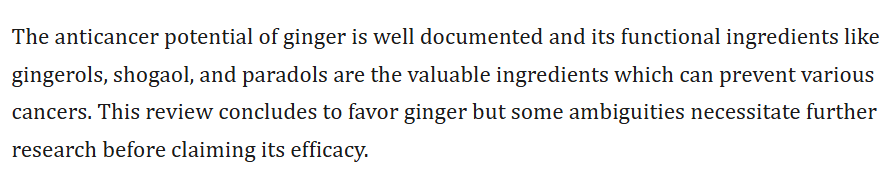
We contacted a number of people to tell us about their experience in taking feminine wash during the menstrual period. One such result came in the form of Sarah, 28, who said, she has been using feminine wash during periods all these years and it makes her feel fresh and confident. In a similar context, Emily at 34 years of age uttered, I like to clean myself using regular water especially when I am on my periods because it feels less irritating to my body.
Frequently Asked Questions.
Dr. Jones says that pH-balanced feminine wash is not likely to interfere with the normal pH. Irritants and imbalances can be triggered, however, by products that contain harsh chemicals or fragrances.
This may not be compulsory and there are people who may feel like using feminine wash to feel fresh and to be hygienic, particularly in heavy flow periods.
Well, yes, the products of feminine wash can be allergic or irritating to some of the ingredients especially those people with sensitive skin. Patch-testing of new products should be adopted and the use abandoned in case of any adverse results.
Bottom Line.
To sum up, the use of feminine wash during menstruation is practical and helpful in maintaining cleanliness and freshness. Nevertheless, it is crucial that consumers select a product with pH in balance and are free from harmful chemicals and perfumes. On the last note, individual preferences and susceptibilities should be the deciding factor in the choice of feminine hygiene products during menstruation. If you are worried or have medical issues to discuss, the right choice would be to visit a healthcare professional.
+1 Source
Freaktofit has strict sourcing guidelines and relies on peer-reviewed studies, educational research institutes, and medical organizations. We avoid using tertiary references. You can learn more about how we ensure our content is accurate and up-to-date by reading our editorial policy.
- Prevalence of Bacterial Vaginosis and Candida among Postmenopausal Women in the United States; https://pmc.ncbi.nlm.nih.gov/articles/PMC4303100/