












































 Workout

 Meditation


 Podcast
 E-book

The Fast Facts
- A woman who suffer from gestational diabetes has a sugar level of 140 mg/dL an hour after meals.
- According to the American Diabetes Institute, if the blood sugar level is 180 mg/dL one to two hours after meals, it can be considered normal.
- If you are suffering from type 1 or type 2 diabetes, it is very important to keep an eye on blood sugar levels.

Controlling blood sugar levels is essential for all of us. This is because it can lead to diabetes. Lets see what should be your normal blood sugar 30 minutes after eating.
There are lot of organs inside of our body that play different functions. If any of these hampered, we have to face several complications as diseases. Same thing is similar with blood sugar levels. There can be many reasons for the rise in blood sugar levels. But one of the main reasons is our diet pattern. In fact, whenever we consume more carbs, it turns into sugar while digesting.
It is used by the body for energy. But when the body starts getting high in sugar, it sticks inside of our body cells. This increases the risk of type 2 diabetes. So it is important to consume a right diet to keep blood sugar level balanced. But it is not that food alone is responsible for the high blood sugar. There are other reasons for this which are as follows:
Related Stories
 Amazing Health Benefits and Side Effects of Cardamom Oil
 6 Ways Bed Pads Can Help Patients with Incontinence
Normal Blood Sugar 30 Minutes After Eating.
Accurate time to check blood glucose levels is 2 hours after having meals. Doing so will give you an idea of the effect on blood sugar levels due to what you have eaten. You can then decide whether to change your diet or not. You can also consult a doctor for this.
However, normal blood sugar 30 minutes after eating should be under 180mg/dL.
It Is Important To Keep An Eye On Blood Sugar.
If you are suffering from type 1 or type 2 diabetes, it is very important to keep an eye on blood sugar levels. Through this you will understand how medicine, physical activity, food are affecting blood sugar level in your body.
In this situation, whenever your blood sugar level is suddenly rising, you will be alert. This vigilance will protect you from diabetes, and other diseases such as stroke, kidney disease, heart attack and blindness etc.
Mainly these kind of people should keep an eye on blood sugar levels:
- People who find it difficult to maintain blood glucose levels.
- People who take insulin.
- Pregnant Women.
- People who are suffering from ketones problem.
- People who have low blood glucose levels.
- Such people whose blood glucose levels are reduced without any indication.
Normal Blood Sugar Levels After Eating.
- Adults who are not pregnant and do not have diabetes have sugar level 90-180 mg/dL after meals.
- Adults who are not pregnant but are diabetic are 180 mg/dL.
- Who suffers from diabetes takes insulin 180 mg/dL.
- Adults who suffer from diabetes but do not take insulin 140 mg/dL.
- A woman who suffer from gestational diabetes has a sugar level of 140 mg/dL an hour after meals.
- A woman suffer from gestational diabetes has a sugar level of 120 mg/dL two hours after meals.
- Pregnant women who suffer from pre-existing type 1 or 2 diabetes, sugar level 110-140 mg/dL an hour after meals.
- Pregnant woman who suffers from pre-existing type 1 or 2 diabetes, blood sugar level 100-120 mg/dL 2 hours after eating.
How To Check Blood Sugar Level?

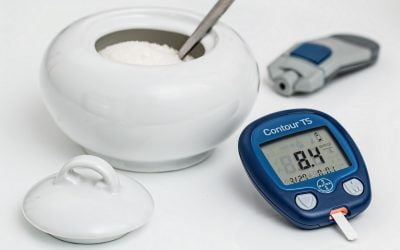
You can check blood sugar levels in two ways. First through glucometer and the second through glucose monitoring. Blood sugar can be check several times a week.
What Is The Normal Sugar Level?
According to the American Diabetes Institute, if the blood sugar level is 180 mg/dL one to two hours after meals, it can be considered normal. However, this blood sugar level does not apply to everyone. Because it depend on some other things like how long the patient is suffering from diabetes, other diseases, age etc.(1)
| Read Now: 6 Incredible Yoga Poses For Diabetes |
How Food Affects Blood Sugar Levels?
It is said that the body has its own way of transporting nutrients to every part of the body. In such a situation, whenever you eat, the body separates it in some parts such as:
- Carbs.
- Protein.
- Fat.
- Vitamins & Minerals.
Keep An Eye On Carbs In Your Daily Diet.
We all know that all these elements are very important for our body. But carbs have a variety of factors that affect sugar levels, of which starch, sugar, and fiber are most important.
One of the simple rules for increasing blood sugar levels is that whenever you eat carbs, it will go to the body and increase the sugar level. The foods that go into your body and affect blood sugar differently are as follows;
Starch or Complex Carbs:
Starchy vegetables, dry beans and grain.
Sugar:
Fruits, bakery items, beverages and processed food such as cereals or granola bars.
Fiber:
Whole wheat products, chickpeas, lentils, berries, pears and Brussels sprouts.
Glycemic Index Plays An Important Role In Diabetes.
Glycemic index helps you to know which foods can increase and decrease blood sugar levels in your diet. Food items within the Glycemic Index are rated from 0 to 100. Thereby, a higher rating to food that is easy to digest, absorb cause major changes in blood sugar levels. While low-indexed foods affect very little blood sugar in the body.
What Experts Say?
Experts of American Institute of Diabetes recommend people should include lean protein sources in their diet such as chicken, white egg, and low fat products etc. On the other hand, it is advisable to include olive oil, nuts, peanut butter, etc. in the diet to keep the heart healthy and also to control blood sugar level in the body.(2)
+2 Sources
Freaktofit has strict sourcing guidelines and relies on peer-reviewed studies, educational research institutes, and medical organizations. We avoid using tertiary references. You can learn more about how we ensure our content is accurate and up-to-date by reading our editorial policy.
- Carb Counting and Diabetes; https://www.diabetes.org/healthy-living/recipes-nutrition/understanding-carbs/carb-counting-and-diabetes
- How Foods Affect Blood Glucose: Glycemic Impact; https://clinical.diabetesjournals.org/content/29/4/161