










































 Workout

 Meditation


 Podcast
 E-book

The Fast Facts
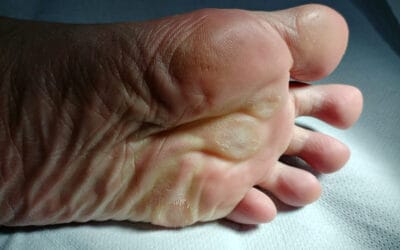
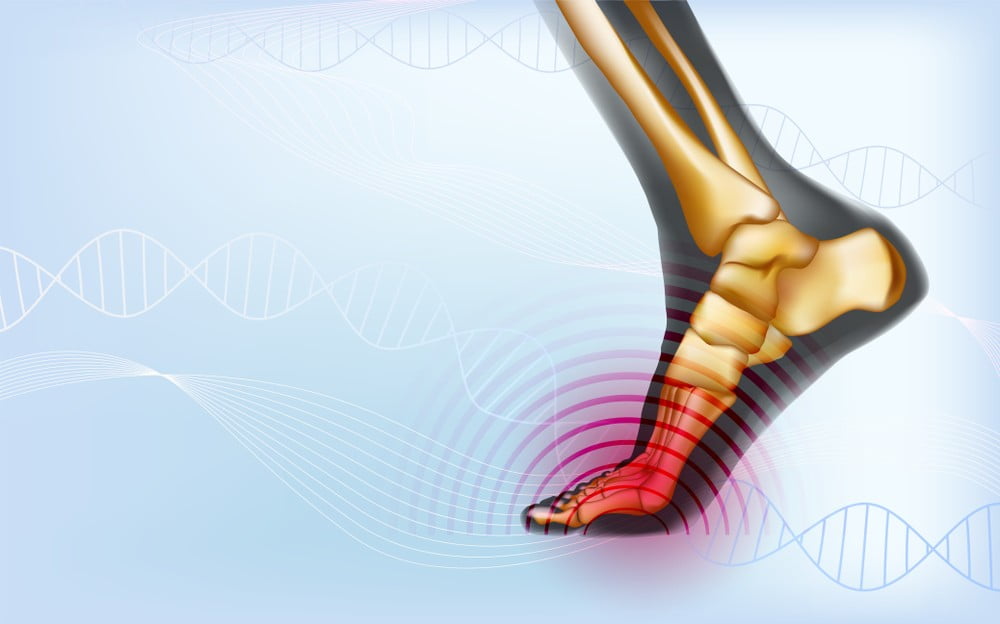
- Sesamoiditis consists of inflammation of the sesamoid bones of the foot (they are the small, rounded bones of the joints that have a tendon embedded) that are located on the sole, specifically in the head of the first metatarsal.
- The lack of fat in the plantar pad since this pad is like a natural cushioning of our body; If we have too little, the impact is greater and this causes inflammation and pain.
- Not wearing high heels, softening the loading of the front-foot, doing the forefoot with good cushioning from the shoe, and insoles that take the load off the sesamoids are all helpful.

Sesamoiditis consists of inflammation of the sesamoid bones of the foot (they are the small, rounded bones of the joints that have a tendon embedded) that are located on the sole, specifically in the head of the first metatarsal.
Sesamoiditis: The Injury That Can Cause You to Wear Heels Too Much.
It is one of the most common pathologies in runners according to the Illustrious College of Podiatrists of the Valencian Community (ICOPCV).
Abusing excessively high-heeled shoes is one of the main causes of this injury as it produces hyperpressure on the sesamoid bones.
Related Stories
 Four Things to Consider During Menopause
 Vitamin D Deficiency: 10 Signals Your Body May Be Sending
Other causes could be:
- The lack of fat in the plantar pad since this pad is like a natural cushioning of our body; If we have too little, the impact is greater and this causes inflammation and pain.
- Having cavus feet, people who have cavus feet, with a lot of curvature in the plantar arch, continually generate hyperpressure in the area.
Treatments for Sesamoiditis.
The treatments for this ailment are very varied depending on its severity.
Milder cases can be treated by simply stopping the activity that causes it, applying cold to the sesamoid bones, wearing shoes with padding in the front, using personalized insoles or taking analgesia.
In more complex conditions, infiltration of hyaluronic acid in the area may be necessary. And, in severe cases, it may require removal of the affected bones.
What Do Research Says about Sesamoiditis?
A systematic review, which is named the Conservative Treatment of Sesamoiditis (2025), highlights the fact that there are limited guidelines but conservative treatment may be effective. In the 2024 trial of atruamatic medial sesamoid pain (in sports-active adults) close to 48 per cent of patients were helped using a conservative treatment plan (activity restriction, insoles, NSAIDs, boot walker). However, that too does not solve over half and calls into additional consideration (MRI-detected intraosseous changes, chondral lesions). (1),(2)
Expert Opinion From Podiatrists / Foot & Ankle Specialists.
In a recent focus-group study conducted in Aotearoa New Zealand, podiatrists were found to emphasize a biomechanical approach: patient history, symptom recreation, identification of contributing foot posture/arch/habit factors, and elimination of other diagnoses. As per Daniel Bohl (foot & ankle surgeon), most situations are handled by non-surgical methods, however, the surgical removal of one diseased sesamoid bone (sesamoidectomy) can be very efficient if the accompanying soft-tissue repair is done with care.
Key Takeaways from Experts.
- Footwear is a major factor: Not wearing high heels, softening the loading of the front-foot, doing the forefoot with good cushioning from the shoe, and insoles that take the load off the sesamoids are all helpful.
- Body mechanics are the core: Having high arches, being forefoot-dominant during weightbearing, or having weak fat pads can increase the risk and may prolong the recovery process.
- Conservative treatment first, immediate surgery later: The majority of cases are handled without surgery — it is only a last resort when conservative treatment fails.
- Personalized treatment: Since there are numerous factors contributing (foot shape, activity levels, shoe habits, load/impact), the treatment has to be individualized.
Frequently Asked Questions.
1. What is the fastest way to heal sesamoiditis?
The quickest method includes complete rest of the high-impact or fore-foot–pressure activities, changing to cushioned flat shoes, icing 2–3 times a day and wearing off-loading orthotics. In difficult cases, podiatrists can also use a walking boot or corticosteroid injection.
2 Can I still walk with sesamoiditis?
Yes, but if you press the ball of your foot, the walking may increase the pain. Stiff-soled or rocker-bottom shoes that decrease toe bending are the best to wear. Do not walk barefoot or wear heels until the pain has gone.
3 How long does sesamoiditis take to heal?
The cases of the disease that are light can be healed within 2-4 weeks by rest and off-loading; the cases that are from moderate to severe and that may last 3-6 months or even longer, especially when inflammation continues or when the bone has been injured.
4 Can wearing high heels cause sesamoiditis?
Certainly. High heels cause the body weight to be concentrated on the balls of the feet, thus making the pressure on the sesamoid bones increase. The long-term use of this kind of footwear leads to inflammation and pain under the area of the big-toe joint.
5 Does sesamoiditis ever go away completely?
The majority of instances are a positive outcome – with the right rest, change of shoes, and treatment. Still, if the underlying biomechanical issues such as high arches or lack of fat pad are not addressed, the pain may come back.
Bottom Line.
Sesamoiditis can be a minor foot issue that a person can overlook, but the lack of support or the use of high heels and tight shoes can transform the nuance of the inflammation into the chronic pains. The secrets of fast recovery and healthy feet are early rest, footwear, and professional advice.
+2 Source
Freaktofit has strict sourcing guidelines and relies on peer-reviewed studies, educational research institutes, and medical organizations. We avoid using tertiary references. You can learn more about how we ensure our content is accurate and up-to-date by reading our editorial policy.
- Conservative Treatment of Sesamoiditis: A Systematic Literature Review with Individual-Level Pooled Data Analysis; https://pmc.ncbi.nlm.nih.gov/articles/PMC12300395/
- The development of recommendations for the assessment and management of sesamoiditis by podiatrists: A Delphi and content validity study; https://onlinelibrary.wiley.com/doi/full/10.1002/jfa2.12025