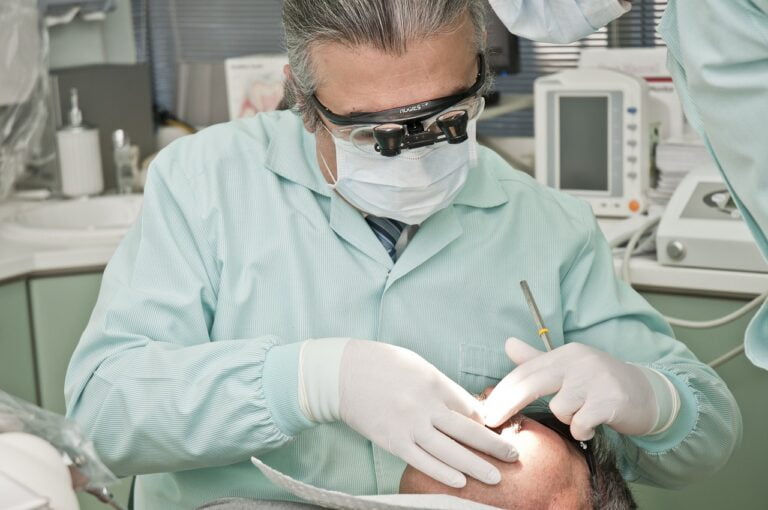



















عندما يتعلق الأمر بالإبر المجهري ، قد تتساءل عما يجب أن تضعه على بشرتك بعد الميكرونيدلينج لمساعدته على الشفاء والبقاء بصحة جيدة. لقد قمنا بتغطيتك بكل ما تحتاج لمعرفته حول كيفية العناية ببشرتك بعد الوخز بالإبر المجهري ، لذا تحقق من هذا المنشور إذا كنت تبحث عن نصيحة الخبراء.
ما هو الوخز بالإبر؟
Microneedling هو إجراء تجميلي يتضمن استخدام جهاز لإنشاء ثقوب صغيرة في قشرة. يمكن أن يحسن مظهر التجاعيد والخطوط الدقيقة وندبات حب الشباب.

ميكرونيدلينغ مع حمض الهيالورونيك.
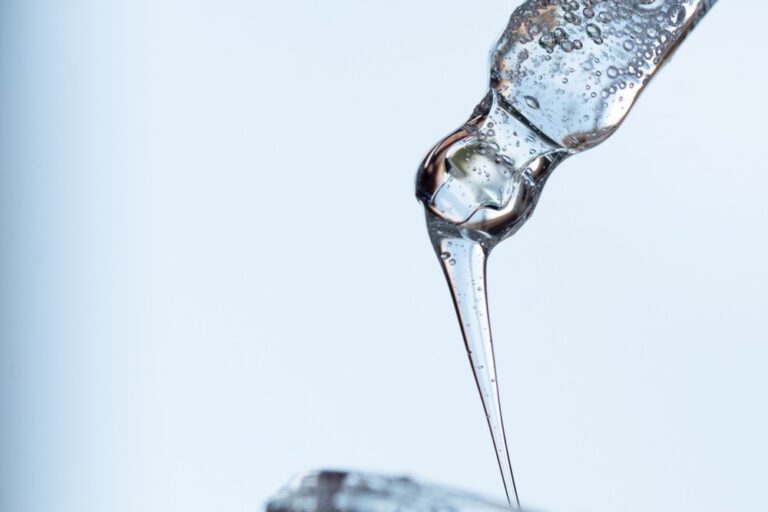
حمض الهيالورونيك هو عنصر شائع في منتجات العناية بالبشرة ، ويمكن استخدامه أيضًا بعد الميكرونيدلينج. يمكن أن يساعد تطبيق حمض الهيالورونيك على الجلد في حبس الرطوبة وترطيب الوجه. يمكن أن يساعد أيضًا في تحفيز كولاجين الإنتاج بعد الميكرو إبر، مما قد يؤدي إلى بشرة أكثر نعومة وثباتًا.(1)
بعد الميكرونيدلينغ ، يوصى باستخدام حمض الهيالورونيك للمساعدة في تحفيز إنتاج الكولاجين. إذا شعرت بشرتك بالجفاف ، يمكنك أيضًا وضع زيت جوز الهند كمرطب لحبس الرطوبة. في بعض الحالات ، يوصى باستخدام حمض الهيالورونيك بعد العملية. قد يكون من المغري استخدام مقشر كيميائي على الفور ، ولكن يجب عليك الانتظار أسبوعين على الأقل قبل القيام بذلك.
قصص ذات صلة
 حرق العشب: الأسباب والأعراض والعلاج والوقاية وكيفية العلاج في المنزل
 إدارة مرض السكري بعناية: نصائح أساسية لكبار السن

بالنسبة لأولئك الذين لديهم بشرة حساسة ، قد ترغب في البدء بمقشر كيميائي أكثر اعتدالًا مثل حمض الجليكوليك أو حمض اللاكتيك بدلاً من الرتينويد أو مصل فيتامين سي.
أخيرًا ، إذا كنت قلقًا بشأن فرط التصبغ من ندبات حب الشباب السابقة أو أضرار أشعة الشمس ، فحاول استخدام العلاج بالضوء الأزرق بعد ذلك بدلاً من إعادة تسطيح عوامل مثل الهيدروكينون أو الريتينويدات.
ما الذي يجب وضعه على الجلد بعد الميكرونيدلينج؟
هلام مرطب مثل مهدئ أو اللبأ يمكن استخدام الجل أو استخدام المرطب بعد الإبر المجهري، حيث من المهم أن يشفي ويشجع على تجديد الخلايا داخل أدمة الجلد.
Best Ingredients to Apply After Microneedling.
Choosing the right skincare ingredients after microneedling is essential because the skin becomes temporarily sensitive following the procedure. The tiny channels created by the microneedling device trigger the body’s natural wound-healing response.
During this recovery period, focus on hydration, skin barrier protection, and gentle skincare rather than aggressive treatments.
Here are some ingredients that may help support skin recovery.
1. Hyaluronic Acid.
Hyaluronic acid is a hydrating ingredient that attracts and retains water in the skin. It can help reduce the feeling of dryness and support skin hydration after microneedling.
Choose a simple, fragrance-free hyaluronic acid serum recommended by your dermatologist. Follow your practitioner’s instructions regarding when it is appropriate to apply topical products.
2. Ceramides.
Ceramides are naturally occurring lipids that help maintain the skin’s protective barrier.
A gentle moisturizer containing ceramides can help reduce moisture loss and support the skin barrier during recovery.
3. Panthenol (Vitamin B5).
Panthenol is commonly used in skincare products because of its moisturizing and soothing properties.
It helps support skin hydration and may improve the feeling of dryness or tightness following cosmetic procedures.
4. Glycerin.
Glycerin is a humectant that attracts water and helps maintain skin hydration.
It is frequently included in gentle moisturizers and barrier-supporting skincare formulations.
5. Petrolatum.
Petrolatum is an occlusive ingredient that helps prevent excessive moisture loss.
A thin layer may be recommended by a dermatologist for certain types of post-procedure skin care. However, follow your practitioner’s advice, especially after deeper microneedling treatments.
What Should You Avoid Applying After Microneedling?
While certain skincare ingredients can support hydration, others may irritate freshly treated skin.
Microneedling temporarily disrupts the skin barrier, making it important to avoid potentially irritating products during the initial recovery period.
Here are some products and ingredients to avoid until your skin has recovered and your dermatologist approves their use.
1. Retinol and Retinoids.
Retinol is commonly used to improve wrinkles, uneven skin tone, and acne. However, applying it immediately after microneedling may cause irritation, redness, burning, and excessive dryness.
Wait until your skin has recovered and your dermatologist confirms that it is safe to restart retinoids.
2. Vitamin C Serums.
Vitamin C is an antioxidant that helps protect the skin against oxidative stress and supports collagen synthesis.
However, some vitamin C formulations, particularly highly concentrated or acidic serums, may sting or irritate freshly treated skin.
Avoid applying them immediately after the procedure.
3. AHAs and BHAs.
Alpha-hydroxy acids (AHAs), such as glycolic acid and lactic acid, and beta-hydroxy acids (BHAs), such as salicylic acid, are exfoliating ingredients.
Using these products too soon after microneedling may increase irritation and compromise the healing process.
4. Benzoyl Peroxide.
Benzoyl peroxide is commonly used to treat acne. However, it can cause dryness, peeling, and irritation.
Avoid using it on freshly treated skin until your dermatologist advises that it is appropriate.
5. Fragranced Skincare Products.
Perfumes and certain fragrance ingredients may irritate sensitive skin.
Choose fragrance-free skincare products during recovery to reduce the possibility of unwanted reactions.
6. Physical Scrubs.
Avoid facial scrubs, cleansing brushes, exfoliating gloves, and other abrasive products.
These can create additional friction and irritation while your skin is recovering.
Step-by-Step Skincare Routine After Microneedling.
Following a simple skincare routine can make post-microneedling recovery easier.
Your exact routine will depend on the needle depth, treatment intensity, skin condition, and instructions provided by your dermatologist.
First 24 Hours.
The first 24 hours are particularly important because the skin may experience redness, warmth, sensitivity, and mild swelling.
Recommended precautions include:
- Avoid unnecessary touching of your face.
- Follow your practitioner’s instructions regarding cleansing.
- Use only products specifically approved for immediate post-procedure application.
- Avoid makeup unless your dermatologist confirms it is safe.
- Stay away from direct sunlight.
- Avoid strenuous exercise and activities that cause excessive sweating.
- Do not apply exfoliating acids or active skincare ingredients.
Remember that professional microneedling creates controlled skin injuries. Keeping the treated area clean and following aftercare instructions helps reduce the risk of complications.
Days 2–3.
During this period, redness and sensitivity may gradually improve, although some individuals experience dryness or mild peeling.
You can follow these precautions:
- Cleanse gently with a mild cleanser when permitted.
- Use a simple, dermatologist-approved moisturizer.
- Continue avoiding retinol and exfoliating acids.
- Avoid picking or peeling flaky skin.
- Use sun protection according to your practitioner’s instructions.
Do not rush to restart your regular skincare routine simply because the redness has reduced.
Days 4–7.
For many people, the skin gradually becomes more comfortable during this period.
Continue using gentle skincare products and avoid aggressive exfoliation.
If your skin has healed sufficiently, your dermatologist may allow you to gradually reintroduce certain skincare ingredients.
However, deeper treatments may require a longer recovery period.
Can You Apply Sunscreen After Microneedling?
Sun protection is an important part of post-microneedling care.
Freshly treated skin may be more vulnerable to irritation, and excessive ultraviolet exposure can contribute to post-inflammatory hyperpigmentation.
However, sunscreen should only be applied when your practitioner confirms that the skin is ready for it.
Once approved, choose a broad-spectrum sunscreen with SPF 30 or higher.
Consider these additional precautions:
- Avoid prolonged direct sunlight.
- Wear a wide-brimmed hat when outdoors.
- Seek shade whenever possible.
- Reapply sunscreen according to the product instructions.
- Avoid tanning beds and intentional tanning.
Mineral sunscreens containing zinc oxide or titanium dioxide may be suitable for some sensitive skin types, but the timing of application is more important than choosing a particular sunscreen formulation.
How Long Does Skin Take to Heal After Microneedling?
The recovery period varies depending on the treatment depth, device, skin type, and individual healing response.
Mild redness and swelling may improve within a few days after a superficial treatment. Some people may also experience temporary dryness, tightness, or mild peeling.
Deeper microneedling procedures can require a longer recovery period.
Although the visible redness may disappear relatively quickly, the skin’s deeper healing processes continue beyond the initial recovery period.
Collagen remodelling can take several weeks to months, which is why improvements in acne scars, skin texture, and fine lines are generally gradual rather than immediate.
Do not schedule repeated treatments too frequently. Your dermatologist should determine the appropriate interval based on your skin’s recovery and treatment goals.
When Should You Contact Your Dermatologist?
Some redness and mild swelling are expected after microneedling. However, certain symptoms may indicate irritation, infection, or another complication.
Contact your dermatologist if you experience:
- Increasing redness or swelling rather than gradual improvement.
- Severe or worsening pain.
- Pus or unusual discharge.
- Increasing warmth around the treated area.
- Blistering or extensive skin irritation.
- Fever or chills.
- Persistent or worsening skin discoloration.
Seek urgent medical attention if you develop severe facial swelling, difficulty breathing, or other signs of a serious allergic reaction.
Do not attempt to treat suspected infection using home remedies or leftover antibiotics.
الأسئلة المتداولة.
1. Can I wash my face after microneedling?
Yes, but the timing depends on the procedure and your practitioner’s instructions. Some protocols recommend waiting several hours before gentle cleansing. Use lukewarm water and a mild cleanser when permitted.
2. Can I use aloe vera gel after microneedling?
Some dermatologists may recommend a suitable, simple aloe vera formulation for soothing purposes. However, avoid fragranced products or formulations containing alcohol and other potentially irritating ingredients.
3. Can I apply coconut oil after microneedling?
Coconut oil acts as an emollient, but it is not suitable for everyone. It may clog pores in acne-prone individuals and is not a substitute for a dermatologist-recommended post-procedure moisturizer.
4. Can I wear makeup after microneedling?
Avoid makeup immediately after professional microneedling. Your dermatologist will advise when it is safe to resume, depending on the treatment depth and skin recovery.
5. Can I exercise after microneedling?
Avoid strenuous workouts, excessive sweating, saunas, and activities that cause overheating during the initial recovery period. Follow your practitioner’s recommended waiting period.
6. Can microneedling cause acne breakouts?
Some individuals may experience temporary breakouts following treatment. However, persistent acne, painful bumps, or signs of infection should be evaluated by a dermatologist.
7. Can I sleep on my face after microneedling?
It is preferable to avoid unnecessary pressure and friction on freshly treated skin. Use a clean pillowcase and try sleeping on your back during the initial recovery period.
8. When can I restart my normal skincare routine?
There is no universal timeline. The timing depends on the procedure’s intensity and your skin’s recovery. Retinoids, exfoliating acids, and other active ingredients should only be restarted when your dermatologist confirms that your skin has healed sufficiently.
الخلاصة.
بعد الوخز بالإبر ، من المهم أن تعتني ببشرتك. يمكن أن يساعد استخدام حمض الهيالورونيك في تحفيز إنتاج الكولاجين ، كما أن زيت جوز الهند هو مرطب جيد لحبس الرطوبة. يجب تجنب الشمس وارتداء واقٍ من الشمس واستخدام منتجات العناية بالبشرة اللطيفة لبضعة أيام بعد الإجراء. إذا كان لديك أي مخاوف، تأكد من التحدث إلى طبيب الأمراض الجلدية أو أخصائي العناية بالبشرة. سيكونون قادرين على التوصية بأنواع العلاج الأفضل لنوع بشرتك والمناطق الأخرى التي قد تحتاج إلى الاهتمام.
+1 مصدر
لدى Freaktofit إرشادات صارمة بشأن المصادر وتعتمد على الدراسات التي راجعها الأقران ومعاهد البحوث التعليمية والمنظمات الطبية. نتجنب استخدام المراجع من الدرجة الثالثة. يمكنك معرفة المزيد حول كيفية ضمان دقة المحتوى الخاص بنا وتحديثه من خلال قراءة سياسة التحرير.
- حمض الهيالورونيك: جزيء رئيسي في شيخوخة الجلد.; https://www.ncbi.nlm.nih.gov/pmc/articles/PMC3583886/