

















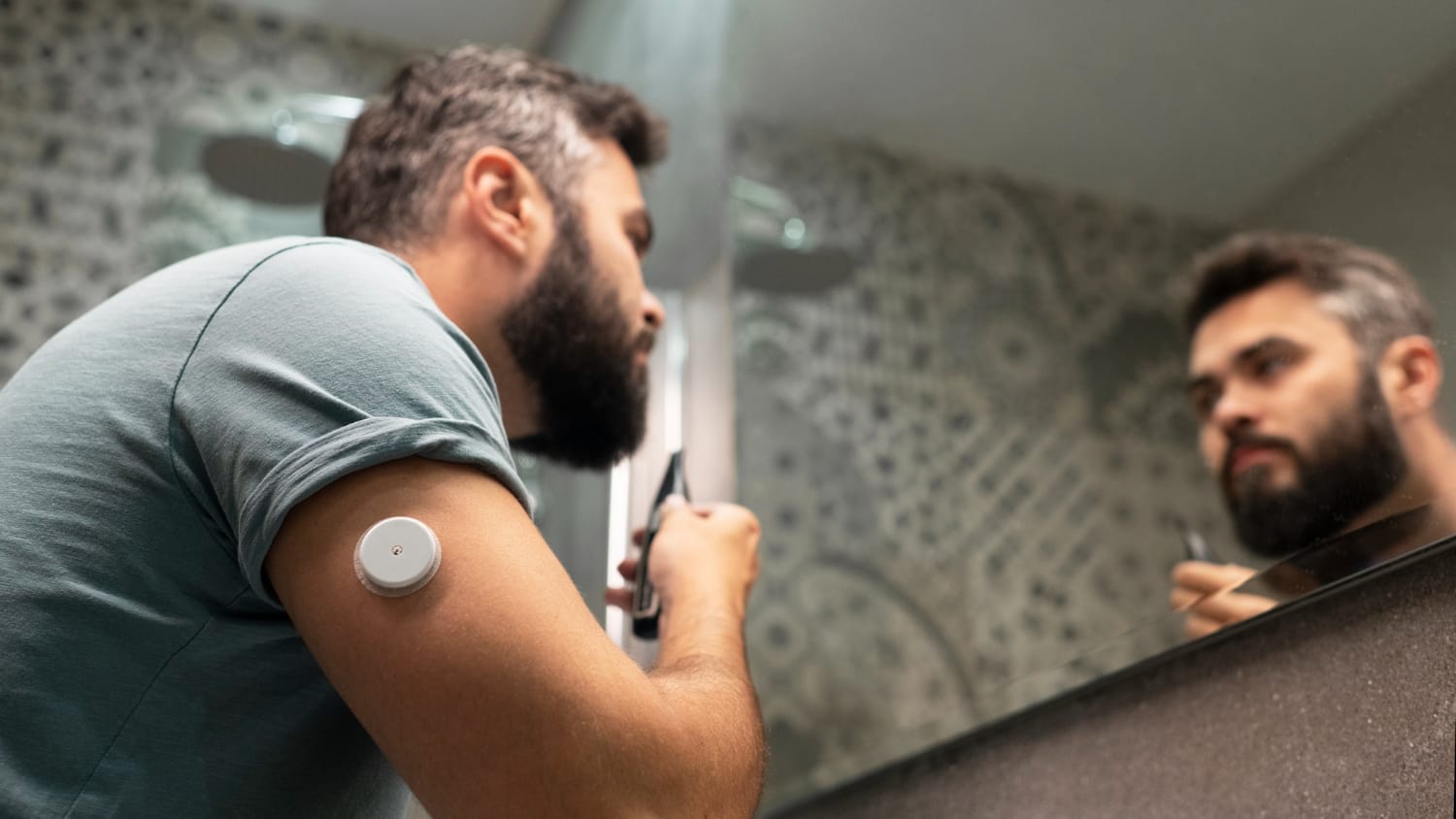
A depressão pós-barba é uma Baixo estado emocional que as pessoas podem enfrentar após o barbear. Isso pode incluir humores de tristeza, arrependimento ou desconforto, que estão associados ao evento de barbear, principalmente no rosto ou na cabeça do cabelo. Apesar do fato de que parece que esse fenômeno está realmente ocorrendo e tem um impacto negativo na saúde mental. Abordaremos os diferentes aspectos da depressão pós-barba neste artigo, incluindo suas causas, sintomas, opiniões de especialistas, evidências científicas e maneiras pelas quais se pode lidar com isso.
O que é depressão pós-barba?
pós-barba Depressão é um termo usado para descrever a tendência de baixa emocional experimentada por um indivíduo após o ato de raspar o cabelo facial ou na cabeça. Não se trata apenas da perda da barba ou do cabelo, pois pode-se passar por ter sentimentos de depressão, ansiedade ou uma sensação de perda de/uma parte de si mesmo. Para a maioria das pessoas, o cabelo facial ou de cabeça é uma parte importante de sua aparência geral, retirá-lo pode levar a respostas emocionais muito imprevisíveis.
Causas da depressão pós-barba.
Pode haver várias razões para alguns homens experimentarem uma sensação de barbear depressão. Ao entender essas causas do sentimento, os indivíduos se tornarão mais capazes de gerenciar suas emoções.
1. Identidade e auto-imagem.
Na maioria das vezes, o cabelo facial se torna o núcleo da pessoa. Por exemplo, uma barba pode ilustrar a masculinidade, a maturidade ou uma aparência única. E, ao retirá-lo, faz com que a pessoa sinta como se tivesse perdido uma parte delas. De acordo com a Dra. Emily Harrison, uma médica que se concentra na imagem corporal, “a ação de raspar os pelos faciais parece uma situação em que a identidade de alguém é colocada nas mãos de outra pessoa, o que leva à sensação de vazio emocional”.”
Histórias relacionadas
 Zinnitus: Por quanto tempo suas orelhas vão tocar depois de atirar com uma arma?
 folha de betel para diabetes
2. Percepção social.
São as normas de uma sociedade e a aprovação ou desaprovação do comportamento de uma pessoa por grupos sociais desempenham um papel significativo. Uma pessoa pode ter dúvidas sobre o que os outros vão dizer ou pensar sobre sua escolha devido ao medo de ser julgada ou receber gestos de não apoio. Por exemplo, um homem que sempre tem barba pode ter medo de como uma aparência barbeada aparecerá para os outros. Essa preocupação pode resultar em um sentimento de inquietação que pode facilmente se tornar uma ansiedade e, assim, se tornar um fermento de tristeza.
3. Disrupção de rotina.
Barbear, especialmente para aqueles que mantiveram um estilo particular por um período prolongado, é um tipo de mudança de vida que por si só dificulta a aceitação da diferença. E é assim que eles perdem a partida e estão prontos para ainda mais problemas. Torna-se assim claro que o ato de barbear, que inclui precisamente as mudanças necessárias para recriar eventos não habituais e perturbações desnecessárias, são considerados efeitos muito perturbadores das novas circunstâncias em nossa saúde mental. saúde.
Sintomas da depressão pós-barba.
É essencial identificar os sintomas da depressão pós-barba para reduzi-los ou se livrar deles. Aqui estão os sinais comuns, como os seguintes:
- tristeza: Uma situação em que não se consegue controlar sentimentos de profunda tristeza ou sem motivo aparente.
- arrependimento: A sensação de pensar que não se devia raspar e seria melhor deixar o cabelo ou o passado e o ato de repetir esse pensamento várias vezes.
- ansiedade: pensando muito sobre como ele se parece e se os outros aprovam ou não o visual. Além disso, isso o deixa preocupado e com medo.
- desconforto: Sensibilidade psicológica e física causada pela mudança de imagem que ele observa após o barbear.
- Perda de confiança: A sensação de fazer bem, sentir-se importante, sentir-se bem com a aparência de alguém e ter uma boa opinião sobre si mesmo são as coisas que não se terá depois de perder o controle sobre o cabelo habitual.
| 💡 Opiniões de especialistas sobre a depressão pós-barba. Nossa decisão de conversar com diferentes profissionais nos permitiu obter informações abrangentes e informar a discussão sobre a depressão pós-barba em relação a diversos pontos de vista. Dra. Emily Harrison, psicólogo. “A depressão pós-barba é o fato de que a autoestima das pessoas depende muito de sua aparência. Uma mudança radical pode resultar em uma crise temporária de identidade. Em primeiro lugar, é John Davis, barbeiro com 20 anos de experiência. John Davis é um barbeiro com mais de 20 anos de experiência profissional. “Como barbeiro, muitos clientes vêm até mim sem sua barba normalmente densa. Sempre explico a eles que o efeito decepcionante após o barbear não é apenas a transformação física, mas a mudança emocional também importava. Eu sugiro a eles que a melhor maneira é lidar com isso e lembrar que o cabelo pode crescer novamente. Aceitar lentamente a mudança pode fazer com que se sinta muito melhor.”, disse o barbeiro. |
Evidências científicas sobre a depressão pós-barba.
Embora haja uma falta de estudos sobre a depressão pós-barba, a pesquisa da imagem corporal e da autoestima pode dar uma compreensão da situação.
Imagem corporal e autoestima.
É bem pesquisado que a auto-estima é muito afetada pela imagem corporal. Como as mudanças no corpo são repentinas, elas são inesperadas e influenciam tanto a pessoa que a nova imagem pode se tornar objeto das preocupações de uma pessoa. O Journal of Social Psychology observou que as emoções e a autopercepção das pessoas foram muito impactadas apenas por uma alteração sutil na aparência.(1)
O impacto psicológico da preparação.
O uso ou preparação de cosméticos tem uma importância significativa Relação com a saúde mental positiva de um indivíduo. Uma pesquisa realizada pelo International Journal of Cosmetic Science entre a população em geral demonstrou que as pessoas têm mais probabilidade de compartilhar que os hábitos de higiene, incluindo o cuidado, afetam sua autoestima e, ao fazê-lo, influenciam a maneira como vivem. Mudar a rotina de preparação pode causar uma sensação temporária de mau humor ou diminuição da confiança.(2)
Lidando com a depressão pós-barba.
Lidar com a depressão pós-barba pode ser uma mistura de estratégias emocionais e práticas. Aqui estão várias técnicas úteis para auxiliar em tal situação:
1. Dê um tempo.
Tenha em mente que seu cabelo vai crescer de novo. Permita-se o espaço para se livrar do velho você e se acostume ao novo. Entre outras coisas, John Davis insistiu: “Espere por isso. A princípio, o choque diminuirá e você começará a se acostumar mais com uma mudança.”
2. Concentre-se no autocuidado.
Envolva-se em atividades que elevam as nuvens escuras e aumentam a auto-estima. Faça exercícios físicos, relaxe com parentes ou ocupe-se com algo novo. Dr. Harrison diz: “O autocuidado é essencial. Isso não apenas inspira sua confiança, mas também afeta positivamente a saúde mental/bem-estar geral.”
3. Procure apoio.
Compartilhe seus pensamentos e sentimentos sobre a situação com a família, amigos ou alguém de saúde mental. Desembalar os sentimentos pode fornecer algum alívio e abrir novas maneiras de ver uma situação, mesmo que seja por um tempo.
4. Mudanças graduais.
Se o plano for buscar uma transformação total de si mesmo, pense em fazê-lo gradualmente. Esse método pode contribuir para seus ajustes pessoais, bem como tornar o processo mais simples para as pessoas ao seu redor.
linha de fundo.
A depressão pós-barba não é brincadeira. É uma questão emocional grave e generalizada encontrada por muitos. O ponto importante é que estar ciente dos gatilhos e das manifestações é o passo para lidar com a doença. Com o tempo, o envolvimento em atividades que melhoram seu autocuidado, compartilham sentimentos e se abrem para a ideia de mudança como um processo, absolutamente dissiparão o sentimento. Sim, não há problema em se sentir um pouco baixo depois de fazer uma grande mudança em seu Outlook e, em pouco tempo, o confiante e confortável você estará de volta.
Expor o que é a depressão pós-barba, queremos dizer que tais sentimentos são naturais e uma pessoa pode se beneficiar de algumas dicas práticas sobre como lidar com isso. É verdade que o cabelo vai crescer novamente, mas cuidar da sua saúde mental sempre vem em primeiro lugar.
+2 de fontes
A FreaktoFit tem diretrizes rígidas de sourcing e conta com estudos revisados por pares, institutos de pesquisa educacional e organizações médicas. Evitamos o uso de referências terciárias. Você pode aprender mais sobre como garantimos que nosso conteúdo seja preciso e atualizado, lendo nosso política editorial.
- os efeitos contrastantes da imagem corporal e da auto-estima no uso de maquiagem; https://pmc.ncbi.nlm.nih.gov/articles/PMC8956164/
- Hábitos de uso de cosméticos e efeitos colaterais relacionados entre as mulheres: caso lituano; https://www.researchgate.net/publication/336593454_COSMETICS_USAGE_HABITS_AND_RELATED_SIDE_EFFECTS_AMONG_FEMALES_LITHUANIAN_CASE