













































 treino

 meditação


 podcast
 e-book


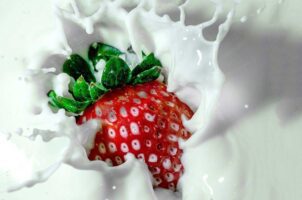
Você sabe por que os laticínios são ruins para você? No entanto, todos sabemos que o leite é uma excelente fonte de energia e uma maneira hormonal para o bebê se relacionar com a mãe. Termina quando a criança começa a comer alimentos. Esta é a nossa primeira associação com alimentos e, portanto, deve ser abandonada, pois torna os alimentos confortáveis.
Seus pulmões e intestino grosso trabalham em equipe quando se trata de processamento leite no corpo. Todos sabemos que os pulmões recebem oxigênio e eliminam o dióxido de carbono. A lactase é uma enzima encontrada no intestino delgado e sua função primária é quebrar lactose (açúcar no leite) em açúcares simples.
É particularmente abundante durante os estágios iniciais, após o que começa a diminuir, especialmente após os quatro anos de idade. Quando o leite é consumido em grandes quantidades, a quantidade de lactose é maior que a lactase do sistema digestivo. A razão por trás disso é o conceito natural de absorção.
Aqui está um exemplo simples.
Pegue um copo de água e adicione sal a ele. O sal vai se dissolver definitivamente. Agora continue adicionando mais e mais, e logo você chegará a um ponto em que a água atingirá seu ponto de absorção máximo e não poderá dissolver mais sal. É semelhante a qualquer coisa em laticínios ou outros. O excesso de leite simplesmente se acumulará nesta área, onde fermentará e reagirá com as bactérias existentes no seu intestino.
Histórias relacionadas
 14 benefícios surpreendentes para a saúde das sementes de feno-grego
 6 alimentos saudáveis que todo lutador do UFC come que você deve comer na sua dieta
O excesso fermentado será convertido em dióxido de carbono e ácido lático, o que cria a pressão da água em todos os seus tecidos. Seus pulmões receberão oxigênio e eliminarão o dióxido de carbono, um excesso que produz sangue ácido, o que o atrasará e também causará fadiga mental. Sangue ácido é como lamacenta (lenta e engrossa). Isso torna seu fluxo mais difícil e retarda os órgãos.
Volte para seus ancestrais, para o homem das cavernas. Apenas uma pessoa engoliria lactose quando era criança, recebendo leite de suas mães. Depois disso, o leite nunca foi consumido em sua vida. É somente com a invenção da agricultura e da criação de animais que o leite se tornou prontamente disponível para adultos. Não somos feitos para ser comedores de laticínios.
7 razões pelas quais os laticínios são ruins para você?
- acumular gordura.
- Promova o câncer.
- gorduras saturadas elevadas.
- suprimir a absorção.
- problema digestivo.
- acidez.
- Impacto negativo.
acumular gordura.
De acordo com T Colin Campbell's, um estudo realizado na China, onde se descobriu que a caseína é uma proteína que não se assimila ao sistema digestivo e a maior parte do produto lácteo possui isso.(1) O leite de vaca contém 18% de soro de leite e 40% de caseína. Pense em caseína entrando em seu estômago e se tornando como iogurte, que gruda na parede intestinal. Ele interfere na capacidade do sistema digestivo de absorver os nutrientes de outros alimentos, causando o acúmulo de gordura.
Promova o câncer.
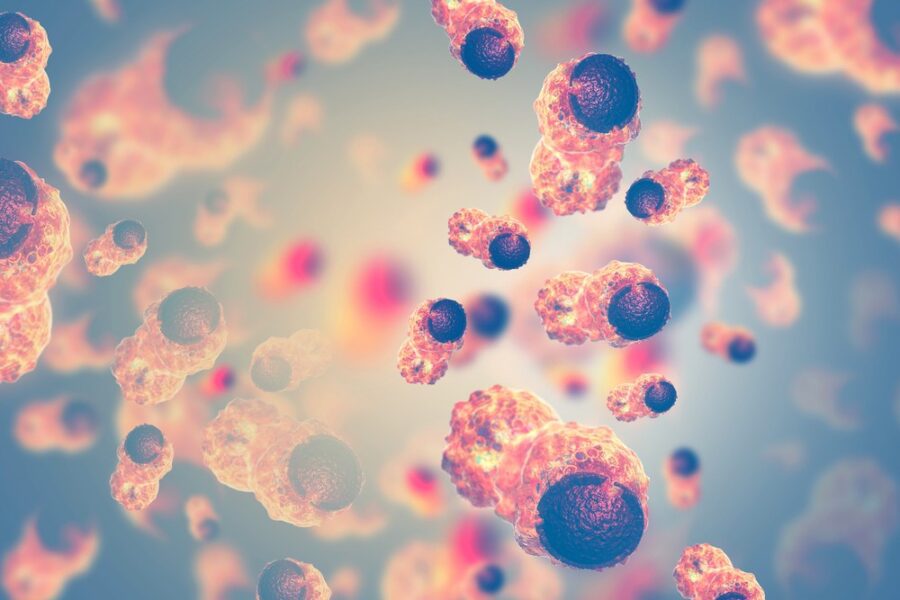
Normalmente, o tecido mole se acumula ao redor e pode ser fatal ao longo do tempo. Por isso, há um aumento na incidência de câncer e particularmente o câncer de mama em todo o mundo. Mulheres que consomem uma dieta rica em alimentos de origem animal com pequena quantidade de Alimentos à base de plantas, primeiro alcance a puberdade e depois a menopausa. estendendo assim sua vida reprodutiva. O nível de hormônios femininos (incluindo o estrogênio) é alto em sua vida. Um risco ao longo da vida para o estrogênio traz mulheres com maior risco de câncer de mama.
A dieta desempenha um papel importante no estabelecimento da exposição ao estrogênio. A exposição ao estrogênio e o aumento dos níveis de hormônios relacionados são o resultado do consumo de dietas ocidentais específicas, de altas proteínas e de proteínas animais e pobres em fibras alimentares.
A proteína do leite de vaca é uma originadora de câncer excepcionalmente poderosa. Em um experimento realizado pela China, a caseína que representa 87% do leite de vaca, foi usada em ratos e promovia o câncer no início. A maioria das mulheres que têm câncer de mama são consumidores de laticínios pesados.
gorduras saturadas elevadas.
Os laticínios são ricos em gorduras saturadas, o que nos promove a acumular colesterol nas artérias. Como mencionado anteriormente, a gordura do leite se acumula no corpo, adicionando camadas pesadas aos músculos. Esta gordura retarda o oxigênio, atingindo outros tecidos do corpo no corpo e a falta de oxigênio retarda o metabolismo Tornando o seu sistema sem graça e, eventualmente, ganhando peso em seu corpo.
suprimir a absorção.
pasteurização Causa significativa perda de vitaminas e destrói enzimas benéficas e também altera os níveis de cálcio no leite. homogeneização Aumenta a probabilidade de putrefação do leite e causar oxidação no corpo, criando uma nova membrana de gordura com alta caseína. Além disso, a homogeneização libera uma enzima chamada xantina oxidase na corrente sanguínea, que danifica a membrana, causando tecido cicatricial (ferida).
em que o colesterol se acumula ao entrar nas artérias do coração e fecha as artérias. A vitamina D desempenha um papel importante no uso de cálcio no corpo. Por esse motivo, a indústria de laticínios leva seu leite para o coração com formas sintéticas de vitamina D (calciferol).
O magnésio estimula calcitonina Produção, que aumenta o cálcio nos ossos e evita que seja absorvido pelos tecidos do corpo. No entanto, a versão sintética da vitamina D no leite fortificado remove o magnésio do corpo. Portanto, embora precisemos de magnésio para absorver o cálcio, o leite fortificado reduz os estoques de magnésio. Então, quão boa é a vitamina D quando não temos magnésio para absorvê-la?
E sem magnésio, como seria produzida a calcitonina para aumentar o cálcio em nossos ossos? Portanto, só porque o cálcio está presente no leite, não é necessariamente que você possa absorvê-lo. Uma grande proporção de pessoas no mundo não depende de laticínios para suas necessidades de cálcio, e ainda assim é forte para suas necessidades de cálcio e ainda tem ossos e dentes fortes para terminar.
problema digestivo.
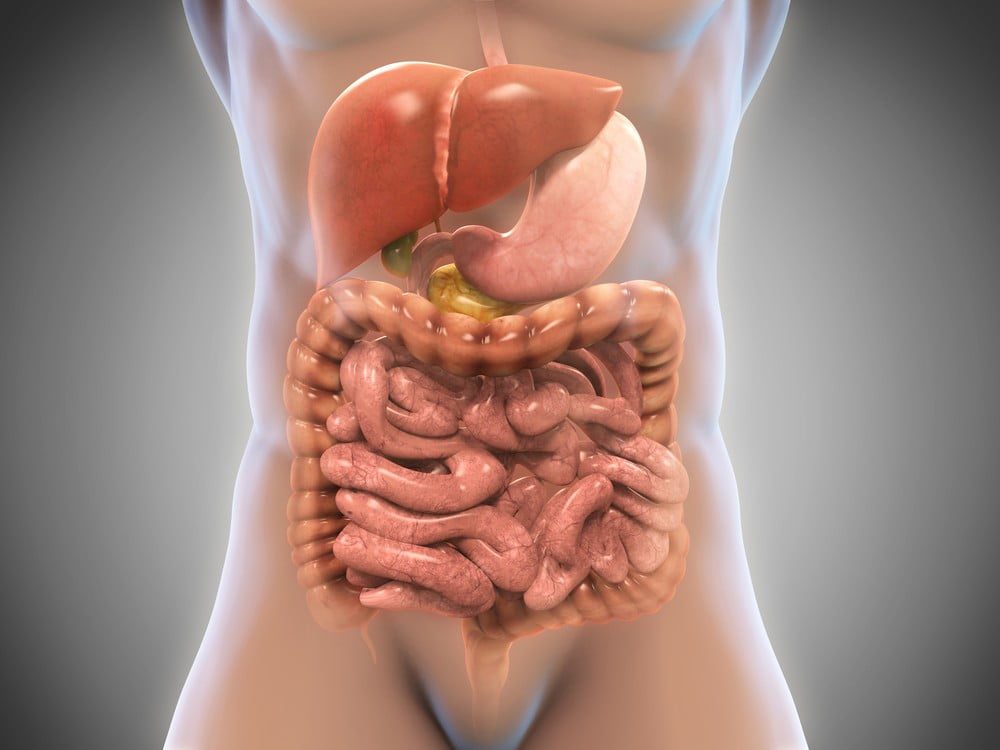
A lactase permanece no intestino até a idade de cerca de um ano, após o que começa a diminuir. Após os quatro anos de idade, não existe mais, fazendo com que digestão de leite difícil. A maioria das pessoas não sabe disso e vive a vida com refluxo ácido e problemas digestivos, mas ainda assim, continua a consumir produtos lácteos.
acidez.
O equilíbrio do leite de pH é 6,5, o que o torna levemente ácido. Quando é consumido, torna-se mais aquecido em nosso corpo, aumentando assim o nível de acidez. Isso faz com que as bactérias ruins floresçam, o que afeta negativamente o sistema imunológico. Se você tiver problemas relacionados à mucosa, como candida, corrimento nasal, asma, alergias, seios ou outros problemas, como constipação, excesso de peso e língua branca revestida grossa, você deve cortar os laticínios de sua dieta.
Impacto negativo.
As vacas recebem hormônios de crescimento para aumentar a produção de leite. Quando bebemos leite, também acabamos consumindo alguns desses hormônios porque o leite de vaca é referido como “tecido não estruturado” por Steve Gagne sobre a energia do leite.
Como seu corpo não pode processar esse “tecido não estruturado”, a caseína presente nele, que está ligada ao seu tecido, provavelmente será afetada negativamente. Se você não tem leite, se comer um pequeno pedaço de queijo, seu estômago desaparece imediatamente e seu amor pega o pad. É incrível a rapidez com que o corpo reage.
| Você sabia? O queijo cria uma condição seca no corpo e aumenta as rugas da pele ao comer uma overdose, enquanto a manteiga excessiva produz um efeito úmido e restringe o fluxo de sangue para o cérebro e causa letargia no corpo. |
Perguntas frequentes.
O leite de vaca e outros produtos lácteos contêm proteína de soro de leite e caseína, que aumentam o nível de determinado hormônio, como insulina ou IGF-1, que podem aumentar a produção de sebo. Devido a essa atividade, a produção de óleo no rosto aumentou, o que pode causar acne e outros problemas de pele.
Os produtos lácteos ou laticínios não são totalmente ruins para a SOP. No entanto, você deve consumir leite e outros produtos lácteos em quantidades limitadas. O consumo excessivo pode aumentar o nível de glicose no sangue e também estimular os fatores de crescimento da insulina.
Os laticínios são ruins para o Paleo, pois podem causar alergias ou podem levar à intolerância à lactose em algumas pessoas.
linha de fundo.
Todos sabemos, como outros alimentos e bebidas, o leite desempenha um papel vital para o corpo. Mas o consumo excessivo de leite pode levar a muitas doenças. Além de prejudicar seu sistema digestivo.
Portanto, pode-se dizer que, coma tudo em quantidade adequada. Qualquer coisa em menos ou em excesso não é de todo bom para o corpo.
Espero que este artigo tenha ajudado com as informações necessárias.
++5 fontes
A FreaktoFit tem diretrizes rígidas de sourcing e conta com estudos revisados por pares, institutos de pesquisa educacional e organizações médicas. Evitamos o uso de referências terciárias. Você pode aprender mais sobre como garantimos que nosso conteúdo seja preciso e atualizado, lendo nosso política editorial.
- A caseína é um cancerígeno; https://nutritionstudies.org/provocations-casein-carcinogen-really/
- definição médica de lactose; https://www.medicinenet.com/lactose/definition.htm
- pasteurização; https://www.idfa.org/pasteurization
- homogeneização; https://www.sciencedirect.com/topics/agricultural-and-biological-sciences/homogenization
- O que é calcitonina?; https://www.hormone.org/your-health-and-hormones/glands-and-hormones-a-to-z/hormones/calcitonin













Seu artigo me ajudou muito, há mais conteúdo relacionado? Obrigado!