


















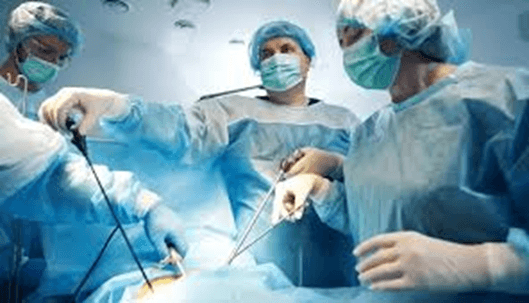
Medical science has evolved rapidly over the past few decades, and laparoscopic treatment stands out as one of the most remarkable advancements in modern surgery. Today, patients no longer have to fear large incisions, long hospital stays, or extended recovery periods. With the expertise of a skilled General and Laparoscopic Surgeon, minimally invasive procedures now offer safer surgeries, reduced pain, and faster healing. Advanced laparoscopic treatment has transformed surgical care by combining precision technology with patient-focused outcomes, making recovery smoother and more comfortable than ever before.
Laparoscopic surgery, often called keyhole surgery, involves making small incisions through which a thin camera (laparoscope) and specialized instruments are inserted. The camera projects detailed images onto a screen, allowing surgeons to operate with exceptional accuracy. This technique minimizes damage to surrounding tissues and significantly reduces post-operative discomfort compared to traditional open surgery.
How Advanced Laparoscopic Treatment Works
The success of laparoscopic treatment lies in its precision and minimally invasive approach. Instead of one large incision, surgeons make a few small cuts, typically less than an inch long. Carbon dioxide gas is gently introduced to inflate the area slightly, providing better visibility and working space for the procedure. The laparoscope transmits high-definition images, enabling the surgeon to perform delicate operations with enhanced control.
This approach is widely used for procedures such as gallbladder removal, hernia repair, appendix removal, gynecological surgeries, and certain gastrointestinal operations. In many cases, patients can return home within a day or two, resuming normal activities much sooner than with conventional surgery. Smaller incisions also mean minimal scarring, reduced blood loss, and a lower risk of infection.
Related Stories
 Toilet Infections in Male and Female: Types, Symptoms and Cure
 Can Cinnamon Cause a Miscarriage? A Scientific and Practical Perspective
Expanding Applications in Modern Medicine
Advanced laparoscopic treatment is not limited to routine procedures; it has also become an important option in more complex cases. In specialized situations, a trained Surgical Oncologist may use laparoscopic techniques to remove certain tumors or treat cancers in their early stages. This minimally invasive approach allows for precise removal while preserving as much healthy tissue as possible.
The use of advanced imaging systems and improved surgical tools has expanded the possibilities of laparoscopic care. Today, even procedures involving the liver, pancreas, and colon can sometimes be performed laparoscopically, depending on the patient’s condition. These innovations have significantly improved patient outcomes, offering effective treatment with less trauma to the body.
Benefits of Laparoscopic Surgery for Patients
One of the greatest advantages of advanced laparoscopic treatment is reduced post-operative pain. Because the incisions are smaller, there is less tissue damage, leading to greater comfort after surgery. Patients typically require fewer pain medications and experience less swelling.
Recovery time is another major benefit. Many patients return to work and daily activities within a week or two, depending on the procedure. Shorter hospital stays also reduce healthcare costs and the emotional stress often associated with long-term hospitalization.

Additionally, smaller scars provide cosmetic benefits, which can be important for many individuals. The lower risk of complications such as infections or hernias further enhances patient confidence in choosing laparoscopic procedures. Overall, this modern approach prioritizes both medical success and patient comfort.
Is Laparoscopic Treatment Right for Everyone?
While laparoscopic treatment offers numerous advantages, it may not be suitable for every patient or every condition. Factors such as previous surgeries, severe infections, or complex medical histories may influence the decision. A thorough evaluation, including imaging tests and medical assessment, helps determine the safest and most effective surgical plan.

Open communication between the patient and the surgeon is essential. Understanding the procedure, recovery timeline, and potential risks allows patients to make informed decisions. In many cases, individuals are pleasantly surprised to learn that minimally invasive surgery is an option for their condition.
The Recovery Journey
Recovery after laparoscopic surgery is generally smoother and quicker than traditional surgery. Most patients experience mild discomfort around the incision sites, which usually resolves within a few days. Walking and light movement are encouraged early to promote circulation and prevent complications.
Following post-operative instructions, maintaining a balanced diet, and attending follow-up appointments are important for optimal healing. Patients often report feeling back to normal much sooner than expected, appreciating the minimal disruption to their daily routines.
Emotional reassurance also plays a role in recovery. Knowing that the procedure was performed with advanced technology and minimal invasion can reduce anxiety and build confidence in the healing process.
The Future of Laparoscopic Innovation
The future of laparoscopic treatment continues to look promising. Robotic-assisted laparoscopy, enhanced 3D imaging, and precision-guided instruments are further improving surgical accuracy and patient safety. These advancements aim to make procedures even less invasive while expanding the range of treatable conditions.
As technology continues to evolve, patients can expect even better outcomes, faster recoveries, and more personalized surgical care. Advanced laparoscopic treatment represents not just progress in medicine but a commitment to improving quality of life.
Conclusion
Advanced laparoscopic treatment has revolutionized the field of surgery by offering modern solutions for pain-free recovery. With smaller incisions, reduced discomfort, shorter hospital stays, and faster return to daily life, it provides a patient-centered alternative to traditional open surgery. Whether for routine procedures or specialized treatments, minimally invasive techniques continue to redefine what surgical care can achieve. By combining expertise, innovation, and compassionate care, laparoscopic treatment ensures that patients not only recover but recover stronger, faster, and with greater confidence in their health journey.