










6 Best Yoga Poses To Relieve Soreness: My Experience, Expert Insights and Outcomes Which Exercise is Best For Irritable Bowel Syndrome? Is Broasted Chicken Healthy 7 Wonderful Yoga Poses To Reduce Cholesterol Apana Mudra: Benefits, Side Effects, How To Do and Precautions Does Sauna Burn Calories? Digital Nervous System Dysregulation (2026): Why You’re Exhausted, Wired, and Weirdly Unable to Relax 😵‍💫 Mayseeds: Lifestyle, Workout Routine and Diet Plan Complete Guide to Modern Hair Restoration Effectiveness of Pipli For Weight Loss and Other Diseases Sepsis and Its Complete Dietary Management The Luddite Workout: Reclaiming Strength Through Rock, Earth, and Hands-On Labor Unlocking the Power of Myofascial Release Yoga Training: Benefits, Techniques, and Expert Insights Aluminum Foil for Sciatica: A Comprehensive Guide What Exercises Should Be Avoided With High Blood Pressure? How Yoga is Beneficial for Muscle Building? Harnessing the Power of the Falling Star Pose 10 Types of Meditation Techniques Suitable for Beginners Lip Filler Migration: Massage and How to Prevent 12 Amazing Health Benefits of Jackfruit – A Superfood What Training Do NFL Players Receive? Are Tyson Chicken Nuggets Healthy Is A Starbucks Pink Drink Really Healthy Scarecrow Exercise: Best Exercise For Your Abs and Shoulders Top 5 TRX Exercises I Use to Train My Legs at Home Why Protein Shakes Cause Bloating: Understanding the Causes and Easy Solutions How Do You Treat Locked Knee at Home: 8 Best Ways Sinful Nutrition Where Every Veggie Has A Dark Side Best Ayurvedic Juice for Diabetics Amazing Health Benefits of Prithvi Mudra My Complete Guide to Hurdle Stretching: Benefits, Techniques & Pro Tips for Faster Performance How Long Is Bacon Good For In The Fridge How to Tie Hair While Sleeping for Hair Growth? Are Wireless Headphones Dangerous? Exploring the Health Risks and Safety Concerns How To Make Phentermine Work Again What Are The World’s Healthiest 20 Fruits? 6 Ways Bed Pads Can Help Patients with Incontinence 10 Essential Yoga Poses for Beginners at Home Breathe Easy: Navigating Your Fitness Journey Despite Allergies Surya Mudra : Meaning, Benefits and Weight Loss
Book an Appointment Appointment Ask a Question Ask Question Talk to an Expert Talk2Expert Questions and Answers Q&A Health Tracker Tools Health Tracker Workout and Fitness Workout Nutrition and Diet Nutritious Yoga and Meditation Meditation Health and Well Being Well-Being Mood Music Mood Music Social Service Social Service Listen to Our Podcast Podcast Ebook Store E-book
✓ Evidence Based
9.5k
Reads
1.2k

What is Cold Rice Syndrome?

5 min read |
Our editorial process ensures that the information we provide is well-researched and reliable. Learn about our commitment to quality in our editorial policy.

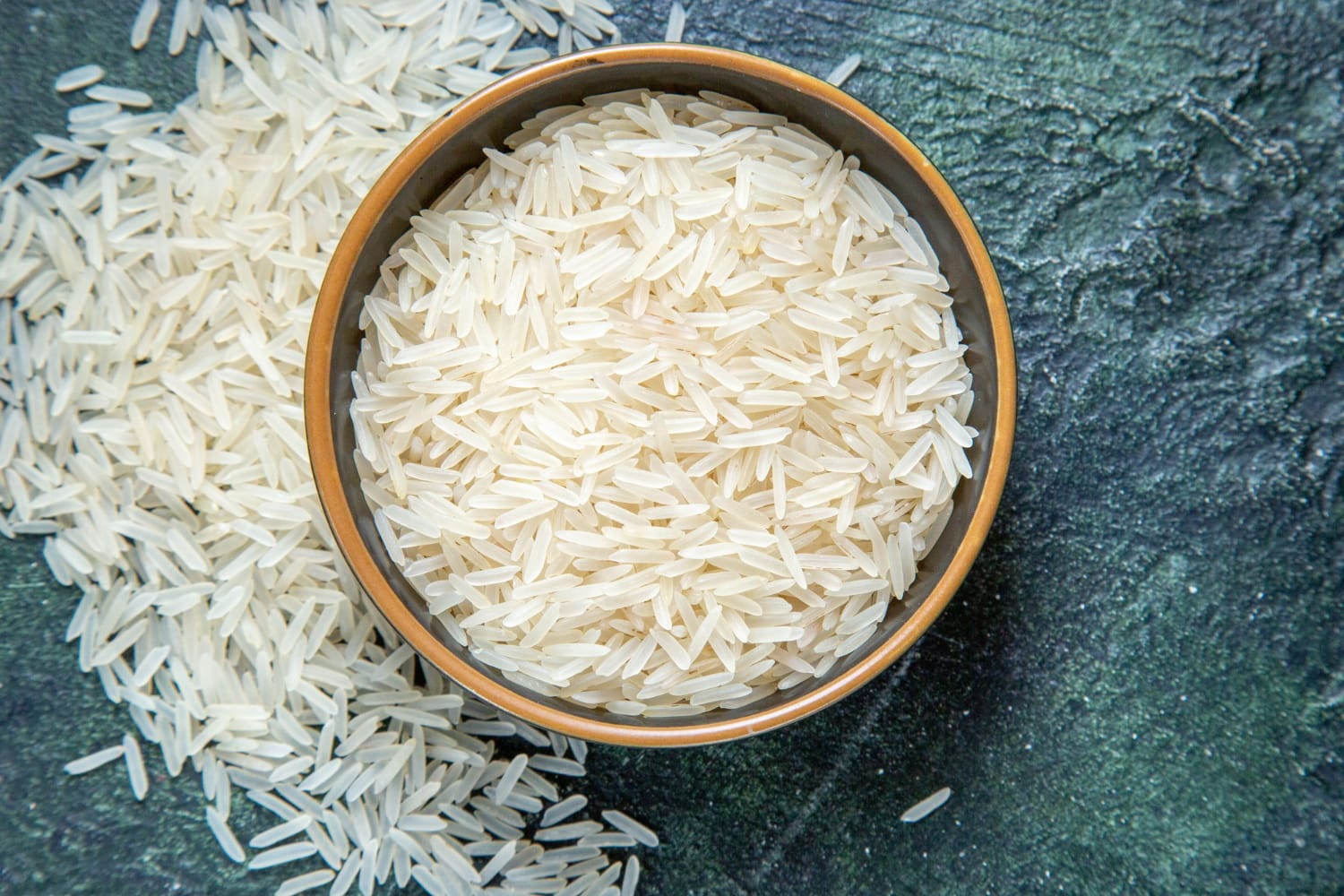
Cold rice is popularly known as syndrome, which is a food disease caused by bacterial basilus censorship.

It is a microorganism that is capable of avoiding unfavorable weather conditions for an extended period of time and capable of producing toxins that are harmful to our body, causing everything in extreme cases to extreme cases.

Why it is called Cold Rice Syndrome?

It is usually called cold script syndrome because it is due to the high content of this bacteria in the food above, in addition to being present in a large number of foods, e.g. For example: e.g.

  • creams.
  • different desserts.
  • milk.
  • vegetables.

The great danger of these bacteria is related to time and temperature as the food is left in question, as some types grow at temperatures of 4 ºC (cycrophers), while others live between 7 ºC and 55 ºC (mesophiles).

Therefore, if you do not want to suffer nausea or diarrhea because of this, cool already cooked food, keep clothes and kitchenware clean and over, if you notice discomfort and/or abdominal pain for more than eight hours, and if you think it may be caused by contaminated food, you can drink water and see your doctor.

Points To Ponder.

  • Bacillus cereus is a bacterium that causes Cold Rice Syndrome and is able to proliferate in cooked food because of improper storage.(1)
  • The common carriers that should not be stored in an appropriate manner include rice, desserts, dairy and vegetables.
  • It can be expressed by nausea, vomiting, abdominal cramps, and diarrhea.
  • Cooking does not kill bacteria, thus, improper cooling and storage is the last threat.
  • Safe practice:Refrigeration should therefore be performed on cooked food under the range of 1-2 hours and then warmed to be consumed.
  • High risk: old, children, pregnant women and individuals with low immunity.
research
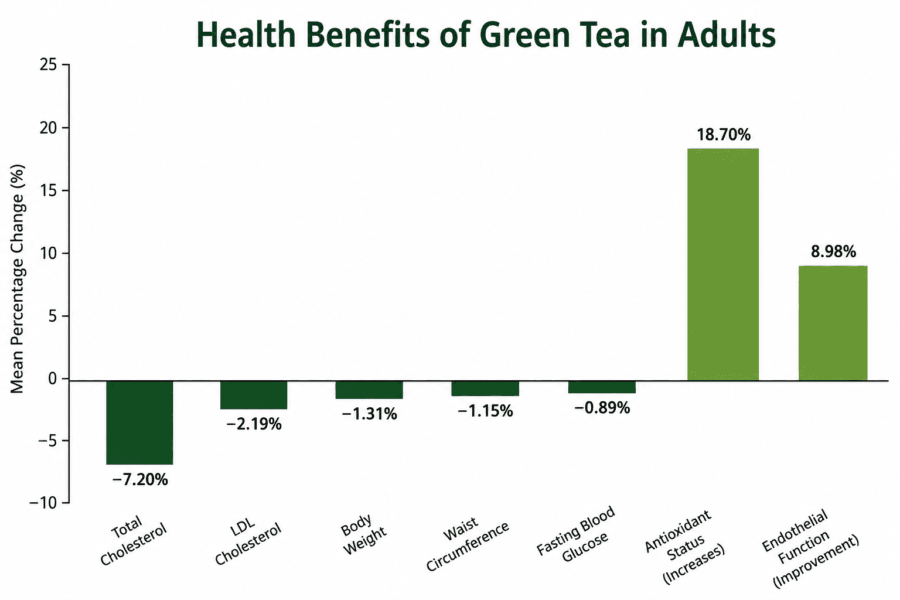
The chart highlights the relative risk of Bacillus cereus contamination in rice and rice-based foods, showing the highest risk associated with improperly stored cooked rice, followed by rice-based dishes and desserts, while dairy products and cooked vegetables also present moderate contamination risks, emphasizing that improper storage at room temperature can promote bacterial growth and toxin production, making rapid cooling, refrigeration, and proper reheating essential for food safety and prevention of “Cold Rice Syndrome.”

Personal Interview Insight.

Q: Doc, why so with rice, it is such a crime promoter?
A:
Rice can be prepared in great quantity and is allowed to remain at room temperature hours. This provides the desirable environment of Bacillus cereus spores activation and toxin production.

Q: Does the bacterium die in case of super heating?
A:
It is possible that some of the bacteria can be killed by the heating, but the toxins that have been produced cannot be killed. This is what makes it necessary to have faster cooling and correct refrigeration.

Q: What is your recommendation to the households?
A:
“Don’t leave cooked rice out. Keep in refrigerator up to not more than 2 hours and eat within 24 hours. Prevention is the only other option that is safe.

Frequently Asked Questions(FAQ).

1. What then is, Cold Rice Syndrome?

It is a foodborne illness resulting in foodborne toxins produced by Bacillus cereus which is commonly associated with the mishandling of rice and starchy food items.

2. How long is the interval between the intake of contaminated foodstuff and the signs and symptoms?

Typically between 1 and 8 hrs (vomiting form), or between 8 and 16 hrs (diarrheal form).

3. Can it be life-threatening?

The majority of the cases are mild and self-limiting, but, in pre-disposed patients, dehydration or severe illness can take place.

4. How can I prevent it?

Fridge food should be cooled as fast as possible and reheated as fully as possible and rice/desserts should not be left at room temperature.

5. Is it contagious?

No, it is not being transmitted to the rest of the people by contact or by being in contact but by infected food.

Bottom Line.

Cold Rice Syndrome is a food borne disease, the prevention of which is not as harmless as it may seem. The reason is that behind it, there are bacteria, Bacillus cereus, which preys on the cooked food in excess storage. The best protection? Store it safely, keep it and reheat. Prevention is not easy said than.

+1 Source

FreakToFit has strict sourcing guidelines and relies on peer-reviewed studies, educational research institutes, and medical organizations. We avoid using tertiary references. You can learn more about how we ensure our content is accurate and up-to-date by reading our editorial policy.

  1. Risk of Bacillus cereus in Relation to Rice and Derivatives; https://pmc.ncbi.nlm.nih.gov/articles/PMC7913059/


Last reviewed on May 21, 2026

How we reviewed this article:

ⓘ Sources

FreakToFit follows strict sourcing guidelines and relies on peer-reviewed studies, academic research institutions, and reputable medical organizations. We only use high-quality, credible sources to ensure the accuracy and integrity of our content.

🕖 History

Our experts continually monitor the health and wellness space, and we update our articles when new information becomes available

Current Version

Written by Jessica Booth (Health Expert), WE

Reviewed by Dr. Patricia Gaile Espinosa

Updated: May 21, 2026

Jul 9, 2024

Written by Jessica Booth (Health Expert), WE

Reviewed by Dr. Patricia Gaile Espinosa

The information shared in this article is for educational purposes only and should not replace professional medical consultation. Always speak with a qualified healthcare provider about any health concerns or treatments. Know More

Jessica Booth is a New York-based freelance creator who in many instances writes about health, wellness, parenting, food, travel, splendor and greater for a range of publications. Know More. Learn about our editorial process.

Read Bio →

Dr. Patricia Gaile Espinosa has 9 years of experience. She is a Diplomate of the Philippine Dermatological Society, and a member of the Philippine Academy...

Read Bio →
Was this article helpful?

How helpful was it?

Change

Thank you!

Your feedback has been sent successfully.

Leave a Comment

×
SUBSCRIBE TO GET LATEST FITNESS & NUTRITION UPDATES
Enter your email below and join us for fitness journey
opt-in image
Advertisement
Advertisement
Advertisement
Advertisement
Advertisement
Advertisement
Advertisement
Advertisement
Advertisement
Advertisement
Advertisement
Advertisement
Advertisement
Advertisement
Advertisement