






































 latihan

 meditasi


 podifikasi
 buku elektronik

dlm sekejap
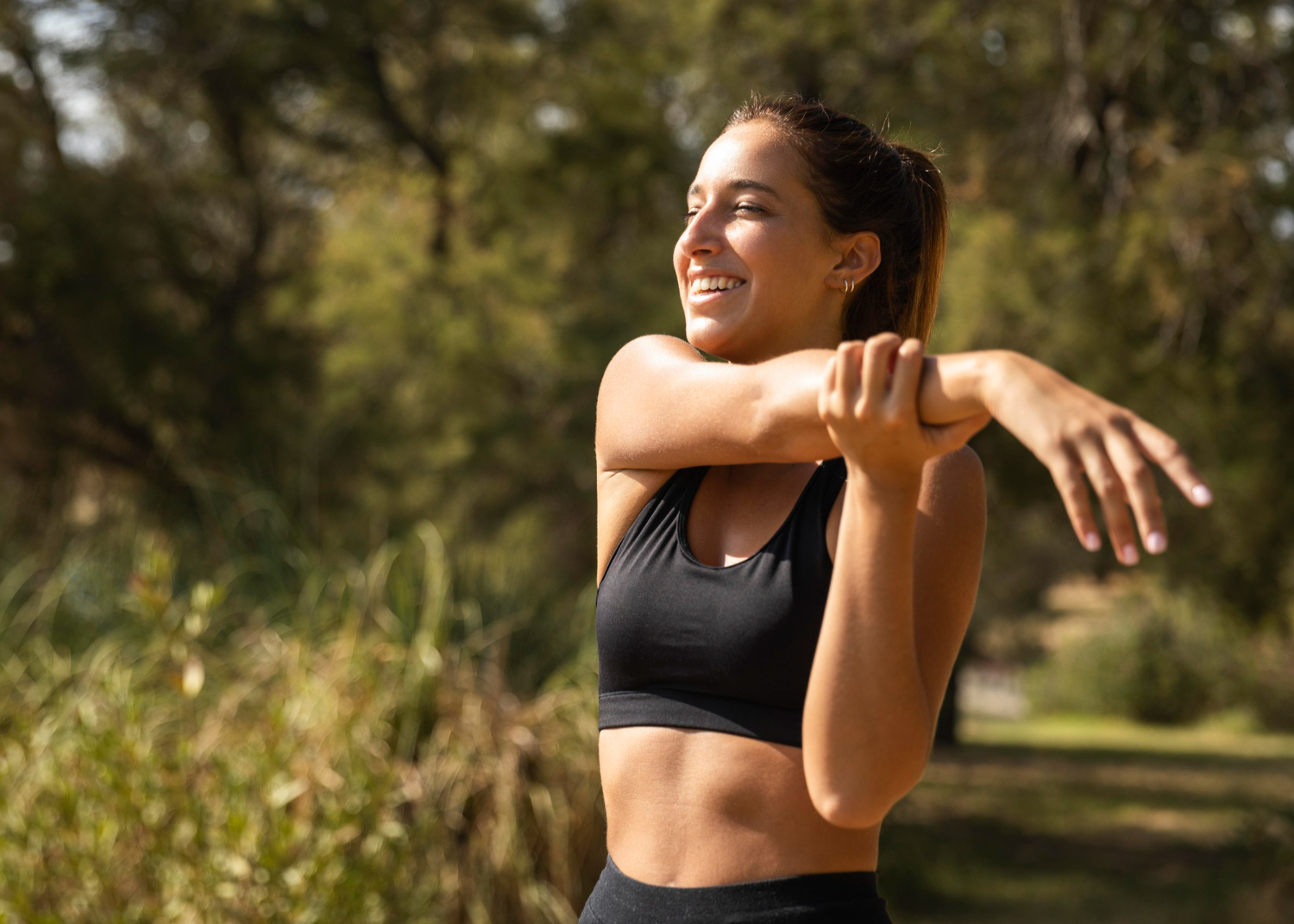
- Orang dewasa disarankan untuk menyelesaikan setidaknya 150 menit latihan fisik intensitas sedang atau 75 menit latihan intensitas berat setiap minggu serta latihan fisik penguatan otot pada dua hari atau lebih setiap minggu.
- : Minimal, Anda harus minum delapan gelas air 8 ons per hari, dengan angka ini meningkat atau menurun tergantung pada aktivitas dan iklim.
- Count the beats in a period of 15 Seconds and multiply the number by four to obtain Natchez per minute.

Mengetahui gejala kesehatan yang baik sangat penting dalam memastikan kesehatan yang baik dan menghindari masalah kesehatan yang sudah ditentukan. Panduan ini menjelaskan indikator utama kesehatan dan cara pengukuran dan saran profesional mereka yang dapat membantu Anda mengevaluasi keadaan kesehatan secara keseluruhan.
Bagaimana cara mengidentifikasi apakah seseorang sehat atau tidak?
Nah, sekarang kita akan berkenalan dengan apa yang merupakan indikasi utama dari Kesehatan secara keseluruhan dari seorang individu.
1 Tanda-tanda vital: Dasbor tubuh.
Tanda-tanda vital adalah batas dalam mencerminkan aktivitas utama tubuh. Skrining berkala dapat digunakan untuk memberikan peringatan dini tentang kondisi kesehatan.
Cerita terkait
 Perawatan laparoskopi canggih: solusi modern untuk pemulihan bebas rasa sakit.
 Apa yang Harus Dimasukkan pada Kulit Setelah Microneedling : Saran Ahli
A. detak jantung.
- Detak jantung istirahat: Denyut jantung istirahat yang benar bervariasi antara 60 dan 100 untuk orang dewasa. Orang yang aktif secara fisik seperti atlet dapat mencatat tingkat yang lebih rendah.
- Prosedur: Anda harus meletakkan jari telunjuk dan tengah pada pergelangan tangan atau leher untuk menemukan denyut nadi. Hitung ketukan dalam periode 15 detik dan kalikan angka dengan empat untuk mendapatkan Natchez per menit.
B. Tekanan darah.
- kisaran normal: ideal tekanan darah lebih rendah dari 120/80 mm Hg. Jumlah yang berlebihan dapat meningkatkan ancaman penyakit jantung dan stroke.
- pengawasan: mengukur tekanan darah di rumah dengan cek dan manfaatkan saat pergi ke dokter. Ini harus dipantau secara teratur, terutama ketika Anda memiliki faktor predisposisi hipertensi.
C. laju pernafasan.
- Pernapasan normal: Jumlah pernapasan normal orang dewasa yang sehat adalah antara 12 pernapasan per menit dan 20 pernapasan per menit. Pernapasan harus tidak tegang dan tegang.
- Pengukuran: Periksa jumlah napas dalam periode satu menit saat istirahat. Tarif yang tetap tinggi secara konsisten layak untuk ditinjau secara medis.
2 Kebugaran fisik: di luar penampilan
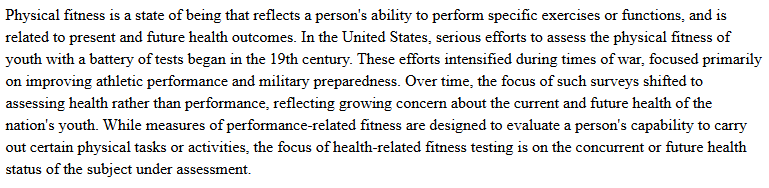
Kebugaran fisik meliputi kekuatan, daya tahan, fleksibilitas dan komposisi tubuh.(1)
A. Komposisi tubuh.
- Indeks massa tubuh (BMI): BMI adalah alat yang sangat umum tetapi tidak sehat karena tidak dapat membedakan antara MAS muscalar dan massa lemak.
- Rasio pinggang-pinggul (WHR): Metrik ini adalah ukuran distribusi lemak tubuh. WHR yang lebih tinggi dikaitkan dengan lebih banyak risiko kesehatan.
Tabel: Tingkat risiko rasio pinggang-ke-pinggul
| jenis kelamin | Risiko Rendah | Risiko Sedang | yg menimbulkan risiko |
| laki-laki | < 0,90 | 0,90–0,99 | 1.00 |
| puteri | < 0,80 | 0,80–0,84 | 0,85 |
B. Tingkat aktivitas fisik.
- rekomendasi: Orang dewasa disarankan untuk menyelesaikan setidaknya 150 menit latihan fisik intensitas sedang atau 75 menit latihan intensitas berat setiap minggu serta latihan fisik penguatan otot pada dua hari atau lebih setiap minggu.
- Evaluasi diri: Evaluasi bagaimana Anda dapat melakukan tugas sehari-hari Anda tanpa melelahkan diri sendiri dan berolahraga secara konsisten.
3 Status Gizi: Memicu tubuh yang benar.
Kesehatan didasarkan pada nutrisi yang tepat.

A. Diet seimbang.
- Tanda-tanda: Makan berbagai macam buah, sayuran, daging tanpa lemak, gandum utuh, dan lemak sehat.
- memeriksa sendiri: Buku harian makanan akan membantu untuk mengamati pola makan dan konsumsi makanan gizi.
B. Hidrasi.
- Tanda-tanda hidrasi yang cukup: urin berwarna kuning muda (atau jernih), selaput lendir lembab (atau keran) dan turgor kulit elastis.
- memberi petunjuk: Minimal, Anda harus minum delapan gelas air 8 ons per hari, dengan angka ini meningkat atau menurun tergantung pada aktivitas dan iklim.
4 Kesejahteraan mental dan emosional: koneksi pikiran-tubuh.
Kesehatan mental sangat berpengaruh terhadap kesehatan fisik.
A. Stabilitas emosional.
- indikator: Kemampuan untuk mengatasi stres, mempertahankan hubungan, dan mengalami berbagai emosi dengan tepat.
- penilaian sendiri: Secara teratur merenungkan suasana hati Anda, tingkat stres, dan pandangan hidup secara keseluruhan.
B. Fungsi kognitif.
- tanda-tanda: Berpikir jernih, ingatan yang baik, dan kemampuan untuk berkonsentrasi dan membuat keputusan.
- memberi petunjuk: Terlibat dalam kegiatan yang menantang otak, seperti teka-teki, membaca, atau mempelajari keterampilan baru.

5 Pola tidur: istirahat restoratif.
Kualitas tidur sangat penting untuk kesehatan secara keseluruhan.
A. Durasi dan kualitas tidur.
- rekomendasi: Orang dewasa harus menargetkan 7-9 jam tidur tanpa gangguan per malam.
- Indikator tidur yang baik: Tertidur dalam waktu 30 menit, bangun malam minimal, dan merasa segar saat bangun tidur.
- memberi petunjuk: Menetapkan jadwal tidur yang konsisten dan menciptakan lingkungan yang tenang.
6 6. Pemeriksaan kesehatan secara teratur: Manajemen kesehatan proaktif.
Pemeriksaan rutin dapat mendeteksi potensi masalah kesehatan sejak dini.
A. Pemutaran sesuai usia.
- teladan: Pemeriksaan tekanan darah, kadar kolesterol, tes glukosa darah, dan pemeriksaan kanker (misalnya, mammogram, kolonoskopi).
- memberi petunjuk: Konsultasikan dengan penyedia layanan kesehatan untuk menentukan pemeriksaan yang sesuai berdasarkan usia, jenis kelamin, dan riwayat keluarga.
7 Kebiasaan sehat: Pilihan gaya hidup penting.
Kebiasaan sehari-hari berdampak signifikan pada kesehatan.
A. Penggunaan tembakau dan alkohol.
- garis pedoman: Hindari produk tembakau dan batasi konsumsi alkohol hingga tingkat sedang.
B. Manajemen stres.
- teknik: Menggabungkan metode relaksasi seperti meditasi, latihan pernapasan dalam, dan aktivitas fisik secara teratur.
| 💡 Apa yang dikatakan para ahli? Dr. Sarah Jarvis, seorang dokter umum, menekankan pentingnya memahami berbagai metrik kesehatan di luar berat badan dan tinggi badan. Dia mencatat bahwa faktor-faktor seperti rasio pinggang-pinggul dan tekanan darah memberikan wawasan yang lebih dalam tentang status kesehatan seseorang. Pemantauan rutin dan penyesuaian gaya hidup berdasarkan metrik ini dapat menghasilkan hasil kesehatan yang lebih baik. |
contoh dunia nyata.
Pertimbangkan Jane, seorang wanita berusia 45 tahun dengan BMI 29 tahun, mengkategorikannya sebagai kelebihan berat badan. Namun, rasio pinggang-pinggulnya berada dalam kisaran risiko rendah, ia mempertahankan aktivitas fisik secara teratur, memiliki nutrisi yang seimbang, dan tekanan darah normal. Meskipun BMI-nya, faktor-faktor ini menunjukkan bahwa dia dalam keadaan sehat.
pertanyaan yang sering diajukan.
Indikator utama termasuk tanda-tanda vital normal (denyut jantung, tekanan darah, laju pernapasan), komposisi tubuh yang seimbang, aktivitas fisik yang teratur, nutrisi yang tepat, kesejahteraan mental dan emosional, kualitas tidur, dan tidak adanya kebiasaan berbahaya seperti merokok atau konsumsi alkohol berlebihan.
Anda dapat memantau kebugaran Anda dengan mengukur detak jantung istirahat Anda, menghitung indeks massa tubuh Anda (BMI), memeriksa rasio pinggang-pinggul Anda, dan melakukan latihan sederhana seperti push-up untuk mengevaluasi kekuatan otot. Misalnya, Mayo Clinic memberikan panduan tentang penilaian kebugaran yang dapat Anda lakukan di rumah.
Kesehatan mental sangat penting karena mempengaruhi cara kita berpikir, merasa, dan bertindak. Kesehatan mental yang baik memungkinkan manajemen stres yang efektif, membina hubungan positif, dan berkontribusi pada pengambilan keputusan. Mengabaikan kesehatan mental dapat menyebabkan masalah kesehatan fisik dan penurunan kualitas hidup.
Tidur yang cukup (7-9 jam per malam untuk orang dewasa) sangat penting untuk fungsi kognitif, keseimbangan emosional, dan kesehatan fisik. Kurang tidur kronis dapat menyebabkan berbagai masalah kesehatan, termasuk melemahnya kekebalan dan peningkatan risiko penyakit kronis.
Indikator termasuk pemulihan cepat dari penyakit, infeksi langka, luka yang sembuh dengan baik, dan energi dan vitalitas secara keseluruhan. Menjaga pola makan yang seimbang, olahraga teratur, tidur yang cukup, dan manajemen stres mendukung kesehatan kekebalan tubuh.
Frekuensi pemeriksaan kesehatan tergantung pada usia, jenis kelamin, riwayat keluarga, dan faktor risiko. Pemeriksaan rutin dengan penyedia layanan kesehatan dapat membantu menentukan jadwal yang tepat untuk pemeriksaan seperti tekanan darah, kolesterol, kadar glukosa, dan pemeriksaan kanker.
Ya, mengadopsi kebiasaan sehat seperti nutrisi seimbang, aktivitas fisik teratur, tidur yang cukup, dan manajemen stres dapat sangat meningkatkan kesehatan secara keseluruhan dan mengurangi risiko penyakit kronis.
Rasio pinggang-pinggul membantu menilai distribusi lemak dalam tubuh. Rasio yang lebih tinggi menunjukkan lebih banyak lemak perut, yang dikaitkan dengan peningkatan risiko kesehatan seperti penyakit kardiovaskular. Memantau rasio ini dapat memberikan wawasan tentang potensi masalah kesehatan.
Hidrasi yang tepat sangat penting untuk pencernaan, penyerapan nutrisi, pengaturan suhu, dan pelumasan sendi. Tanda-tanda hidrasi yang memadai termasuk urin berwarna terang dan selaput lendir lembab. Dehidrasi dapat menyebabkan kelelahan, sakit kepala, dan gangguan fungsi tubuh.
Olahraga teratur meningkatkan kesehatan kardiovaskular, memperkuat otot, meningkatkan fleksibilitas, meningkatkan kesehatan mental, dan membantu dalam manajemen berat badan. Memasukkan kegiatan aerobik dan latihan kekuatan ke dalam rutinitas Anda menawarkan manfaat kesehatan yang komprehensif.
pemikiran akhir.
Menilai kesehatan individu melibatkan pendekatan holistik yang mempertimbangkan kesejahteraan fisik, mental, dan emosional. Dengan memantau tanda-tanda vital, menjaga pola makan yang seimbang, melakukan aktivitas fisik secara teratur, memastikan tidur yang cukup, dan mengelola stres, seseorang dapat mencapai dan mempertahankan kesehatan yang baik. Pemeriksaan kesehatan secara teratur dan memperhatikan sinyal tubuh adalah langkah penting dalam manajemen kesehatan proaktif. Merangkul praktik-praktik ini menumbuhkan kehidupan yang lebih sehat dan lebih memuaskan.
+1 sumber
FreaktoFit memiliki pedoman pengadaan yang ketat dan bergantung pada studi peer-review, lembaga penelitian pendidikan, dan organisasi medis. Kami menghindari penggunaan referensi tersier. Anda dapat mempelajari lebih lanjut tentang bagaimana kami memastikan konten kami akurat dan terkini dengan membaca Kebijakan Editorial.
- langkah-langkah kebugaran dan hasil kesehatan pada remaja; https://www.ncbi.nlm.nih.gov/books/NBK241304/