










































 treino

 meditação


 podcast
 e-book

The Fast Facts
- Cancer Bush Tea, also known as Sutherlandia frutescens, is a traditional medicinal herb has been used for centuries by the Khoisan, San and Bantu people for its healing properties and has been shown to help with a range of ailments.
- The plant itself is a small bush that can grow up to 2 meters in height and is characterized by a single stem with many branches.
- In this article, we’ll explore the amazing 15 benefits of cancer bush tea and how it can be used to promote health and wellness.

Cancer bush tea is a natural herbal remedy that has been used for centuries to treat a variety of ailments. It is made from the leaves of a plant found in the South African savannas, and its benefits have been studied extensively in recent years. In this article, we’ll explore the amazing 15 benefits of cancer bush tea and how it can be used to promote health and wellness. From its anti-inflammatory properties to its potential in fighting cancer, the benefits of cancer bush tea are vast and worth exploring further.
Por que é chamado de Bush do Câncer?
Cancer bush, also known as Sutherlandia frutescens, is an herbaceous plant that has been used for centuries by traditional African healers. The plant has been historically used for its medicinal properties, especially in treating cancer and other illnesses. The common name “cancer bush” comes from the traditional use of the plant for treating cancer-related illnesses.
The traditional use of the cancer bush for treating cancer-related illnesses dates back to the 19th century. During this time, it was discovered that a tea made from the plant was effective in relieving the symptoms of cancer. As a result, it became known as “cancer bush” due to its efficacy in treating cancer-related illnesses.
Histórias relacionadas
 Como cuidar de si mesmo durante o verão?
 10 benefícios surpreendentes de se pesar quando constipados
In recent years, cancer bush has become popular with Western herbalists, who use it to treat various conditions such as gastrointestinal issues, fatigue, and depression.
It has also been used to boost the immune system and reduce inflammation. Despite its popularity, there have not yet been any clinical trials conducted to confirm the effectiveness of cancer bush as a treatment for cancer-related illnesses.
O que é o chá do arbusto do câncer?
Cancer Bush Tea, also known as Sutherlandia frutescens, is a traditional medicinal herb has been used for centuries by the Khoisan, San and Bantu people for its healing properties and has been shown to help with a range of ailments.
The leaves and flowers of the plant are boiled in water to make tea which is then drunk to treat a variety of illnesses. Cancer Bush Tea has gained popularity in recent years as an alternative remedy for câncer and other diseases.
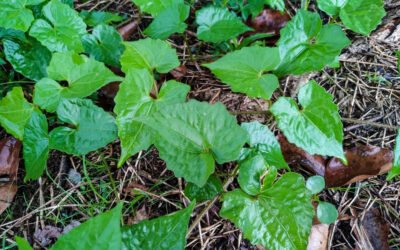
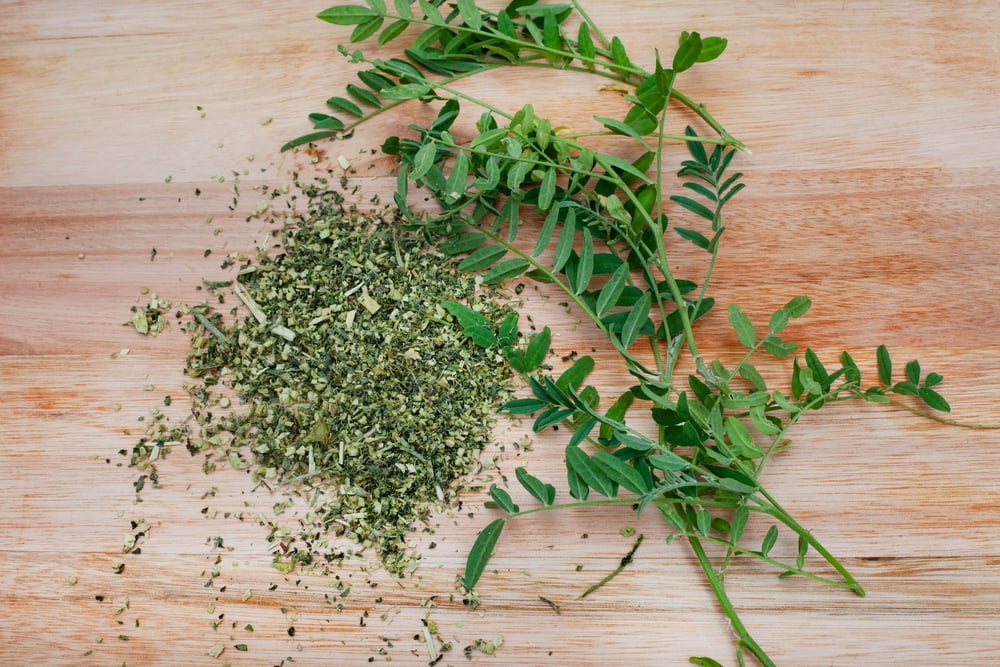
The plant itself is a small bush that can grow up to 2 meters in height and is characterized by a single stem with many branches. The leaves are a light green color, long and narrow, while the flowers are small and white.
História do chá do arbusto do câncer.
Cancer Bush tea has a long and unique history that is linked to South Africa and the indigenous San people. The tea was traditionally used by the San people for centuries as a form of traditional medicine, usually mixed with other plants to treat a variety of ailments. In fact, cancer bush tea is one of the oldest known medicinal herbs used by the San people.
However, it has been studied by various researchers, with many finding evidence that it may indeed be beneficial for treating certain types of cancers, as well as for its anti-inflammatory, anti-diabetic, and anti-microbial properties. Today, cancer bush tea is widely available and used by many people all over the world.
15 benefícios para a saúde do chá do arbusto do câncer.
The leaves of the Cancer bush plant are thought to have many health benefits, including helping to Melhore a digestão, Reduza a inflamação, e Aumente o sistema imunológico. Here are 15 potential health benefits of cancer bush tea;
1 Digestão melhorada.

Cancer bush tea is thought to help stimulate digestion and alleviate digestive issues, such as bloating and constipation. This is due to its carminative action, which helps reduce gas buildup in the intestines.
2 anti - Propriedades inflamatórias.
Studies have shown that cancer bush tea has anti-inflammatory properties, which can help reduce inflammation caused by various health conditions.(1)
3 Antioxidant Activity.

Cancer bush tea contains antioxidants that can help protect against cellular damage from free radicals. It is also believed to be beneficial in protecting against certain types of cancer.(2)
4 Aumenta o sistema imunológico.
Cancer bush tea is thought to help strengthen the immune system, helping your body fight off illness more effectively.(3)
5 Improved Appetite.
Cancer bush tea has an appetizing taste and can be used to increase appetite. It can also help Melhore a digestão and absorption of nutrients.(4)
6 Reduced Stress.

Cancer bush tea has been used as a remedy for stress e ansiedade for centuries. It is believed to have calming properties and can be used to relax and reduce stress levels.(5)
7 saúde do osso.
The compounds in cancer bush tea has been found to have bone-building properties and can help keep bones strong and healthy.
8 Skin Health.
Cancer bush tea is rich in antioxidants, which can help protect skin cells from damage caused by free radicals and help keep skin looking young and healthy.
9 Treats Fevers.
Cancer bush tea has been used as a traditional remedy for fever for centuries. It is believed to have antiviral properties and can help reduce the symptoms of a fever.
10 Perda de peso.

Cancer bush tea can help reduce appetite, which may lead to weight loss if consumed regularly. It can also increase metabolism and help break down fats more efficiently.
11 Fertility.
cancer bush tea is known to possess properties beneficial to infertility problems like uterine fibroids, endometriosis and ovarian cysts. It’s often used in combination with other herbal remedies like chaste berry, red raspberry leaf and dong quai as part of a holistic treatment plan.
12 Eye Health.

Research shows that extracts from cancer bush plants contain polyphenols that could potentially help treat eye disorders like glaucoma, cataracts and Degeneração Macular.
13 saúde do coração.

Studies indicate that drinking this tea may promote heart health by improving blood pressure levels and lowering cholesterol.
14 Mental Health.
Preliminary research suggests that drinking this tea might beneficial for mental health by reducing symptoms associated with depression and improving overall mood.
15 Improves Energy Levels.
The anti-inflammatory nature of cancer bush tea might help reduce fatigue and increase energy levels naturally.
Side Effects of Cancer Bush Tea.
Though Cancer Bush Tea has numerous health benefits, it’s important to be aware of any potential side effects. As with any herbal remedy, you should consult your doctor before taking Cancer Bush Tea. Some potential side effects may include:
1 estômago chateado.
Due to its high caffeine content, Cancer Bush Tea may cause upset stomach, nausea, and vomiting.
2 Interactions With Medication.
Cancer Bush Tea may interact with some medications, such as anticoagulants, calcium channel blockers, and tricyclic antidepressants. If you are taking any of these medications, talk to your doctor before drinking Cancer Bush Tea.
3 reações alérgicas.
Some people may have an allergic reaction to certain components of Cancer Bush Tea. Symptoms of an allergic reaction may include hives, swelling of the face or throat, difficulty breathing, and dizziness.
4 desidratação.
Though tea is often used to treat dehydration due to its electrolyte content, drinking too much of it can cause further dehydration. Be sure to stay hydrated when drinking Cancer Bush Tea.
5 Liver Damage.
Studies have shown that long-term use of Cancer Bush Tea may cause liver damage. It’s important to monitor your liver enzymes while drinking Cancer Bush Tea if you are concerned about this risk.
Overall, Cancer Bush Tea can provide many health benefits when taken responsibly.
However, it’s important to be aware of the potential side effects that may occur from drinking it. Be sure to consult your doctor before taking this herbal remedy to ensure its safety for you.
How to Make Cancer Bush Tea?
Passo 1. To make Cancer Bush tea, start by gathering the bark from the Cancer Bush tree. The bark should be gathered in the early morning when the sun is at its strongest. Once the bark is collected, rinse it off to remove any dirt or debris.
Passo 2. Once the bark is clean, place it in a pot and cover it with water. Bring the pot to a boil and then reduce the heat and let it simmer for 30 minutes. Remove the pot from heat and let it steep for an additional 10 minutes.
Passo 3. Strain the tea into a mug or cup using a strainer or cheesecloth. Thereafter, add honey or sugar to sweeten if desired. Enjoy your cup of Cancer Bush tea.
Cancer Bush tea can be enjoyed both hot and cold. If drinking it cold, allow the tea to cool first before adding any ice. You can also store your prepared tea in the refrigerator for up to three days and enjoy it chilled.
how to grow cancer bush?
Growing cancer bush is relatively easy, though it does require a bit of patience.
To start, make sure you have a suitable location with plenty of light and good drainage. Cancer bush prefers well-drained soil, so it’s important to choose a spot where the water won’t stay on the surface for too long. You can also add compost or other organic matter to the soil to help improve drainage.
You can either purchase a cancer bush plant or start your own from seeds. If you are starting from seed, it is best to start them indoors in late winter or early spring. Plant the seeds about 1⁄2 inch deep in a container filled with potting soil. Make sure the soil stays moist and warm, as this will help the seeds to germinate. When the seedlings are big enough, transfer them to the garden.
Cancer bush plants prefer full sun and should be planted in an area that receives at least six hours of direct sunlight each day. Space the plants about three feet apart and water them regularly until established. Once established, cancer bush plants need only occasional watering.
Once established, cancer bush plants require little maintenance aside from trimming away dead or diseased branches. Pruning will encourage new growth and help keep the plant healthy.
If you are looking for an easy-to-grow plant with numerous health benefits, then cancer bush may be just the plant for you. With some patience and the right growing conditions, you can grow and enjoy this medicinal herb for years to come.
How to Dry Cancer Bush?
Drying cancer bushes is an important step for storing and preserving the plant for future use. There are a few different methods that can be used to effectively dry the plant.
1 Sun Drying.
This method is simple, but it takes time. Lay the cancer bush out in a single layer in a sunny spot and allow it to dry for several days or until completely dry. You may need to move the bush around throughout the day to keep it from burning in the sun.
2 Oven Drying.
Preheat the oven to the lowest temperature setting. Place the cancer bush in a single layer on a baking sheet and place it in the oven. Allow the plant to dry for several hours, stirring occasionally. The length of time will depend on the moisture content of the plant.
3 Dehydrator.
If you have a dehydrator, you can use it to dry the cancer bush as well. Place the plant in a single layer on the trays and follow your manufacturer’s instructions for drying times.
Once dried, store the cancer bush in an airtight container in a cool, dark place. It should last up to one year if stored correctly. When ready to use, grind the cancer bush into a powder using a coffee grinder or mortar and pestle.
When to Drink Cancer Bush Tea?
The best time to drink cancer bush tea is twice a day, in the morning and evening. It is recommended to drink the tea on an empty stomach.
This will help ensure that your body can absorb the nutrients more easily. The tea should be consumed immediately after brewing and should not be left standing for long periods.
Drinking cancer bush tea is also beneficial before bedtime, as it can help relax your body and reduce stress. In general, it is best to drink cancer bush tea as part of a balanced diet that includes plenty of fruits and vegetables.
linha de fundo.
Cancer Bush Tea is an effective and natural way to treat a wide range of illnesses, including cancer, due to its high antioxidant content. It is a safe herbal remedy that has been used for centuries in traditional medicine. Cancer bush tea is easy to make, and it can be consumed hot or cold depending on your preference. There are numerous health benefits associated with drinking cancer bush tea, and these include boosting the immune system, relieving stress, and reducing inflammation. Additionally, cancer bush cream has many beneficial properties as well, such as fighting bacterial infections and providing relief from skin irritations. Cancer bush tea and cream are simple remedies that are a great addition to any home health care arsenal.
+5 fontes
A FreaktoFit tem diretrizes rígidas de sourcing e conta com estudos revisados por pares, institutos de pesquisa educacional e organizações médicas. Evitamos o uso de referências terciárias. Você pode aprender mais sobre como garantimos que nosso conteúdo seja preciso e atualizado, lendo nosso política editorial.
- Unveiling the anti-inflammatory activity of Sutherlandia frutescens using murine macrophages; https://www.ncbi.nlm.nih.gov/pmc/articles/PMC4666752/
- The antioxidant potential of Sutherlandia frutescens; https://www.researchgate.net/publication/8339110_The_antioxidant_potential_of_Sutherlandia_frutescens
- The Immunomodulatory Effects of Sutherlandia Frutescens Extracts in Human Normal Peripheral Blood Mononuclear Cells; https://www.ncbi.nlm.nih.gov/pmc/articles/PMC3746609/
- Sutherlandia; https://www.sciencedirect.com/topics/agricultural-and-biological-sciences/sutherlandia
- Sutherlandia frutescens: The Meeting of Science and Traditional Knowledge; https://www.ncbi.nlm.nih.gov/pmc/articles/PMC3924790/