































 treino

 meditação


 podcast
 e-book


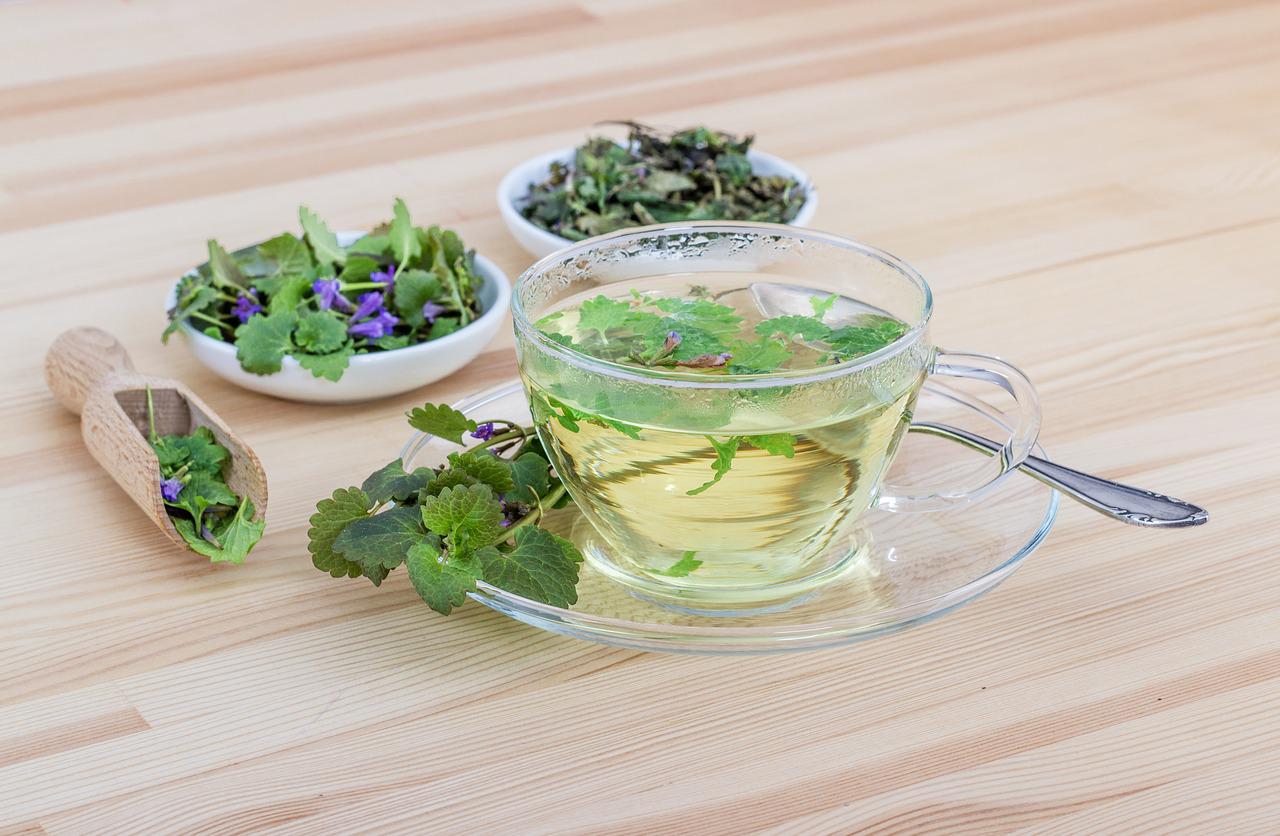
The Fast Facts
- The practice of using herbs added to water or consuming them as some kind of drink for their health benefits is found in some form or the other in many ancient cultures around the world.
- It is technically a watercake, as it is made by soaking the fruits of the coffee plant in water.
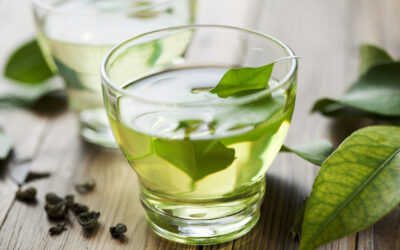
- Many of the most popular and caffeinated teas are obtained from the Camellia Sinensis plant – including two of the most popular tea types, black and green tea.

Há uma variedade de chás que vão do oolong ao chá verde e preto. Mas os chás de ervas têm uma categoria própria, usando plantas fitoterápicas sem fim, explorando deliciosos chás e benefícios promissores para a saúde. Em Zest, todos nós somos propensos a altas cafeínas e energias vegetais. Mas, no final das contas, sempre há um… chá de ervas. You may be surprised to know that some herbal tea does also contain caffeine!
O que são chás de ervas?
Many of the most popular and caffeinated teas are obtained from the Camellia Sinensis plant – including two of the most popular tea types, black and green tea.
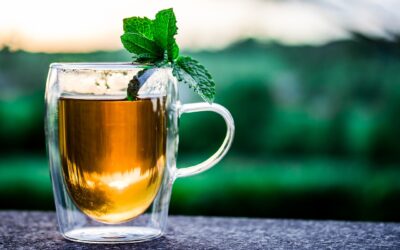
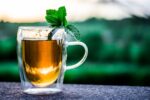
Camellia Sinensis Herbal tea is not made from plant leaves. It is made from other plants, usually herbed, but done with water in the same way. For example, putting a mint leaf or two in hot water will make herbal tea.
Histórias relacionadas
 Salsa Inglesa: Informações Nutricionais e Benefícios à Saúde
 onde comprar sprite cranberry
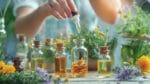
But the category of herbal tea, also known as tisanes, does not include only herbs that you will grow in the herbal garden, and it is not just leaves used. Flowers, seeds, spices, roots and even fruits can be brewed in an herbal drink, either freshly picked or dried and packed in teabags.
Often you will find herbal tea mixtures and tisanes referred to as “infusion” because they are not original herbal tea, instead caffeinated tea made from tea plants.
Origem do chá de ervas.
It is impossible to indicate the same origin of herbal tea. The practice of using herbs added to water or consuming them as some kind of drink for their health benefits is found in some form or the other in many ancient cultures around the world. Ancient China & Egypt are just examples of this.
Some specific herbal teas can also be historically detected;

Mountain Tea – Record of this herbal tea consumed in the Balkans to show 2000 years ago.
Spice tea – Native to North America, this plant was made in tea and treated for many diseases by Native Americans.
Holy Basil / Tulsi Tea – Holy basil herbal tea widely used in Ayurvedic practices in India for centuries.
Even today, herbal teas and extracts are used to treat all kinds of diseases, such as consuming valerian and chamomile to soothe insomnia.
Most herbal teas are caffeine free, as they are made from plants that do not contain caffeine. Examples of 100% caffeine free popular herbal tea include;
- Camomila.
- Peppermint.
- Lime balm.
- Rose.
- Lavender.
- Valeriana.
- gengibre.
- Rooibos.
- Rosehip.
- canela.
- Sapling.
- alcaçuz.
- Fennel.
- Cúrcuma.
- Hibiscus.
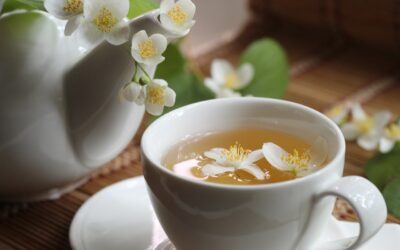
- Jasmine (jasmine not green tea).
- Scorpion booty.
- Dandelion.
- Guava tree and its fruit.
- tomilho.
- Rosemary.
If you find these ingredients in tea mixtures, make sure you look at the ingredients list carefully. If tea contains white tea, oolong tea or any other tea with herbs, it is likely to contain small amounts of caffeine.
But take care of such tea…
Tipos de chá de ervas.
While most herbal teas do not contain caffeine, there are some extracts that are not from the Camellia sinensis plant that still contain caffeine.
1 Yerba Mate.
It is made from the leaves of the South American natural tea Ilex paraguariensis plant. It tastes herbal, woody and grass and can contain up to 80mg of caffeine when served per 8 liquid ounces depends on how you drink it. 4
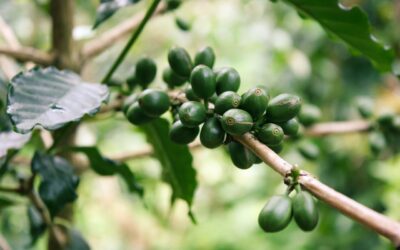
Coffee – No, really! It is technically a watercake, as it is made by soaking the fruits of the coffee plant in water. Coffee bean tea is technically one type of caffeinated type of herbal tea. It contain up to 96mg of caffeine per 8oz serving.
2 Guarana.
Such herbal tea is popular in South America like Yerba Mate. The seeds of the guarana plant can be mixed with water to make an herbal tea. 1 gram of guarana seed contains 47 mg of caffeine, which is equivalent to about one cup of black tea.
3 Citrus Flowers.
Some citrus plant flowers are usually used in cooking and herbal teas, such as orange flowers. But caffeine content in the flowers and leaves of some citrus plants can be found between 6 and 50 ppm.
Researchers have also found that caffeine content in honey produced by bees that often visit flowers in orange plantations. 8
However, these levels of caffeine are so low, you will not experience an increase in energy by consuming them.
Caffeine content in traditional tea types.
While herbal tea is either caffeine free or contains a lot of caffeine, traditional tea levels vary.
For example, green tea has 28mg per 8oz that serves an average of 9, while your normal morning black tea contains 47mg. Caffeine content of white tea, oolong, pu’er and other more obscure teas also comes around these levels.
Then there are the redefined teas. The important difference between caffeine-free herbal tea and decaffeinated tea is that decaffeinated tea still contains caffeine! Even after the tea leaves are decaffeinated, there is still little caffeine left. It is usually only one or two mg and is not enough for you to feel the effect of caffeine.
| Leia agora: Como fazer chá de hibisco com flores frescas? |
2 chás de ervas que dão energia.
Chá de hortelã sem cafeína.
Even without caffeine, these three types of tea can help you to feel a little brighter, more active and ready to face the day.
1 Peppermint Tea.
Mint tea has a bright and uplifting aroma. If you need to refresh your day, it is a great herbal tea option. Mint tea naturally refreshes the menthol and is a good way to help you wake up in the morning – not unlike brushing your teeth.
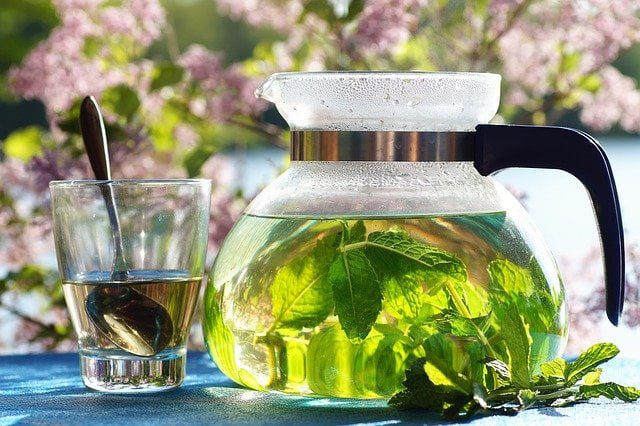
Peppermint leaves can also increase essential oil alertness and boost your memory power. But if you need little more extra energy for your day, we recommend pomegranate mojito. It is one of our high-energy green teas – a mixture of peppermint, green tea, pomegranate and lime.
2. Rooibos Tea.
This is an herbal tea that tastes naturally similar to black tea. It has a rich, slightly salty and round taste with a hint of tannin. So, if you need a hot cup of black tea to wake up in the morning, Rooibos tea can be effective for you, even without caffeine.
Also, rooibos tea can also contribute to your daily intake of manganese and zinc.
3 chás de ervas para acalmá-lo.
1 Honey Lemon Herbal Tea Mix.
At the other end of the herbal tea spectrum, you will find types of tea that will calm you down. With relaxing, calm and soothing health benefits, try these three teas if you want to rest at the end of the day.
2 Baboon Flower Tea.
Chamomile is a super soothing tea for evening drinking a cup of chamomile tea made from flowers of one of the plant varieties. You will often find it in natural sleep-assist blends, as chamomile can greatly improve sleep quality.
There is also evidence that it can effectively reduce generalized transtorno de ansiedade.
3 Ginger Lemon Honey Tea.
It is another herbal tea made from the roots of a plant like drinking. Ginger is generally a fiery ingredient, which is flavour-rich and quite refreshing. We can’t make our spicy masala tea without it. But it is also a common remedy for cold when it is made with lemon and honey.
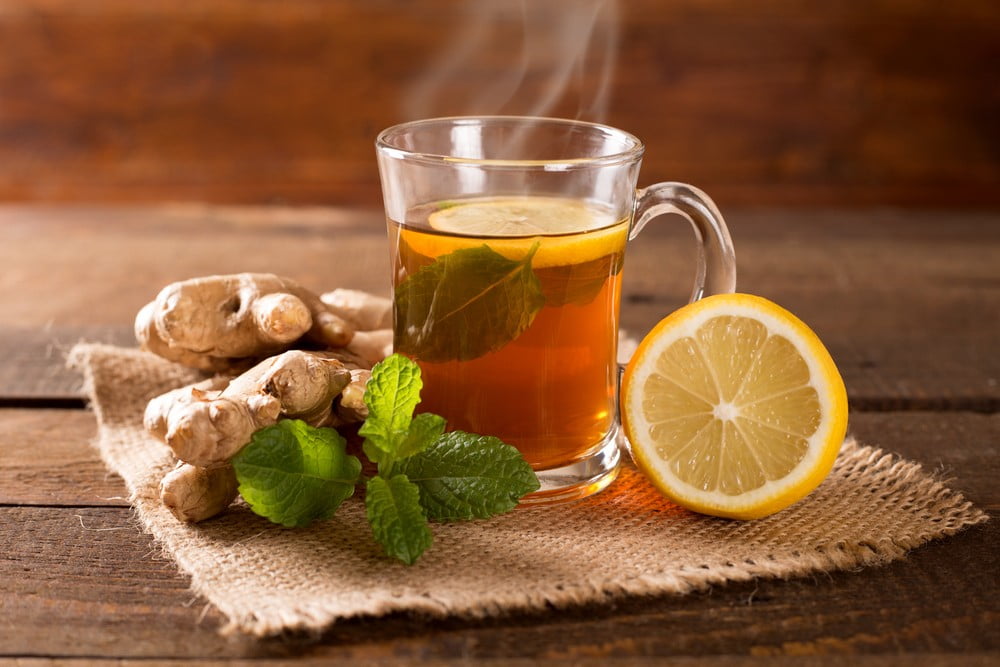
It is a well known fact that ginger has anti-inflammatory properties. With vitamin C and antioxidants from 14 lemons, with a soothing taste of honey, chá de gengibre can be a very relaxing herbal remedy.
| Leia agora: O chá de jasmim tem cafeína |
Chá de erva-doce.
Lemon is the last soothing herbal tea that we recommend you to try. With the taste of grass unlike green tea, lemon balm has some interesting health benefits. Lemon balm contains rosmarinic acid, which has antioxidant effects, and also has anti-stress effects. A cup of natural lemon balm tea can improve your mood and cognitive performance during the day.
Herbal tea blends are very good, as they provide hydration and some amazing health benefits. But caffeinated traditional tea is good for you too.
In fact, the FDA recommends a limit of 400 mg of caffeine per day. Therefore, drinking some cups of caffeinated oolong tea or whatever will definitely not be harmful to your saúde.
Perguntas frequentes.
No, not all of them. There are some herbs and plants that produce caffeine when ground. However, most herbal tea and herbal tea mixtures are caffeine free and will be labelled when you buy them.
Most herbal teas are caffeine free, but apart from the Camellia sinensis plant, there are some plants that provide caffeine once consumed. Yerba Mate is the most famous herbal tea with caffeine content.
Yerba Mate is an herbal tea that is high in caffeine. When the traditional style is processed, this tea can contain up to 80mg of caffeine.
If your tea is a traditional type of tea, e.g. Black tea or green tea, it will contain caffeine. Most teas without caffeine are labeled as caffeine free. If you are unsure, check the label in front with our list of caffeinated herbal teas above.
+1 de origem
A FreaktoFit tem diretrizes rígidas de sourcing e conta com estudos revisados por pares, institutos de pesquisa educacional e organizações médicas. Evitamos o uso de referências terciárias. Você pode aprender mais sobre como garantimos que nosso conteúdo seja preciso e atualizado, lendo nosso política editorial.