

















Running is a healthy way to burn calories, get in shape and lower your threat of developing heart disease.(1) However when you are burning extra calories, your body needs more fuel to keep rebuilding muscle tissue and keep you feeling alert and energized all the time. So, today we will tell you a perfect vegetarian meal plan for runners to lose weight. However, you should speak to your physician before make any changes in your diet or exercise program, particularly if you’ve health conditions, allergies or injuries.
Vegetarian Meal Plan For Runners To Lose Weight.
Breakfast.
Although avoiding breakfast could save you a couple of minutes in the morning, pack a nutritious meal to go even when you don’t have time to take a seat. Consuming morning meal boost your day by stabilizing your blood sugar level, keeping you alert & concentrated.
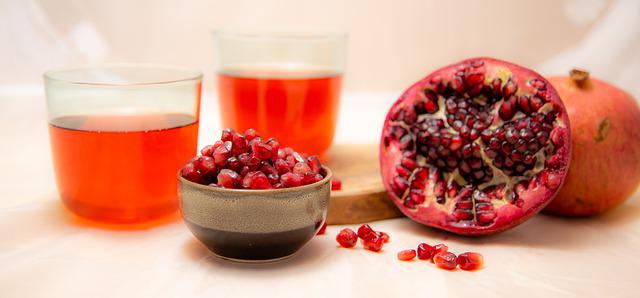
Consume fruit juice, spinach and some shredded Swiss cheese, an orange, a piece of rye toast, a glass of milk and a small glass of pomegranate juice. If you are on the go, grab two slices of whole-grain toast with peanut butter and a banana.
Lunch.
Refuel your body with a healthy lunch to replenish the glycogen establishments in your body if you have currently worked out, or to sustain your body if you plan to go for running before dinner.
Related Stories
 The Difference Between Cantaloupe and Muskmelon You Must Know
 Protein Requirements By Age: Benefits and Types
Wait a minimum of a couple of hours after you consume lunch to exercise– by doing this, your body has sufficient time to digest the calories in your food and turn them into energy for your exercise.
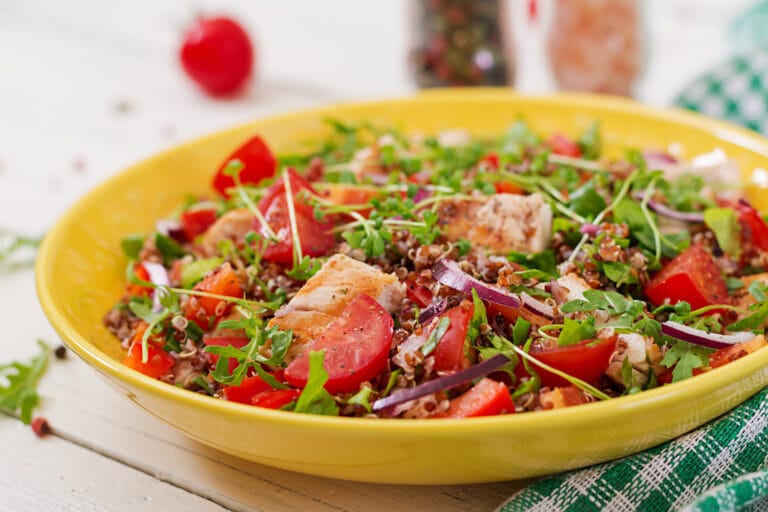
For lunch, try a cottage cheese and cheddar cheese sandwich with avocado and sprouts on whole-grain bread with lettuce and tomato. Serve with a side of carrot sticks and a glass of water.
Snacks.
Snacking is essential when you lead a physically active way of living. About one hour before and 15 minutes after you jog, eat a nutritious treat that contains fast-acting carbs and long-lasting protein. Eat a handful of crackers with peanut butter an hour before your jog, and a container of yogurt with blackberries to improve your energy 15 minutes after your jog.
Dinner.
Eat a filling & nutritious supper to restore your glycogen establishments and assist your muscles recover after your active day.
Cook a 4 ounce tofu in a frying pan with a small amount of olive oil, and serve together with 1 cup of brown rice and 1 cup of steamed green beans. Consume your meal with an entire grain bagel to include all the important food groups.
Hope you all now have got an idea about how running is effective and also about a perfect vegetarian meal plan for runners to lose weight.
+1 Source
Freaktofit has strict sourcing guidelines and relies on peer-reviewed studies, educational research institutes, and medical organizations. We avoid using tertiary references. You can learn more about how we ensure our content is accurate and up-to-date by reading our editorial policy.
-
1. Energy expenditure comparison between walking and running in average fitness individuals; https://pubmed.ncbi.nlm.nih.gov/22446673/
Importance of Nutrition for Runners Trying to Lose Weight.
Running regularly can help increase calorie expenditure, improve cardiovascular fitness, and support weight management. However, nutrition plays an equally important role in achieving sustainable results.
When runners reduce their calorie intake too aggressively, they may experience fatigue, poor recovery, reduced endurance, and muscle loss. Therefore, the goal should be to create a moderate calorie deficit while providing enough nutrients to support running performance.
A balanced vegetarian diet should include carbohydrates, protein, healthy fats, vitamins, minerals, and adequate fluids.
Here are some important nutritional considerations:
1. Carbohydrates for Running Energy.
Carbohydrates are the primary energy source during moderate- to high-intensity running. Foods such as oats, bananas, brown rice, whole-wheat bread, potatoes, and fruits provide carbohydrates that help replenish muscle glycogen.
2. Protein for Muscle Recovery.
Running places repeated stress on the muscles. Protein provides amino acids that help repair and maintain muscle tissue.
Vegetarian runners can obtain protein from paneer, tofu, lentils, chickpeas, kidney beans, Greek yogurt, milk, soy products, and nuts.
3. Healthy Fats for Overall Health.
Healthy fats support hormone production, nutrient absorption, and overall health.
Include foods such as almonds, walnuts, chia seeds, flaxseeds, pumpkin seeds, and olive oil in appropriate portions.
4. Vitamins and Minerals for Performance.
Iron, calcium, vitamin B12, vitamin D, magnesium, and potassium are important nutrients for active individuals.
Vegetarian runners should pay particular attention to iron and vitamin B12 intake because inadequate amounts may affect energy levels and overall health.
Best Vegetarian Foods for Runners Who Want to Lose Weight.
Choosing nutrient-dense foods can help runners maintain energy while managing their calorie intake.
Here are some excellent vegetarian food options.
| Food | Nutritional Benefits |
|---|---|
| Oats | Provides complex carbohydrates and fibre |
| Banana | Supplies carbohydrates and potassium |
| Paneer | Provides protein and calcium |
| Tofu | Offers plant-based protein |
| Lentils | Contains protein, iron, and fibre |
| Chickpeas | Provides protein, carbohydrates, and fibre |
| Greek yogurt | Offers protein and calcium |
| Almonds | Provides healthy fats and vitamin E |
| Spinach | Contains folate, iron, and other micronutrients |
| Sweet potatoes | Provides carbohydrates, potassium, and fibre |
| Chia seeds | Contains fibre and omega-3 fatty acids |
| Berries | Provides antioxidants and vitamin C |
Combining these foods throughout the day can help create a balanced vegetarian eating pattern.
Pre-Run and Post-Run Nutrition: What Should You Eat?
The timing of meals and snacks can influence running performance and recovery.
Eating the right foods before and after running helps maintain energy levels and supports muscle repair.
Pre-Run Meal.
A pre-run meal should provide easily digestible carbohydrates without making you feel excessively full.
Depending on the time available before running, consider these options:
- 30–60 minutes before running: A banana, a slice of toast with honey, or a small serving of dates.
- 1–2 hours before running: Oatmeal with banana or yogurt with fruit.
- 2–3 hours before running: Whole-grain toast with paneer, or a light rice and lentil meal.
Avoid consuming large quantities of high-fat or high-fibre foods immediately before running, as they may cause digestive discomfort.
Post-Run Meal.
After running, your body needs nutrients to replenish glycogen stores and support muscle recovery.
A combination of carbohydrates and protein is particularly useful.
Some suitable vegetarian options include:
- Greek yogurt with berries and oats.
- Paneer with whole-wheat toast.
- Tofu with brown rice and vegetables.
- A banana smoothie with milk.
- Moong dal khichdi with curd.
For runners completing longer or more demanding sessions, paying attention to post-run carbohydrate and protein intake becomes particularly important.
How Much Protein Does a Vegetarian Runner Need?
Protein requirements depend on body weight, training intensity, running distance, age, and overall fitness goals.
For many recreational runners, approximately 1.2–1.6 grams of protein per kilogram of body weight per day can be a useful starting range, although individual requirements may differ.
For example, a runner weighing 60 kg may aim for approximately 72–96 grams of protein daily, depending on training demands.
Vegetarian runners can distribute protein intake across their meals rather than consuming most of it at dinner.
Consider these protein-rich foods:
- One serving of paneer.
- A bowl of cooked lentils.
- Greek yogurt or thick curd.
- Tofu or soy chunks.
- Chickpeas and kidney beans.
- Milk and other dairy products.
Combining different plant protein sources throughout the day can help provide a broader range of essential amino acids.
Hydration Tips for Vegetarian Runners.
Hydration is another important part of a runner’s weight-loss and fitness journey.
During running, the body loses water through sweat. If fluid losses are not adequately replaced, dehydration may affect endurance, concentration, and exercise performance.
Follow these practical hydration tips:
- Drink water regularly throughout the day.
- Drink according to thirst and consider your sweat losses.
- Avoid starting a long run when already dehydrated.
- Rehydrate after running.
- For prolonged exercise, particularly in hot and humid weather, consider replacing electrolytes as well as fluids.
Water is generally sufficient for shorter, easier runs. Longer sessions may require additional carbohydrates and electrolytes, depending on their duration and intensity.
Avoid drinking excessive amounts of water, as overhydration can also be dangerous.
Common Diet Mistakes Vegetarian Runners Should Avoid.
Many runners make dietary mistakes while trying to lose weight. These mistakes can affect performance and make it harder to maintain a consistent exercise routine.
1. Eating Too Few Calories.
A very restrictive diet may leave you without enough energy to complete your running sessions. It can also increase the risk of nutritional deficiencies and poor recovery.
2. Completely Avoiding Carbohydrates.
Carbohydrates are an important fuel source for runners. Removing them entirely may negatively affect endurance and training quality.
Instead, choose nutrient-rich carbohydrate sources and adjust portions according to your activity level.
3. Not Eating Enough Protein.
A vegetarian diet can provide sufficient protein, but it requires thoughtful food selection.
Include protein-rich ingredients in breakfast, lunch, snacks, and dinner.
4. Ignoring Iron Intake.
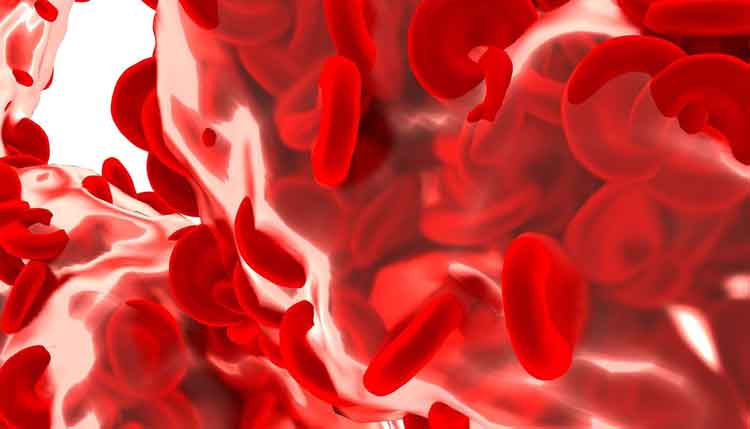
Iron supports haemoglobin production, which helps transport oxygen throughout the body.
Vegetarian sources include lentils, chickpeas, beans, tofu, pumpkin seeds, and spinach.
Combining plant-based iron sources with vitamin C-rich foods, such as oranges, guava, tomatoes, and lemons, can improve non-haem iron absorption.
5. Skipping Recovery Meals.
Skipping meals after demanding runs may make it harder to replenish energy and support muscle recovery.
A balanced post-run meal containing carbohydrates and protein is a better approach.
How to Make Your Vegetarian Running Diet More Effective for Weight Loss?
Weight loss should be gradual and sustainable, particularly when you are training regularly.
Here are some practical strategies:
- Maintain a moderate calorie deficit rather than following crash diets.
- Include protein in every main meal.
- Choose whole grains, fruits, vegetables, and legumes.
- Limit frequent consumption of highly processed snacks and sugary beverages.
- Adjust food portions according to your running distance and intensity.
- Include adequate sleep and recovery days.
- Monitor your energy levels and running performance, not just your body weight.
Remember that your body needs sufficient fuel to perform well. Losing weight should never come at the expense of your health or running ability.
Sample One-Day Vegetarian Meal Plan for Runners.
Here is another practical example of how you can distribute meals throughout the day.
| Meal | Food Options |
|---|---|
| Early morning | Water and a banana before running, if needed |
| Breakfast | Oats with milk, almonds, and seasonal fruit |
| Mid-morning | Greek yogurt or curd |
| Lunch | Brown rice, dal, paneer, and mixed vegetables |
| Evening snack | Whole-grain toast with peanut butter |
| Post-run | Banana and milk or a yogurt smoothie |
| Dinner | Tofu or paneer with vegetables and whole grains |
Portion sizes should be adjusted according to individual calorie requirements, body weight, training intensity, and weight-loss goals.
This meal plan is an example rather than a fixed prescription. People with diabetes, kidney disease, food allergies, or other medical conditions may need individual dietary guidance.
How Does Running Help With Weight Loss?
Running increases energy expenditure and can contribute to a calorie deficit when combined with an appropriate eating pattern.
It also improves cardiovascular endurance and can support metabolic health.
However, running alone does not guarantee weight loss. Food intake, sleep, stress, physical activity, genetics, and consistency all influence the results.
For sustainable progress, combine running with balanced nutrition and appropriate strength training.
Beginners should gradually increase running distance and intensity rather than suddenly attempting long-distance sessions. Rest and recovery are equally important for preventing overuse injuries.
Bottom Line.
A well-balanced vegetarian meal plan can help runners lose weight while maintaining energy, improving endurance, and supporting muscle recovery. The key is to include adequate protein, complex carbohydrates, healthy fats, vitamins, minerals, and sufficient fluids in your daily diet. Foods such as oats, bananas, lentils, paneer, tofu, nuts, seeds, fruits, and vegetables can provide essential nutrients to fuel your running routine.
Remember, weight loss should never come at the cost of your running performance or overall health. Avoid crash diets, skipping meals, or unnecessarily restricting carbohydrates. Instead, focus on portion control, consistent training, proper hydration, and adequate recovery. With patience, consistency, and the right nutritional approach, you can achieve your weight-loss goals while becoming a stronger and healthier runner. Always consult a qualified dietitian or healthcare professional before making significant changes to your diet or exercise routine.