












































 Workout

 Meditation


 Podcast
 E-book


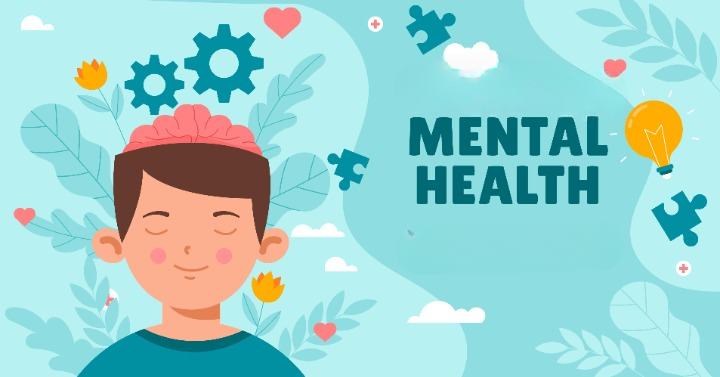
The world is increasingly becoming more digitally connected thanks to emerging technology that has changed our everyday dynamics. The need for real human connection then takes a backseat due to busy lifestyles. However, mental health experts insist that social interaction is a necessity for good mental health. The vast benefits are transformative in all areas of living. That said, here is how connecting with family, friends, and the community helps improve your mental health.
Helps deal with isolation.
Loneliness is a breeding ground for mental health problems such as depression and anxiety. Hence, building and cultivating connections helps counteract loneliness. Although digital interactions through social and messaging platforms could help, physical interactions have a much more significant impact. Face-to-face interactions, for instance, create an emotional appeal and contribute toward genuine heat-to-heart connections.
Again, according to experts, most of our communication is non-verbal and involves gestures, body language, and other non-verbal cues. Hence, this means that with physical interactions, it’s easier to communicate and be immersed in the interactions than when you’re doing it virtually.
Builds a support system.
Life challenges are inescapable. A robust support system is, therefore, a good safety net that provides the backing you need to handle these problems. Whether that is emotional support from a listening colleague, an understanding partner, or words of encouragement from a caring friend. Someone being there for you makes it easy to maintain a sane mind while navigating hardships. Getting a non-judgmental space where you can vent out and express your emotions is an invaluable stress reliever. Nevertheless, building such a supportive circle requires effort, commitment, and time.
Related Stories
 How to Identify if a Person is Healthy or Not?
 7 Easiest and Natural Ways to Boost Metabolism
Contributes to more empathetic life choices.
Interacting with peers or colleagues opens you up to a broader perspective of the world. This diversity helps you empathize and understand other people’s situations and feelings. It also helps you demystify stereotypes that taint your perception of certain ideologies or ways of life.
Awareness makes you more tolerant, inclusive, and compassionate. It’s difficult to empathize with a situation, especially if you’ve not gone through a similar experience. Hence, sharing with others exposes you to the side of life you haven’t experienced yet. However, be careful about opening up or sharing with online strangers. Before letting anyone in, look them up on Nuwber to reveal their real identity and determine if they’re genuine.
Enhances your emotional well-being.
When you’ve genuine connections, you have no problem exposing your emotional vulnerability because you can trust your secrets are safe. Suppressed emotions result in built-up stress and anxiety, which affects your mental health. However, sharing your thoughts helps ease the pressure as well as seeking a second opinion from a person you can trust. Emotions affect our lives a lot more than we can imagine, they have a ripple effect on our relationships and outcomes. Think about it; don’t you enjoy your day when you’re happy or excited about something? On the other hand, bad outcomes tend to take a toll on our performance, even at work.
Provides a break from everyday worries.
Positive social connections trigger the release of oxytocin, often known as the “love hormone” or “bonding hormone.” It is released explicitly during actions such as cuddling, hugging, or during intimate moments. The primary function is to reduce cortisol levels, which is the stress-causing hormone. The result is feeling more relaxed and emotionally fulfilled. Moreover, time spent with friends and family, especially if there’s a good laugh or nostalgic memories involved, is a temporary escape from all the negativity in your life.
Enhances a positive self-image.
The need for a person to feel validated, accepted, and wanted is innate. While it is inevitable, healthy connections with others add to feelings of confidence and self-worth. Praises, compliments, appreciation, and encouragement through positive social interactions contribute to these feelings. Hence, setting the stage for exploring your vulnerabilities, strengths, and weaknesses. Understanding how you function best and being self-aware and self-reflecting further boosts your self-esteem.
Improves your cognitive function.
For your sanity, social connections are imperative. They stimulate the brain to respond to emerging challenges by flexing its cognitive function. Exchanges with friends or your neighbors act as mental exercises distracting you from your problems. These interactions require you to synthesize information, stimulating your memory and attention by strengthening your neural networks. In fact, interactions are scientifically proven to reduce dementia as you get older.
Facilitates more healthy decisions.
Social interactions sometimes mean engaging in physical activities such as exercising, swimming, walking, hiking, etc. In addition to making socializing more fun, it promotes healthy life choices. Cooking together or sharing a family meal makes it easy to eat more nutritious meals. In general, good company makes it easier to adopt healthy lifestyles. It is also an outlet for self-expression, stress relief, and creativity.
Leads to a longer and healthier life.
Life longevity is something most of us wish for, but very few achieve due to health and mental complications. Studies have shown that sociable people have good mental and physical health and live longer. Being around a positive social circle could also help you make better and healthier choices, such as diet and exercise.
Provides a sense of purpose.
Connecting with people with similar interests and goals gives you a sense of purpose and meaning. If someone is ahead of you regarding skill, talent, or knowledge, they could mentor you to improve your craft. They also provide the necessary motivation and inspiration to keep pursuing a particular goal. Additionally, opportunities to share your expertise in an area help you improve your skills, boost your confidence, and allow you to give back to your community. Feeling fulfilled and accomplished helps improve your mental health.
Bottom Line.
The benefits of social connections on your mental health cannot be overstated. Although self-made success promotes independence and isolation, building and maintaining connections with others is critical. The transformative power of healthy relationships is the gateway to a more fulfilled, healthy, and fun community. Actively seek out and nurture human connections, as they will eventually act as your buffer against deteriorating mental health.