










































 latihan

 meditasi


 podifikasi
 buku elektronik


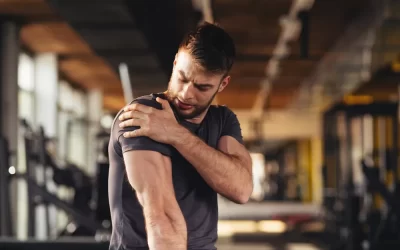
Untungnya, ada banyak cara untuk Menghilangkan sakit lutut disebabkan oleh latihan yang intens.
Ini termasuk peregangan, penguatan, dan koreksi postur, teknik, dan ketidakseimbangan otot. Jadi hari ini kami akan memberi tahu Anda cara menghilangkan nyeri lutut yang disebabkan oleh latihan yang intens.
Cara menghilangkan nyeri lutut yang disebabkan oleh latihan yang intens
1 peregangan.
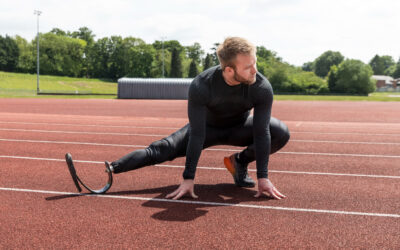
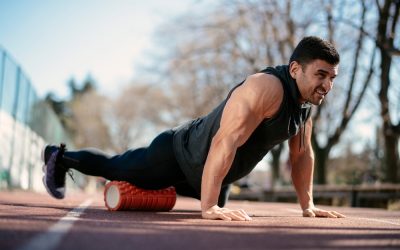
Menjaga lutut Anda fleksibel dan Bebas rasa sakit itu penting Jika Anda ingin dapat melakukan kegiatan yang Anda sukai. regangan adalah cara yang bagus untuk mengurangi rasa sakit dan menjaga lutut Anda sehat.
Ini juga memiliki manfaat lain, termasuk meningkatkan penyembuhan, meningkatkan fleksibilitas, dan memperkuat otot yang mendukung sendi lutut. Namun, jika Anda tidak melakukan peregangan dengan benar, itu mungkin bukan solusi yang Anda cari.
Cerita terkait
 Apa yang Saya Pelajari dari Onlyfans Onlyfans Markiplier dan Transformasi Kebugaran
 Cara Meningkatkan Massa Otot untuk Pria Kurus : 8 Tips Rahasia
Sebelum Anda memulai yang baru gerak badan program, bicarakan dengan dokter Anda tentang cara terbaik untuk meregangkan lutut Anda. Dokter Anda mungkin juga menyarankan modifikasi pada rejimen peregangan Anda berdasarkan kondisi medis spesifik Anda.
Jika Anda baru mengenal peregangan, cara yang baik untuk memulai adalah dengan latihan berdampak rendah, seperti berjalan dengan sepeda stasioner selama lima menit. Ini akan membantu menghangatkan Anda dan memungkinkan Anda memiliki rentang gerak yang lebih baik untuk peregangan.
Anda juga dapat melakukan pemanasan cepat dengan sepeda stasioner selama beberapa menit, dan kemudian meregangkan lutut selama beberapa menit untuk memberi energi kembali pada tubuh Anda.
2 peregangan hamstring.
coba Hamststren Untuk membantu menjaga lutut Anda fleksibel. Otot-otot ini, yang terletak di bagian belakang paha, penting untuk menekuk dan meluruskan lutut.
3 peregangan betis.
A peregangan betis adalah cara lain yang bagus untuk menghilangkan rasa sakit. Ini melibatkan mengangkat jari-jari kaki Anda dari tanah dan menyandarkan punggung ke kaki depan Anda. Peregangan ini mudah dilakukan, dan dapat membantu meredakan nyeri lutut.
4 angkat kaki.
Peregangan lain yang bagus untuk lutut Anda adalah Angkat kaki. Latihan ini adalah cara yang bagus untuk memperkuat quadriceps dan fleksor pinggul Anda. Ini juga dapat membantu mengatasi nyeri lutut, karena otot akan digunakan untuk menopang berat badan Anda. Anda dapat melakukan latihan angkat kaki empat hingga lima kali seminggu.
Penting juga untuk mendengarkan tubuh Anda dan tidak mengejan dengan cara apa pun. Jika Anda merasakan sakit saat melakukan peregangan, mundur atau pindah ke peregangan yang berbeda.
5 penguatan.
Menambah kekuatan pada lutut Anda adalah salah satu cara untuk menghilangkan rasa sakit dan meningkatkan stabilitas lutut Anda. Selain menghilangkan rasa sakit, penguatan lutut dapat mengurangi risiko cedera lebih lanjut.
6 nyeri sendi.
Untuk orang-orang dengan arthritis atau segala jenis nyeri sendi, penting untuk menjaga lutut Anda fleksibel. Hal ini karena tekanan berlebih dan keausan pada lutut Anda dapat meningkatkan risiko cedera lebih lanjut.
Melakukan latihan untuk memperkuat dan meregangkan lutut akan membantu menjaga lutut tetap fleksibel dan mengurangi risiko cedera lebih lanjut.
7 Tetap rendah dampaknya.
Latihan untuk memperkuat lutut harus tdk mengindahkan. Misalnya, menggunakan berat badan atau beban bebas dapat bermanfaat. Ini harus dilakukan setidaknya 2 kali seminggu.
Latihan ini harus dilakukan selama sekitar empat sampai enam minggu dan harus dilanjutkan sebagai program pemeliharaan. Jika Anda tidak yakin dengan latihan mana yang aman dan efektif, Anda dapat berbicara dengan penyedia layanan kesehatan Anda.
Ada juga latihan untuk memperkuat pinggul dan paha belakang, dua otot yang terkait erat dengan bagian belakang lutut. Otot-otot ini dapat membantu menopang lutut dan melindungi sendi selama benturan.
8 Pemanasan.
Melakukan pemanasan sebelum berolahraga adalah penting, karena ini akan mengurangi risiko cedera dan meningkatkan jangkauan gerak Anda.
9 Memperbaiki postur, teknik, dan ketidakseimbangan otot.
Mengidentifikasi dan memperbaiki postur, teknik, dan ketidakseimbangan otot dapat membantu Anda menghindari cedera. Postur tubuh yang buruk dapat menyebabkan berbagai gejala termasuk nyeri, kelelahan, dan penurunan kinerja.
sikap badan Didefinisikan sebagai posisi tubuh saat berdiri, duduk, atau berbaring. Ini termasuk keselarasan tulang belakang yang tepat, otot dan ligamen yang menopangnya, dan posisi kepala. Ini juga dapat mencakup posisi kaki dan pergelangan kaki.
Bahu yang membulat, misalnya, adalah hasil umum dari postur tubuh yang buruk. Bahu yang membulat dapat membuat otot-otot lebih banyak tertekan. Untungnya, ada beberapa latihan yang dapat dilakukan untuk memperbaiki masalah ini.
Cara paling jelas untuk memperbaiki postur tubuh yang buruk adalah dengan duduk tegak dan memegang tubuh Anda dengan benar. Namun, Anda mungkin merasa tidak nyaman pada awalnya.
Otot-otot di sisi tubuh Anda adalah yang paling aktif, sedangkan otot-otot di bagian depan tubuh Anda adalah yang paling tidak aktif. Ini karena tubuh Anda dirancang untuk bergerak melalui beberapa bidang gerak.
Cara lain untuk memperbaiki postur, teknik, dan ketidakseimbangan otot adalah dengan memasukkan Latihan korektif ke dalam rutinitas Anda. Latihan-latihan ini dapat membantu melatih kembali pola gerakan tubuh Anda dan mengembalikan keseimbangan otot.
Memiliki postur yang tepat akan memastikan bahwa Anda mempertahankan lekuk tubuh yang tepat di tulang belakang Anda. Jika Anda bekerja dalam posisi duduk, Anda harus mempertimbangkan untuk berinvestasi dalam bantal yang akan menopang leher Anda. Anda mungkin juga ingin berinvestasi dalam furnitur ergonomis.
Ketidakseimbangan otot adalah umum di antara atlet dan olahragawan rekreasi. Jika Anda mengalami rasa sakit atau kekakuan sendi, Anda mungkin menderita ketidakseimbangan otot. Namun, tidak jarang mengembangkan ketidakseimbangan otot tanpa menyadarinya. Jika Anda khawatir, Anda harus mencari nasihat profesional dari terapis fisik.
Berlatih postur yang benar tidak hanya akan mengurangi rasa sakit, tetapi juga akan membantu Anda menjadi lebih sadar tentang bagaimana tubuh Anda bergerak. Anda mungkin merasa sulit untuk memperbaiki postur Anda pada awalnya, tetapi seiring waktu, itu akan mulai memperbaiki dirinya sendiri secara alami.
nyeri pita iliotibial.
Pelari memiliki keluhan umum nyeri lutut, dan salah satu penyebab yang paling umum adalah sindrom pita iliotibial, atau itbs. Cedera ini dapat menyebabkan rasa sakit yang tajam di bagian luar lutut.
Jika Anda menderita rasa sakit ini, ada beberapa cara untuk menghilangkannya. Yang pertama adalah istirahat. Istirahat memungkinkan tubuh untuk sembuh. Anda juga bisa mencoba es, yang membantu mengurangi rasa sakit. Anda juga dapat menggunakan penyangga lutut untuk membantu menopang lutut Anda.
Penyebab lain nyeri lutut lateral termasuk kondromalacia dan robekan meniskus lateral. MRI dapat mengesampingkan kondisi ini, serta penyebab nyeri lainnya di sisi luar lutut.
Beberapa gejala sindrom band IT termasuk pembengkakan, nyeri di bagian luar lutut, dan nyeri tekan. Gejala-gejala ini juga dapat muncul saat Anda sedang duduk. Penting untuk menghindari aktivitas yang menyebabkan rasa sakit atau gejala lainnya. Jika gejala Anda parah, dokter Anda mungkin merekomendasikan operasi.
Jika pita iliotibial Anda terlalu ketat, Anda mungkin mengalami peningkatan gesekan. Gesekan yang meningkat dapat menyebabkan rasa sakit di bagian luar lutut. Peningkatan gesekan juga dapat menyebabkan jaringan parut pada bursa, yang dapat menyebabkan peningkatan rasa sakit dan penurunan rentang gerak.
Jika Anda menderita sindrom band IT, Anda mungkin dapat mencegahnya dengan mengubah rutinitas latihan Anda. sedikit rutinitas olahraga Dapat menyebabkan sindrom pita IT, termasuk latihan berdampak tinggi seperti jongkok dan melompat. Pelatihan silang adalah cara yang bagus untuk menghindari kondisi ini.
garis bawah.
Latihan intensitas, seperti squat dan jumps, dapat membuat tubuh tegang dan menyebabkan postur tubuh yang buruk, ketidakseimbangan otot, dan bahkan sindrom pita iliotibial. Penting untuk melatih bentuk yang baik saat berolahraga untuk menghindari cedera.
Latihan peregangan dapat bermanfaat untuk memperbaiki postur dan meningkatkan fleksibilitas. Dan ingat, istirahat sangat penting untuk penyembuhan setiap cedera yang mungkin terjadi.