





































 latihan

 meditasi


 podifikasi
 buku elektronik



dlm sekejap
- adalah beban. Respon metabolik akan tergantung pada banyak hal, di atas semua jenis pelatihan yang kita lakukan, yaitu dengan mengatakan bahwa lebih banyak beban atau lebih intensitas kita menambahkan efek yang kita peroleh akan berbeda.
- This phenomenon is what happens when we aredoing an aerobic activity, andit is certain that the metabolism keeps itself active for a couple of hours after the aerobic activity in question.
- The strength training is the concentration of a load only on muscular work, when an explosive effort becomes a response to that load.
Ketika Anda berpikir untuk mempercepat metabolisme kita untuk membakar lebih banyak kalori, kita selalu berpikir untuk menyelesaikan beberapa jenis latihan aerobik. Ya, ini adalah cara yang bagus untuk mencapainya, tetapi dalam kesempatan ini, kami akan menunjukkan kepada Anda bagaimana latihan kekuatan mengubah metabolisme kita.
Berulang kali kami telah merinci efek manfaat dari latihan aerobik pada metabolisme dan percepatannya. Tetapi seberapa sering kita berpikir tentang latihan kekuatan sebagai cara untuk meningkatkan tingkat metabolisme kita?
Kami telah memahami bahwa latihan aerobik mempercepat detak jantung dan pernapasan Anda karena otot membutuhkan lebih banyak darah dan oksigen untuk menghasilkan energi; mekanisme yang sama, pada kenyataannya, yang menyelesaikan ini terjadi. Tindakan ini mengarah pada energi yang berasal dari cadangan lemak yang dimiliki tubuh kita. Cara terbaik untuk mempercepat metabolisme selalu terkait dengan aktivitas aerobik, tetapi itu bukan satu-satunya cara untuk sukses.
Cerita terkait
 10 Variasi Penting Push Up Dengan Langkah
 Apa yang harus dicari saat membeli peralatan kebugaran bekas
Beginilah cara latihan kekuatan memengaruhi metabolisme Anda
Jika Anda melakukan aktivitas intensitas tinggi, tubuh Anda membutuhkan energi yang cepat, sehingga akan lebih memilih untuk menggunakan glukosa kita terlebih dahulu di tubuh kita. Kita dapat menggunakannya untuk energi jangka pendek yang cepat. Tapi begitu itu habis, tubuh harus beralih ke cadangan lemaknya untuk menghasilkan energi.
Fenomena inilah yang terjadi ketika kita melakukan aktivitas aerobik, dan dapat dipastikan bahwa metabolisme tetap aktif selama beberapa jam setelah Aktivitas aerobik dalam pertanyaan.
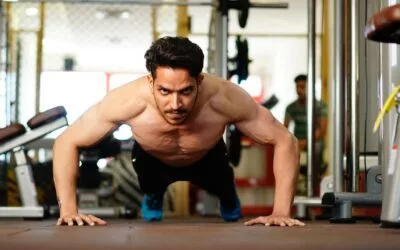
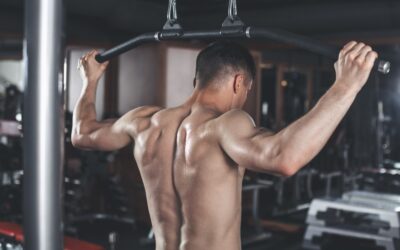
Tapi apa yang kita minati saat ini, dan apa yang ingin kita fokuskan, adalah apa pengaruh latihan kekuatan terhadap metabolisme kita. Latihan kekuatan adalah konsentrasi beban hanya pada pekerjaan otot, ketika upaya ledakan menjadi respons terhadap beban itu.
Namun, bertentangan dengan kepercayaan populer, latihan beban juga meningkatkan metabolisme. Ini adalah metode yang baik dalam jangka panjang untuk membuat Anda lebih aktif dan membakar lebih banyak kalori tanpa Anda perlu terlalu memikirkannya.
untuk mengetahui dari mana dan bagaimana latihan kekuatan Terlibat dalam metabolisme kita, kita akan memperhatikan 3 momen: dan efek selama latihan, satu setelah latihan dan dalam jangka panjang dengan niasin massa otot.
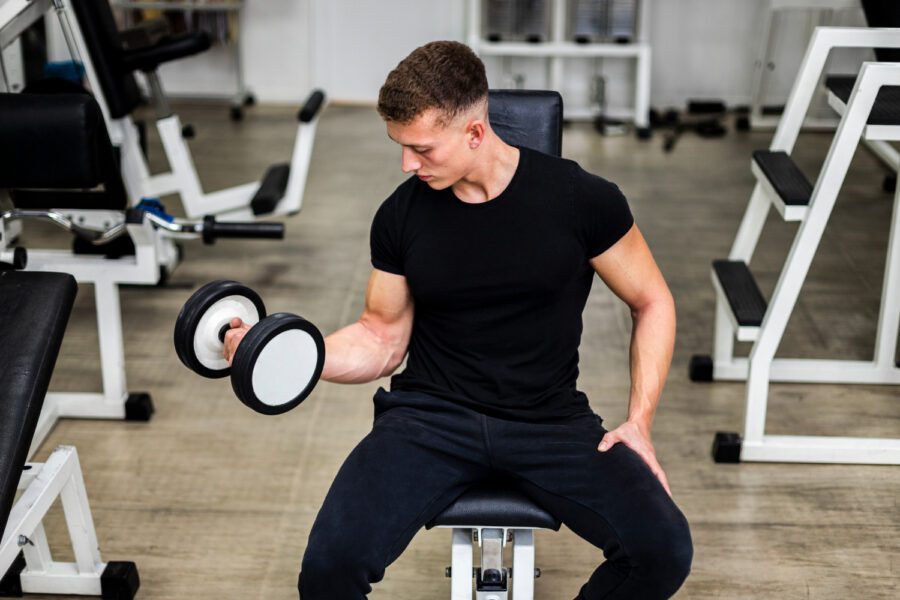
Apa yang terjadi dalam metabolisme saat kita melatih kekuatan?
Saat kita melatih kekuatan, apa yang kita lakukan adalah mengontraksikan otot-otot di dalam tubuh kita untuk mengatasi perlawanan. tahanan adalah beban. Respon metabolik akan tergantung pada banyak hal, di atas semua jenis pelatihan yang kita lakukan, yaitu dengan mengatakan bahwa lebih banyak beban atau lebih intensitas kita menambahkan efek yang kita peroleh akan berbeda.
Apa yang akan terjadi adalah bahwa menaikkan beban, metabolisme kita menyelesaikan pekerjaan, karena kita mendapatkan energi cepat dari mana glukosa yang kita simpan. Glukosa ini memberi kita energi instan yang perlu kita angkat lebih banyak.
Jika kita melakukan ini sebagai bagian dari pelatihan kita, maka energi akan tergantung pada berat badan kita angkat dan durasi aktivitas.
Ini mengaktifkan metabolisme dan tubuh akan menuntut energi dari tubuh kita. Karena otot membutuhkannya untuk menghasilkan latihan yang diperlukan. kita akan membakar kurang lebih glikogen, tergantung pada – a)intensitas, dan b) durasi, latihan.
Apa yang terjadi setelah latihan kekuatan?
Setelah berlatih latihan kekuatan, metabolisme mengalami perubahan, dan terus aktif. Ini dihasilkan oleh berbagai proses yang terjadi di dalam tubuh.
Setelah latihan selesai, resintesis fosfokreatin terjadi di otot. Laktat dipercepat dan pemulihan simpanan oksigen dalam darah dan otot dimulai. Suhu tubuh meningkat, seperti halnya detak jantung dan pernapasan.
Setelah latihan, tubuh menderita serangkaian efek yang akan meningkatkan konsumsi oksigen dan karena itu pembakaran kalori.
Semuanya dijelaskan di atas, bersama dengan fakta bahwa tubuh meningkatkan produksi hormon tertentu, menyebabkan konsumsi oksigen meningkat. Peningkatan konsumsi oksigen ini membuat kalori tetap aktif setelah pelatihan, bahkan hingga beberapa jam kemudian.
Apa yang akan terjadi dalam metabolisme jangka panjang, ketika kita mendapatkan serat yang lebih tinggi?
Ketiga, kita akan fokus pada efek yang akan ditimbulkan oleh latihan kekuatan terhadap metabolisme kita dalam jangka panjang. Dengan melatih kekuatan, kami membuat otot-otot tumbuh dan melakukannya, serat yang membentuknya akan meningkat. Peningkatan ini membuat otot lebih besar.
Metabolisme akan diubah dengan penguatan ini dalam dua arah. Ini akan meningkatkan tingkat metabolisme basal.
Ini berarti bahwa tubuh kita akan mengkonsumsi lebih banyak energi saat istirahat, karena memiliki serat otot yang lebih besar akan membutuhkan asupan makanan yang lebih besar, yang berarti konsumsi energi yang lebih besar. Dengan meningkatkan serat otot, Anda akan meningkatkan konsumsi basal dan konsumsi oksigen pasca-latihan
Di sisi lain, peningkatan massa ini juga akan meningkatkan konsumsi oksigen pasca latihan. Konsumsi oksigen yang lebih besar ini akan menyebabkan kebutuhan energi tubuh menjadi lebih besar. Oleh karena itu metabolisme akan lebih banyak diaktifkan dan dengan itu pembakaran kalori.
Mengingat ketiga poin ini, kita harus ingat bahwa dengan latihan kekuatan, kita akan mencapai konsumsi energi yang lebih besar dalam jangka panjang. Dengan latihan aerobik itu lebih cepat, tetapi tidak terus-menerus dari waktu ke waktu seperti halnya dengan latihan kekuatan.
Oleh karena itu, ada baiknya untuk mempertimbangkan manfaat yang akan diberikan oleh kekuatan kerja kepada kita dalam jangka panjang, membuat metabolisme kita meningkat dan dengan demikian mencapai hasil yang jauh lebih baik, sambil menjaga otot kita tetap kencang.
poin untuk direnungkan.
- Efek EPOC (kelebihan konsumsi oksigen pasca latihan): Latihan kekuatan memberikan dorongan besar untuk EPOC, atau tubuh terus membakar lebih banyak kalori jam setelah selesai latihan.
- Peningkatan hormonal: Latihan kekuatan meningkatkan hormon pertumbuhan dan testosteron yang membantu dalam perbaikan otot, pembakaran lemak serta merangsang metabolisme dalam jangka panjang.
- Fleksibilitas metabolik: Berlawanan dengan latihan aerobik, latihan kekuatan meningkatkan kapasitas tubuh Anda untuk mengganti metabolisme antara karbohidrat dan lemak dengan cara yang lebih efektif.
- Penuaan & Metabolisme: Massa otot pada individu normal menurun setelah usia 30 (sarcopenia). Hal ini dihindari dengan latihan kekuatan yang mempertahankan metabolisme yang lebih tinggi bahkan di usia tua.
- Keuntungan kombinasi: Ketika latihan kekuatan dan latihan aerobik digabungkan secara progresif, latihan ini paling efektif dengan pembakaran kalori jangka pendek dan pengembangan metabolisme jangka panjang.
Wawasan wawancara ahli.
Saya mewawancarai Dr. Rakesh Menon, spesialis kedokteran olahraga yang sama: Apakah latihan kekuatan lebih baik atau lebih buruk daripada kardio dalam hal metabolisme:
Sebagian besar penduduk berpikir bahwa berlari atau bersepeda adalah satu-satunya cara untuk membakar kalori. Tetapi otot adalah jaringan yang aktif secara metabolik. Ketika Anda membangun massa tanpa lemak melalui latihan kekuatan, maka tubuh Anda membakar banyak kalori bahkan ketika Anda sedang tidur. Itulah rahasia latihan beban.
Sementara itu, pelatih kebugaran Priya Sharma berkomentar:
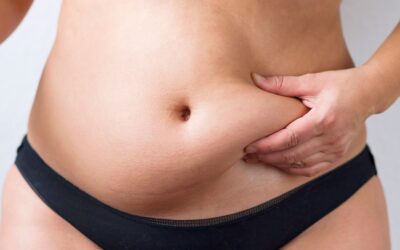
Saya menyaksikan banyak wanita yang menghindari latihan kekuatan dengan keyakinan bahwa mereka harus besar. Faktanya, ini mempercepat metabolisme, meratakan perut dan menyederhanakan pembakaran lemak. Klien saya bahwa latihan kekuatan tiga kali seminggu mencapai hasil lebih cepat dibandingkan dengan mereka yang hanya melakukan kardio.
pertanyaan yang sering diajukan.
Keduanya bermanfaat. Kardio membakar kalori cepat sedangkan latihan kekuatan membakar lebih banyak kalori dalam jangka panjang karena meningkatkan metabolisme dengan membangun massa otot dan penggunaan energi istirahat.
Manfaat metabolisme jangka panjang membutuhkan setidaknya 2 3 sesi per minggu yang dapat difokuskan pada kelompok otot utama.
YA. Latihan kekuatan dengan sendirinya meningkatkan massa otot dan meningkatkan metabolisme istirahat yang membantu membakar lebih banyak kalori per hari. Namun, ketika digunakan bersama dengan kardio, kehilangan lemak total lebih cepat.
garis bawah.
Membangun otot bukan satu-satunya manfaat dari latihan kekuatan: ini adalah metode kelas atas untuk menulis ulang metabolisme Anda. Berbeda dengan kardio, yang hanya membakar kalori selama latihan, latihan kekuatan adalah apa yang mengembangkan massa tanpa lemak yang membuat tingkat metabolisme Anda meningkat sepanjang hari.
Latihan kekuatan tidak dapat dinegosiasikan jika Anda ingin kehilangan lemak secara berkelanjutan, membangun otot tanpa lemak, dan memiliki metabolisme yang beroperasi bahkan saat Anda tertidur. Ini semua tentang konsistensi, kelebihan beban progresif dan menggabungkannya dengan nutrisi seimbang untuk mendapatkan yang terbaik darinya.