

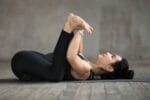















Pose busur ke atas, juga dikenal sebagai Urdhva Dhanurasana dalam bahasa Sansekerta, adalah cara yang dinamis dan memberi energi Postur Yoga Itu menawarkan segudang manfaat bagi tubuh dan pikiran. Pose backbend ini adalah asana yang menantang namun bermanfaat yang meregangkan dan memperkuat seluruh tubuh, sekaligus meningkatkan fleksibilitas dan kesejahteraan emosional.
Dalam artikel ini, kita akan mengeksplorasi berbagai manfaat dari Upward Bow Pose, membahas teknik yang tepat untuk melakukannya, dan mengeksplorasi beberapa variasi populernya. Apakah Anda seorang pemula atau yogi yang berpengalaman, panduan ini akan memberi Anda pemahaman yang komprehensif tentang pose busur ke atas dan cara memasukkannya ke dalam latihan yoga Anda.
Manfaat dari ke atas busur yoga.
1. Memperkuat otot punggung dan otot inti.
Pose busur ke atas adalah cara terbaik untuk memperkuat otot punggung, termasuk erector spinae, yang membantu menjaga tulang belakang yang sehat. Selain itu, ini melibatkan otot-otot inti, termasuk perut dan obliques, meningkatkan stabilitas secara keseluruhan dan meningkatkan postur tubuh yang baik.
2 .Membuka dada dan bahu.
Praktik rutin asana ini memperluas peti mayat, meregangkan otot dada, dan membuka pundak. Ini membantu melawan postur lentur ke depan yang sering dikaitkan dengan gaya hidup yang tidak banyak bergerak, meningkatkan kapasitas pernapasan dan mengurangi ketegangan di tubuh bagian atas.
Cerita terkait
 10 Pose Yoga Restoratif untuk Terhubung Kembali Dengan Keharmonisan Batin Anda
 5 Pose Yoga Terbaik untuk Kaki Datar
3. Meningkatkan fleksibilitas.
Pose busur ke atas meregang dan memperpanjang seluruh tubuh depan, termasuk fleksor pinggul, paha depan, dan otot perut. Dengan latihan yang konsisten, secara bertahap meningkatkan fleksibilitas di bidang ini, memungkinkan mobilitas dan rentang gerak yang lebih besar.
4. Meningkatkan energi dan mengurangi kelelahan.
Melakukan pose busur ke atas menciptakan kompresi lembut di tulang belakang, merangsang sistem saraf dan meningkatkan tingkat energi. Pose ini juga membantu meringankan kelelahan, karena aktivitas fisik yang terlibat mengaktifkan pusat energi tubuh dan meningkatkan sirkulasi di seluruh sistem.
5. Meningkatkan mood dan mengurangi stres.
Praktik backbends, seperti Upward Bow Pose, dapat berdampak positif pada suasana hati dan kesejahteraan emosional. Pose ini merangsang pelepasan endorfin, hormon perasaan-baik alami tubuh, meningkatkan rasa bahagia dan mengurangi gejala stres, kecemasan, dan depresi.
6. Memperbaiki pencernaan dan detoksifikasi.
Pose busur ke atas merangsang organ perut, termasuk hati, ginjal, dan pankreas, yang dapat membantu proses pencernaan dan detoksifikasi. Kompresi lembut dan perluasan perut selama pose ini membantu memijat organ-organ ini, meningkatkan fungsinya dan mempromosikan sistem pencernaan yang sehat.

7 . Mengembangkan keseimbangan dan proprioception.
Menyeimbangkan tubuh pada tangan dan kaki di busur ke atas menimbulkan tantangan dan meningkatkan proprioception, yaitu kesadaran tubuh akan posisinya di ruang angkasa. Pose ini membutuhkan fokus dan konsentrasi, mengembangkan rasa keseimbangan baik secara fisik maupun mental.
8. Memupuk rasa pemberdayaan dan kepercayaan diri.
Melakukan pose busur ke atas membutuhkan kekuatan, kelenturan, dan kepercayaan pada diri sendiri. Praktik yang konsisten dari asana yang menantang ini dapat mengarah pada rasa pemberdayaan, kepercayaan diri, dan harga diri yang lebih besar, baik di dalam maupun di luar matras.

| 💡 Tips FREAKTOFIT.COM Memasukkan busur ke atas berpose ke dalam yoga Anda Latihan dapat menawarkan beragam manfaat bagi tubuh dan pikiran. Namun, penting untuk berlatih di bawah bimbingan instruktur yoga yang memenuhi syarat untuk memastikan keselarasan yang tepat dan menghindari potensi cedera. |
Bagaimana cara melakukan yoga pose ke atas?
Jika Anda siap untuk memulai perjalanan berlatih pose busur ke atas, berikut adalah panduan langkah demi langkah untuk membantu Anda memulai:
1. Pemanasan.
Sebelum mencoba pose yang menantang, sangat penting untuk menghangatkan tubuh Anda dengan benar. Mulailah dengan beberapa putaran salam matahari atau peregangan lembut untuk membangunkan otot-otot Anda dan mempersiapkannya untuk intensitas yang akan datang.
2 .Berbaring telentang.
Mulailah dengan berbaring telentang, dengan lutut ditekuk dan kaki Anda terbuka lebar. Letakkan kedua lengan di samping tubuh, dengan telapak tangan menghadap ke bawah dan jari-jari mengarah ke kaki.
3. Posisikan tangan Anda.
Tekuk siku dan bawa telapak tangan ke samping telinga, jari-jari menunjuk ke arah bahu. Pastikan ujung jari Anda menghadap ke arah kaki Anda, biarkan siku Anda mengarah ke atas.
4. Libatkan kaki dan kaki Anda.
Tekan kaki Anda dengan kuat ke tanah, aktifkan otot-otot kaki Anda. Jaga agar paha Anda sejajar satu sama lain dan pastikan lutut Anda mengarah lurus ke depan.
5. Tarik napas, angkat pinggul Anda.
Saat Anda menarik napas dalam-dalam, tekan telapak tangan dan kaki Anda ke tanah, secara bersamaan mengangkat pinggul dan punggung bawah dari lantai. Secara bertahap, gunakan kekuatan inti Anda untuk mengangkat seluruh tubuh Anda, menciptakan backbend yang lembut.
6. menemukan stabilitas.
Setelah tubuh Anda terangkat sepenuhnya, bagikan berat badan Anda secara merata di antara tangan dan kaki Anda. Libatkan glutes, paha bagian dalam, dan otot perut bagian bawah untuk menjaga stabilitas dan mencegah ketegangan berlebihan pada punggung bawah Anda.
7 .Buka dada Anda.
Terus tarik napas dalam-dalam, saat Anda dengan lembut mendorong dada ke depan dan ke atas. Biarkan tulang belikat Anda saling tarik ke arah satu sama lain, buka pusat jantung Anda dan rentangkan dada Anda. Berhati-hatilah untuk tidak memaksakan leher Anda; tetap netral dan rileks.
8. Ambil napas yang stabil.
Tetap berpose untuk beberapa napas dalam-dalam, temukan keseimbangan antara usaha dan kemudahan. Jika Anda merasa nyaman, Anda dapat dengan lembut mengalihkan pandangan ke dinding di belakang Anda, mempertahankan fokus lembut tanpa membuat leher Anda tegang.
9. Lepaskan posenya.
Untuk keluar dari pose busur ke atas, buang napas perlahan dan turunkan tubuh Anda kembali ke tanah satu vertebra pada satu waktu. Mulai dari punggung atas, lalu punggung tengah, dan terakhir punggung bawah. Biarkan tubuh Anda beristirahat di atas matras, melepaskan ketegangan atau usaha apa pun.
10. istirahat dan pulih.
Setelah berlatih pose busur ke atas, luangkan waktu sejenak untuk beristirahat di savasana (pose mayat) untuk memungkinkan tubuh dan pikiran Anda untuk sepenuhnya mengintegrasikan manfaat dari pose tersebut. Tinggal di Savasana setidaknya selama beberapa menit, fokus pada napas Anda dan merangkul rasa relaksasi.
| 💡 Tips FREAKTOFIT.COM Ingat, seperti halnya pose yoga apa pun, penting untuk mendengarkan tubuh Anda dan berlatih dengan kesadaran. Jika Anda baru mengenal pose ke atas atau mengalami ketidaknyamanan, disarankan untuk mencari bimbingan dari instruktur yoga yang memenuhi syarat. Nikmati latihan Anda dan rangkul perjalanan transformatif yang dapat ditawarkan oleh pose busur ke atas! |
Variasi dari Pose Bow Yoga ke atas.
Variasi yoga pose busur ke atas, juga dikenal sebagai Urdhva Dhanurasana, menawarkan berbagai modifikasi dan perkembangan yang memungkinkan praktisi untuk mengeksplorasi dan memperdalam latihan mereka. Berikut beberapa variasi penting:
1. Pose busur yang didukung ke atas.
Variasi ini melibatkan penggunaan alat peraga seperti balok, guling, atau kursi untuk memberikan dukungan dan stabilitas. Dengan mengangkat tangan atau kaki, praktisi dapat secara bertahap membangun kekuatan dan kelenturan sekaligus mengurangi ketegangan pada pergelangan tangan atau bahu.
2 Pose busur ke atas satu kaki.
Seperti namanya, variasi ini melibatkan mengangkat satu kaki dari tanah sambil mempertahankan ekspresi penuh dari pose busur ke atas. Variasi ini menantang keseimbangan dan stabilitas inti sambil meningkatkan fleksibilitas dan kekuatan pinggul di kaki berdiri.
3. Pose busur terikat ke atas.
Dalam variasi ini, tangan bersatu di belakang punggung, menciptakan ikatan. Variasi ini mengintensifkan peregangan di dada dan bahu sementara membutuhkan lebih banyak keterbukaan di bahu dan tulang belakang toraks.
4. Pose busur terbalik terbalik.
Dengan berlatih pose busur ke atas dengan kaki diangkat, ke dinding, atau di tanjakan, praktisi dapat mengalami efek seperti inversi. Variasi ini menawarkan manfaat inversi, seperti peningkatan aliran darah ke kepala dan efek peremajaan pada sistem saraf, sekaligus memperkuat kaki dan punggung.
5. Pose busur ke atas dengan variasi kaki.
Praktisi dapat mengeksplorasi posisi kaki yang berbeda saat dalam pose busur ke atas, seperti menjulurkan satu kaki lurus ke atas ke arah langit-langit atau menekuk satu lutut dan menempatkan kaki di paha yang berlawanan. Variasi ini menantang keseimbangan, fleksibilitas pinggul, dan kekuatan inti sambil menambahkan elemen yang menyenangkan ke dalam pose.
6. Pose busur ke atas dengan alat peraga.
Penggunaan alat peraga seperti roda yoga, blok yoga, atau tali pengikat dapat memberikan dukungan tambahan dan membantu memperdalam pose. Alat peraga ini dapat membantu praktisi untuk secara bertahap bekerja menuju backbend yang lebih dalam, meningkatkan mobilitas tulang belakang, dan membuka dada dan bahu.
7 .Pose busur ke atas yang dinamis.
Variasi ini melibatkan transisi masuk dan keluar dari pose busur ke atas dengan fluiditas dan kontrol. Praktisi dapat mengeksplorasi gerakan mengalir, seperti mengangkat satu kaki pada satu waktu atau bergoyang bolak-balik, untuk meningkatkan kesadaran tubuh, koordinasi, dan kekuatan keseluruhan.
| 💡 Tips FREAKTOFIT.COM Ingat, penting untuk mendekati variasi ini dengan hati-hati dan menghormati keterbatasan tubuh Anda. Berlatih di bawah bimbingan instruktur yoga yang memenuhi syarat dapat memastikan keselarasan yang tepat, mencegah cedera, dan membantu Anda maju dengan aman dalam perjalanan yoga Anda. |
Siapa yang bisa melakukan yoga pose busur ke atas?
Siapa pun yang memiliki tingkat fleksibilitas dan kekuatan dasar dapat melakukannya busur ke atas Pose Yoga, juga dikenal sebagai Urdhva Dhanurasana. Pose ini mengharuskan praktisi untuk memiliki bahu terbuka, inti yang kuat, dan tulang belakang yang fleksibel. Pemula mungkin merasa terbantu untuk melakukan pemanasan dengan pose persiapan seperti pose jembatan atau pose unta sebelum mencoba membungkuk ke atas.
Penting bagi individu dengan cedera atau kondisi medis yang sudah ada sebelumnya untuk berkonsultasi dengan instruktur yoga atau profesional kesehatan yang memenuhi syarat sebelum mencoba pose ini. Dengan latihan yang konsisten, kesabaran, dan keselarasan yang tepat, siapa pun dapat secara bertahap bekerja untuk mencapai pose busur ke atas.
Siapa yang harus menghindari yoga pose busur ke atas?
Yoga pose busur ke atas, juga dikenal sebagai pose roda, adalah backbend yang menantang dan intens yang membutuhkan tingkat kekuatan, fleksibilitas, dan pengalaman tertentu. Dengan demikian, individu yang memiliki kondisi kesehatan atau cedera tertentu harus menghindari berlatih pose ini. Orang dengan cedera leher atau punggung, terutama yang mempengaruhi tulang belakang, harus menghindari pose busur ke atas karena dapat membuat area ini tegang.
Selain itu, individu dengan masalah pergelangan tangan, bahu, atau siku juga mungkin merasa pose ini tidak nyaman atau memberatkan. Sangat penting untuk mendengarkan tubuh Anda dan berkonsultasi dengan instruktur yoga atau profesional kesehatan yang berkualifikasi sebelum mencoba pose canggih untuk memastikan keselamatan dan kesejahteraan Anda.
Tindakan pencegahan yang harus diambil saat melakukan yoga pose busur ke atas.
- Lakukan pemanasan dengan benar sebelum mencoba berpose busur ke atas untuk mempersiapkan tubuh Anda menghadapi gerakan yang menantang.
- Pastikan Anda memiliki cukup ruang di sekitar Anda untuk sepenuhnya memperluas tubuh Anda dan menghindari rintangan atau furnitur yang dapat menghalangi latihan Anda.
- Dengarkan tubuh Anda dan jangan memaksakan diri Anda melampaui batas Anda. Mulailah dengan backbends yang lembut dan secara bertahap tingkatkan intensitasnya dari waktu ke waktu.
- Libatkan otot inti Anda selama pose untuk melindungi punggung bawah dan menjaga stabilitas.
- Tempatkan matras atau selimut yoga di bawah kepala dan leher Anda untuk dukungan dan untuk mencegah ketidaknyamanan.
- Jaga agar leher Anda tetap rileks dan hindari mengejan atau terlalu menekannya.
- Jangan memaksa tubuh Anda ke dalam pose jika Anda merasakan sakit atau ketidaknyamanan. memodifikasi pose atau mencari bimbingan dari instruktur yoga yang memenuhi syarat.
- Jika Anda memiliki cedera leher atau punggung yang sudah ada sebelumnya, konsultasikan dengan profesional medis atau Terapis yoga sebelum mencoba busur ke atas berpose. Mereka dapat memberi Anda saran dan modifikasi yang dipersonalisasi.
- Bernapaslah dalam dan penuh perhatian selama pose, memungkinkan napas Anda untuk membimbing dan mendukung gerakan Anda.
- Selalu akhiri latihan Anda dengan pendinginan dan relaksasi yang lembut untuk memungkinkan tubuh Anda pulih dan menghindari rasa sakit pasca-yoga.
garis bawah.
Pose busur ke atas, juga dikenal sebagai Urdhva Dhanurasana, adalah tantangan yang menantang namun bermanfaat pose yoga Itu menawarkan banyak manfaat fisik dan mental. Dengan meregangkan dan memperkuat berbagai otot, pose ini membantu meningkatkan fleksibilitas, meningkatkan stabilitas inti, dan meningkatkan postur tubuh yang lebih baik. Selain itu, ini merangsang sistem pernapasan dan peredaran darah, mempromosikan tubuh yang sehat dan seimbang.
Selain itu, pose busur ke atas mendorong fokus dan konsentrasi mental, menghilangkan stres dan kecemasan. Seperti halnya pose yoga lainnya, penting untuk berlatih di bawah bimbingan instruktur yang memenuhi syarat dan mendengarkan keterbatasan tubuh Anda. Dengan dedikasi dan kesabaran, pose busur ke atas bisa menjadi tambahan yang kuat untuk latihan yoga apa pun, membawa rasa kekuatan, keterbukaan, dan kesejahteraan secara keseluruhan.