























 latihan

 meditasi


 podifikasi
 buku elektronik

The Fast Facts
- Trauma adalah bentuk syok yang didapat oleh tubuh manusia yang dapat terjadi berupa cedera remuk, kompresi menyelam/udara atau luka tertentu pada bagian tubuh/organ tubuh seperti kepala atau sumsum tulang belakang.
- Suhu tubuh pasien trauma naik 1-20 ° C karena pergeseran ke atas di titik setel termoregulasi otak.
- Cedera kecelakaan atau crush adalah bentuk trauma akut yang merupakan penyebab utama kematian dan kecacatan.

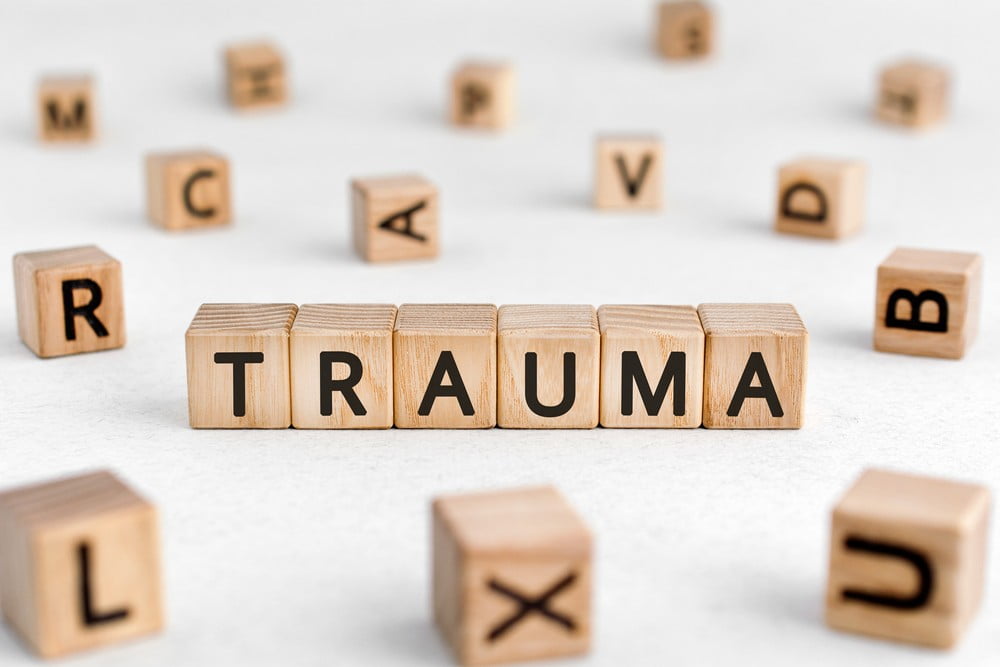
The term “trauma” came from a Greek word which means “wound” (damage or defect). Trauma is a form of shock a human body gets which may occur in the form of crush injuries, diving/air compression or specific wounds on body part/ organs such as head or spinal cord. So, today we will tell you about Trauma Management.
Cedera kecelakaan atau crush adalah bentuk trauma akut yang merupakan penyebab utama kematian dan kecacatan. Cedera menghancurkan umumnya akibat kecelakaan di jalan yang serius, kecelakaan industri dan ledakan dll.
Ini mungkin melibatkan beberapa tulang yang retak, banyak perdarahan eksternal, perdarahan internal, syok dan kemunduran menjadi ketidaksadaran. Perawatan optimal pasien yang terluka sering intensif dan berkepanjangan. Tingkat kelangsungan hidup rendah dan dapat diikuti oleh rehabilitasi selama bertahun-tahun.
Cerita terkait
 Nutrisi Penting untuk Gagal Ginjal: Panduan Diet
 Cara mencampur bubuk protein tanpa benjolan dalam 5 langkah mudah
Dukungan metabolik dan nutrisi dari pasien yang terluka adalah komponen utama dari perawatan keseluruhan.
ICD 10 trauma.
Kode diagnosis untuk trauma ICD 10 adalah T14.90XA
respon fisiologis terhadap cedera.
Peristiwa fisiologis terkait dengan tingkat keparahan cedera yang, semakin besar penghinaan, semakin jelas responsnya. Dua periode berbeda dari respon pasca-trauma telah diidentifikasi:
fase pasang surut atau fase syok dini.
Ini biasanya tetap dalam durasi yang berlangsung selama sekitar 12 sampai 24 jam dan terjadi segera setelah cedera. suhu tubuh, tekanan darah, curah jantung, dan konsumsi oksigen berkurang. Hal ini sering berhubungan dengan perdarahan dan mengakibatkan keadaan menjadi berkembang dan asidosis laktat. Saat volume darah dipulihkan, respons yang lebih cepat terjadi.

fase aliran.
Hal ini ditandai dengan hiper metabolisme, peningkatan curah jantung, peningkatan kehilangan nitrogen urin, metabolisme glukosa yang berubah dan dipercepat katabolisme jaringan. Respon fase aliran terhadap cedera ini serupa dengan yang setelah operasi tetapi biasanya lebih intensif dan meluas dalam jangka waktu yang lebih lama. Fase ini ditandai dengan hipertabolis dan perubahan metabolisme glukosa, protein dan lemak.
| Baca sekarang: Perawatan bungkus tubuh yang efektif untuk menurunkan berat badan dan kulit bercahaya. |
respon metabolik terhadap cedera.
Terjadinya peningkatan dalam Tingkat metabolisme basal di atas normal. Tingkat hipertabolis berhubungan dengan tingkat keparahan cedera. Fraktur lama biasanya menandai hasil 15 hingga 25 % untuk meningkatkan laju metabolisme.
Beberapa cedera meningkatkan tingkat metabolisme sebesar 50% dan pasien luka bakar parah mengalami peningkatan metabolisme sebesar 100%. Suhu tubuh pasien trauma meningkat 1-20°C karena pergeseran ke atas pada titik setel termoregulasi otak. Perubahan glukosa, protein dan lemak, metabolisme sedang dibahas di bawah ini.
metabolisme glukosa yang berubah.
Karena cedera hipoglikemia umumnya terjadi dan berhubungan dengan tingkat keparahan stres. Pada fase pasang surut, kadar insulin rendah dan produksi glukosa sedikit meningkat. Selama fase aliran, hiperglikemia tetap ada meskipun kadar insulin normal atau tinggi. Dengan demikian, produksi glukosa dan glukoneogenesis hati meningkat.
metabolisme protein yang berubah.
Kehilangan nitrogen urin sangat luas selama cedera. Trauma mempercepat pergantian nitrogen. Pada pasien yang tidak diberi makan, tingkat kerusakan jaringan melebihi sintesis dan keseimbangan negatif terjadi. Menyediakan kalori eksogen dan peningkatan sintesis nitrogen membantu memulihkan keseimbangan nitrogen.
metabolisme lemak yang berubah.
Deposit lemak yang disimpan dimobilisasi dan dioksidasi pada tingkat yang tinggi untuk mendukung hipermetabolisme dan meningkat glukoneogenesis. Jika pasien yang terluka parah tidak diberi makan, maka mereka akan menguras lemak dan menyimpan protein dengan cepat. Malnutrisi yang dihasilkan meningkatkan kerentanan mereka terhadap pendarahan, infeksi, kegagalan sistem organ, sepsis dan kematian.
respon hormonal terhadap cedera.
Selama cedera banyak perubahan hormonal terjadi. Beberapa kenaikan yang nyata diidentifikasi dalam kontra hormon pengatur, yaitu, orang bermuka dua, glukokortikoid dan katekolamin. Glukagon memiliki efek glikogenolitik dan glukoneogenik yang terjadi di hati.
Kortikal memobilisasi asam amino dari otot rangka, meningkatkan glukonegenesis hati dan mempertahankan simpanan lemak tubuh. Katekolamin juga merangsang glukonegenesis hati, glikolisis dan meningkatkan produksi laktat dari otot rangka. Mereka juga meningkatkan tingkat metabolisme dan lipolisis. Hormon pertumbuhan meningkat sementara kadar tiroid mengembun.
| Baca sekarang: Apa itu Indeks Massa Tubuh (BMI) – Keterbatasan dan Pola Makanan. |
Perawatan diet dalam manajemen trauma.
Sebagai hasil dari respon metabolik terhadap cedera, ada peningkatan pengeluaran energi. Oksidasi penyimpanan lemak tubuh terjadi di dalam tubuh yang membantu penurunan berat badan. Sebagian besar pasien yang terluka dapat mentolerir hilangnya 10% dari berat badan pra-cedera mereka sebelum cedera.
kalau Penurunan Berat melebihi 10% berat badan, meningkatkan morbiditas dan mortalitas. Pasien terkena berbagai agen infeksi di rumah sakit, karena penggunaan kateter dan selang nasogastrik. Malnutrisi meningkatkan kemungkinan sepsis, kegagalan sistem organ ganda dan kematian. Ini juga menunda proses penyembuhan luka.
Tujuan dari dukungan nutrisi untuk pasien trauma adalah untuk membantu mekanisme pertahanan tubuh. Nutrisi yang cukup memungkinkan respons normal yang mengoptimalkan penyembuhan luka dan pemulihan. Dukungan nutrisi harus diberikan sebelum penurunan berat badan yang signifikan terjadi.
Pemberian larutan nutrisi hipertonik intravena, penggunaan vena perifer dengan emulsi lemak dan penggunaan diet spesifik memberikan dukungan nutrisi yang efektif untuk pasien yang terluka.
| Baca sekarang: Sereal sarapan: sehat atau tidak? |
kebutuhan nutrisi selama manajemen trauma.
Penilaian gizi dilakukan untuk memeriksa kebutuhan energi dan protein pasien trauma. Kebutuhan energi basal ditentukan dari tabel standar berdasarkan usia, jenis kelamin dan luas permukaan tubuh. Persyaratan ini disesuaikan untuk peningkatan tingkat metabolisme karena cedera atau penyakit. Protein makanan diperlukan dalam jumlah yang lebih besar untuk mencapai keseimbangan nitrogen.
Kira-kira, 15 hingga 20% asupan kalori harus dari protein. Karbohidrat (glukosa) harus menyediakan 60% kebutuhan kalori dan kebutuhan energi lainnya harus dipenuhi oleh lemak. Multivitamin diberikan setiap hari bersama dengan suplemen vitamin C, yang paling banyak direkomendasikan setelah cedera.
Untuk mempertahankan kadar natrium normal, elektrolit dapat ditambahkan ke formula pakan. Suplemen kalium, magnesium dan fosfat ditambahkan ke cairan parenteral. Suplemen seng harus diberikan kepada pasien dengan kekurangan gizi parah atau mereka yang memiliki riwayat asupan nutrisi yang buruk, misalnya pecandu alkohol.
There are three routes of nutrition support i.e., oral, enteral and parenteral. Oral and enteral routes are generally preferred over the parenteral (intravenous) administration. Oral liquid supplements should be administered to increase the nutrient intake. The patient’s injuries may interfere with oral feedings.
Pasien dengan cedera wajah dan kepala, gangguan rahang, mulut atau kerongkongan dan mereka yang menerima ventilasi buatan tidak dapat mengambil makanan secara oral. Oleh karena itu, pasien ini perlu diberi makan melalui tabung. Formula pakan tabung enteral atau parenteral biasanya merupakan campuran lemak, karbohidrat dan protein seimbang.
Pemberian makanan intravena atau parenteral mungkin diperlukan untuk melengkapi makanan enteral atau ketika pemberian makanan enteral tidak dapat ditoleransi.
garis bawah.
Trauma adalah semacam kejutan yang dihadapi tubuh manusia setelah cedera atau kecelakaan. Karena banyaknya perubahan hormonal serta metabolisme terlihat di dalam tubuh. Orang mungkin atau mungkin tidak dalam kondisi serius dan itu tergantung pada jenis trauma yang mereka hadapi.
A proper dietary care in trauma management should be taken to meet the body’s requirements, specially energy, protein and fat. If the patient is able to eat food from mouth then it should be encouraged otherwise parenteral feeds need to start as per the condition.
+3 Sumber
FreaktoFit memiliki pedoman pengadaan yang ketat dan bergantung pada studi peer-review, lembaga penelitian pendidikan, dan organisasi medis. Kami menghindari penggunaan referensi tersier. Anda dapat mempelajari lebih lanjut tentang bagaimana kami memastikan konten kami akurat dan terkini dengan membaca Kebijakan Editorial.
- iskemia, hipoksia; https://www.lhsc.on.ca/critical-care-trauma-centre/critical-care-trauma-centre-181#:~:text=Hypoperfusion%20is%20a%20term%20that,any%20organ%20of%20the%20body.
- Asidosis laktat: Apa yang perlu Anda ketahui; https://www.healthline.com/health/lactic-acidosis
- Respon terhadap trauma dan perubahan metabolik: metabolisme pascatrauma; https://www.ncbi.nlm.nih.gov/pmc/articles/PMC4379844/