


































 تدرب
تدرب

 تأمل
تأمل


 بودكاست
 الكتاب الإلكتروني


الحقائق السريعة
- Trauma is a form of shock a human body gets which may occur in the form of crush injuries, diving/air compression or specific wounds on body part/ organs such as head or spinal cord.
- The body temperature of a trauma patient rises by 1-20°C due to an upward shift in the thermoregulatory set point of the brain.
- Accidental or crush injury are a form of acute trauma which is a major cause of death and disability.
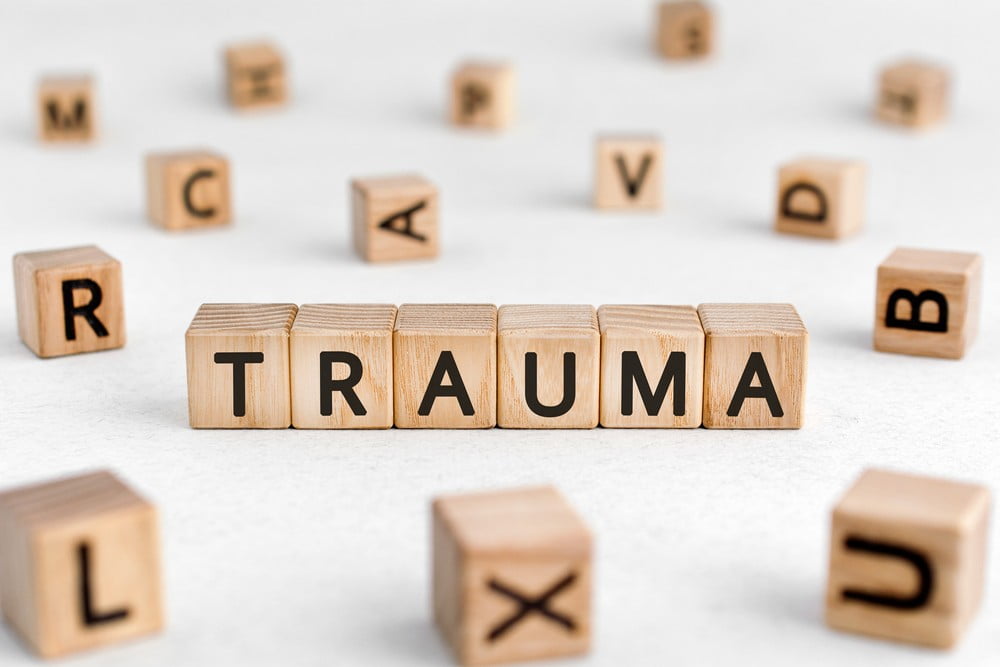
The term “trauma” came from a Greek word which means “wound” (damage or defect). Trauma is a form of shock a human body gets which may occur in the form of crush injuries, diving/air compression or specific wounds on body part/ organs such as head or spinal cord. So, today we will tell you about Trauma Management.
Accidental or crush injury are a form of acute trauma which is a major cause of death and disability. Crush injuries generally result from serious road accidents, industrial mishaps and explosions etc.
It may involve several fractured bones, profuse multiple external bleeding, internal bleeding, shock and deterioration into unconsciousness. Optimal care of the injured patient is often intensive and prolonged. Survival rate is low and may be followed by years of rehabilitation.
قصص ذات صلة
 هل ملفات تعريف الارتباط العالية صحية: كشف الحقيقة
 12 فوائد صحية مذهلة من الجاكيت - أطعمة فائقة
Metabolic and nutritional support of the injured patient is a major component of overall care.
Trauma ICD 10.
The diagnosis code for trauma ICD 10 is T14.90XA
Physiological Response to Injury.
The physiological events are related to the severity of injury that is, greater the affront, the more pronounced is the response. Two distinct periods of post-traumatic responses have been identified:
Early Ebb or Shock Phase.
This is usually remain in duration lasting for about 12 to 24 hours and occurs immediately following injury. Body temperature, ضغط الدم, cardiac output, and oxygen consumption are reduced. These are often related with haemorrhage and result in hypoperfusion و lactic acidosis. As the blood volume is restored, more faster responses occur.

Flow Phase.
It is characterized by hyper الأيض, increased cardiac output, increased urinary nitrogen losses, altered glucose metabolism and accelerated tissue catabolism. These flow phase responses to injury are similar to those following surgery but are usually more intensive and extend over a longer period of time. This phase is characterized by hyper metabolism and alterations in the metabolism of glucose, protein and fat.
Metabolic Response to Injury.
There is an upsurge in the معدل الأيض الأساسي above the normal. The degree of hyper metabolism is associated to the severity of the injury. Long-time fracture usually marks the result in a 15 to 25 % to increase in metabolic rate.

Multiple injuries increase metabolic rates by 50% and severe burn patients have metabolic rates raised by 100%. The body temperature of a trauma patient rises by 1-20°C due to an upward shift in the thermoregulatory set point of the brain. The changes in glucose, protein and fat, metabolism are being discussed below.
تغير استقلاب الجلوكوز.
Due to injury hypoglycemia commonly occurs and is related to the severity of the stress. In the ebb phase, insulin levels are low and glucose production is slightly elevated. During the flow phase, hyperglycemia persists even though insulin levels are normal or high. Thereby, the production of hepatic glucose and gluconeogenesis are increased.
تغير استقلاب البروتين.
Urinary nitrogen loss is extensive during injury. Trauma accelerates nitrogen turnover. In unfed patients, tissue breakdown rates exceed synthesis and a negative balance occurs. Providing exogenous calories and increase in nitrogen synthesis helps in restoring the nitrogen balance.
تغير عملية التمثيل الغذائي للدهون.
The stored fat deposits are mobilized and oxidized at a high rate in order to support hypermetabolism and increased تولد السكر. If severely injured patient is kept unfed, then they deplete their fat and stored protein rapidly. The resulting malnutrition increases their susceptibility to haemorrhage, infections, organ system failure, sepsis and death.
Hormonal Responses to Injury.
During injury many hormonal changes takes place. Several marked rise are identified in the counter regulatory hormones, viz., glucagon, الجلوكوكورتيكويدات و الكاتيكولامين. Glucagon has glycogenolytic and gluconeogenic effects which occurs in the liver.
Cortical mobilizes amino acids from skeletal muscle, increases hepatic gluconegenesis and maintains body fat stores. The catecholamine also stimulates hepatic gluconegenesis, glycolysis and increase lactate production from skeletal muscles. They also increase metabolic rate and lipolysis. Growth hormone is raised while thyroid levels are condensed.
Dietary Care In Trauma Management.
As a result of metabolic responses to injury, there is an increase in the energy expenditure. Oxidation of body fat stores takes place in the body which aids in weight خسارة. Most injured patients can tolerate a خسارة of 10% of their pre-injury body weight prior to injury.
إذا فقدان الوزن exceeds 10% of body weight, it increases the morbidity and mortality rates. The patients are exposed to a variety of infectious agents in the hospital, due to the use of catheters and nasogastric tubes. Malnutrition increases the likelihood of sepsis, multiple organ system failure and death. It also delays the process of wound healing.
The purpose of nutrition support for a trauma patient is to aid in the defense mechanisms of the body. Adequate nutrition allows normal responses that optimize wound healing and recovery. Nutritional support should be provided before significant weight loss occurs.
Intravenous administration of hypertonic nutrient solutions, use of peripheral vein feedings with fat emulsions and use of specific diets provide effective nutrition support to injured patients.
| اقرأ الآن: حبوب الإفطار: صحية أم لا؟ |
Nutrient Requirements During Trauma Management.
Nutritional assessment is done to check the energy and protein requirements of the trauma patients. Basal energy requirements are determined from standard tables based on age, sex and body surface area. These requirements are adjusted for increase in metabolic rate due to injury or disease. Dietary protein is required in greater amounts to achieve nitrogen balance.(1)
Approximately, 15 to 20% of calorie intake should be from protein. Carbohydrates (glucose) should provide 60% of caloric needs and the rest of energy needs should be met by fat. Multivitamins are given daily along with supplements of vitamin C, which is required mostly recommended after injury.
In order to maintain normal sodium levels, electrolytes may be added to the feed formulas. Supplements of potassium, magnesium and phosphate are added to parenteral fluids. Zinc supplements should be given to severely malnourished patients or those with a history of poor nutrient intake, e.g. alcoholics.
There are three routes of nutrition support i.e., oral, enteral and parenteral. Oral and enteral routes are generally preferred over the parenteral (intravenous) administration. Oral liquid supplements should be administered to increase the nutrient intake. The patient’s injuries may interfere with oral feedings.(2)

Patients with facial and head injuries, disorders of the jaw, mouth or oesophagus and those receiving artificial ventilation are not able to take feeds orally. Therefore, these patients need to be fed by the tubes. Enteral or parenteral tube feed formulas are usually balanced mixtures of fat, carbohydrate and protein.
Intravenous or parenteral feedings may be necessary to supplement enteral feedings or when enteral feeds cannot be tolerated.
الأسئلة المتداولة.
1. Why is nutrition important after a traumatic injury?
Proper nutrition provides the energy and protein needed for wound healing, immune function, tissue repair, and recovery. It also helps reduce muscle loss and supports the body’s increased metabolic demands after trauma.
2. What is the best source of nutrition for trauma patients?
When possible, oral feeding is preferred. If a patient cannot eat normally, enteral nutrition (tube feeding) is generally recommended before parenteral (intravenous) nutrition because it helps maintain gut function and reduces complications.
3. How much protein does a trauma patient need?
Trauma patients often require more protein than healthy individuals because injury increases protein breakdown and nitrogen loss. Adequate protein intake helps preserve muscle mass and promotes healing.
4. Can poor nutrition slow down recovery after trauma?
Yes. Malnutrition can delay wound healing, weaken the immune system, increase the risk of infection, prolong hospital stays, and negatively affect overall recovery.
5. When should nutrition support be started after a serious injury?
Early nutrition support is generally recommended once the patient is medically stable. Research suggests that early enteral feeding may improve recovery outcomes and reduce the risk of complications in critically injured patients.
الخلاصة.
Trauma is a kind of shock a human body face after any injury or accident. Due to this many hormonal as well as metabolic changes are seen in the body. People may or may not be in a serious condition and it is depend on the type of trauma they faced.
A proper dietary care in trauma management should be taken to meet the body’s requirements, specially energy, protein and fat. If the patient is able to eat food from mouth then it should be encouraged otherwise parenteral feeds need to start as per the condition.
+2 مصادر
لدى Freaktofit إرشادات صارمة بشأن المصادر وتعتمد على الدراسات التي راجعها الأقران ومعاهد البحوث التعليمية والمنظمات الطبية. نتجنب استخدام المراجع من الدرجة الثالثة. يمكنك معرفة المزيد حول كيفية ضمان دقة المحتوى الخاص بنا وتحديثه من خلال قراءة سياسة التحرير.
- Practice management guidelines for nutritional support of the trauma patient; https://pubmed.ncbi.nlm.nih.gov/15454822/
- Effect of early enteral nutrition on outcomes of trauma patients requiring intensive care; https://pmc.ncbi.nlm.nih.gov/articles/PMC7296358/