


















الجري هو وسيلة صحية لحرق السعرات الحرارية والحصول على الشكل وتقليل خطر الإصابة بأمراض القلب.(1) ومع ذلك ، عندما تحرق سعرات حرارية إضافية ، يحتاج جسمك إلى مزيد من الوقود للحفاظ على إعادة بناء الأنسجة العضلية والحفاظ على شعورك باليقظة والحيوية طوال الوقت. لذلك ، سنخبرك اليوم بخطة وجبات نباتية مثالية للعدائين لفقدان الوزن. ومع ذلك ، يجب عليك التحدث إلى طبيبك قبل إجراء أي تغييرات في نظامك الغذائي أو برنامج التمرين ، خاصة إذا كنت تعاني من حالات صحية أو حساسية أو إصابات.
خطة الوجبات النباتية للعدائين لانقاص الوزن.
الإفطار.
على الرغم من تجنب فطور يمكن أن يوفر لك دقيقتين في الصباح ، احزم وجبة مغذية حتى عندما لا يكون لديك الوقت لشغل مقعد. استهلاك وجبة الصباح عزز يومك من خلال تثبيت مستوى السكر في الدم ، والحفاظ على يقظتك وتركيزك.

استهلك عصير الفاكهة والسبانخ وبعض الجبن السويسري المبشور والبرتقال وقطعة من توست الجاودار وكوب من الحليب وكوب صغير من عصير الرمان. إذا كنت في طريقك ، فاحصل على شريحتين من الخبز المحمص بالحبوب الكاملة مع زبدة الفول السوداني و موز.
غداء.
أعد تزويد جسمك بوجبة غداء صحية لتجديد مؤسسات الجليكوجين في جسمك إذا كنت قد مارست الرياضة حاليًا ، أو للحفاظ على جسمك إذا كنت تخطط للجري قبل العشاء.

انتظر ما لا يقل عن ساعتين بعد تناول الغداء لممارسة الرياضة - من خلال القيام بذلك ، يكون لدى جسمك الوقت الكافي لهضم السعرات الحرارية في طعامك وتحويلها إلى طاقة تمرين.
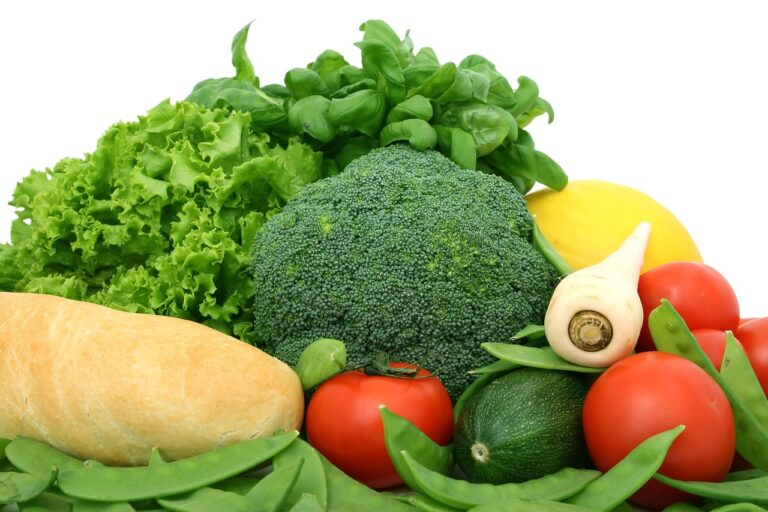
لتناول طعام الغداء ، جرب شطيرة جبنة قريش وجبنة شيدر مع أفوكادو وبراعم على خبز الحبوب الكاملة مع الخس والطماطم. قدميها مع جانب من أعواد الجزر وكوب من الماء.
| اقرأ الآن: تعرف على سبب دور التغذية في اللياقة البدنية |
وجبات خفيفة.
يعد تناول الوجبات الخفيفة أمرًا ضروريًا عندما تعيش طريقة عيش نشطة بدنيًا. قبل حوالي ساعة واحدة وبعد 15 دقيقة من الركض ، تناول علاجًا مغذيًا يحتوي على الكربوهيدرات سريعة المفعول وبروتين طويل الأمد. تناول حفنة من البسكويت مع زبدة الفول السوداني قبل ساعة من هرولتك ، ووعاء من الزبادي مع التوت لتحسين طاقتك بعد 15 دقيقة من الركض.
العشاء.
تناول عشاءًا محشوًا ومغذيًا لاستعادة مؤسسات الجليكوجين ومساعدة عضلاتك على التعافي بعد يومك النشط.
اطهي 4 أونصات من التوفو في مقلاة مع كمية صغيرة من زيت الزيتون ، وقدميه مع كوب واحد من أرز بني و 1 كوب من الفاصوليا الخضراء المطبوخة على البخار. استهلك وجبتك مع خبز الحبوب الكامل ليشمل جميع مجموعات الطعام المهمة.
آمل أن يكون لديكم جميعًا الآن فكرة عن مدى فعالية الجري وأيضًا حول خطة وجبات نباتية مثالية للعدائين لفقدان الوزن.
+1 مصدر
لدى Freaktofit إرشادات صارمة بشأن المصادر وتعتمد على الدراسات التي راجعها الأقران ومعاهد البحوث التعليمية والمنظمات الطبية. نتجنب استخدام المراجع من الدرجة الثالثة. يمكنك معرفة المزيد حول كيفية ضمان دقة المحتوى الخاص بنا وتحديثه من خلال قراءة سياسة التحرير.
-
1. مقارنة نفقات الطاقة بين المشي والجري لدى أفراد اللياقة البدنية العاديين ؛; https://pubmed.ncbi.nlm.nih.gov/22446673/
Importance of Nutrition for Runners Trying to Lose Weight.
Running regularly can help increase calorie expenditure, improve cardiovascular fitness, and support weight management. However, nutrition plays an equally important role in achieving sustainable results.
When runners reduce their calorie intake too aggressively, they may experience fatigue, poor recovery, reduced endurance, and muscle loss. Therefore, the goal should be to create a moderate calorie deficit while providing enough nutrients to support running performance.
A balanced vegetarian diet should include carbohydrates, protein, healthy fats, vitamins, minerals, and adequate fluids.
Here are some important nutritional considerations:
1. Carbohydrates for Running Energy.
Carbohydrates are the primary energy source during moderate- to high-intensity running. Foods such as oats, bananas, brown rice, whole-wheat bread, potatoes, and fruits provide carbohydrates that help replenish muscle glycogen.
2. Protein for Muscle Recovery.
Running places repeated stress on the muscles. Protein provides amino acids that help repair and maintain muscle tissue.
Vegetarian runners can obtain protein from paneer, tofu, lentils, chickpeas, kidney beans, Greek yogurt, milk, soy products, and nuts.
3. Healthy Fats for Overall Health.
Healthy fats support hormone production, nutrient absorption, and overall health.
Include foods such as almonds, walnuts, chia seeds, flaxseeds, pumpkin seeds, and olive oil in appropriate portions.
4. Vitamins and Minerals for Performance.
Iron, calcium, vitamin B12, vitamin D, magnesium, and potassium are important nutrients for active individuals.
Vegetarian runners should pay particular attention to iron and vitamin B12 intake because inadequate amounts may affect energy levels and overall health.
Best Vegetarian Foods for Runners Who Want to Lose Weight.
Choosing nutrient-dense foods can help runners maintain energy while managing their calorie intake.
Here are some excellent vegetarian food options.
| طعام | Nutritional Benefits |
|---|---|
| شوفان | Provides complex carbohydrates and fibre |
| موز | Supplies carbohydrates and potassium |
| حاجز | Provides protein and calcium |
| التوفو | Offers plant-based protein |
| عدس | Contains protein, iron, and fibre |
| حمص | Provides protein, carbohydrates, and fibre |
| زبادي يوناني | Offers protein and calcium |
| لوز | Provides healthy fats and vitamin E |
| سبانخ | Contains folate, iron, and other micronutrients |
| Sweet potatoes | Provides carbohydrates, potassium, and fibre |
| بذور الشيا | Contains fibre and omega-3 fatty acids |
| توت | Provides antioxidants and vitamin C |
Combining these foods throughout the day can help create a balanced vegetarian eating pattern.
Pre-Run and Post-Run Nutrition: What Should You Eat?
The timing of meals and snacks can influence running performance and recovery.
Eating the right foods before and after running helps maintain energy levels and supports muscle repair.
Pre-Run Meal.
A pre-run meal should provide easily digestible carbohydrates without making you feel excessively full.
Depending on the time available before running, consider these options:
- 30–60 minutes before running: A banana, a slice of toast with honey, or a small serving of dates.
- 1–2 hours before running: Oatmeal with banana or yogurt with fruit.
- 2–3 hours before running: Whole-grain toast with paneer, or a light rice and lentil meal.
Avoid consuming large quantities of high-fat or high-fibre foods immediately before running, as they may cause digestive discomfort.
Post-Run Meal.
After running, your body needs nutrients to replenish glycogen stores and support muscle recovery.
A combination of carbohydrates and protein is particularly useful.
Some suitable vegetarian options include:
- Greek yogurt with berries and oats.
- Paneer with whole-wheat toast.
- Tofu with brown rice and vegetables.
- A banana smoothie with milk.
- Moong dal khichdi with curd.
For runners completing longer or more demanding sessions, paying attention to post-run carbohydrate and protein intake becomes particularly important.
How Much Protein Does a Vegetarian Runner Need?
Protein requirements depend on body weight, training intensity, running distance, age, and overall fitness goals.
For many recreational runners, approximately 1.2–1.6 grams of protein per kilogram of body weight per day can be a useful starting range, although individual requirements may differ.
For example, a runner weighing 60 kg may aim for approximately 72–96 grams of protein daily, depending on training demands.
Vegetarian runners can distribute protein intake across their meals rather than consuming most of it at dinner.
Consider these protein-rich foods:
- One serving of paneer.
- A bowl of cooked lentils.
- Greek yogurt or thick curd.
- Tofu or soy chunks.
- Chickpeas and kidney beans.
- Milk and other dairy products.
Combining different plant protein sources throughout the day can help provide a broader range of essential amino acids.
Hydration Tips for Vegetarian Runners.
Hydration is another important part of a runner’s weight-loss and fitness journey.
During running, the body loses water through sweat. If fluid losses are not adequately replaced, dehydration may affect endurance, concentration, and exercise performance.
Follow these practical hydration tips:
- Drink water regularly throughout the day.
- Drink according to thirst and consider your sweat losses.
- Avoid starting a long run when already dehydrated.
- Rehydrate after running.
- For prolonged exercise, particularly in hot and humid weather, consider replacing electrolytes as well as fluids.
Water is generally sufficient for shorter, easier runs. Longer sessions may require additional carbohydrates and electrolytes, depending on their duration and intensity.
Avoid drinking excessive amounts of water, as overhydration can also be dangerous.
Common Diet Mistakes Vegetarian Runners Should Avoid.
Many runners make dietary mistakes while trying to lose weight. These mistakes can affect performance and make it harder to maintain a consistent exercise routine.
1. Eating Too Few Calories.
A very restrictive diet may leave you without enough energy to complete your running sessions. It can also increase the risk of nutritional deficiencies and poor recovery.
2. Completely Avoiding Carbohydrates.
Carbohydrates are an important fuel source for runners. Removing them entirely may negatively affect endurance and training quality.
Instead, choose nutrient-rich carbohydrate sources and adjust portions according to your activity level.
3. Not Eating Enough Protein.
A vegetarian diet can provide sufficient protein, but it requires thoughtful food selection.
Include protein-rich ingredients in breakfast, lunch, snacks, and dinner.
4. Ignoring Iron Intake.
Iron supports haemoglobin production, which helps transport oxygen throughout the body.
Vegetarian sources include lentils, chickpeas, beans, tofu, pumpkin seeds, and spinach.
Combining plant-based iron sources with vitamin C-rich foods, such as oranges, guava, tomatoes, and lemons, can improve non-haem iron absorption.
5. Skipping Recovery Meals.
Skipping meals after demanding runs may make it harder to replenish energy and support muscle recovery.
A balanced post-run meal containing carbohydrates and protein is a better approach.
How to Make Your Vegetarian Running Diet More Effective for Weight Loss?
Weight loss should be gradual and sustainable, particularly when you are training regularly.
Here are some practical strategies:
- Maintain a moderate calorie deficit rather than following crash diets.
- Include protein in every main meal.
- Choose whole grains, fruits, vegetables, and legumes.
- Limit frequent consumption of highly processed snacks and sugary beverages.
- Adjust food portions according to your running distance and intensity.
- Include adequate sleep and recovery days.
- Monitor your energy levels and running performance, not just your body weight.
Remember that your body needs sufficient fuel to perform well. Losing weight should never come at the expense of your health or running ability.
Sample One-Day Vegetarian Meal Plan for Runners.
Here is another practical example of how you can distribute meals throughout the day.
| دقيق | Food Options |
|---|---|
| Early morning | Water and a banana before running, if needed |
| فطور | Oats with milk, almonds, and seasonal fruit |
| Mid-morning | Greek yogurt or curd |
| غداء | Brown rice, dal, paneer, and mixed vegetables |
| Evening snack | Whole-grain toast with peanut butter |
| Post-run | Banana and milk or a yogurt smoothie |
| غداء | Tofu or paneer with vegetables and whole grains |
Portion sizes should be adjusted according to individual calorie requirements, body weight, training intensity, and weight-loss goals.
This meal plan is an example rather than a fixed prescription. People with diabetes, kidney disease, food allergies, or other medical conditions may need individual dietary guidance.
How Does Running Help With Weight Loss?
Running increases energy expenditure and can contribute to a calorie deficit when combined with an appropriate eating pattern.
It also improves cardiovascular endurance and can support metabolic health.
However, running alone does not guarantee weight loss. Food intake, sleep, stress, physical activity, genetics, and consistency all influence the results.
For sustainable progress, combine running with balanced nutrition and appropriate strength training.
Beginners should gradually increase running distance and intensity rather than suddenly attempting long-distance sessions. Rest and recovery are equally important for preventing overuse injuries.
الخلاصة.
A well-balanced vegetarian meal plan can help runners lose weight while maintaining energy, improving endurance, and supporting muscle recovery. The key is to include adequate protein, complex carbohydrates, healthy fats, vitamins, minerals, and sufficient fluids in your daily diet. Foods such as oats, bananas, lentils, paneer, tofu, nuts, seeds, fruits, and vegetables can provide essential nutrients to fuel your running routine.
Remember, weight loss should never come at the cost of your running performance or overall health. Avoid crash diets, skipping meals, or unnecessarily restricting carbohydrates. Instead, focus on portion control, consistent training, proper hydration, and adequate recovery. With patience, consistency, and the right nutritional approach, you can achieve your weight-loss goals while becoming a stronger and healthier runner. Always consult a qualified dietitian or healthcare professional before making significant changes to your diet or exercise routine.