









































 latihan

 meditasi


 podifikasi
 buku elektronik

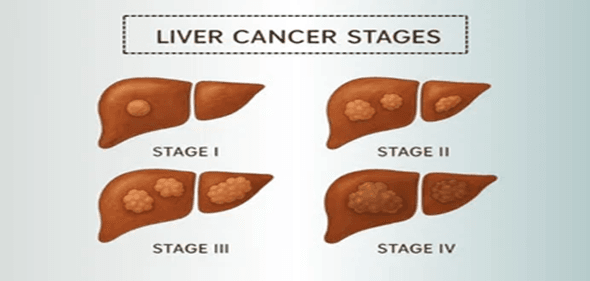
The Fast Facts
- Pada tahap awal, tumor kecil dan terbatas pada hati, dan fungsi hati secara keseluruhan biasanya terpelihara dengan baik.
- Dengan manajemen yang tepat dan pengawasan ahli, pasien pada tahap menengah dapat mempertahankan kualitas hidup yang baik sambil secara efektif mengendalikan perkembangan penyakit.
- Reseksi bedah sering direkomendasikan jika tumor dapat diangkat dengan aman dan jaringan hati yang tersisa sehat.

Manajemen kanker hati telah berkembang secara signifikan selama dekade terakhir, menawarkan pasien pilihan pengobatan yang lebih maju dan meningkatkan hasil kelangsungan hidup. Dengan diagnosis dini, terapi yang dipersonalisasi, dan perawatan multidisiplin yang terkoordinasi, banyak individu sekarang mengalami kualitas hidup yang lebih baik selama perawatan. Memahami bagaimana pengobatan kanker hati bervariasi menurut tahap penyakit memungkinkan pasien dan keluarga untuk membuat ... Panduan dengan jelas menjelaskan manajemen kanker hati stadium bijaksana sambil menyoroti pentingnya perawatan khusus.
Stadium 0 dan stadium A (kanker hati stadium awal)
Pada tahap awal, tumor kecil dan terbatas pada hati, dan hati secara keseluruhan Fungsinya biasanya baik dilestarikan. Pada titik ini, pengobatan berfokus pada pencapaian penyembuhan bila memungkinkan.
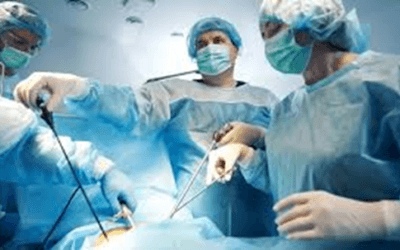
Reseksi bedah sering direkomendasikan jika tumor dapat diangkat dengan aman dan jaringan hati yang tersisa sehat. Transplantasi hati adalah pengobatan lain yang sangat efektif, terutama untuk pasien yang menderita kanker hati dan sirosis lanjut. Dengan mengganti hati yang sakit sepenuhnya, transplantasi menghilangkan tumor dan kerusakan hati yang mendasarinya, secara signifikan meningkatkan peluang kelangsungan hidup jangka panjang.
Cerita terkait
 Apa yang Harus Dimasukkan pada Kulit Setelah Microneedling : Saran Ahli
 Perawatan kesuburan modern: bagaimana pengobatan IUI meningkatkan tingkat keberhasilan kehamilan.
Perawatan invasif minimal juga memainkan peran penting dalam manajemen kanker hati stadium awal. Prosedur seperti ablasi frekuensi radio dan ablasi gelombang mikro menghancurkan sel kanker menggunakan terapi panas yang ditargetkan. Prosedur lanjutan ini biasanya dilakukan oleh Radiologi Intervensi, yang menggunakan teknologi gambar-dipandu untuk menemukan dan mengobati tumor dengan tepat. Pendekatan khusus ini mengurangi kerusakan pada jaringan sehat di sekitarnya dan meningkatkan lebih cepat pemulihan dibandingkan dengan operasi terbuka tradisional.
Manajemen kanker hati tahap awal menawarkan peluang terbaik untuk kelangsungan hidup jangka panjang, terutama bila dikombinasikan dengan perawatan tindak lanjut yang konsisten dan penyesuaian gaya hidup sehat.
Stadium B (kanker hati stadium menengah)
Pada kanker hati tahap menengah, beberapa tumor mungkin ada di dalam hati, tetapi penyakit ini belum menyebar ke organ yang jauh. Fungsi hati seringkali tetap stabil, memungkinkan dokter untuk menerapkan strategi pengobatan aktif yang bertujuan untuk memperlambat pertumbuhan tumor.
Salah satu yang paling umum digunakan Perawatan pada tahap ini adalah kemoembolisasi transarterial (TACE). Prosedur ini memberikan kemoterapi langsung ke tumor sambil memblokir suplai darahnya, Secara efektif membatasi pertumbuhan kanker. Terapi lanjutan lainnya adalah radioembolisasi transarterial (TARE), yang menggunakan partikel radioaktif untuk menargetkan dan menghancurkan sel kanker secara internal.
Banyak pasien yang mencari pengobatan di rumah sakit internasional yang menawarkan program kanker hati yang komprehensif. Pusat khusus ini biasanya menyediakan teknologi pencitraan canggih, papan tumor multidisiplin, dan akses ke inovasi pengobatan terbaru. yg menerima Perawatan di fasilitas seperti itu meningkatkan pengobatan presisi dan memastikan bahwa pasien mendapat manfaat dari standar perawatan kanker yang diakui secara global.
Dengan manajemen dan pengawasan ahli yang tepat, pasien dalam antara Tahap dapat mempertahankan kualitas hidup yang baik sambil secara efektif mengendalikan perkembangan penyakit.
Stadium C (kanker hati stadium lanjut)
Kanker hati stadium lanjut berkembang ketika tumor menyerang pembuluh darah utama, kelenjar getah bening, atau menyebar ke luar hati. Meskipun tahap ini menghadirkan tantangan yang lebih besar, kemajuan yang signifikan dalam terapi sistemik telah meningkatkan hasil.
Terapi yang ditargetkan melibatkan obat-obatan yang memblokir jalur spesifik yang digunakan sel kanker untuk tumbuh dan menyebar. Obat-obatan seperti sorafenib dan lenvatinib telah menunjukkan peningkatan kelangsungan hidup pada banyak pasien. Imunoterapi telah berubah lebih lanjut Pengobatan kanker hati lanjut dengan memperkuat respon imun tubuh terhadap sel kanker.
Terapi kombinasi, terutama yang mengintegrasikan imunoterapi dengan obat yang ditargetkan, semakin banyak digunakan dan telah menunjukkan hasil yang menjanjikan. Bahkan dalam tahap lanjut, rencana perawatan yang dipersonalisasi dapat membantu memperluas kelangsungan hidup dan Kelola gejala secara efektif.
Stadium D (kanker hati stadium akhir)
Pada kanker hati stadium akhir, fungsi hati menjadi sangat terganggu, dan penyakit ini mungkin meluas. Pada tahap ini, pengobatan terutama berfokus pada perawatan suportif dan paliatif.
Tujuan utamanya adalah untuk meredakan gejala, mengelola rasa sakit, memberikan dukungan nutrisi, dan menjaga kenyamanan dan martabat pasien. Dukungan emosional dan psikologis juga menjadi komponen penting dalam perawatan. Sementara perawatan kuratif mungkin tidak lagi memungkinkan, manajemen medis yang penuh kasih secara signifikan meningkatkan kualitas hidup pasien dan keluarga mereka.
Pentingnya pendekatan multidisiplin
Penatalaksanaan kanker hati yang efektif stadium Membutuhkan kolaborasi erat antara ahli hepatologi, ahli onkologi, ahli bedah, ahli radiologi, dan spesialis perawatan paliatif. Rencana perawatan setiap pasien harus diindividualisasikan berdasarkan stadium tumor, fungsi hati, kesehatan secara keseluruhan, dan preferensi pribadi.
Kunjungan tindak lanjut secara teratur, studi pencitraan, dan laboratorium Tes sangat penting untuk memantau pengobatan respon dan mendeteksi kekambuhan dini. Komunikasi berkelanjutan antara tim kesehatan dan pasien memastikan bahwa perawatan tetap selaras dengan tujuan pengobatan dan kebutuhan medis yang berkembang.
Bergerak maju dengan percaya diri
Kemajuan modern dalam manajemen kanker hati terus membawa harapan baru. dari kuratif Perawatan pada tahap awal Untuk terapi sistemik yang inovatif dalam kasus lanjutan, opsi berkembang setiap tahun. Diagnosis dini, akses ke perawatan khusus, dan bimbingan dari profesional berpengalaman memainkan peran penting dalam mencapai hasil yang lebih baik.
oleh Memahami strategi pengobatan tahap-bijaksana dan mencari ahli Perawatan bila diperlukan, pasien dapat bergerak maju dengan kejelasan, kepercayaan diri, dan optimisme. Dengan penelitian berkelanjutan dan inovasi medis, masa depan perawatan kanker hati tetap semakin menjanjikan.
pertanyaan yang sering diajukan.
1 Apa pengobatan terbaik untuk kanker hati stadium awal?
Kanker hati stadium awal sering diobati dengan reseksi bedah, transplantasi hati, atau terapi ablasi. Pilihan terbaik tergantung pada ukuran tumor, fungsi hati, dan kesehatan pasien secara keseluruhan. Ketika didiagnosis dini, pengobatan bisa berpotensi kuratif.
2 2 . Siapa yang melakukan perawatan kanker hati invasif minimal?
Prosedur invasif minimal seperti ablasi frekuensi radio, TACE, dan TARE biasanya dilakukan oleh ahli radiologi intervensi khusus yang menggunakan panduan pencitraan lanjutan untuk menargetkan tumor secara tepat.
3 Bisakah kanker hati disembuhkan?
Kanker hati dapat disembuhkan jika terdeteksi pada tahap awal dan segera diobati dengan pembedahan atau transplantasi. Pada tahap selanjutnya, perawatan berfokus pada pengendalian perkembangan penyakit dan meningkatkan kelangsungan hidup.
pengunduran diri
hati yang bijaksana Manajemen kanker Menyediakan pendekatan terstruktur dan personal untuk pengobatan, memastikan bahwa setiap pasien menerima perawatan yang disesuaikan dengan tingkat keparahan penyakit dan fungsi hati mereka secara keseluruhan. dari berpotensi kuratif pilihan Pada tahap awal hingga terapi sistemik lanjutan dan perawatan suportif pada tahap selanjutnya, pengobatan modern menawarkan banyak jalur untuk meningkatkan kelangsungan hidup dan mempertahankan kualitas hidup.