











































 treino

 meditação


 podcast
 e-book

The Fast Facts
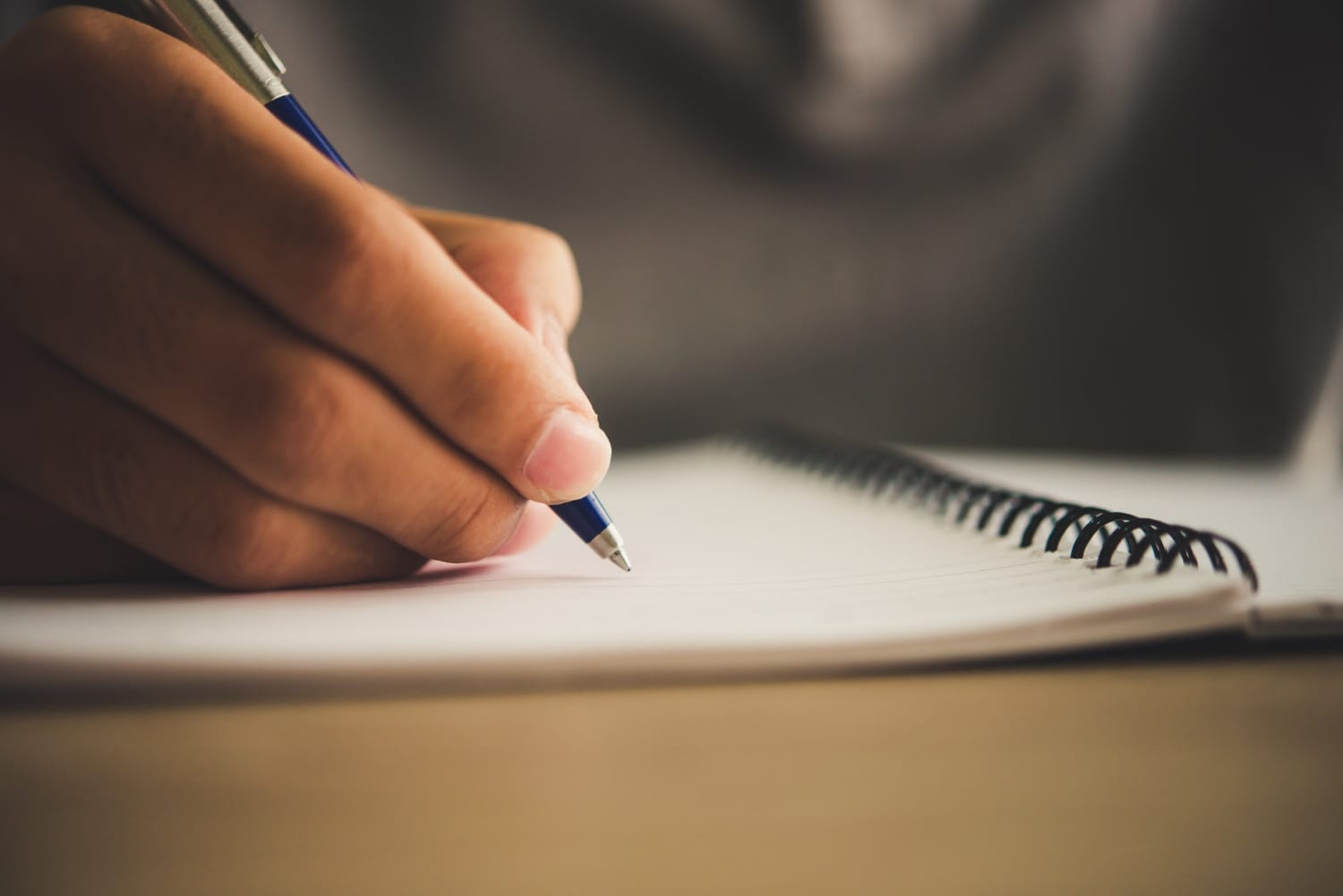
- Keep a diary, spend 5 minutes a day making a list of things we are grateful for, writing a fantasy or a story or a letter.
- We do not write but we do not exercise our memory either, for example, to remember telephone numbers, addresses or calendar appointments since we carry a cell phone in our pocket that takes care of all this and much more, such as any mathematical calculation that is necessary for us in life daily life.
- Working memory is also trained since, for example, we get used to keeping an idea in our head while we are in the process of transferring it to paper.

Quando foi a última vez que você escreveu uma carta à mão?
Estamos vivendo na era das telas e teclados. Escrever à mão parece uma coisa da pré-história, quase reservada para fazer uma lista de compras. E-mail e redes sociais acabaram banindo a redação manual. Até menos do que pensamos, papel e uma caneta simples eram os protagonistas de nossa rotina diária.
Mas nada é de graça na vida e desistir da escrita manual também não é de graça. O simples ato de escrever manualmente ativa Três regiões do nosso cérebro: A área cognitiva, a área visual e a área motora.
Histórias relacionadas
 A verdade sobre vibradores e infertilidade: separando o fato de saúde da ficção
 Por que as mulheres dormem com uma perna para cima: razões, benefícios e efeitos colaterais
É assim que afeta o cérebro quando paramos de escrever à mão
É especialmente importante para os mais jovens, pois escrever melhorou suas habilidades motoras e refina a coordenação olho-mão (algo que também pode ser trabalhado em esportes como tênis).
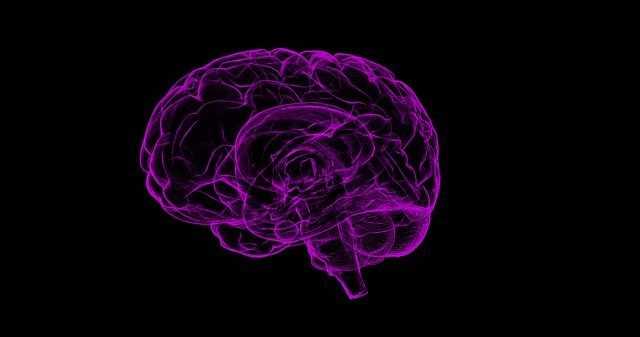
Para os idosos, o hábito de escrever manualmente também oferece vantagens, especialmente o melhoria do potencial e Memória de trabalho. Escrever estimula Memória Semântica, onde nosso conhecimento do mundo está armazenado. A memória de trabalho também é treinada, pois, por exemplo, nos acostumamos a manter uma ideia em nossa cabeça enquanto estamos no processo de transferi-la para o papel.
E se entrarmos na seção psicológica, escrever parece ser uma excelente maneira de canalizar nossas emoções. A escrita nos ajuda a nos conhecermos melhor, a mergulharmos em nossos sentimentos sem limitações, com o que isso implica, por exemplo, em situações de Estresse ou ansiedade. A escrita ajuda você a deixar para trás aquele ambiente que o domina e tem seu espaço para se perguntar suas dúvidas e escolher o melhor caminho a seguir.
hábito de escrever.
O abandono quase definitivo do hábito de escrever foi combinado com outros que exacerbaram a diminuição de nosso trabalho mental. Não escrevemos, mas também não exercemos nossa memória, por exemplo, para lembrar números de telefone, endereços ou compromissos de calendário, pois carregamos um telefone celular no bolso que cuida de tudo isso e muito mais, como qualquer cálculo matemático que seja necessário para nós na vida diária da vida. Não contamos mais moedas para pagar ou ao receber a devolução da compra, pois comprar com dinheiro é quase algo residual em comparação com o pagamento com o cartão ou diretamente com o telefone celular.
Mantenha um diário, passe 5 minutos por dia fazendo uma lista das coisas pelas quais somos gratos, escrevendo uma fantasia, uma história ou uma carta... Nosso cérebro nos agradecerá.
Questões críticas a serem observadas.
- Escrever envolve mais o cérebro do que a digitação, o que melhora a memória e a criatividade.
- Aumenta a neuroplasticidade, o que torna o cérebro flexível e alerta.
- A escrita manual tem um impacto positivo nas crianças porque fornece uma leitura e uma ortografia superiores.
- Adultos e idosos podem proteger a reserva cognitiva e reduzir o risco de memória sênior.
- A entrada digital em um mundo é muito rápida e a caligrafia nos faz tornar atentos.
- O diário é frequentemente usado em psicoterapia quando se trata de estresse, luto e trauma.
Perspectiva de entrevista de especialistas.
P: Neuropsicologista, Dra. Elena Vargas – Por que você acredita que é uma coisa tão poderosa na caligrafia do cérebro?
um: Isso faz com que o cérebro faça mais de uma coisa ao mesmo tempo, você está pensando na palavra, movimentos motores finos e está imaginando as letras ao mesmo tempo. Essa estimulação de 3 vezes forma mais ligações entre os neurônios.
P: Você acredita que a digitação é comparável?
um: não . É mais mecânico, mas mais rápido de digitar. Na verdade, nem sempre processamos informações ao digitar. Escrever é uma dor para nós, e é por isso que é mais provável que você compreenda e lembre-se.
P: Que conselho você daria às pessoas que não escrevem muito mais à mão?
um: Você pode começar pequeno - você pode usar o diário de gratidão ou fazer sua lista de tarefas manualmente. Até mesmo uma escrita manual curta de 5 a 10 minutos mostrou ter uma influência positiva na memória, atenção e até mesmo humor.
Perguntas frequentes (FAQ).
Não, é mostrado que a caligrafia envolve mais áreas do cérebro e ativa a memória melhor.
A caligrafia ainda não é um tratamento, mas exerce a reserva cognitiva e pode adiar a degeneração.
Cursiva é mais movimento, mais engajado no cérebro e, no entanto, ambos são úteis.
Mesmo que a caligrafia diariamente com 5 a 10 minutos possa melhorar o foco e a memória.
Sim, podemos admitir que a escrita da caneta imita a interface manual do cérebro melhor do que digitar, os velhos tempos de papel e caneta são, no entanto, os melhores.
linha de fundo.
A letra não é apenas uma arte moribunda, é um exercício para o cérebro. Ao jogar as mãos para a escrita manual, estamos renunciando às vantagens cognitivas que promovem a memória, a concentração, a criatividade e a compostura emocional. Uma das maneiras mais fáceis e eficientes de manter o cérebro alerta e a mente relaxada no mundo digital é um mero ato de escrever. A caligrafia, seja em forma de jornal, em anotações ou na escrita de letras é um dos métodos mais simples e fáceis de usar o cérebro e deixá-lo em um estado relaxado.