










































 treino

 meditação


 podcast
 e-book


The Fast Facts
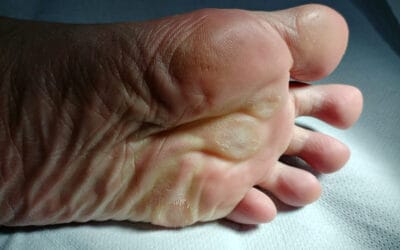
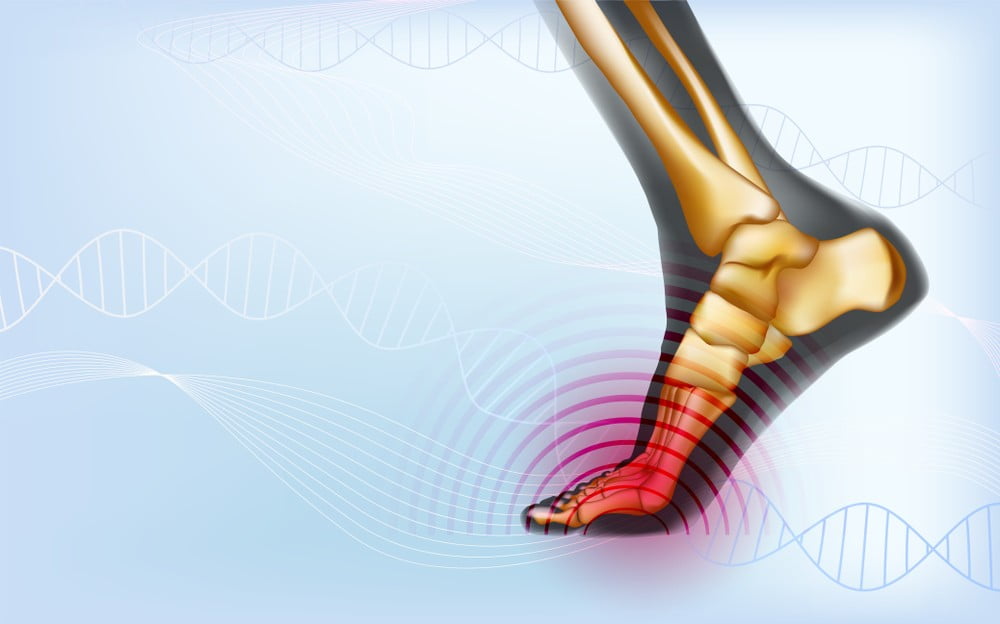
- A sesamoidite consiste em inflamação dos ossos sesamóides do pé (são os ossos pequenos e arredondados das articulações que têm um tendão embutido) que estão localizados na sola, especificamente na cabeça do primeiro metatarso.
- A falta de gordura na almofada plantar já que esta almofada é como um amortecimento natural do nosso corpo; se tivermos muito pouco, o impacto é maior e isso causa inflamação e dor.
- Não usar salto alto, suavizar o carregamento do pé da frente, fazer o antepé com bom amortecimento do sapato e palmilhas que tiram a carga dos sesamóides são úteis.

A sesamoidite consiste em inflamações do ossos sesamoides do pé (são os ossos pequenos e arredondados das articulações que têm um tendão embutido) que estão localizados na sola, especificamente na cabeça do primeiro metatarso.
Sesamoidite: a lesão que pode causar muito o salto.
É uma das patologias mais comuns na corredores De acordo com o ilustre Colégio de Podólogos da Comunidade Valenciana (ICOPCV).
Abusar de sapatos de salto alto é uma das principais causas dessa lesão, pois produz hiperpressão nos ossos sesamoides.
Histórias relacionadas
 Por que minhas bochechas parecem gordas quando sorrio: 10 razões
 O impacto da desidratação no seu período: o que você precisa saber
Outras causas podem ser:
- A falta de gordura na almofada plantar Como esta almofada é como um amortecimento natural do nosso corpo; se tivermos muito pouco, o impacto é maior e isso causa inflamação e dor.
- Ter pés de cavus, pessoas que apresentam pés cavos, com muita curvatura no arco plantar, geram continuamente hiperpressão na área.
Tratamentos para sesamoidite.
Os tratamentos para esta doença são muito variados dependendo de sua gravidade.
Casos mais leves podem ser tratado Simplesmente interrompendo a atividade que causa, aplicando frio nos ossos sesamóides, usando sapatos com estofamento na frente, usando palmilhas personalizadas ou tomando analgesia.
Em condições mais complexas, pode ser necessária a infiltração de ácido hialurônico na área. E, em casos graves, pode exigir a remoção dos ossos afetados.
O que a pesquisa diz sobre a sesamoidite?
Uma revisão sistemática, que é denominada como tratamento conservador da sesamoidite (2025), destaca o fato de que existem diretrizes limitadas, mas conservadoras O tratamento pode ser eficaz. No estudo de 2024 da Atruamatic Medial Sesamoid Dor (em adultos esportivos) perto de 48% dos pacientes foram ajudados a usar um plano de tratamento conservador (restrição de atividade, palmilhas, AINEs, boot walker). No entanto, isso também não resolve mais da metade e é considerado adicional (mudanças intraósseas detectadas por MRI, lesões condrais). (1),(2)
Opinião de especialistas de podólogos / especialistas em pés e tornozelos.
Em um recente estudo de grupo de foco realizado em Aotearoa Nova Zelândia, os podólogos enfatizaram uma abordagem biomecânica: história do paciente, recreação de sintomas, identificação da postura do pé/fatores de hábito e eliminação de outros diagnósticos. De acordo com Daniel Bohl (Cirurgião de Pés e Tornozelos), a maioria das situações é tratada por métodos não cirúrgicos, no entanto, a remoção cirúrgica de um osso sesamoide doente (sesamoidectomia) pode ser muito eficiente se o reparo do tecido mole que o acompanha for feito com cuidado.
Principais conclusões de especialistas.
- Calçado é um fator importante: Não usar salto alto, suavizar o carregamento do pé da frente, fazer o antepé com bom amortecimento do sapato e palmilhas que tiram a carga dos sesamóides são úteis.
- A mecânica corporal é o núcleo: Ter arcos altos, ser dominante no antepé durante o uso de peso ou ter almofadas de gordura fracas pode aumentar o risco e prolongar o processo de recuperação.
- Tratamento conservador primeiro, cirurgia imediata depois: A maioria dos casos é tratada sem cirurgia – é apenas um último recurso quando o tratamento conservador falha.
- Tratamento personalizado: Como existem inúmeros fatores que contribuem (forma do pé, níveis de atividade, hábitos de calçados, carga/impacto), o tratamento deve ser individualizado.
Perguntas frequentes.
1. Qual é a maneira mais rápida de curar a sesamoidite?
o mais rápido método Inclui o restante das atividades de alto impacto ou pressão do pé, trocando por sapatos baixos acolchoados, glacê 2 a 3 vezes ao dia e usando órteses de descarga. Em casos difíceis, os podólogos também podem usar uma bota para caminhada ou injeção de corticosteróide.
2 Ainda posso andar com sesamoidite?
Sim, mas se você pressionar a bola do pé, a caminhada pode aumentar a dor. Sapatos de sola dura ou balancim que diminuem a flexão dos dedos são os melhores para usar. Não ande descalço ou use saltos até que a dor vá.
3 Quanto tempo a sesamoidite demora para cicatrizar?
Os casos da doença que são leves podem ser curados dentro de 2-4 semanas por repouso e descarga; os casos de moderados a graves e que podem durar 3 a 6 meses ou até mais, especialmente quando a inflamação continua ou quando o osso foi ferido.
4 Usar salto alto pode causar sesamoidite?
Certamente. Os saltos altos fazem com que o peso do corpo se concentre nas bolas dos pés, fazendo com que a pressão sobre os ossos sesamóides aumente. O uso a longo prazo desse tipo de calçado leva à inflamação e dor na área da articulação do pé grande.
5 A sesamoidite desaparece completamente?
A maioria dos casos é um resultado positivo - com o descanso certo, troca de calçados e tratamento. Ainda assim, se os problemas biomecânicos subjacentes, como arcos altos ou falta de gordura, não forem abordados, a dor pode voltar.
linha de fundo.
A sesamoidite pode ser um problema menor que uma pessoa pode ignorar, mas a falta de apoio ou o uso de saltos altos e sapatos apertados podem transformar a nuance do Inflamação nas dores crônicas. Os segredos da recuperação rápida e dos pés saudáveis são o descanso precoce, calçados e conselhos profissionais.
+2 de origem
A FreaktoFit tem diretrizes rígidas de sourcing e conta com estudos revisados por pares, institutos de pesquisa educacional e organizações médicas. Evitamos o uso de referências terciárias. Você pode aprender mais sobre como garantimos que nosso conteúdo seja preciso e atualizado, lendo nosso política editorial.
- Tratamento conservador da sesamoidite: uma revisão sistemática da literatura com análise de dados agrupados em nível individual; https://pmc.ncbi.nlm.nih.gov/articles/PMC12300395/
- O desenvolvimento de recomendações para a avaliação e manejo da sesamoidite por podólogos: um estudo de Delphi e validade de conteúdo; https://onlinelibrary.wiley.com/doi/full/10.1002/jfa2.12025