
















القرفة هي واحدة من التوابل المعروفة المستخدمة على نطاق واسع لمذاقها العطري وأيضًا لفوائدها الصحية العديدة. من إضافته إلى القهوة أو استخدامه في المخبوزات ، تعتبر القرفة مكونًا شائعًا يمكن العثور عليه في العديد من المنازل. لكن كانت هناك مخاوف من تناول القرفة أثناء تناول القرفة حمل يمكن أن يؤدي الوقت إلى الإجهاض. إذن ، هل هذا صحيح أم مجرد أسطورة؟ لذلك ، سنخبرك اليوم في هذا المقال.
فهم القرفة وأنواعها.
قبل الخوض في آثار قرفة في فترة الحمل، من المهم معرفة أن القرفة تأتي في أنواع مختلفة. النوعان الأكثر شيوعًا هما:
- قرفة سيلان (Cinnamomum verum) - المعروف أيضًا باسم “القرفة الحقيقية” ، ويعتبر أكثر اعتدالًا ولديه مستويات أقل من الكومارين.
- قرفة كاسيا (قرفة كاسيا) - هذا هو النوع الأكثر شيوعًا من القرفة ويحتوي على مستويات أعلى من الكومارين ، والتي يمكن أن يكون لها آثار ضارة بجرعات عالية.
دور القرفة في الطب التقليدي.
منذ قرون ، استخدمت القرفة في الطب التقليدي. في بعض الثقافات ، تعتقد أنه يساعد في تنظيم دورات الحيض وكذلك تحفيز تدفق الدم. وبسبب هذا، أثارت المخاوف بشأن تأثيرها المحتمل على حمل, ، خاصة إذا تم تناولها بكميات كبيرة.
الدليل العلمي: هل يمكن أن تسبب القرفة الإجهاض؟
هناك بحث علمي محدود للغاية أظهر ربط القرفة بشكل مباشر بالإجهاض. ومع ذلك، فإن بعض النتائج توفر رؤى:
قصص ذات صلة
 5 مهارات حياتية يجب أن يتعلمها الجميع
 كيفية التغلب على الرغبة الشديدة في تناول الطعام بنجاح في التعافي من الإدمان
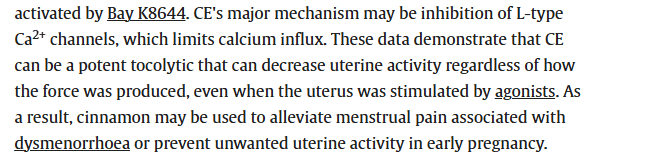
- دراسات على الحيوانات: ذكرت بعض الدراسات على الحيوانات أن الجرعات العالية من مستخلص القرفة يمكن أن تؤثر على تقلصات الرحم. ومع ذلك ، فإن هذه الدراسات تتضمن تركيزات أعلى بكثير من الاستهلاك البشري النموذجي.(1)
- محتوى الكومارين: تحتوي قرفة كاسيا على الكومارين ، والتي إذا تم تناولها بجرعات كبيرة يمكن أن تكون سامة للكبد وقد يكون لها أيضًا خصائص مضادة للتخثر. في حين أن هذا يمكن أن يؤثر على نتائج الحمل ، إلا أنه لا يوجد دليل دقيق يثبت أنه يسبب الإجهاض.
- بحث بشري: حتى الآن لا توجد دراسات بشرية كبيرة تؤكد أن استهلاك القرفة بكميات غذائية عادية يمكن أن يزيد من خطر الإجهاض. تستند معظم التحذيرات إلى المخاطر النظرية بدلاً من الإثبات العلمي المباشر.
| 💡 ماذا يقول الخبراء؟ “تقول الدكتورة سارة طومسون ، طبيبة التوليد وأمراض النساء: ”لا يوجد دليل ملموس يربط القرفة بالإجهاض ، ولكن يجب تجنب الاستهلاك المفرط لأي مادة أثناء الحمل". |

استهلاك القرفة الآمنة أثناء الحمل.
يتفق معظم الخبراء على أن تناول القرفة المعتدلة من غير المرجح أن يسبب ضررًا. فيما يلي بعض الممارسات الآمنة:
- استخدمه بكميات صغيرة: إضافة رشة من القرفة إلى دقيق الشوفان أو الشاي آمنة بشكل عام.
- تجنب المكملات الغذائية: تحتوي مكملات القرفة على مستخلصات مركزة قد تشكل مخاطر.
- اختر سيلان على كاسيا: يحتوي قرفة سيلان على مستويات منخفضة من الكومارين ، مما يجعله خيارًا أكثر أمانًا.
- استشر طبيبك: إذا كانت لديك مخاوف ، خاصة مع الحمل عالي الخطورة ، فاستشر مقدم الرعاية الصحية الخاص بك قبل تناول القرفة بانتظام.
متى تتجنب القرفة أثناء الحمل؟
في حين أن الاستهلاك المعتدل يعتبر آمنًا، هناك حالات قد يكون من المستحسن تجنب القرفة:
- تاريخ الإجهاض: إذا كنت تعاني من مضاعفات الحمل السابقة ، فمن الأفضل توخي الحذر.
- حساسية الرحم: يجب على النساء المعرضات للانقباضات المبكرة الحد من الأطعمة التي يمكن أن تحفز الرحم.
- الحساسية أو حالات الكبد: قد يعاني بعض الأشخاص من حساسية أو مشاكل في الكبد بسبب محتوى الكومارين.
How Does Cinnamon Affect the Body During Pregnancy?
Pregnancy brings several hormonal and physiological changes to a woman’s body. During this period, the body becomes more sensitive to certain foods, medications, supplements, and herbal ingredients. Cinnamon contains several naturally occurring compounds, including cinnamaldehyde, polyphenols, and coumarin, which contribute to its aroma, flavour, and biological properties.
Although cinnamon is commonly used in cooking, its effects may differ depending on the quantity consumed and the form in which it is taken.
Here are some important considerations:
1. Digestive System: Cinnamon is traditionally used as a flavouring ingredient in foods and beverages. However, consuming large amounts may cause digestive discomfort in some individuals, including nausea, stomach irritation, heartburn, or bloating. Pregnant women who already experience morning sickness or acid reflux should be particularly mindful of their tolerance.
2. Liver Health: Cassia cinnamon contains higher concentrations of coumarin than Ceylon cinnamon. Excessive and prolonged exposure to coumarin may cause liver-related problems in sensitive individuals. This is particularly important for pregnant women who have an existing liver condition or are taking medications that affect liver function.
3. Blood Sugar Levels: Cinnamon has been investigated for its potential effects on blood glucose regulation. However, research has not established that cinnamon supplements are an effective or safe treatment for gestational diabetes. Pregnant women should never replace prescribed diabetes medication, dietary advice, or glucose monitoring with cinnamon.
4. Possible Biological Effects: Certain laboratory and animal studies have investigated the biological effects of concentrated cinnamon extracts. However, these findings cannot automatically be applied to humans consuming small quantities of cinnamon in everyday meals. More pregnancy-specific research is required to understand the effects of medicinal doses.
It is therefore important to distinguish between using cinnamon as a culinary spice and consuming concentrated cinnamon products for medicinal purposes.
Cinnamon Powder vs Cinnamon Supplements: Which Is Safer During Pregnancy?
One of the most important differences to understand during pregnancy is the distinction between ordinary cinnamon powder and concentrated cinnamon supplements.
Although both products come from the cinnamon plant, their concentrations and intended uses are different.
Cinnamon Powder.
Cinnamon powder is commonly used in household cooking. A small quantity may be added to oatmeal, desserts, smoothies, milk, or other recipes. Such culinary use is generally considered unlikely to cause harm during pregnancy.
Cinnamon Supplements.
Cinnamon supplements are available as capsules, tablets, extracts, and concentrated powders. These products may contain much higher amounts of cinnamon compounds than ordinary food preparations.
Their safety during pregnancy has not been adequately established. Therefore, pregnant women should avoid using cinnamon supplements unless their healthcare provider specifically recommends them.
Cinnamon Essential Oil.
Cinnamon essential oil is another concentrated product. It is significantly different from the cinnamon powder used in cooking. It may contain highly concentrated aromatic compounds and can cause irritation or other adverse reactions.
Pregnant women should not consume cinnamon essential oil or use it as a home remedy to stimulate contractions or influence labour.
بحسب National Center for Complementary and Integrative Health (NCCIH), cinnamon is generally considered safe in quantities commonly used in food, but larger amounts may have different safety implications.
Does Cinnamon Affect Hormones or Menstrual Cycles?
Cinnamon has traditionally been associated with menstrual health in several cultures. Some people believe that consuming cinnamon can regulate menstrual cycles, improve blood circulation, or stimulate menstruation.
However, traditional beliefs should not be confused with established scientific evidence.
Some preliminary research has explored cinnamon’s potential effects on insulin sensitivity and metabolic health, particularly in women with polycystic ovary syndrome (PCOS). Nevertheless, the available research is limited, and cinnamon has not been established as a reliable treatment for hormonal imbalances or irregular periods.
It is also important to understand that menstrual cycles and pregnancy involve different physiological processes.
A substance that has been traditionally used for menstrual discomfort does not necessarily have the ability to cause uterine contractions or terminate an established pregnancy.
There is currently insufficient human evidence to establish that ordinary dietary consumption of cinnamon changes pregnancy hormones or increases the risk of miscarriage.
Women who experience irregular periods, unexpected bleeding, or suspected pregnancy should seek appropriate medical advice instead of attempting to regulate their cycles with cinnamon or other herbal remedies.
Can Cinnamon Tea Cause Miscarriage in Early Pregnancy?
This is a particularly common concern among women during the first trimester.
Early pregnancy is an important stage of fetal development, and many women become cautious about consuming herbal drinks and traditional home remedies.
Cinnamon tea is generally prepared by steeping cinnamon sticks or powder in hot water. The concentration can vary considerably depending on the quantity of cinnamon used, the preparation method, and the steeping time.
An occasional, mildly flavoured cinnamon beverage is not known to cause miscarriage. However, there is insufficient research to establish the safety of frequently drinking highly concentrated cinnamon tea during pregnancy.
It is advisable to follow these precautions:
- Avoid preparing extremely concentrated cinnamon beverages.
- Do not consume cinnamon tea as a method of inducing menstruation or abortion.
- Avoid combining cinnamon with other medicinal herbs without professional advice.
- Do not use cinnamon extracts or essential oils as pregnancy remedies.
- Discuss regular herbal tea consumption with your obstetrician.
Remember that drinking cinnamon tea does not provide a medically proven method of inducing labour or ending pregnancy.
What Happens If You Accidentally Consume Too Much Cinnamon During Pregnancy?
Accidentally consuming a food containing cinnamon does not automatically mean that something harmful will happen to your pregnancy.
For example, if you eat a cinnamon-flavoured dessert, drink a beverage containing a small quantity of cinnamon, or consume a meal prepared with the spice, there is generally no reason to panic.
However, regularly consuming large quantities or accidentally taking concentrated cinnamon supplements requires more attention.
Possible reactions associated with excessive cinnamon consumption include:
- Digestive Discomfort: Large quantities may cause nausea, abdominal discomfort, heartburn, or digestive irritation.
- Allergic Reactions: Some individuals may experience itching, skin irritation, or other allergic symptoms.
- Liver-Related Concerns: Prolonged exposure to high amounts of coumarin, particularly from Cassia cinnamon, may affect liver health in susceptible individuals.
- Potential Medication Interactions: Concentrated herbal products may interact with certain medications, making medical supervision important.
If you have accidentally consumed a large quantity of cinnamon powder, cinnamon extract, or an essential oil, contact your healthcare provider for advice. Keep the product packaging available so that the ingredients and concentration can be checked.
Seek urgent medical attention if you experience severe abdominal pain, heavy vaginal bleeding, fainting, or other concerning pregnancy symptoms. Do not assume that these symptoms are caused by cinnamon.
Why Is Ceylon Cinnamon Often Preferred Over Cassia Cinnamon?
Although both varieties are commonly called cinnamon, they differ in their chemical composition.
One of the most important differences is their coumarin content.
Coumarin is a naturally occurring compound that can be harmful to the liver when consumed in excessive quantities over time. Cassia cinnamon generally contains considerably more coumarin than Ceylon cinnamon.
The German Federal Institute for Risk Assessment (BfR) has highlighted the importance of limiting excessive coumarin exposure, particularly among people who regularly consume large amounts of Cassia cinnamon.
For pregnant women, choosing Ceylon cinnamon may reduce exposure to coumarin if cinnamon is used regularly in cooking. However, this does not mean that large quantities of Ceylon cinnamon or its concentrated extracts are automatically safe during pregnancy.
A few practical considerations include:
- Check the packaging to identify the cinnamon variety.
- Prefer clearly labelled Ceylon cinnamon when regularly using the spice.
- Avoid consuming large amounts of cinnamon every day.
- Do not assume that natural or herbal products are automatically safe.
- Consult your healthcare provider before using cinnamon medicinally.
Common Myths About Cinnamon and Pregnancy.
There are several misconceptions surrounding cinnamon consumption during pregnancy. Understanding the difference between traditional beliefs and scientific evidence can help women make informed decisions.
Myth 1: Eating Cinnamon Automatically Causes Miscarriage.
Fact: There is no convincing human evidence demonstrating that ordinary culinary consumption of cinnamon causes miscarriage. Small quantities used in everyday cooking are generally considered unlikely to cause harm.
Myth 2: Ceylon Cinnamon Is Completely Safe in Any Quantity.
Fact: Although Ceylon cinnamon contains considerably less coumarin, excessive consumption and concentrated supplements are not automatically safe during pregnancy.
Myth 3: Cinnamon Can Be Used to Induce Abortion Naturally.
Fact: There is no reliable scientific evidence supporting cinnamon as a safe or effective abortion method. Attempting to terminate a pregnancy using concentrated spices or herbal preparations can be dangerous and may delay access to appropriate medical care.
Myth 4: Cinnamon Tea Is Always Safer Than Cinnamon Powder.
Fact: The safety of a cinnamon preparation depends on its concentration and quantity. A strongly concentrated tea may provide more cinnamon compounds than a small culinary sprinkle.
Myth 5: Natural Ingredients Cannot Harm Pregnant Women.
Fact: Many natural substances contain biologically active compounds. Some herbal products can interact with medications or produce unwanted effects, particularly when consumed in concentrated forms.
When Should You Consult a Doctor About Cinnamon Consumption?
Although ordinary dietary consumption is generally considered low risk, certain situations require additional caution.
Consult your obstetrician before using cinnamon regularly if:
- You have a history of pregnancy complications.
- You have an existing liver condition.
- You have gestational diabetes or are taking medication to regulate blood sugar.
- You are taking blood-thinning medications or other prescription medicines.
- You have experienced an allergic reaction after consuming cinnamon.
- You are considering cinnamon capsules, extracts, or concentrated herbal preparations.
It is also important to remember that vaginal bleeding during pregnancy should never be ignored. Bleeding can occur for several reasons, and only an appropriate medical assessment can determine the underlying cause.
If you are worried about something you have eaten, explain the quantity, preparation method, and timing to your healthcare provider. This information can help them assess whether any additional action is necessary.
The safest approach is to maintain a balanced pregnancy diet, attend regular antenatal appointments, and avoid using unverified herbal remedies.
الأسئلة المتداولة.
1. هل يمكن أن يتسبب تناول لفائف القرفة في حدوث إجهاض؟
لا ، إن تناول الأطعمة بنكهة القرفة باعتدال آمن بشكل عام. ينشأ القلق عند تناول جرعات طبية كبيرة.
2 . هل شاي القرفة آمن أثناء الحمل؟
من غير المرجح أن يؤدي شرب شاي القرفة أحيانًا إلى الإضرار بالحمل. ومع ذلك، تجنب الإفراط في تناول الطعام.
3. ما مقدار القرفة التي تكون أكثر من اللازم أثناء الحمل؟
لا يوجد دليل رسمي ، لكن معظم الخبراء يقترحون الحفاظ على المدخول اليومي أقل من 1-2 جرام (حوالي نصف ملعقة صغيرة).
4. هل القرفة تحفز المخاض؟
هناك ادعاءات قصصية بأن القرفة يمكن أن تحفز المخاض ، لكن لا يوجد دليل علمي قوي يدعم ذلك.
5. هل يجب تجنب مكملات القرفة أثناء الحمل؟
نعم ، نظرًا لأنها تحتوي على جرعات مركزة قد تشكل مخاطر ، فمن الأفضل تجنب مكملات القرفة.
الأفكار النهائية.
في حين أن القرفة لها فوائد صحية عديدة ، لا يوجد دليل علمي قوي يربطها بالإجهاض عند تناولها بكميات معتدلة. إذا كنت حاملاً، فمن الأفضل دائمًا استشارة طبيبك قبل إجراء أي تغييرات غذائية. كما هو الحال مع أي طعام ، فإن الاعتدال هو المفتاح لضمان حمل آمن وصحي.
+1 مصدر
لدى Freaktofit إرشادات صارمة بشأن المصادر وتعتمد على الدراسات التي راجعها الأقران ومعاهد البحوث التعليمية والمنظمات الطبية. نتجنب استخدام المراجع من الدرجة الثالثة. يمكنك معرفة المزيد حول كيفية ضمان دقة المحتوى الخاص بنا وتحديثه من خلال قراءة سياسة التحرير.
- تأثير مستخلص القرفة على شرائح رحم الفئران المعزولة ؛; https://www.sciencedirect.com/science/article/abs/pii/S1642431X15000935