














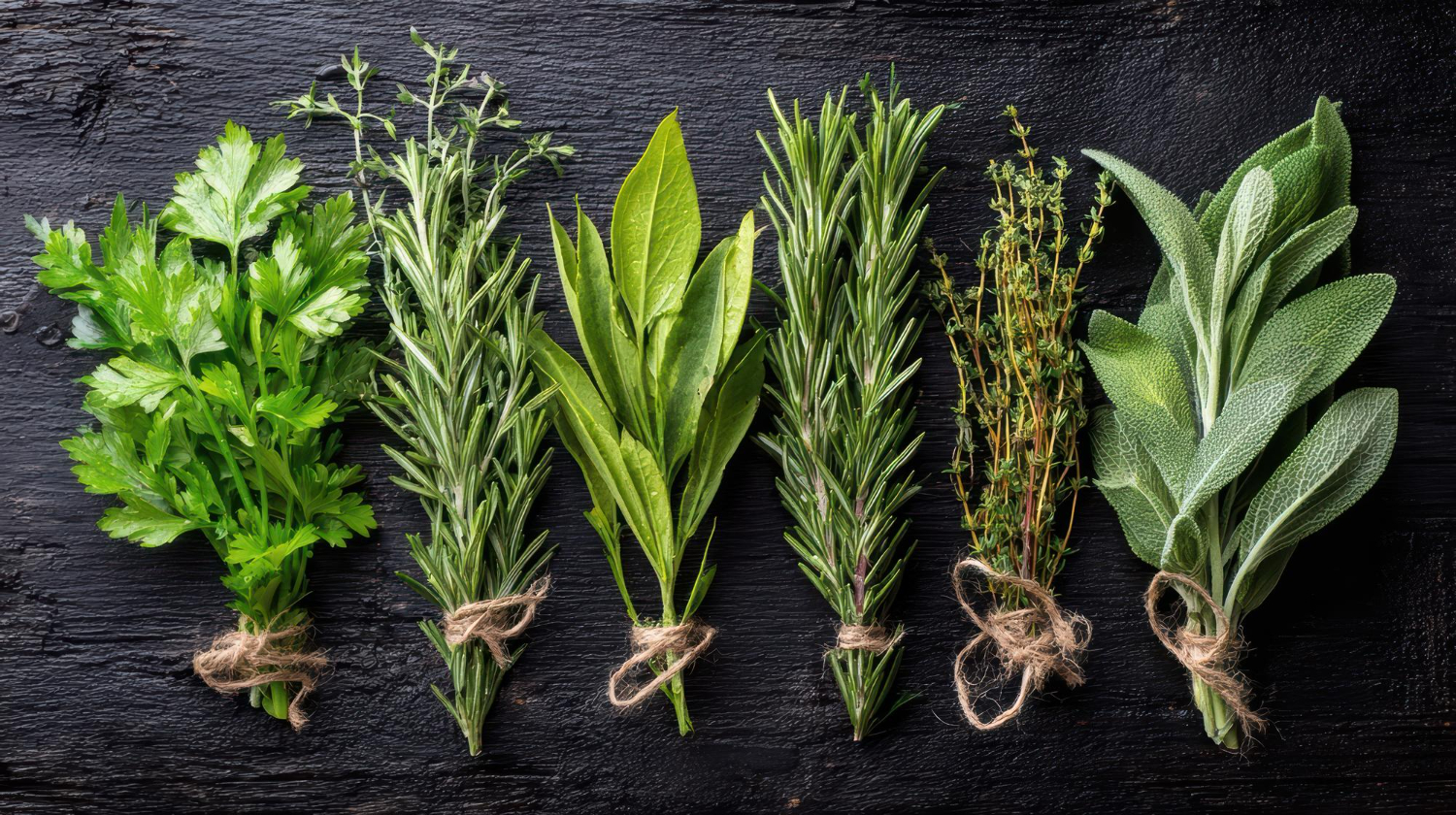
عندما أقوم بإعداد وجبة ، غالبًا ما أدرك أن المكونات التي تقدم النكهة الأكثر تميزًا ليست دائمًا اللحوم أو الخضار أو الحبوب. في كثير من الأحيان ، تكون الأعشاب العطرية هي التي تحول وصفة بسيطة إلى شيء لا يُنسى.
رشة من إكليل الجبل يمكن أن تجعل رائحة البطاطس المحمصة لا تقاوم. يمكن للريحان الطازج أن يغير تمامًا طعم صلصة المعكرونة محلية الصنع. يمكن للنعناع أن يحول تراجع الزبادي العادي إلى مرافقة منعشة ، بينما يمكن للشبت أن يضيء المأكولات البحرية ببضعة أغصان فقط.
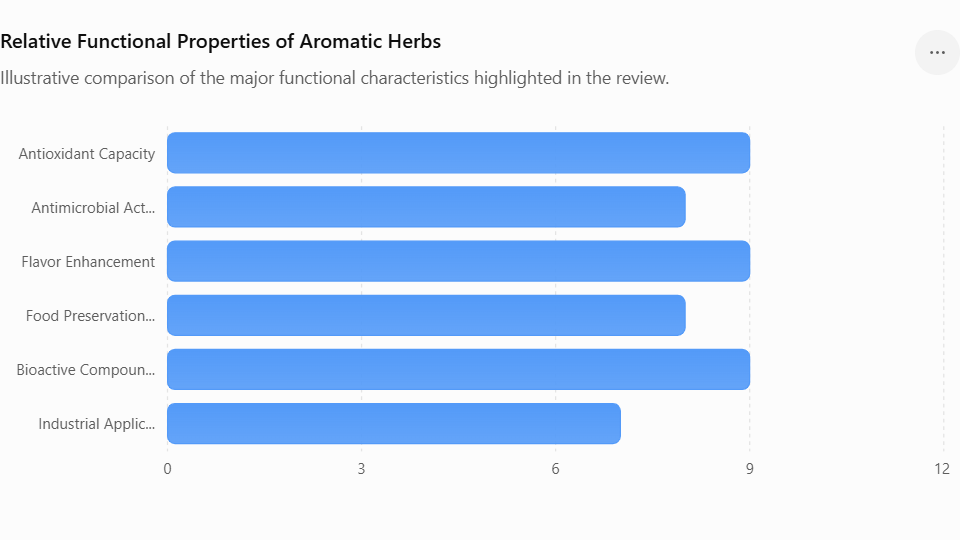
تم استخدام هذه النباتات الصغيرة والقوية في المطابخ منذ آلاف السنين. بالإضافة إلى إضافة العطر والنكهة، تحتوي العديد من الأعشاب العطرية على مضادات الأكسدة الطبيعية والفيتامينات والمعادن و نبات المركبات التي قد تساهم في اتباع نظام غذائي صحي.
في هذا الدليل ، سأقدم لك بعضًا من الأعشاب العطرية الأكثر شيوعًا المستخدمة في الأطباق حول العالم ، وأشرح كيف مذاقها ، وأين تعمل بشكل أفضل ، ومشاركة النصائح العملية لمساعدتك على استخدامها بثقة في الطبخ الخاص بك.
قصص ذات صلة
 11 فوائد صحية لأوراق الفراولة مع آثار جانبية
 أفضل عصير التوت البري لالتهاب المسالك البولية
ما هي الأعشاب العطرية؟
الأعشاب العطرية هي نباتات صالحة للأكل تطلق أوراقها أو سيقانها أو أزهارها رائحة لطيفة لأنها تحتوي على زيوت عطرية طبيعية.
على عكس التوابل ، التي تأتي غالبًا من البذور أو اللحاء أو الجذور أو الفواكه المجففة ، يتم حصاد الأعشاب بشكل عام من الأجزاء المورقة من النباتات.
هم يستخدمون عادة في:
- تعزيز النكهة.
- أضف النضارة.
- تحسين الرائحة.
- ثراء التوازن.
- تكمل التوابل.
- زينة الأطباق.
- زيادة القيمة الغذائية.
يمكن الاستمتاع بالعديد من الأعشاب العطرية الطازجة أو المجففة ، اعتمادًا على الوصفة.

لماذا تعتبر الأعشاب العطرية مهمة في الطهي؟
درس تعلمته على مر السنين هو أن الأعشاب لا تصنع ببساطة طعم الطعام أفضل - يخلقون التوازن.
تخيل شوربة الطماطم بدون ريحان.

دجاج مشوي بدون إكليل الجبل.
سمك بدون شبت.
تزاتزيكي بدون نعناع.
قد يكون الطبق صالحًا للأكل ، لكن الكثير من شخصيته ستختفي.
الأعشاب العطرية تساهم في:
- عطر طبيعي.
- نكهة معقدة.
- نداء بصري.
- نضارة.
- اللون.
- الملمس.
- هوية الطهي.
تعتمد المأكولات المختلفة حول العالم على مجموعات فريدة من الأعشاب لصنع نكهاتها المميزة.
مثلا:
- غالبًا ما يتميز المطبخ الإيطالي بالريحان والأوريغانو.
- يعتمد الطبخ المتوسطي بشكل كبير على إكليل الجبل والزعتر.
- تشمل الوصفات الهندية عادة أوراق الكزبرة والنعناع.
- تستخدم الأطباق المكسيكية بشكل متكرر الكزبرة.
- يحتضن المطبخ الفرنسي البقدونس والزعتر والطرخون.
الأعشاب العطرية الطازجة مقابل المجففة.
أحد الأسئلة التي أسمعها كثيرًا هو ما إذا كانت الأعشاب الطازجة دائمًا أفضل من الأعشاب المجففة.
الجواب يعتمد على الطبق.
هنا مقارنة بسيطة.
| أعشاب طازجة | أعشاب مجففة |
|---|---|
| نكهة مشرقة | نكهة أكثر تركيزًا |
| رائحة حساسة | مدة صلاحية أطول |
| أفضل إضافة قرب النهاية | غالبًا ما تضاف أثناء الطهي |
| مثالي للتزيين | ممتاز للوجبات المطبوخة ببطء |
كقاعدة عامة ، توفر ملعقة صغيرة من الأعشاب المجففة نفس النكهة تقريبًا مثل ملعقة كبيرة من الأعشاب الطازجة.
الفوائد الغذائية للأعشاب العطرية.
على الرغم من أن الأعشاب عادة ما يتم استهلاكها بكميات صغيرة ، إلا أنها لا تزال توفر مغذيات قيمة.
تحتوي العديد من الأعشاب العطرية على:
- فيتامين أ.
- فيتامين سي.
- فيتامين ك.
- الفولات.
- البوتاسيوم.
- الكالسيوم.
- حديد.
- المغنيسيوم.
- مضادات الأكسدة.
- البوليفينول.
تساهم هذه المركبات التي تحدث بشكل طبيعي في كل من النكهة والقيمة الغذائية.
أفضل 15 أعشاب عطرية تستخدم في الطبق.
دعونا نستكشف الأعشاب التي أحصل عليها في أغلب الأحيان في المطبخ.
1. باسل.
الريحان هو أحد أكثر الأعشاب العطرية شهرة في العالم.
نكهة حلوة قليلاً ، فلفل حار مع الطماطم والثوم وزيت الزيتون والجبن.
عندما أصنع المعكرونة محلية الصنع ، عادة ما يكون الريحان هو اللمسة الأخيرة.
ملف تعريف النكهة.
- حلو.
- فلفل قليلا.
- طازج.
- حار خفيف.
أفضل استخدام في.
- المعكرونة.
- بيتزا.
- البيستو.
- الحساء.
- سلطات.
- سندويشات.
- أطباق الطماطم.
أبرز الملامح الصحية.
يحتوي الريحان على مضادات الأكسدة مع فيتامينات A و K.(1)
2. البقدونس.
غالبًا ما يتم التقليل من شأن البقدونس.
يعتقد الكثير من الناس أنه مجرد مقبلات ، لكنه في الواقع يساهم في نضارة نظيفة وقليلة الفلفل تضيء العديد من الأطباق.
هناك نوعان شائعان:
- البقدونس ذو الأوراق المسطحة.
- البقدونس المجعد.
يقدم البقدونس ذو الأوراق المسطحة عمومًا نكهة أقوى.
أفضل استخدام في.
- الحساء.
- يخنة.
- المعكرونة.
- أرز.
- ماء مالح.
- خضروات مشوية.
- المأكولات البحرية.
أبرز الملامح الصحية.
يوفر البقدونس فيتامين ج وفيتامين ك والعديد من المركبات النباتية المفيدة.
3. الكزبرة (أوراق الكزبرة).
الكزبرة هي واحدة من أكثر الأعشاب العطرية تميزًا.
يحب بعض الناس نضارة الحمضيات ، بينما يرى البعض الآخر نكهة صابون بسبب الاختلافات الجينية.
أنا شخصياً أستمتع باستخدام الكزبرة في الصلصة الطازجة والكاري.
ملف تعريف النكهة.
- شبيه بالحمضيات.
- مشرق.
- طازج.
- فلفل قليلا.
أفضل استخدام في.
- سندويشات التاكو.
- صلصة.
- كاري.
- أرز.
- صلصات.
- الحساء.
- بطاطا مقلية.
أبرز الملامح الصحية.
يحتوي الكزبرة على مضادات الأكسدة وفيتامين K مع إضافة النضارة بدون سعرات حرارية إضافية.
4. روزماري.
تتميز إكليل الجبل برائحة خشبية جريئة تقف جيدًا للطهي عالي الحرارة.
لأن أوراقها صلبة ، يمكنها تحمل التحميص بشكل أفضل من العديد من الأعشاب الرقيقة.
عندما أقوم بتحميص البطاطس أو الدجاج ، يتم تضمين إكليل الجبل دائمًا تقريبًا.
ملف تعريف النكهة.
- شبيه بالصنوبر.
- ترابي.
- وودي.
- مر قليلا.
أفضل استخدام في.
- بطاطس مشوية.
- خروف.
- دجاج.
- الخبز.
- خضروات.
- ضخ زيت الزيتون.
أبرز الملامح الصحية.
يحتوي إكليل الجبل على مضادات الأكسدة التي تحدث بشكل طبيعي والزيوت العطرية.
5. الزعتر.
الزعتر خفي ولكنه متعدد الاستخدامات بشكل لا يصدق.
نكهة الترابية تكمل كل من الخضروات واللحوم دون التغلب على المكونات الأخرى.
إنه يعمل بشكل جيد بشكل خاص في الأطباق المطبوخة ببطء.
أفضل استخدام في.
- الحساء.
- يخنة.
- دجاج.
- الفطر.
- الفول.
- خضروات مشوية.
ملف تعريف النكهة.
- ترابي.
- قليلا مينتي.
- زهري معتدل.
6. الأوريجانو.
الأوريجانو هو عنصر أساسي في الطبخ المتوسطي.
نكهته الجريئة تجعله مثاليًا لأطباق الطماطم واللحوم المشوية.
الزعتر الطازج مذاق أكثر إشراقًا ، بينما يطور الأوريجانو المجفف كثافة أعمق.
أفضل استخدام في.
- بيتزا.
- صلصة الباستا.
- السلطات اليونانية.
- دجاج مشوي.
- ماء مالح.
- خضروات مشوية.
أبرز الملامح الصحية.
يحتوي الأوريجانو على مركبات عطرية ومضادات أكسدة تساهم في النكهة والقيمة الغذائية.
7 . الشبت.
الشبت له نكهة عشبية رقيقة مع تلميحات من اليانسون.
غالبًا ما أستخدمه عند طهي السمك لأنه يكمل المأكولات البحرية بشكل جميل دون إخفاء طعمه الطبيعي.
أفضل استخدام في.
- سمك السلمون.
- ينخفض الزبادي.
- البطاطا.
- مخللات.
- سلطات.
- البيض.
ملف تعريف النكهة.
- طازج.
- ضوء.
- حلو قليلا.
- منعشة إلى حد ما.
8. النعناع.
النعناع أكثر تنوعًا مما يدركه الكثير من الناس.
على الرغم من أنه يرتبط بشكل شائع بالحلويات والمشروبات ، إلا أنه يعمل أيضًا بشكل رائع في الأطباق اللذيذة.
النعناع الطازج يضيء على الفور العديد من الوصفات.
أفضل استخدام في.
- سلطات الفاكهة.
- صلصات الزبادي.
- صلصات.
- خروف.
- الشاي.
- عصائر.
- أطباق البحر الأبيض المتوسط.
ملف تعريف النكهة.
- رائع.
- حلو.
- منعش.
- فلفل قليلا.
يمزج النعناع أيضًا جيدًا مع الليمون, والخيار والبازلاء والبطيخ ، مما يجعلها واحدة من أكثر الأعشاب العطرية المتاحة.
في مطبخي ، أحتفظ دائمًا بمجموعة صغيرة من النعناع الطازج في متناول اليد لأنه يمكن أن يرفع كل من الوصفات الحلوة والمالحة بجهد ضئيل للغاية.
9. حكيم.
المريمية هي واحدة من أقدم أعشاب الطهي وهي معروفة بنكهة الترابية والفلفل قليلاً. أوراقها المخملية ورائحتها القوية تجعلها إضافة ممتازة للوجبات الشهية ، خاصة خلال الأشهر الباردة.
أحب استخدام المريمية عند تحضير الخضار المحمصة أو الصلصات التي تحتوي على الزبدة لأن القليل من الأوراق يمكن أن تغير النكهة تمامًا.
ملف تعريف النكهة.
- ترابي.
- الفلفل.
- قليلا مينتي.
- دافئ.
أفضل استخدام في.
- دجاج مشوي.
- حشو.
- صلصة الزبدة البني.
- أطباق اليقطين.
- لحم الخنزير.
- المعكرونة.
- سكواش مشوي.
أبرز الملامح الصحية.
يحتوي المريمية على مضادات الأكسدة والمركبات النباتية المفيدة التي تساهم في رائحته المميزة وقيمته الغذائية.
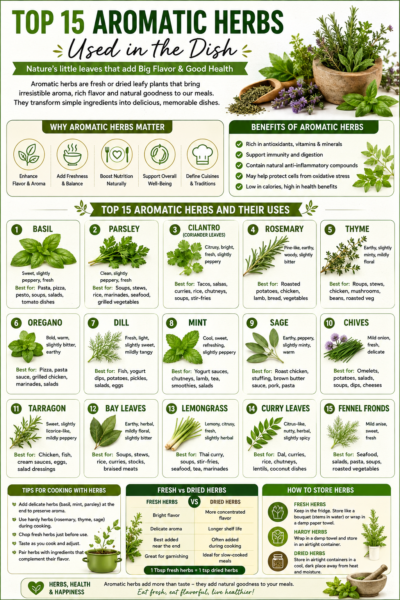
10. الثوم المعمر.
تنتمي الثوم المعمر إلى عائلة البصل ولكنها تقدم نكهة أكثر اعتدالًا من البصل أو الثوم.
عادة ما يتم تقطيع أوراقها الخضراء الرقيقة ورشها على الأطباق قبل التقديم مباشرة.
غالبًا ما أضيف الثوم المعمر الطازج إلى البطاطس المخبوزة والحساء الكريمي لأنها توفر النضارة دون التغلب على المكونات الأخرى.
ملف تعريف النكهة.
- بصلة خفيفة.
- طازج.
- حساس.
أفضل استخدام في.
- بطاطس مهروسة.
- عجة.
- سلطات.
- شوربة كريم.
- سندويشات.
- الجبن الناعم.
- تراجع.
أبرز الملامح الصحية
يوفر الثوم الثوم فيتامينات A و C مع كميات صغيرة من مضادات الأكسدة.
11. تاراجون.
تشتهر Tarragon في المطبخ الفرنسي ولها نكهة فريدة تجمع بين تلميحات اليانسون وعرق السوس.
على الرغم من أنه لا يستخدم بشكل متكرر مثل الريحان أو البقدونس ، إلا أنه يضيف تعقيدًا ملحوظًا إلى الصلصات وأطباق الدواجن.
ملف تعريف النكهة.
- حلو.
- قليلا مثل عرق السوس.
- فلفل معتدل.
أفضل استخدام في.
- دجاج.
- السمك.
- صلصات كريم.
- البيض.
- صلصات السلطة.
- الخل.
أبرز الملامح الصحية
يحتوي الطرخون على مركبات نباتية تحدث بشكل طبيعي وزيوت عطرية عطرية.
12. أوراق الغار.
أوراق الغار تختلف عن معظم الأعشاب لأنها عادة ما تتم إزالتها قبل التقديم.
بدلا من أن يؤكلوا ، يطلقون ببطء نكهة أثناء طهي الطعام.
عندما أقوم بإعداد الحساء أو اليخنات ، أقوم دائمًا بتضمين ورقة أو اثنتين من أوراق الغار.
ملف تعريف النكهة.
- ترابي.
- عشبي.
- زهري معتدل.
- مر قليلا.
أفضل استخدام في.
- الحساء.
- يخنة.
- أطباق الأرز.
- الكاري.
- الأسهم.
- اللحوم المطهوة.
أبرز الملامح الصحية.
تحتوي أوراق الغار على زيوت عطرية تساهم في عطرها المميز.
13. الليمون.
على الرغم من أن عشب الليمون من الناحية الفنية ، إلا أنه يستخدم على نطاق واسع كعشب عطري في العديد من المأكولات الآسيوية.
رائحة الحمضيات الطازجة تضيء الحساء والكاري على الفور.
ملف تعريف النكهة.
- ليموني.
- الحمضيات.
- طازج.
- عشبية خفيفه.
أفضل استخدام في.
- كاري تايلاندي.
- شوربة جوز الهند.
- بطاطا مقلية.
- المأكولات البحرية.
- شاي الأعشاب.
- ماء مالح.
أبرز الملامح الصحية.
يحتوي الليمون على مضادات الأكسدة والزيوت الأساسية التي تحدث بشكل طبيعي.
14. أوراق الكاري.
تعتبر أوراق الكاري مكونًا أساسيًا في العديد من الأطباق الهندية الجنوبية والسريلانكية.
على عكس مسحوق الكاري ، فإن أوراق الكاري لها نكهة ورائحة فريدة خاصة بها.
أستمتع بشكل خاص برائحتهم عندما يتم قليها لفترة وجيزة بالزيت الساخن في بداية الوصفة.
ملف تعريف النكهة.
- شبيه بالحمضيات.
- الجوز.
- عشبي.
- حار قليلا.
أفضل استخدام في.
- دال.
- كاري الخضروات.
- أرز.
- صلصات.
- العدس.
- أطباق جوز الهند.
أبرز الملامح الصحية.
توفر أوراق الكاري مضادات الأكسدة مع الفيتامينات والمعادن بكميات صغيرة.
15. سعف الشمر.
كثير من الناس يتخلصون من قمم الشمر الخضراء الريشية دون أن يدركوا أنها صالحة للأكل.
هذه السعف الرقيقة لها نكهة عرق السوس خفيفة وتصنع زينة ممتازة.
ملف تعريف النكهة
- يانسون خفيف.
- حلو.
- طازج.
أفضل استخدام في.
- المأكولات البحرية.
- سلطات.
- المعكرونة.
- الحساء.
- خضروات مشوية.
أبرز الملامح الصحية
سعف الشمر تحتوي على مضادات الأكسدة وكميات صغيرة من فيتامين سي.
كيف تطبخ مع الأعشاب العطرية؟
أحد الدروس التي تعلمتها هو أن إضافة الأعشاب في الوقت المناسب يمكن أن تحدث فرقًا كبيرًا.
يجب إضافة الأعشاب الرقيقة عادة بالقرب من نهاية الطهي.
ومن الأمثلة:
- ريحان.
- الكزبرة.
- البقدونس.
- الثوم المعمر.
- شبت.
- النعناع.
يمكن أن تقلل إضافتها في وقت مبكر جدًا من رائحتها.
الأعشاب الأكثر صلابة تتحمل أوقات الطهي الأطول.
ومن الأمثلة:
- روزماري.
- الزعتر.
- حكيم.
- أوراق الغار.
- أوريجانو.
تطلق هذه الأعشاب نكهاتها ببطء في الحساء والصلصات والأطباق المحمصة.
نصائح لاستخدام الأعشاب العطرية.
للحصول على أفضل نكهة من الأعشاب العطرية ، أتبع بعض الممارسات البسيطة:
- اغسل الأعشاب الطازجة بلطف قبل الاستخدام.
- جففهم بمنشفة نظيفة.
- تقطيع الأعشاب قبل إضافتها للحفاظ على رائحتها.
- تذوق أثناء الطهي بدلاً من إضافة كميات كبيرة في وقت واحد.
- قم بإقران الأعشاب مع المكونات التي تكمل نكهتها.
- استخدم الأعشاب الطازجة للتزيين كلما أمكن ذلك.
دليل الاقتران بالأعشاب الطازجة.
| عشب | أزواج بشكل جيد مع |
|---|---|
| نبات الريحان | طماطم، موتزاريلا، ثوم |
| إكليل الجبل | دجاج، بطاطس، لحم غنم |
| الزعتر | فطر، فاصوليا، دجاج |
| شبت | سمك، زبادي، خيار |
| سك العملة | لحم غنم، بازلاء، زبادي |
| بقدونس | تقريبا جميع الأطباق اللذيذة |
| كزبرة | فلفل حار، أفوكادو، فلفل حار |
| توابل | بيتزا، مكرونة، خضروات مشوية |
| عاقل | زبدة، قرع، لحم خنزير |
| نبات الطرخون | دجاج، بيض، صوص كريمة |
كيف تخزن الأعشاب العطرية؟
التخزين السليم يساعد على الحفاظ على النضارة والنكهة.
أعشاب طازجة.
قم بتخزين الأعشاب الناعمة مثل البقدونس والكزبرة في كوب بكمية صغيرة من الماء.
غطيها بشكل غير محكم بحقيبة بلاستيكية وضعيها في الثلاجة.
أعشاب هاردي.
يمكن لف إكليل الجبل والزعتر في منشفة ورقية مبللة ووضعها داخل وعاء محكم الغلق.
الأعشاب المجففة.
احتفظ بالأعشاب المجففة في حاويات محكمة الإغلاق بعيدًا من الحرارة وأشعة الشمس والرطوبة.
تحتفظ معظم الأعشاب المجففة بنكهة جيدة لمدة 6-12 شهرًا.
الأخطاء الشائعة عند استخدام الأعشاب العطرية.
حتى الطهاة المنزليين ذوي الخبرة يرتكبون هذه الأخطاء أحيانًا.
إضافة الكثير من الأعشاب.
استخدام الكثير من الأعشاب القوية يمكن أن يتغلب على الطبق.
طهي الأعشاب الرقيقة لفترة طويلة.
يفقد الريحان الطازج والبقدونس الكثير من رائحته إذا تم طهيه لفترات طويلة.
باستخدام الأعشاب القديمة المجففة.
تفقد الأعشاب المجففة زيوتها الأساسية تدريجيًا.
استبدلهم إذا كان لديهم القليل من الرائحة.
لا تتذوق أثناء الطهي.
تختلف الأعشاب في القوة ، لذا فإن التذوق في جميع أنحاء عملية الطهي يساعد في الحفاظ على التوازن.
هل الأعشاب العطرية مفيدة لصحتك؟
على الرغم من أن الأعشاب تستخدم عادة بكميات صغيرة ، إلا أنها لا تزال قادرة على المساهمة في اتباع نظام غذائي متوازن.
تحتوي العديد من الأعشاب العطرية على:
- مضادات الأكسدة.
- البوليفينول.
- فيتامينات.
- معادن.
- الزيوت الأساسية التي تحدث بشكل طبيعي.
قد تدعم هذه المركبات الصحة العامة عند تناولها كجزء من نظام غذائي متنوع غني في الفواكه والخضروات والحبوب الكاملة والبروتينات الخالية من الدهون.
ومع ذلك ، يجب أن تكمل الأعشاب نمط الأكل الصحي بدلاً من اعتبارها علاجًا أو علاجًا للمرض.
الأسئلة المتداولة.
1. ما هي الأعشاب العطرية؟
الأعشاب العطرية هي نباتات صالحة للأكل بأوراق أو سيقان عطرية تستخدم لتعزيز نكهة ورائحة الطعام.
2. ما هو الفرق بين الأعشاب والتوابل؟
تأتي الأعشاب عادة من الأجزاء المورقة من النباتات ، بينما يتم الحصول على التوابل عادة من البذور أو اللحاء أو الجذور أو الفاكهة.
3. ما هي الأعشاب العطرية الأكثر تنوعًا؟
البقدونس هو أحد أكثر الأعشاب تنوعًا لأنه يتناسب بشكل جيد مع مجموعة متنوعة من الأطباق اللذيذة.
4. هل يمكنني استبدال الأعشاب المجففة بالأعشاب الطازجة؟
نعم. من المبادئ التوجيهية الشائعة استخدام ملعقة صغيرة من الأعشاب المجففة بدلاً من 1 ملعقة كبيرة من الأعشاب الطازجة ، لأن الأعشاب المجففة لها نكهة أكثر تركيزًا.
5. ما هي الأعشاب الأفضل للطبخ الإيطالي؟
يستخدم الريحان والأوريجانو والبقدونس وإكليل الجبل والزعتر بشكل شائع في المطبخ الإيطالي.
6. هل تفقد الأعشاب العطرية نكهة عند طهيها؟
يمكن أن تفقد الأعشاب الرقيقة بعضًا من رائحتها أثناء الطهي لفترات طويلة ، بينما تصبح الأعشاب الخشبية أكثر نكهة لأنها تنضج.
7 هل يمكنني زراعة الأعشاب العطرية في المنزل؟
نعم. تنمو العديد من الأعشاب ، بما في ذلك الريحان والنعناع والبقدونس وإكليل الجبل والزعتر ، جيدًا في الأواني أو الشرفات أو الحدائق المنزلية مع ضوء الشمس الكافي والري المنتظم.
الخلاصة.
قد تبدو الأعشاب العطرية وكأنها مكونات صغيرة ، لكنها تتمتع بقدرة رائعة على تغيير نكهة ورائحة ومظهر الطبق. من الروائح الحلوة للريحان والدفء الترابي لإكليل الجبل إلى طعم النعناع المنعش وسطوع الليمون ، تجلب كل عشب طابعه الفريد إلى المائدة.
من واقع خبرتي ، فإن تعلم كيفية استخدام الأعشاب جعل الطهي أسهل وأكثر إمتاعًا. بدلاً من الاعتماد على الملح المفرط أو الصلصات الغنية ، غالبًا ما أترك طازجًا عشب أضف العمق والنضارة للوجبات بشكل طبيعي. فهي لا تعزز الذوق فحسب ، بل تساهم أيضًا في الفيتامينات ومضادات الأكسدة والمركبات النباتية التي تناسب جيدا في نظام غذائي متوازن.
سواء كنت تحضر الحساء أو السلطات أو اللحوم المشوية أو المعكرونة أو الكاري أو الخضار المشوية ، فإن الاحتفاظ بمجموعة مختارة من الأعشاب العطرية في مطبخك يمكن أن يرفع الوصفات اليومية إلى وجبات لا تنسى. ابدأ ببعض الأشياء المفضلة ، وجرب مجموعات مختلفة ، واكتشف كيف يمكن لهذه النباتات العطرية أن تضفي حياة جديدة على طبخك.
+1 مصدر
لدى Freaktofit إرشادات صارمة بشأن المصادر وتعتمد على الدراسات التي راجعها الأقران ومعاهد البحوث التعليمية والمنظمات الطبية. نتجنب استخدام المراجع من الدرجة الثالثة. يمكنك معرفة المزيد حول كيفية ضمان دقة المحتوى الخاص بنا وتحديثه من خلال قراءة سياسة التحرير.
- الأعشاب العطرية كمصدر للمركبات النشطة بيولوجيًا: نظرة عامة على قدرتها المضادة للأكسدة ، والنشاط المضاد للميكروبات ، والتطبيقات الرئيسية ؛; https://pmc.ncbi.nlm.nih.gov/articles/PMC11944975/