















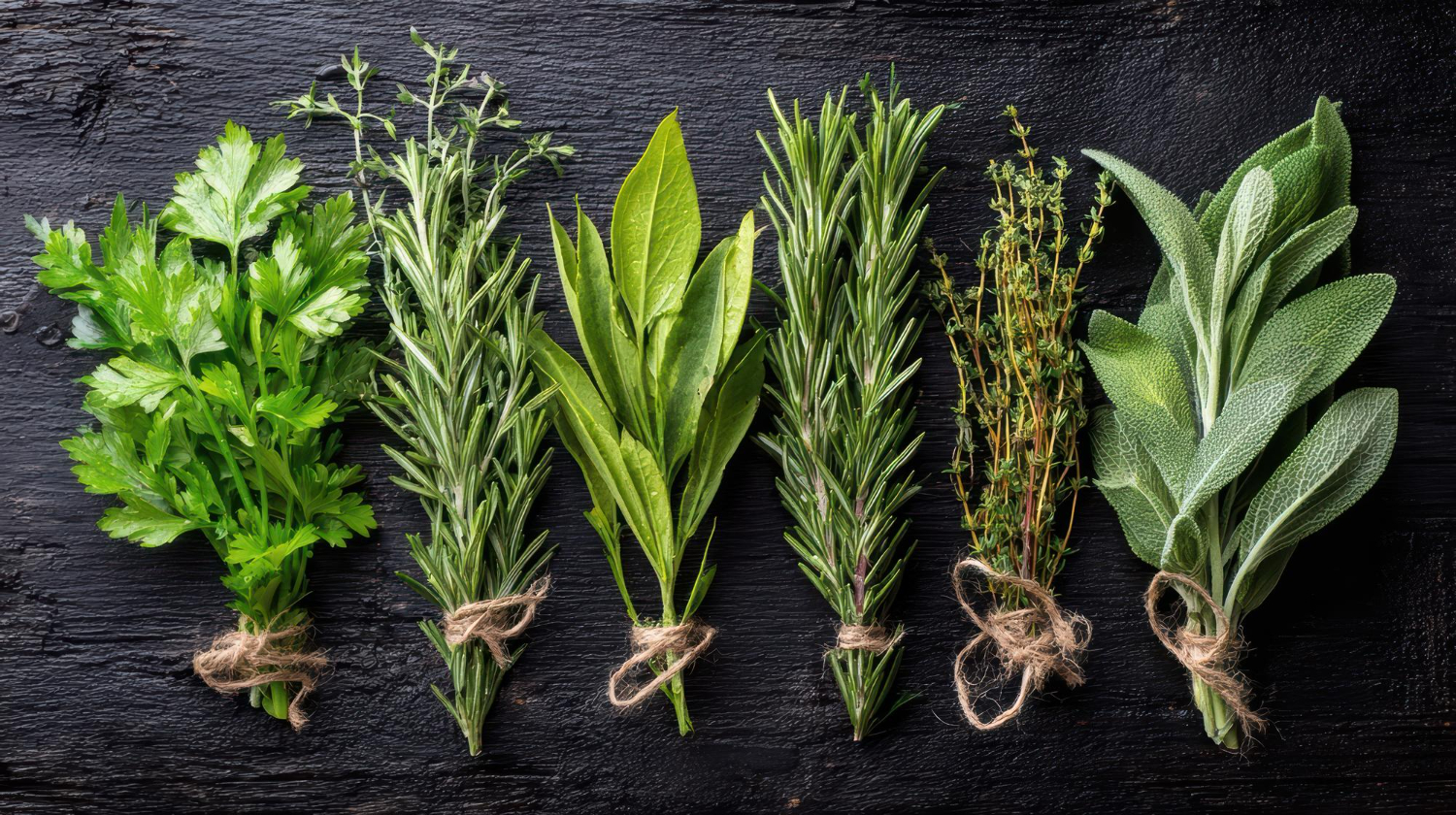
Sempre que preparo uma refeição, muitas vezes percebo que os ingredientes que fornecem o sabor mais memorável nem sempre são a carne, legumes ou grãos. Na maioria das vezes, são as ervas aromáticas que transformam uma receita simples em algo inesquecível.
Uma pitada de alecrim pode tornar irresistível as batatas assadas. O manjericão fresco pode mudar completamente o sabor de um molho de macarrão caseiro. A hortelã pode transformar um mergulho comum em um acompanhamento refrescante, enquanto o endro pode iluminar os frutos do mar com apenas alguns raminhos.
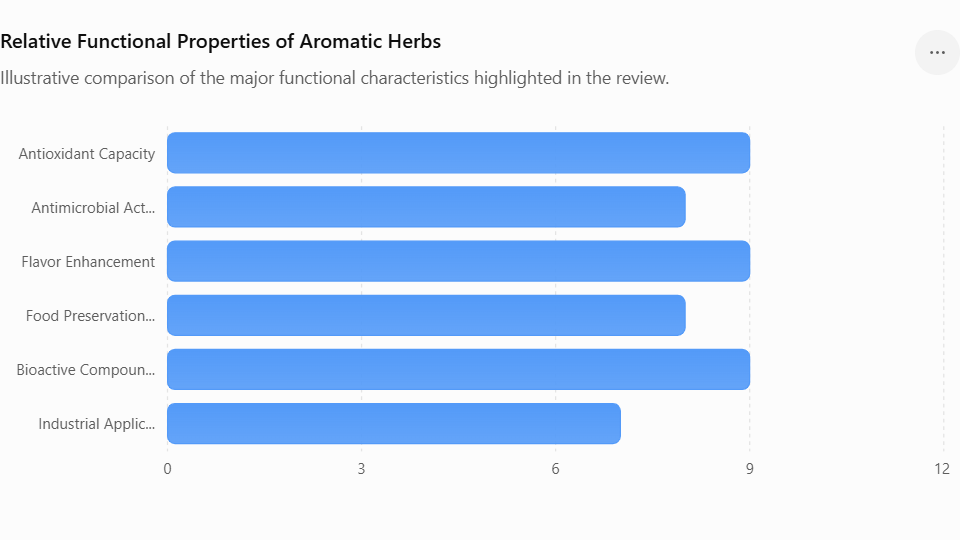
Essas plantas pequenas, mas poderosas, têm sido usadas em cozinhas há milhares de anos. Além da adição de fragrância e sabor, muitas ervas aromáticas contêm antioxidantes naturais, vitaminas, minerais e planta Compostos que podem contribuir para uma dieta saudável.
Neste guia, apresentarei algumas das ervas aromáticas mais populares usadas em pratos do mundo, explique como eles têm um sabor, onde funcionam melhor e compartilham dicas práticas para ajudá-lo a usá-las com confiança em sua própria culinária.
Histórias relacionadas
 DASH Plano de dieta para hipertensão ou pressão arterial
 Alimentos sáttvicos: benefícios, lista de alimentos, plano de dieta e evidências científicas
O que são ervas aromáticas?
As ervas aromáticas são plantas comestíveis cujas folhas, caules ou flores liberam uma fragrância agradável porque contêm óleos essenciais naturais.
Ao contrário das especiarias, que geralmente vêm de sementes, cascas, raízes ou frutas secas, as ervas geralmente são colhidas nas partes frondosas das plantas.
Eles são comumente usados para:
- Melhore o sabor.
- Adicione frescor.
- Melhore o aroma.
- riqueza do equilíbrio.
- Complemente as especiarias.
- Decore pratos.
- Aumente o valor nutricional.
Muitas ervas aromáticas podem ser apreciadas frescas ou secas, dependendo da receita.

Por que as ervas aromáticas são importantes na culinária?
Uma lição que aprendi ao longo dos anos é que as ervas não fazem simplesmente Os alimentos têm um sabor melhor - eles criam equilíbrio.
Imagine sopa de tomate sem manjericão.

Frango assado sem alecrim.
Peixe sem endro.
Tzatziki sem hortelã.
O prato ainda pode ser comestível, mas grande parte de sua personalidade desapareceria.
As ervas aromáticas contribuem:
- Fragrância natural.
- sabor complexo.
- apelo visual.
- Frescura.
- cor.
- textura.
- Identidade culinária.
Diferentes cozinhas ao redor do mundo contam com combinações únicas de ervas para criar seus sabores exclusivos.
Por exemplo:
- A cozinha italiana geralmente apresenta manjericão e orégano.
- A culinária mediterrânea depende muito de alecrim e tomilho.
- As receitas indianas geralmente incluem folhas de coentro e hortelã.
- Pratos mexicanos costumam usar coentro.
- A cozinha francesa abraça a salsa, o tomilho e o estragão.
Ervas aromáticas secas vs secas.
Uma pergunta que ouço frequentemente é se as ervas frescas são sempre melhores do que as secas.
A resposta depende do prato.
Aqui está uma comparação simples.
| ervas frescas | ervas secas |
|---|---|
| sabor brilhante | sabor mais concentrado |
| aroma delicado | vida útil mais longa |
| Melhor adicionado perto do final | Frequentemente adicionado durante o cozimento |
| Ideal para enfeitar | Excelente para refeições cozidas lentas |
Como regra geral, uma colher de chá de ervas secas fornece aproximadamente o mesmo sabor que uma colher de sopa de ervas frescas.
Benefícios nutricionais das ervas aromáticas.
Embora as ervas sejam consumidas em pequenas quantidades, elas ainda fornecem nutrientes valiosos.
Muitas ervas aromáticas contêm:
- vitamina A.
- vitamina C.
- vitamina K.
- folato.
- potássio.
- cálcio.
- Ferro.
- Magnésio.
- antioxidantes.
- polifenóis.
Esses compostos naturais contribuem com sabor e valor nutricional.
Top 15 ervas aromáticas usadas no prato.
Vamos explorar as ervas que eu procuro com mais frequência na cozinha.
1. Manjericão.
O manjericão é uma das ervas aromáticas mais reconhecidas do mundo.
Seu sabor levemente doce e apimentado combina lindamente com tomates, alho, azeite e queijo.
Sempre que faço massas caseiras, o manjericão geralmente é o toque final.
Perfil de sabor.
- Doce.
- ligeiramente apimentado.
- Fresco.
- levemente picante.
melhor usado em.
- massas.
- Pizza.
- pesto.
- sopas.
- Saladas.
- Sanduíches.
- Pratos de tomate.
Destaques de saúde.
O manjericão contém antioxidantes, juntamente com as vitaminas A e K.(1)
2. Salsa.
A salsa é frequentemente subestimada.
Muitas pessoas pensam que é simplesmente uma guarnição, mas na verdade contribui com um frescor limpo e levemente apimentado que ilumina muitos pratos.
Existem duas variedades comuns:
- Salsa de folha plana.
- Salsa encaracolada.
A salsa de folha plana geralmente oferece um sabor mais forte.
melhor usado em.
- sopas.
- ensopados.
- massas.
- arroz.
- marinadas.
- Legumes grelhados.
- frutos do mar.
Destaques de saúde.
A salsa fornece vitamina C, vitamina K e vários compostos vegetais benéficos.
3. Coentro (folhas de coentro).
O coentro é uma das ervas aromáticas mais distintas.
Algumas pessoas adoram seu frescor cítrico, enquanto outras percebem um sabor ensaboado devido a diferenças genéticas.
Pessoalmente, gosto de usar coentro em salsas e curry frescos.
Perfil de sabor.
- semelhante a citrinos.
- Brilhante.
- Fresco.
- ligeiramente apimentado.
melhor usado em.
- tacos.
- Salsa.
- curry.
- arroz.
- chutneys.
- sopas.
- Refogados.
Destaques de saúde.
O coentro contém antioxidantes e vitamina K, adicionando frescor sem calorias extras.
4. Alecrim.
O alecrim tem um aroma ousado e amadeirado que se sustenta bem com o cozimento em alta temperatura.
Como suas folhas são firmes, ele pode resistir ao assar melhor do que muitas ervas delicadas.
Sempre que eu assar batatas ou frango, o alecrim é quase sempre incluído.
Perfil de sabor.
- Pinho-como.
- terra.
- amadeirado.
- ligeiramente amargo.
melhor usado em.
- Batatas assadas.
- Cordeiro.
- Frango.
- Pão.
- Legumes.
- infusões de azeite.
Destaques de saúde.
O alecrim contém antioxidantes naturais e óleos aromáticos.
5. Tomilho.
O tomilho é sutil, mas incrivelmente versátil.
Seu sabor terroso complementa tanto os vegetais quanto as carnes sem dominar outros ingredientes.
Funciona especialmente bem em pratos cozidos lentamente.
melhor usado em.
- sopas.
- ensopados.
- Frango.
- Cogumelos.
- Feijão.
- Legumes assados.
Perfil de sabor.
- terra.
- ligeiramente mentolado.
- levemente floral.
6. Orégano.
Orégano é um alimento básico na culinária mediterrânea.
Seu sabor ousado o torna ideal para pratos à base de tomate e carnes grelhadas.
Orégano fresco tem um sabor mais brilhante, enquanto o orégano seco desenvolve uma intensidade mais profunda.
melhor usado em.
- Pizza.
- molho de massa.
- Saladas gregas.
- Frango grelhado.
- marinadas.
- Legumes assados.
Destaques de saúde.
Orégano contém compostos aromáticos e antioxidantes que contribuem com sabor e valor nutricional.
7 Dill.
O endro tem um sabor delicado e gramado com notas de anis.
Costumo usá-lo sempre que cozinhar peixe porque complementa lindamente os frutos do mar sem mascarar seu sabor natural.
melhor usado em.
- Salmão.
- Molhos de iogurte.
- Batatas.
- picles.
- Saladas.
- Ovos.
Perfil de sabor.
- Fresco.
- Luz.
- ligeiramente doce.
- levemente picante.
8. hortelã.
A Mint é muito mais versátil do que muitas pessoas imaginam.
Embora seja comumente associado a sobremesas e bebidas, também funciona maravilhosamente em pratos salgados.
A hortelã fresca instantaneamente ilumina muitas receitas.
melhor usado em.
- Saladas de frutas.
- Molhos de iogurte.
- chutneys.
- Cordeiro.
- chá.
- batidos.
- Pratos mediterrâneos.
Perfil de sabor.
- Legal.
- Doce.
- Refrescante.
- ligeiramente apimentado.
Mint também combina excepcionalmente bem com limão, pepino, ervilhas e melancia, tornando-se uma das ervas aromáticas mais refrescantes disponíveis.
Na minha cozinha, quase sempre mantenho um pequeno monte de hortelã fresca à mão, porque pode elevar receitas doces e salgadas com muito pouco esforço.
9. sábio.
A sálvia é uma das ervas culinárias mais antigas e é conhecida por seu sabor terroso e levemente apimentado. Suas folhas aveludadas e aroma robusto o tornam um excelente complemento para refeições saudáveis, especialmente durante os meses mais frios.
Eu gosto de usar sálvia ao preparar legumes assados ou molhos à base de manteiga porque algumas folhas podem transformar completamente o sabor.
Perfil de sabor.
- terra.
- Pimenta.
- ligeiramente mentolado.
- Quente.
melhor usado em.
- Frango assado.
- Recheio.
- Molho de manteiga marrom.
- Pratos de abóbora.
- carne de porco.
- massas.
- abóbora assada.
Destaques de saúde.
A sálvia contém antioxidantes e compostos benéficos para plantas que contribuem para o seu aroma e valor nutricional distintos.
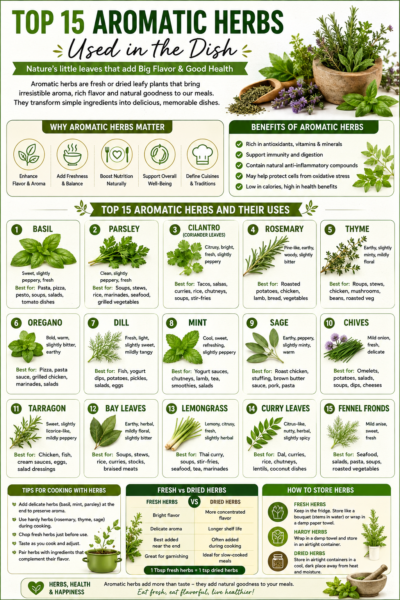
10. cebolinha.
A cebolinha pertence à família da cebola, mas oferece um sabor muito mais suave do que a cebola ou o alho.
Suas folhas verdes finas são comumente picadas e polvilhadas sobre os pratos antes de servir.
Costumo adicionar cebolinhas frescas a batatas assadas e sopas cremosas porque elas fornecem frescor sem dominar outros ingredientes.
Perfil de sabor.
- Cebola suave.
- Fresco.
- Delicado.
melhor usado em.
- Batata de puré.
- omeletes.
- Saladas.
- Sopas de creme.
- Sanduíches.
- Queijos macios.
- mergulhos.
Destaques de saúde
O cebolinho fornece vitaminas A e C, juntamente com pequenas quantidades de antioxidantes.
11. Tarragão.
Tarragon é famoso na culinária francesa e tem um sabor único que combina notas de anis e alcaçuz.
Embora não seja usado com tanta frequência quanto o manjericão ou a salsa, adiciona uma complexidade notável a molhos e pratos de aves.
Perfil de sabor.
- Doce.
- Ligeiramente parecido com alcaçuz.
- levemente apimentado.
melhor usado em.
- Frango.
- peixe.
- molhos de creme.
- Ovos.
- Molhos para salada.
- vinagres.
Destaques de saúde
O estragão contém compostos vegetais naturais e óleos essenciais aromáticos.
12. Folhas de louro.
As folhas de louro são diferentes da maioria das ervas porque geralmente são removidas antes de servir.
Em vez de serem comidos, eles liberam lentamente seus Sabor enquanto a comida cozinha.
Sempre que preparo sopas ou ensopados, quase sempre incluo uma ou duas folhas de louro.
Perfil de sabor.
- terra.
- Herbal.
- levemente floral.
- ligeiramente amargo.
melhor usado em.
- sopas.
- ensopados.
- Pratos de arroz.
- curry.
- ações.
- Carnes refogadas.
Destaques de saúde.
As folhas de louro contêm óleos aromáticos que contribuem para sua fragrância distinta.
13. capim-limão.
Embora tecnicamente uma grama, o capim-limão é amplamente utilizado como uma erva aromática em muitas cozinhas asiáticas.
Seu aroma fresco cítrico ilumina instantaneamente as sopas e o curry.
Perfil de sabor.
- limão.
- Citrus.
- Fresco.
- ligeiramente à base de ervas.
melhor usado em.
- Caril tailandês.
- Sopa de coco.
- Refogados.
- frutos do mar.
- Chá de ervas.
- marinadas.
Destaques de saúde.
Lemongrass contém antioxidantes e óleos essenciais que ocorrem naturalmente.
14. Folhas de curry.
As folhas de curry são um ingrediente essencial em muitos pratos do sul da Índia e do Sri Lanka.
Ao contrário do curry em pó, as folhas de curry têm seu próprio sabor e aroma únicos.
Eu gosto especialmente de sua fragrância quando eles são fritos brevemente em óleo quente no início de uma receita.
Perfil de sabor.
- semelhante a citrinos.
- noz.
- Herbal.
- ligeiramente picante.
melhor usado em.
- Dal.
- Caril de legumes.
- arroz.
- chutneys.
- Lentilhas.
- Pratos de coco.
Destaques de saúde.
As folhas de curry fornecem antioxidantes, juntamente com vitaminas e minerais em pequenas quantidades.
15. Folhas de funcho.
Muitas pessoas jogam fora os topos verdes de erva-doce sem perceber que são comestíveis.
Estas folhas delicadas têm um sabor suave de alcaçuz e são excelentes guarnições.
Perfil de sabor
- Anis suave.
- Doce.
- Fresco.
melhor usado em.
- frutos do mar.
- Saladas.
- massas.
- sopas.
- Legumes assados.
Destaques de saúde
Folhas de erva-doce contêm antioxidantes e pequenas quantidades de vitamina C.
Como cozinhar com ervas aromáticas?
Uma lição que aprendi é que adicionar ervas no momento certo pode fazer uma diferença significativa.
As ervas delicadas geralmente devem ser adicionadas perto do final do cozimento.
Exemplos incluem:
- manjericão.
- coentro.
- Salsa.
- cebolinha.
- endro.
- hortelã.
Adicioná-los muito cedo pode reduzir seu aroma.
As ervas mais resistentes toleram tempos de cozimento mais longos.
Exemplos incluem:
- Alecrim.
- tomilho.
- sábio.
- Folhas de louro.
- orégano.
Essas ervas liberam lentamente seus sabores em sopas, molhos e pratos assados.
Dicas para usar ervas aromáticas.
Para obter o melhor sabor das ervas aromáticas, sigo algumas práticas simples:
- Lave as ervas frescas suavemente antes de usar.
- Seque-os com uma toalha limpa.
- Pique as ervas antes de adicioná-las para preservar o aroma.
- Prove enquanto cozinha em vez de adicionar grandes quantidades de uma só vez.
- Combine ervas com ingredientes que complementam seu sabor.
- Use ervas frescas para decorar sempre que possível.
Guia de emparelhamento de ervas frescas.
| planta medicinal | combina bem com |
|---|---|
| manjericão | Tomate, mussarela, alho |
| alecrim | Frango, batata, cordeiro |
| tomilho | Cogumelos, feijão, frango |
| aneto | Peixe, iogurte, pepino |
| cunhar moedas | Cordeiro, ervilhas, iogurte |
| salsa | Quase todos os pratos salgados |
| coentro | Limão, abacate, pimenta |
| orégão | Pizza, massas, legumes grelhados |
| sábio | Manteiga, abóbora, carne de porco |
| estragão | Frango, ovos, molhos de creme |
Como armazenar ervas aromáticas?
O armazenamento adequado ajuda a manter o frescor e o sabor.
Ervas frescas.
Armazene ervas suaves como salsa e coentro em um copo com uma pequena quantidade de água.
Cubra frouxamente com um saco plástico e leve à geladeira.
Ervas resistentes.
O alecrim e o tomilho podem ser embrulhados em uma toalha de papel úmido e colocados dentro de um recipiente selado.
Ervas secas.
Mantenha as ervas secas em recipientes herméticos do calor, do sol e da umidade.
A maioria das ervas secas retém um bom sabor por cerca de 6 a 12 meses.
Erros comuns ao usar ervas aromáticas.
Até mesmo os cozinheiros experientes cometem esses erros.
Adicionando muitas ervas.
Usar muitas ervas fortes pode dominar um prato.
Cozinhar ervas delicadas por muito tempo.
Manjericão fresco e salsa perdem muito do seu aroma se cozidos por longos períodos.
Usando ervas secas velhas.
As ervas secas gradualmente perdem seus óleos essenciais.
Substitua-os se tiverem pouco aroma.
Não provar durante o cozimento.
As ervas variam em força, portanto, provar durante todo o processo de cozimento ajuda a manter o equilíbrio.
As ervas aromáticas são boas para a saúde?
Embora as ervas sejam normalmente usadas em pequenas quantidades, elas ainda podem contribuir para uma dieta equilibrada.
Muitas ervas aromáticas contêm:
- antioxidantes.
- polifenóis.
- vitaminas.
- minerais.
- Óleos essenciais naturais.
Esses compostos podem apoiar a saúde geral quando consumidos como parte de uma dieta variada rico Em frutas, vegetais, grãos integrais e proteínas magras.
No entanto, as ervas devem complementar um padrão alimentar saudável em vez de serem vistas como uma cura ou tratamento para doenças.
Perguntas frequentes.
1. O que são ervas aromáticas?
Ervas aromáticas são plantas comestíveis com folhas ou caules perfumados que são usados para realçar o sabor e o aroma dos alimentos.
2. Qual é a diferença entre ervas e especiarias?
As ervas geralmente vêm das partes frondosas das plantas, enquanto as especiarias são normalmente obtidas de sementes, cascas, raízes ou frutas.
3. Qual erva aromática é a mais versátil?
A salsa é uma das ervas mais versáteis porque combina bem com uma grande variedade de pratos salgados.
4. Posso substituir ervas secas por ervas frescas?
Sim. Uma diretriz comum é usar 1 colher de chá de ervas secas em vez de 1 colher de sopa de ervas frescas, pois as ervas secas têm um sabor mais concentrado.
5. Quais ervas são melhores para cozinhar italiano?
Manjericão, orégano, salsa, alecrim e tomilho são comumente usados na culinária italiana.
6. As ervas aromáticas perdem o sabor quando cozidas?
As ervas delicadas podem perder um pouco do seu aroma durante o cozimento prolongado, enquanto as ervas lenhosas geralmente se tornam mais saborosas à medida que fervem.
7 Posso cultivar ervas aromáticas em casa?
Sim. Muitas ervas, incluindo manjericão, hortelã, salsa, alecrim e tomilho, crescem bem em vasos, varandas ou jardins com luz solar adequada e rega regular.
linha de fundo.
As ervas aromáticas podem parecer pequenos ingredientes, mas têm uma capacidade notável de transformar o sabor, o aroma e a aparência de um prato. Desde as notas doces do manjericão e o calor da terra do alecrim ao sabor refrescante da hortelã e ao brilho cítrico do capim-limão, cada erva traz seu próprio caráter único para a mesa.
Na minha experiência, aprender a usar ervas tornou o cozimento mais fácil e agradável. Em vez de depender de sal excessivo ou molhos ricos, muitas vezes deixo ervas Adicione profundidade e frescor às refeições naturalmente. Eles não apenas melhoram o sabor, mas também contribuem com vitaminas, antioxidantes e compostos vegetais que Encaixe bem em uma dieta equilibrada.
Esteja você preparando sopas, saladas, carnes grelhadas, massas, caril ou legumes assados, manter uma seleção de ervas aromáticas em sua cozinha pode elevar as receitas do dia a dia em refeições memoráveis. Comece com alguns favoritos, experimente combinações diferentes e descubra como essas plantas perfumadas podem trazer uma nova vida à sua culinária.
+1 de origem
A FreaktoFit tem diretrizes rígidas de sourcing e conta com estudos revisados por pares, institutos de pesquisa educacional e organizações médicas. Evitamos o uso de referências terciárias. Você pode aprender mais sobre como garantimos que nosso conteúdo seja preciso e atualizado, lendo nosso política editorial.
- Ervas aromáticas como fonte de compostos bioativos: uma visão geral de sua capacidade antioxidante, atividade antimicrobiana e aplicações principais; https://pmc.ncbi.nlm.nih.gov/articles/PMC11944975/