




































 treino

 meditação


 podcast
 e-book


The Fast Facts
- Whether it is a chronic condition or the result of an acute injury, you must always consult your doctor or physical therapist to determine the right way of treatment.
- The AAOS suggests that the aim of loose patella exercises will be mainly to strengthen the muscles of the quadriceps in front of the thigh, which provide support &.
- According to the American Academy of Orthopedic Surgeons (AAOS), knee dislocation often damages the lower part of the knee, which can lead to the development of permanent pain and arthritis.

Muitas condições, incluindo luxação ou instabilidade patelar e luxação do joelho, podem causar um joelho solto. Alguns casos requerem tratamento cirúrgico, enquanto outros podem ser tratados com aparelhos e exercícios. Trabalhar com um fisioterapeuta é a melhor maneira de aprender exercícios de subluxação patelar. Então, hoje vamos falar sobre alguns melhores exercícios de subluxação patelar. …
What Is Patellar Subluxation?
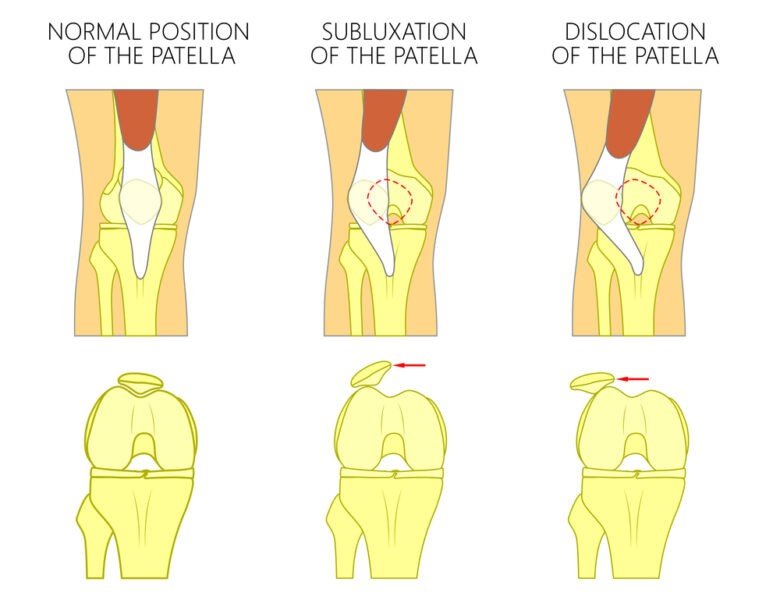
A little bit of anatomy helps to understand what patellar subluxation really is. The patella, or kneecap, is one of the three bones that form the knee joint. Each of these bones has a protective layer of cartilage where their surface comes in contact. Patella is also covered with a tendon. This tendon connects the quadriceps muscle of the thigh to the shin (tibia) below the knee.
As the knee bends, the kneecap slides partly out of the groove. This groove is called the Subluxation. The kneecap is designed to fit into the center of the trochlear groove and to slide evenly within the grooves.
Histórias relacionadas
 Exercício de toalha japonês: uma nova maneira de reduzir a gordura da barriga
 O Guia de Bem-Estar Sabrina Carpenter: Alcançando a Resistência Curta e Doce e o Esplendor de Paletas Nude
In some people, the esophagus is drawn to the outside of the trochlear groove. As it happens, the kneecap does not slide centrally within its grooves – we call it patellar subluxation.
What Are The Causes of Patellar Dislocation?
Patella dislocation usually occurs in young people and mainly during sports activity. There are many factors that make people more prone to Patellar Subluxation. Those are;
- Tightness of the thigh muscles.
- Generalized joint dysfunction (hypermobility).
- Knee arthritis.
- Flat feet.
- Weakness in the thigh muscles.
Treatment of Patellar Subluxation.
Whether it is a chronic condition or the result of an acute injury, you must always consult your doctor or physical therapist to determine the right way of treatment.
According to the American Academy of Orthopedic Surgeons (AAOS), knee dislocation often damages the lower part of the knee, which can lead to the development of permanent pain and artrite.(1)
The U.S. National Library of Medicine reports that repeated and untreated kneecap subluxations can cause more damage to the knee each time they occur. It is important to get an accurate diagnosis and treatment plan that may include working with a physical therapist or exercising yourself.
You should not do any exercise until you have obtained permission from your treatment provider. Your knee may need to stay in the brace or cast for several weeks, and you may have to avoid putting weight on the affected leg. The strengthening and conditioning will begin after the splint or brace is removed.
Patellar Subluxation Exercises.
The AAOS suggests that the aim of loose patella exercises will be mainly to strengthen the muscles of the quadriceps in front of the thigh, which provide support & stabilization to the knee.(2)
When you sit in the chair the quads are muscles at the top of your upper leg. In the case of Patellar tracking disorder, Michigan Medicine suggests that strengthening hip muscles can also help.(3)
The right exercises depend on your specific situation, but the following are some common exercises which your physical therapist’s often told you to do.
1 Elevação de perna reta.
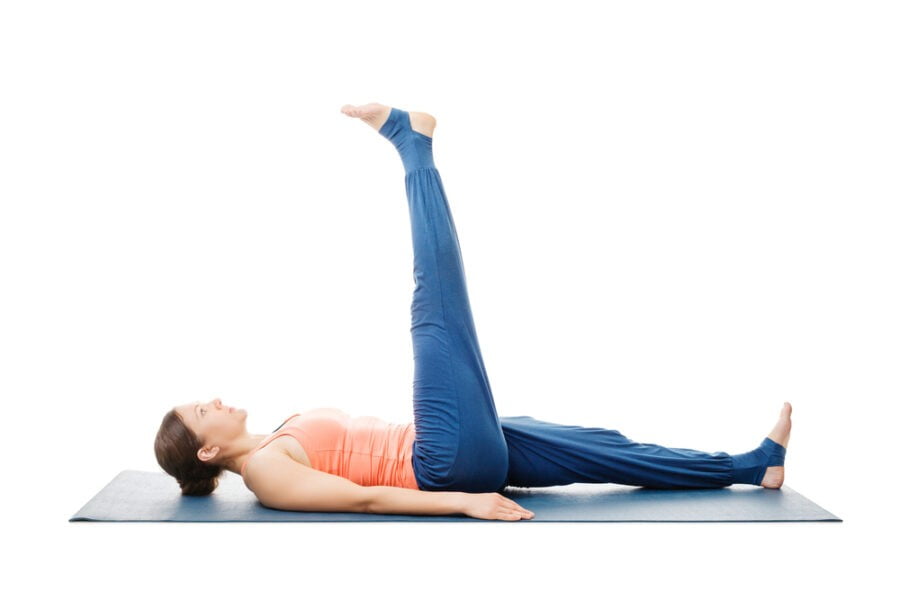
- At first lie down on the floor or on a hard bed. Bend the knee of your unaffected foot, and keep your foot flat on the floor.
- Then extend other leg & maintain a natural curve in your spine.
- Shrink your quadriceps muscles on the extended leg and keep your leg straight.
- Raise your foot 12 to 18 inches above the floor and keep it there for 6 seconds.
- Slowly lower your leg & rest for few seconds.
- Repeat 8 to 12 times.
- Exercise three times a day.
2 Side-Lying Leg Raise.
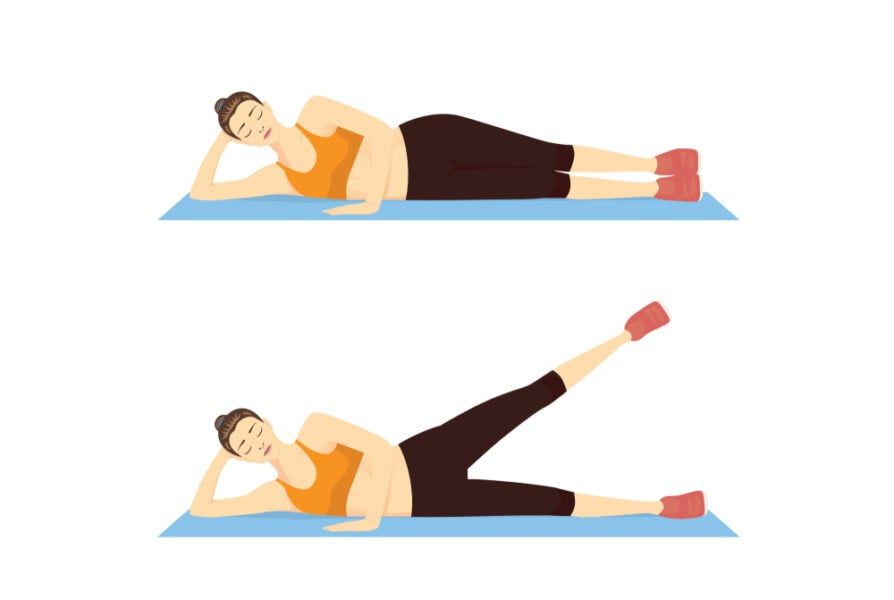
- Lie on your side on top with your injured leg. Bend your lower leg and stretch your top leg.
- Slowly lift your upper leg to 45 degrees & keep your knee straight but don’t lock.
- Hold on for 5 seconds, then slowly release.
- Relax for 2 seconds, then repeat.
- Do a total of three sets of 20 repetitions four to five times a week.
- As exercise gets easier, AAOS says you can wear ankle weights to increase the challenge. Start with 5 pounds and slowly raise to 10 pounds.
3 Quad Sets.
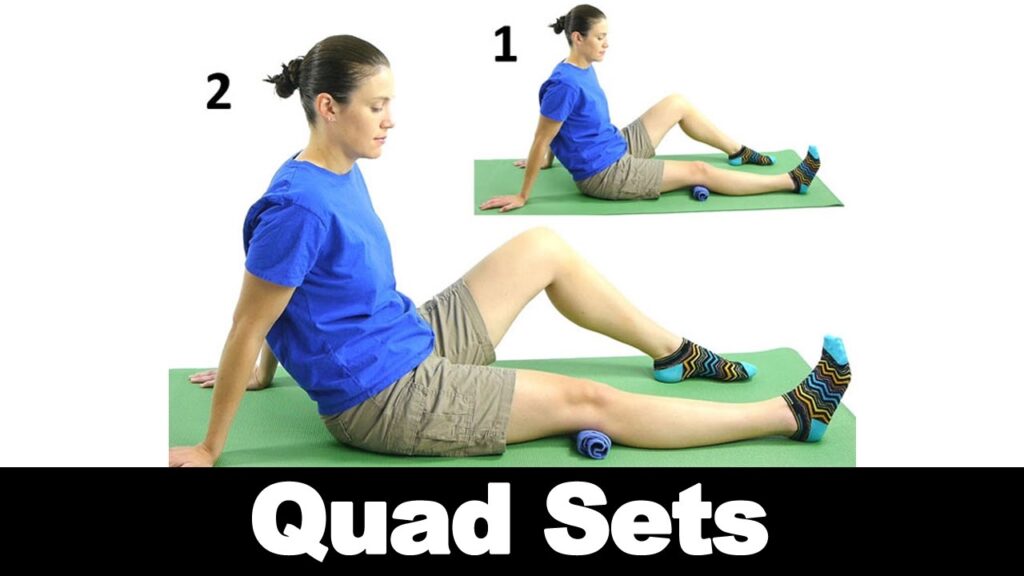
- Sit on the floor with your legs stretched out or on a hard bed.
- Tighten the quadriceps muscle of your affected foot and press your knee flat on the floor.
- Pause for 6 seconds, then rest for 10 seconds.
- Repeat for 8 to 12 times.
- Exercise several times each day.
If your knee feels uncomfortable, it would be good placing a rolled towel under your knee for support.
4 Hip Adduction.
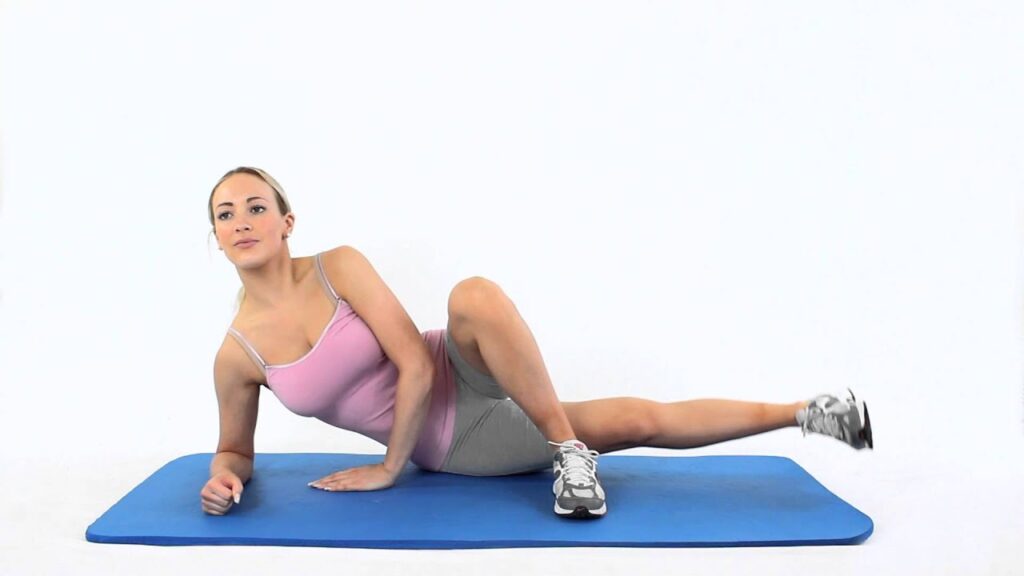
- Lie down on your side with the affected knee down. Stretch out both legs.
- Bend your upper knee and cross your foot in front of your lower leg for support.
- Lift your lower leg 6 to 8 inches above the floor and hold for 5 seconds.
- Lower your leg & rest for 2 seconds.
- Repeat four to five times a week for a total of three sets of 20 repetitions.
- Increase the challenge by placing a 5 to 10 pound ankle weight on your lower leg.
linha de fundo.
Patellar Subluxation Exercises is an effective way to cure such kind of problems. However, regular exercise under the supervision of a professional is also required. You can also practice such exercises at home with the help of your friends or family.
+3 de fontes
A FreaktoFit tem diretrizes rígidas de sourcing e conta com estudos revisados por pares, institutos de pesquisa educacional e organizações médicas. Evitamos o uso de referências terciárias. Você pode aprender mais sobre como garantimos que nosso conteúdo seja preciso e atualizado, lendo nosso política editorial.
- Unstable Kneecap; https://orthoinfo.aaos.org/en/diseases–conditions/unstable-kneecap/
- Knee Conditioning Program; https://orthoinfo.aaos.org/globalassets/pdfs/2017-rehab_knee.pdf
- Patellar Tracking Disorder: Exercises; https://www.uofmhealth.org/health-library/ut1197