














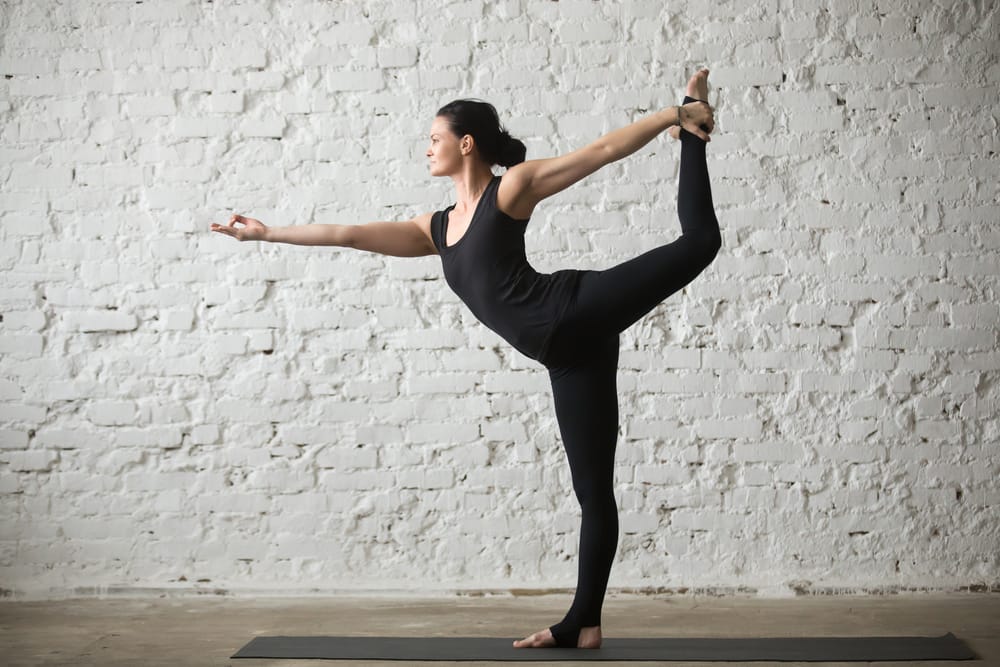
O Senhor da Pose de Dança, também conhecido como Natarajasana, é uma postura cativante e dinâmica de ioga que mostra elegância, equilíbrio e força. Esta postura deriva seu nome do deus hindu Lord Shiva, que é frequentemente descrito como um dançarino divino. O Senhor da Pose de Dança não é apenas esteticamente agradável, mas também oferece vários benefícios físicos e mentais.
Neste artigo, exploraremos as inúmeras vantagens de praticar o Senhor da Pose de Dança, aprender a executá-la corretamente e descobrir algumas variações interessantes para aprofundar nossa prática. Se você é um iogue experiente ou um novato procurando melhorar o seu Jornada de Yoga, esta pose certamente trará alegria, harmonia e vitalidade para sua prática.
Benefícios da pose de ioga Senhor da Dança.
1. Melhora o equilíbrio e a estabilidade.
O Senhor da Dança representa um desafio para o equilíbrio e a estabilidade, exigindo Foco e concentração. A prática regular ajuda a fortalecer os músculos das pernas, tornozelos e pés, levando a um melhor equilíbrio dentro e fora do tapete.(1)
2. Maior flexibilidade.
Essa postura alonga e alonga toda a frente do corpo, incluindo as coxas, quadris, abdômen, tórax e ombros. Por meio de práticas consistentes, os indivíduos podem ter uma maior flexibilidade nessas áreas, permitindo maior liberdade de movimento e redução do risco de lesões.(2)
Histórias relacionadas
 Bind Yoga Pose: Benefits, Steps, Variations, Safety & Tips
 Yoga e seus vários benefícios para a saúde
3. Força e tonificação aprimoradas.
Natarajasana envolve e fortalece vários grupos musculares, principalmente o quadríceps, isquiotibiais, glúteos, núcleo e ombros. Enquanto o corpo se esforça para manter o equilíbrio nessa pose desafiadora, esses músculos são ativados, levando ao aumento da força e da tonificação ao longo do tempo.
4. Melhor postura e alinhamento da coluna vertebral.
A postura do Senhor da Dança requer uma coluna reta e alongada, promovendo boa postura e alinhamento. Ao praticar este asana regularmente, os indivíduos podem treinar seu corpo para se manterem com mais eficiência, reduzindo o risco de dor nas costas e desconforto.
5. Aumento da concentração e do foco.
O equilíbrio em Natarajasana exige concentração e foco. Ao permanecerem presentes e atentos durante essa pose, os praticantes cultivam Clareza mental e foco, que pode ser transportado para fora do tapete e aplicado à vida diária.
6. Alívio do estresse e da ansiedade.
A prática da pose do Senhor da Dança promove a respiração profunda e a atenção plena, o que pode ajudar Reduz o estresse e a ansiedade. A combinação de esforço físico e foco mental pode criar uma sensação de calma e tranquilidade, permitindo que os praticantes liberem a tensão e encontrem paz interior.

7 . Aumentou a autoconfiança.
Dominar a pose do Senhor da Dança requer paciência, dedicação e perseverança. À medida que os indivíduos progridem em sua prática e aprofundam sua compreensão sobre essa pose desafiadora, eles desenvolvem uma sensação de realização e autoconfiança que podem se estender além do tapete de ioga.
8. Melhora digestão e desintoxicação.
O movimento de torção em Natarajasana estimula os órgãos digestivos, promovendo uma digestão e eliminação saudáveis. Essa postura também ajuda na desintoxicação, aumentando o fluxo sanguíneo e a circulação linfática, auxiliando o corpo a eliminar toxinas e resíduos.

9. Energizante e revigorante.
A postura do Senhor da Dança é uma postura energizante que pode ajudar a combater a fadiga e aumentar a vitalidade. O alongamento profundo e a abertura do centro do peito e do coração podem resultar em um aumento do fluxo de energia por todo o corpo, deixando os praticantes se sentindo revigorados e revitalizados.
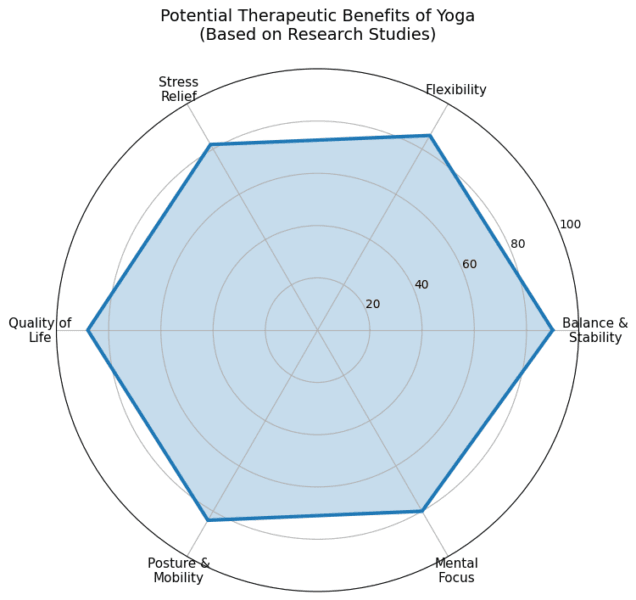
| 💡 Dicas FreaktoFit.com O senhor da dança A pose de ioga oferece uma infinidade de benefícios Para pessoas que buscam bem-estar físico, mental e emocional. Ao incorporar isso Potente postura em seu yoga regular Praticar, praticantes podem experimentar equilíbrio, flexibilidade, força, postura, concentração, alívio do estresse, autoconfiança, digestão, desintoxicação e vitalidade geral. |
Como fazer pose de ioga do Senhor da Dança?
- Comece ficando erguendo-se com os pés afastados na largura do quadril e os braços relaxados ao lado do corpo.
- Respire fundo e, ao expirar, mude seu peso para o pé direito.
- Dobre o joelho esquerdo e levante o pé esquerdo em direção ao glúteo esquerdo, agarrando o tornozelo com a mão esquerda.
- Estenda o braço direito em direção ao teto, mantendo o olhar focado em um ponto fixo para equilíbrio.
- Lentamente, comece a dobrar a seqüência para a frente nos quadris, ao mesmo tempo em que estende a perna esquerda para trás.
- Mantenha o braço esquerdo estendido à sua frente para obter o equilíbrio.
- Envolva seu núcleo e tente manter seu corpo em uma linha reta da cabeça até o calcanhar.
- Segure a pose por algumas respirações, encontrando seu equilíbrio e estabilidade.
- Para sair da postura, abaixe lentamente a perna esquerda para o chão e volte para a posição de pé.
- Repita do outro lado, deslocando o peso para o pé esquerdo e estendendo a perna direita para trás.
- Lembre-se de ir devagar e ouvir seu corpo, indo tão longe quanto se sente confortável para você.
Variações da pose do ioga do Senhor da Dança e como fazer?
Embora a versão tradicional de Lord of the Dance Pose seja benéfica por si só, existem várias variações que podem ser exploradas para aprofundar a prática e Experimente seus inúmeros benefícios.
1. Metade do senhor da pose de dança.
Comece de pé e desloque o peso para a perna esquerda. Dobre o joelho direito e levante o pé direito em direção aos glúteos. Pegue o interior do pé direito com a mão direita e pressione suavemente o pé na mão. Estenda o braço esquerdo para cima em direção ao céu, mantendo o olhar para frente. Essa variação se concentra em abrir os ombros e o tórax enquanto alonga o quadríceps e os flexores do quadril.
2. Pose revoltada do Senhor da Dança.
Comece na pose tradicional do Senhor da Dança com a perna direita estendida atrás de você e a mão direita segurando o pé direito. Gire lentamente o tronco para a direita, abrindo o peito enquanto mantém o olhar sobre o ombro direito. Estenda o braço esquerdo para o lado, alinhando-o com o ombro. Essa variação adiciona um Torça para a pose, proporcionando um alongamento mais profundo para a coluna, ombros e quadris.
3. Voador da pose de dançar senhor.
Começando na pose tradicional, coloque seu peso na perna esquerda e estenda a perna direita para trás. como você Levante a perna direita, incline-se um pouco para a frente, envolvendo seu núcleo para o equilíbrio. Depois de encontrar a estabilidade, estenda o braço esquerdo lentamente para frente, mantendo o olhar focado. Essa variação desafia seu equilíbrio e Fortalece o núcleo, ao mesmo tempo em que aumenta a flexibilidade nos isquiotibiais e ombros.
4. Pose do Senhor da Dança amarrada.
Da pose tradicional, dobre o cotovelo esquerdo e alcance-o atrás das costas. Simultaneamente, estique o braço direito para a frente e agarre na mão esquerda. Ao pressionar o pé na mão, desenhe o cotovelo esquerdo em direção à linha média do corpo. Essa variação intensifica o alongamento nos ombros e no tórax, ao mesmo tempo que aprofunda a abertura no quadríceps e flexores do quadril.
| 💡 Dicas FreaktoFit.com Independentemente da variação escolhida, é importante abordar o Senhor da Pose de Dança com paciência e respeito pelas limitações do seu corpo. A prática regular dessas variações aumentará gradualmente sua força, flexibilidade e consciência geral do corpo, permitindo que você incorpore a graça e a fluidez de um dançarino divino. |
Precauções ao fazer pose de ioga do senhor da dança.
- Aqueça-se adequadamente antes de tentar a postura do Senhor da Dança para evitar qualquer tensão ou lesão muscular.
- Comece com um ritmo mais lento e aumente gradualmente a intensidade e a duração da pose à medida que sua flexibilidade e força melhoram.
- use um ioga Mateame ou superfície antiderrapante para evitar escorregar ou cair durante a pose.
- Mantenha o alinhamento adequado em toda a pose, envolvendo os músculos do núcleo e mantendo a coluna reta.
- Evite forçar seu corpo para a pose se sentir dor ou desconforto. Em vez disso, trabalhe dentro de sua confortável amplitude de movimento e aprofunde gradualmente a pose ao longo do tempo.
- Use adereços, como uma cinta ou bloco, se necessário, para ajudar na manutenção do equilíbrio e da estabilidade.
- Mantenha a respiração firme e concentre-se em manter um estado de espírito relaxado enquanto estiver na pose.
- Se você tiver lesões ou condições médicas pré-existentes, consulte um instrutor de ioga qualificado ou um profissional de saúde antes de tentar a pose do ioga do Senhor da Dança para garantir que seja seguro para você.
- Ouça o seu corpo e dê-se pausas quando necessário. Não ultrapasse seus limites.
- prática sob a orientação de um certificado Instrutor de ioga, especialmente se você é iniciante, para garantir a forma adequada e evitar riscos potenciais.
Quem pode fazer o Senhor da Dança Pose?
Praticantes intermediários podem aprofundar sua prática encontrando mais comprimento e extensão nos membros, mantendo uma respiração constante. Yogis avançados podem explorar variações da pose adicionando ligações ou backbends para aumentar a intensidade e a graciosidade da postura. No geral, qualquer pessoa comprometida, paciente e disposta a adotar a jornada de autodescoberta através Yoga pode aspirar a dominar o Senhor de pose de dança.
Quem deve evitar o Senhor da Dança Pose de Yoga?
Indivíduos com certas limitações ou lesões físicas devem proceder com cautela ou evitar completamente essa pose. Aqueles com lesões no joelho ou no tornozelo, por exemplo, podem ter dificuldade em manter a estabilidade e exacerbar sua condição ao tentar essa pose. Da mesma forma, indivíduos com problemas de equilíbrio ou baixa dor nas costas Deve ser cauteloso, pois a pose envolve uma curvatura profunda e requer um equilíbrio constante em uma perna. É sempre aconselhável consultar um profissional qualificado ioga Professor ou profissional de saúde antes de tentar poses avançadas como o Senhor da Pose de Ioga da Dança.
linha de fundo.
A pose do ioga Senhor da Dança, também conhecida como Natarajasana, é uma postura bonita e desafiadora que requer força, equilíbrio e flexibilidade. Simboliza a natureza graciosa e poderosa do Senhor Shiva, o deus hindu da destruição e da criação.
Ao praticar essa pose, não apenas cultivamos benefícios físicos, como Força do núcleo e maior flexibilidade, mas também aproveite um senso mais profundo de conexão com nós mesmos e com o mundo ao nosso redor.
A pose do Senhor da Dança serve como um lembrete para abraçar os aspectos claros e sombrios da vida, encontrando equilíbrio e harmonia dentro de nós mesmos. Então, vamos pisar em nossos tapetes, incorporar o espírito do Senhor Shiva e dançar pela vida com graça e força.
+2 de fontes
aberração A FreaktoFit tem diretrizes rígidas de sourcing e conta com estudos revisados por pares, institutos de pesquisa educacional e organizações médicas. Evitamos o uso de referências terciárias. Você pode aprender mais sobre como garantimos que nosso conteúdo seja preciso e atualizado, lendo nosso política editorial.
- O yoga melhora o equilíbrio e a dor lombar, mas não a ansiedade, em pessoas com doença de Parkinson; https://pubmed.ncbi.nlm.nih.gov/31584838/
- Explorando os efeitos terapêuticos do yoga e sua capacidade de aumentar a qualidade de vida; https://pmc.ncbi.nlm.nih.gov/articles/PMC3193654/