

















A cromoterapia, também chamada de terapia de cor, é uma prática complementar de bem-estar que usa cores ou luz colorida com a intenção de influenciar o humor, relaxamento, energia ou bem-estar geral.
A ideia é simples: as cores são uma parte notável do nosso ambiente e cores diferentes podem influenciar a aparência e a sensação de um espaço. A pesquisa moderna também mostra que as pessoas associam consistentemente as cores a emoções particulares. No entanto, as evidências científicas não estabelecem que expor o corpo a uma cor específica pode curar doenças ou “reequilibrar” um órgão ou chakra específico.
A cromoterapia tem raízes na medicina tradicional e complementar, onde as cores historicamente receberam propriedades simbólicas e terapêuticas. Uma revisão da literatura sobre medicina complementar descreve a cromoterapia como uma prática baseada na crença de que cores diferentes podem afetar o corpo.(1)
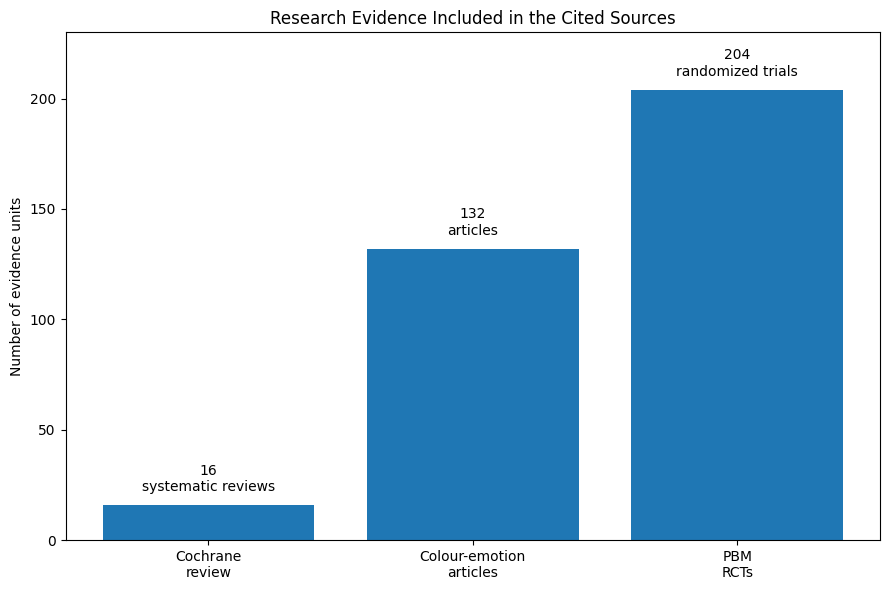
Ao mesmo tempo, uma revisão sistemática de 2025, examinando 128 anos de pesquisa psicológica, encontrou relações consistentes entre cores e emoções em 132 artigos revisados por pares envolvendo mais de 42.000 participantes. Os pesquisadores relataram que as associações de emoção de cor foram influenciadas por fatores como tonalidade, saturação e leveza.(2)
Histórias relacionadas
 5 yoga mudras eficazes para curar a asma
 Tratamento paralisia: por ioga, exercícios e fisioterapia
Então, o que isso significa em termos práticos?
A cromoterapia pode ser razoavelmente discutida como uma prática mental-corpo ou complementar, particularmente em relação à cor ambiental, relaxamento, humor e simbolismo pessoal. Mas afirma que uma cor específica pode tratar medicamente câncer, diabetes, infecções, distúrbios hormonais ou outras doenças não são suportadas por evidências clínicas suficientes.
O que é cromoterapia?
A cromoterapia é uma prática que envolve o uso de cores ou luz colorida para efeitos terapêuticos ou psicológicos percebidos.
Dependendo do praticante ou sistema, pode envolver:
- luzes coloridas
- ambientes coloridos
- tecidos coloridos
- objetos coloridos
- água colorida
- Visualização de cores
- Espaços de meditação coloridos
- Práticas de relaxamento à base de cores
Algumas abordagens tradicionais associam cores particulares a órgãos, emoções, chakras ou qualidades energéticas particulares.
Por exemplo, um profissional pode associar:

- Azul com calma
- verde com equilíbrio
- Amarelo com energia
- Laranja com criatividade
- Vermelho com vitalidade
- roxo com espiritualidade
Essas associações são simbólicas ou tradicionais, em vez de fatos médicos estabelecidos.
Como funciona a cromoterapia?
Existem várias maneiras diferentes de usar o termo “cromoterapia”, o que torna o assunto um pouco complicado.
1. Resposta psicológica à cor.
As cores podem influenciar a percepção e as associações emocionais.
A revisão sistemática da pesquisa de cor-emoção de 2025 encontrou relações sistemáticas entre cores e dimensões emocionais, como valência, excitação e poder percebido. No entanto, as associações eram complexas e muitas vezes dependiam de várias características da cor, em vez de serem regras universais de uma cor única.
Isso significa que um ambiente azul pode parecer calmante para uma pessoa, mas a experiência pessoal, a cultura, o contexto, o brilho e a preferência podem influenciar a resposta.
2. Efeitos ambientais.
A cor é uma parte importante dos ambientes interiores.
Uma sala colorida, uma sala azul suavemente iluminada ou um espaço em tons quentes podem criar uma atmosfera muito diferente.
Se um ambiente específico ajuda alguém a relaxar, o benefício pode vir da experiência sensorial geral e não de uma propriedade terapêutica específica do comprimento de onda.
3. Efeitos biológicos baseados em luz.
A cromoterapia não deve ser automaticamente confundida com fotobiomodulação ou fototerapia médica.
Certas formas de terapia com luz usam comprimentos de onda específicos e doses cuidadosamente controladas para fins médicos específicos.
Por exemplo, a fotobiomodulação está sendo investigada quanto à dor, inflamação, reparo de tecidos e outros resultados. Uma revisão guarda-chuva de 2025 incluiu 204 ensaios clínicos randomizados envolvendo mais de 9.000 participantes, mas os autores enfatizaram que a certeza variou consideravelmente entre os resultados e que mais pesquisas de alta qualidade e protocolos padronizados são necessários.(3)
Essa evidência deve não Ser usado para afirmar que a cromoterapia comum tem os mesmos efeitos.
Cromoterapia x terapia da luz.
estes Os termos às vezes são usados de forma intercambiável online, mas eles não deveriam ser.
A cromoterapia geralmente se refere a práticas complementares envolvendo cores e seus efeitos psicológicos, energéticos ou terapêuticos percebidos.
A terapia com luz pode se referir a intervenções médicas ou comportamentais específicas usando exposição à luz controlada.
Por exemplo, a terapia com luz brilhante é usada em certos contextos clínicos, enquanto a fototerapia é usada para algumas condições dermatológicas.
As evidências científicas que sustentam um tratamento específico à base de luz, portanto, não podem ser transferidas automaticamente para a cromoterapia.
Essa distinção é essencial para o conteúdo responsável da saúde.
Significado tradicional das cores na cromoterapia.
Diferentes sistemas de cromoterapia atribuem significados diferentes às cores.
Não existe um único cartola de cores médica universalmente aceita.
As descrições a seguir representam associações comuns de bem-estar tradicional, não tratamentos cientificamente estabelecidos.
Vermelho.
O vermelho é comumente associado a:
- energia
- força
- vitalidade
- paixão
- atividade física
- calor
É uma cor intensa e pode Crie um ambiente visualmente estimulante.
Como o vermelho é altamente perceptível, pode não ser a melhor escolha se seu objetivo for criar um ambiente tranquilo e relaxante.
Laranja.
Laranja é frequentemente associada a:
- criatividade
- entusiasmo
- sociabilidade
- calor
- motivação
Pode ser usado em espaços de bem-estar onde uma atmosfera energética, mas quente, é desejada.
Amarelo.
O amarelo está tradicionalmente conectado com:
- otimismo
- alegria
- estimulação mental
- brilho
- confiança
No entanto, o amarelo muito brilhante ou saturado pode parecer visualmente intenso para algumas pessoas.
verde.
O verde é comumente associado a:
- natureza
- contrapartida
- frescura
- calma
- renovação
Como o verde está fortemente conectado a ambientes naturais, ele é frequentemente usado em espaços destinados a parecer restauradores.
Azul.
O azul é frequentemente associado a:
- calma
- paz
- estabilidade
- relaxamento
- confiança
A pesquisa de emoção por cor apóia a ideia de que o azul está sistematicamente associado a qualidades emocionais particulares, mas as respostas individuais podem variar.
roxo.
O roxo é frequentemente associado a:
- espiritualidade
- reflexão
- imaginação
- mistério
- criatividade
Isso torna o roxo particularmente popular em meditação e ambientes espirituais.
índigo.
O índigo é comumente associado a:
- intuição
- reflexão
- consciência interior
- contemplação
É frequentemente incorporado às práticas modernas baseadas em chakras.
Branco.
O branco é frequentemente associado a:
- simplicidade
- limpeza
- paz
- abertura
- frescura
O branco pode fazer com que os espaços pareçam maiores e mais brilhantes, embora o brilho excessivo possa parecer desconfortável para alguns indivíduos.
Rosa.
O rosa é frequentemente associado a:
- compaixão
- suavidade
- amor
- calor
- conforto emocional
Seu efeito psicológico pode depender muito da sombra e do contexto.
preto.
O preto é tradicionalmente associado a:
- poder
- mistério
- sofisticação
- proteção
Não é inerentemente uma cor “negativa”.
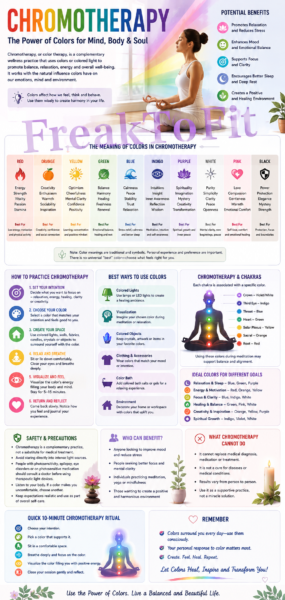
Potenciais benefícios da cromoterapia.
Ao discutir os benefícios da cromoterapia, é importante evitar apresentar afirmações tradicionais como resultados médicos comprovados.
A evidência mais forte diz respeito à percepção de cores, associações emocionais, experiência ambiental e certas formas de terapia de luz controlada, em vez de cromoterapia como tratamento para doenças.
1. Pode apoiar um ambiente relaxante.
Escolher cores mais suaves para um espaço de meditação ou relaxamento pode ajudar a criar um ambiente que seja calmante.
Por exemplo, alguém pode preferir tons suaves de azuis, verdes ou tons neutros ao praticar o relaxamento.
isso não médio Essa luz azul é um tratamento médico para o estresse.
Em vez disso, a cor pode se tornar parte de um ritual de relaxamento mais amplo.
2. Pode incentivar a atenção plena.
A cor pode ser usada como uma âncora de atenção.
Durante a meditação, alguém pode se concentrar em uma cor específica enquanto respira lentamente.
o benefício Pode vir do ato de concentrar a atenção e criar um ritual silencioso e não de um efeito fisiológico estabelecido da própria cor.
3. Pode influenciar associações emocionais.
A pesquisa apoia a existência de associações sistemáticas de emoção-colorido.
A grande revisão de 2025 descobriu que as pessoas em muitos países apresentaram relações recorrentes entre cores e dimensões emocionais.
No entanto, essas associações não são perfeitamente universais.
A experiência pessoal, a cultura, o contexto e as características da cor podem importar.
4. Pode melhorar a sensação de um espaço.
A cor é uma parte importante do design de interiores.
Um estúdio de bem-estar com verduras naturais pode parecer muito diferente daquele dominado por um vermelho intenso.
A experiência psicológica de um espaço pode influenciar se alguém o considera convidativo, estimulante ou relaxante.
5. Pode se tornar parte de um ritual de autocuidado.
Um ritual simples baseado em cores pode encorajar alguém a desacelerar.
Por exemplo:
- escurecer o quarto.
- Escolha uma cor confortável.
- Sente-se em silêncio.
- Respire naturalmente.
- Foque na cor.
- Continue por alguns minutos.
O ritual em si pode ser valioso mesmo sem presumir que a cor tenha um efeito médico direto.
Cromoterapia e bem-estar mental.
As cores às vezes são promovidas online como Tratamento para ansiedade, depressão ou outras condições de saúde mental.
Essa afirmação precisa de cautela.
Há evidências de que as cores podem estar associadas a estados emocionais, mas isso é diferente de demonstrar que expor alguém a uma cor específica trata um transtorno psiquiátrico.
Se alguém está passando por ansiedade persistente, depressão, pânico ou outros sintomas de saúde mental, avaliação profissional e tratamento baseado em evidências devem ser prioritários.
A cromoterapia pode ser potencialmente usada como uma prática pessoal relaxante ao lado, em vez de, em vez de, cuidados de saúde mental apropriados.
Cromoterapia e chakras.
As práticas modernas de bem-estar geralmente combinam a cromoterapia com o sistema de chakra.
Uma associação de cores comumente usada é:
| chacra | Associação de cores tradicionais |
|---|---|
| raiz | vermelho |
| sacral | laranja |
| plexo solar | amarelo |
| coração | verde |
| garganta | azul |
| terceiro olho | corante azul |
| coroa | violeta/branco |
Essas associações fazem parte das estruturas modernas de espiritualidade e bem-estar.
Não são estruturas anatômicas ou centros de energia estabelecidos cientificamente.
Se você usa cromoterapia à base de chakra, é melhor descrita como uma prática espiritual ou contemplativa em vez de um tratamento médico.
Como praticar cromoterapia em casa?
Você não precisa de equipamentos caros.
Uma abordagem simples pode envolver seu ambiente existente.
Passo 1: Escolha sua intenção.
Decida o que você quer da sessão.
Por exemplo:
- relaxamento
- meditação
- reflexão
- um ambiente calmante
- Uma prática de respiração focada
Passo 2: Escolha uma cor confortável.
Selecione uma cor que você achar agradável pessoalmente.
Não se sinta obrigado a usar uma cor específica porque um gráfico on-line diz que é “melhor”.”
Sua resposta pessoal é importante.
Passo 3: Crie um ambiente confortável.
Reduza distrações desnecessárias.
Você pode:
- apague as luzes
- Tocar música silenciosa
- sente-se confortavelmente
- Desativar notificações
Passo 4: Pratique a respiração lenta.
Faça respirações naturais e confortáveis.
Evite forçar sua respiração.
Passo 5: Foque na cor.
Observe a cor sem tentar produzir uma sensação particular.
Aviso:
- seu brilho
- sombra
- textura
- associações emocionais
- Como sua atenção responde
Passo 6: Termine gradualmente.
Após alguns minutos, volte à iluminação normal da sala e continue com o seu dia.
Uma rotina de cromoterapia de 10 minutos.
Aqui está uma rotina simples de bem-estar.
Minutos 1–2: Sente-se confortavelmente e acomode-se.
Minutos 3–4: Olhe suavemente para a cor escolhida.
Minutos 5–7: Feche os olhos e visualize a cor se for confortável.
Minutos 8–9: Concentre-se na sua respiração.
Minuto 10: Reflita sobre como você se sente.
Você não precisa experimentar nada dramático.
O objetivo pode ser simplesmente relaxamento consciente.
A cromoterapia cura doenças?
Não há evidências suficientes de alta qualidade para apoiar a ideia de que a cromoterapia pode curar doenças.
Este é um dos mais Pontos importantes na saúde responsável conteúdo.
A cromoterapia não deve substituir:
- medicamento
- cirurgia
- psicoterapia
- diagnóstico médico
- fisioterapia
- Tratamento dermatológico
- Tratamento do câncer
- tratamento cardiovascular
- Outros cuidados de saúde baseados em evidências
Uma revisão da literatura sobre medicina complementar observou que a cromoterapia foi proposta para fins terapêuticos, mas também destacou a natureza limitada das evidências científicas.
Portanto, afirma que uma cor específica pode “remover toxinas”, “consertar órgãos” ou “matar células cancerosas” deve ser tratada com considerável ceticismo, a menos que seja apoiado por evidências clínicas apropriadas.
Cromoterapia e pesquisa científica.
A pesquisa científica sobre a cor em si é mais ampla do que a pesquisa em cromoterapia.
A distinção é importante.
Cor e emoções.
A revisão sistemática de 132 estudos e 42.266 participantes de 2025 fornece evidências substanciais de que os humanos associam consistentemente as cores às qualidades emocionais. No entanto, as relações eram complexas e não universalmente determinísticas.
Isso apoia a discussão de cores como um fator psicológico e ambiental.
Isso não prova que a terapia de cor pode tratar doenças médicas.
Tratamentos à base de luz.
A pesquisa sobre formas específicas de exposição à luz controlada é muito mais extensa.
A fotobiomodulação, por exemplo, usa comprimentos de onda específicos e condições de exposição cuidadosamente definidas. Uma revisão guarda-chuva de 2025 encontrou evidências de Benefícios para alguns resultados, mas avaliados A certeza da evidência como baixa a moderada para muitos desfechos.
Esta é uma intervenção muito diferente de simplesmente sentar em uma sala iluminada com uma cor específica.
Cromoterapia vs Fotobiomodulação.
Os dois não devem ser tratados como idênticos.
| cromoterapia | fotobiomodulação |
|---|---|
| Muitas vezes orientado para o bem-estar | Intervenção médica/pesquisa |
| Usa cor ou luz colorida | Usa comprimentos de onda definidos |
| Pode envolver significados simbólicos | Usa parâmetros de exposição controlados |
| Frequentemente usado para relaxar | investigados para resultados clínicos específicos |
| As evidências são limitadas | Bases de evidências clínicas maiores para algumas aplicações |
| Os protocolos variam amplamente | Os protocolos podem ser cuidadosamente padronizados |
Essa distinção ajuda a prevenir reivindicações exageradas.
A cromoterapia é segura?
Usar cores comuns em seu ambiente geralmente é de baixo risco.
No entanto, o método importa.
Olhar diretamente para as luzes brilhantes pode causar desconforto ou cansaço visual.
Pessoas com condições sensíveis à luz devem ser particularmente cautelosas.
Evite experimentar fontes de luz intensas sem entender suas especificações.
Se um dispositivo produz níveis terapêuticos de radiação leve ou ultravioleta, não assuma que é equivalente a uma lâmpada colorida decorativa.
A fototerapia médica deve ser realizada de acordo com a orientação profissional adequada.
Quem deve ser cauteloso?
Fale com um profissional de saúde antes de usar dispositivos especializados baseados em luz se você tiver:
- uma condição fotossensível
- certos distúrbios oculares
- Uma história de convulsões desencadeadas por luz
- Um medicamento que aumenta a fotossensibilidade
- A Condição da pele que requer tratamento médico
A preocupação aqui é principalmente sobre a exposição à luz, não a exposição comum a objetos coloridos ou decoração de ambientes.
Erros comuns de cromoterapia.
Erro 1: tratando os gráficos de cores tradicionais como fatos médicos.
As associações de cores não são leis médicas universais.
Erro 2: curas promissoras de doenças.
Não há evidências suficientes para afirmações de que a cromoterapia cura a doença.
Erro 3: Confundir a cromoterapia com a fototerapia médica.
Os tratamentos de luz médica controladas não devem ser representados como prova de que a terapia geral com cores funciona.
Erro 4: usando luzes extremamente brilhantes.
A luz mais intensa não é automaticamente melhor.
Erro 5: ignorando as preferências pessoais.
Se uma cor específica o deixa desconfortável, você não precisa usá-la porque um gráfico a recomenda.
Erro 6: Substituindo o tratamento médico.
Nunca adie os cuidados médicos adequados por causa de uma prática de bem-estar baseada em cores.
Como escolher a cor certa?
Não precisa haver uma única cor “correta”.
Em vez disso, considere seu objetivo e sua resposta pessoal.
para relaxamento.
Você pode preferir tons mais suaves, verdes ou tons neutros.
para um ambiente energizante.
alguns As pessoas podem preferir Cores mais quentes, como laranja ou amarelo.
para meditação.
Roxo, índigo, azul ou qualquer cor que pareça significativa para você pode se tornar um foco visual.
para a criatividade.
você pode Experimente cores que você pessoalmente Associar-se à inspiração.
A chave é tratá-los como associações pessoais ou tradicionais, não garantidos efeitos biológicos.
Cromoterapia e ioga.
A cromoterapia pode ser incorporada em um ambiente de ioga.
Por exemplo, um estúdio de ioga pode usar:
- iluminação suave
- cores naturais
- tons quentes
- elementos verdes
- iluminação de destaque azul ou roxo
Você também pode usar uma cor escolhida como visualização durante a meditação.
Por exemplo:
Inspire: Visualize uma luz azul suave.
Expire: Deixe a tensão amolecer.
Este é um exercício de visualização de atenção plena, e não um método cientificamente estabelecido de alterar o do corpo energia.
Cromoterapia e meditação.
A meditação fornece uma maneira particularmente simples de experimentar cores.
Escolha uma cor.
Observe-o por alguns momentos.
Então feche os olhos e imagine a cor.
Quando sua mente vaguear, volte gentilmente sua atenção para a imagem.
Isso pode funcionar de forma semelhante a outras âncoras de meditação, como:
- bafo
- timbre
- mantra
- sensações corporais
- um objeto visual
O valor vem da atenção sustentada e da prática reflexiva, em vez de precisar acreditar que a cor tem um efeito sobrenatural.
Perguntas frequentes.
1. O que é cromoterapia?
A cromoterapia, ou terapia de cores, é uma prática complementar de bem-estar que usa cores ou luz colorida com a intenção de influenciar o humor, relaxamento, energia ou bem-estar.
2. Quais são os benefícios da cromoterapia?
Os benefícios potenciais de bem-estar podem incluir a criação de um ambiente calmante, o apoio à atenção plena e influenciar as associações emocionais com a cor. No entanto, as evidências de que a cromoterapia trata de condições médicas é limitada.
3. Qual cor é a melhor para relaxar?
Não existe uma cor “melhor” comprovada universalmente. Os tons mais suaves de azul e verde são comumente associados à calma, mas as preferências individuais e o contexto são importantes.
4. Qual cor está associada à energia?
Vermelho e laranja são tradicionalmente associados à energia, vitalidade, calor e estimulação. Estas são associações simbólicas em vez de efeitos fisiológicos garantidos.
5. A cromoterapia pode reduzir a ansiedade?
A cor pode influenciar a experiência emocional, mas não há evidências suficientes para dizer que a cromoterapia trata os transtornos de ansiedade. Pode ser usado como prática de relaxamento juntamente com os cuidados adequados.
6. A cromoterapia pode curar doenças?
não . Não há evidências suficientes para apoiar o uso da cromoterapia como cura para doenças. Não deve substituir o tratamento médico baseado em evidências.
7 . A cromoterapia é comprovada cientificamente?
Algumas pesquisas Apoia relações entre cores e emoções, mas isso é diferente de provar a cromoterapia como tratamento médico. Uma revisão sistemática de 2025 encontrou associações consistentes de cor-emoção em um grande corpo de pesquisa psicológica.
8. A cromoterapia é o mesmo que a terapia com luz?
não As terapias com luz médica usam comprimentos de onda específicos, doses e protocolos para fins específicos. A cromoterapia geralmente é uma prática complementar mais ampla envolvendo cores ou luz colorida.
9. Posso praticar cromoterapia em casa?
Sim, se você estiver usando iluminação comum e confortável ou visualização de cores. Evite olhar diretamente para fontes de luz intensas.
10. A cromoterapia pode equilibrar chakras?
As associações de cor chakra fazem parte das práticas espirituais tradicionais e modernas. Não há evidências científicas que estabelecem que a luz colorida equilibre fisicamente os chakras.
11. Quanto tempo deve durar uma sessão de cromoterapia?
Não existe uma duração ideal cientificamente estabelecida. Uma sessão curta de relaxação ou visualização de 5 a 10 minutos pode ser um ponto de partida razoável.
12. Qual cor está associada ao chakra do terceiro olho?
O índigo é comumente associado ao chakra do terceiro olho em sistemas modernos de chakra. Este é um simbolismo espiritual e não um fato anatômico ou médico.
13. Para que serve a cromoterapia?
A cromoterapia pode ser usada como Prática complementar de relaxamento e bem-estar, como criar um ambiente calmante, apoiar a atenção plena e influenciar o humor. Não é um tratamento comprovado para doenças.
14. A terapia de cor realmente funciona?
As evidências são limitadas. A pesquisa mostra que as cores podem influenciar as respostas e as percepções emocionais, mas não há fortes evidências de que a cromoterapia tradicional possa tratar as condições médicas.
15. O que é o método de cromoterapia e como ele funciona?
Envolve o uso de luz colorida, ambientes coloridos, visualização ou objetos coloridos durante o relaxamento ou as práticas de bem-estar. Os efeitos propostos geralmente são baseados em respostas psicológicas à cor, em vez de um mecanismo de cura cientificamente estabelecido.
16. Qual é a diferença entre cromoterapia e terapia com luz vermelha?
A cromoterapia geralmente usa cores para fins de bem-estar, humor ou simbólicos. A terapia com luz vermelha/fotobiomodulação usa comprimentos de onda específicos de luz vermelha ou infravermelha próxima em intensidades controladas e está sendo estudado para efeitos biológicos e clínicos específicos. Eles não devem ser considerados o mesmo tratamento.
linha de fundo.
A cromoterapia é melhor entendida como uma prática complementar de bem-estar envolvendo cor, luz, visualização e simbolismo pessoal.
As cores influenciam claramente a percepção humana e estão sistematicamente associadas às emoções. Uma grande revisão sistemática de 2025 encontrou relações recorrentes entre cor e experiência emocional em mais de um século de pesquisa.
No entanto, isso não estabelece que sentar sob uma luz colorida em particular pode curar doenças, equilibrar órgãos, remover toxinas ou corrigir um desequilíbrio de energia.
Há também uma diferença importante entre cromoterapia e tratamentos leves baseados em evidências, como fotobiomodulação ou fototerapia médica. A pesquisa sobre essas intervenções usa comprimentos de onda definidos e protocolos controlados e não deve ser generalizado automaticamente para a terapia de cores comum.
Se você gosta de trabalhar com cores, a cromoterapia pode ser incorporada em práticas de meditação, ioga, relaxamento, diário ou bem-estar interno. A abordagem mais segura é usá-la como uma ferramenta complementar de autocuidado, manter as expectativas realistas e continuar a confiar em profissionais de saúde para médicos Condições.
+3 de fontes
A FreaktoFit tem diretrizes rígidas de sourcing e conta com estudos revisados por pares, institutos de pesquisa educacional e organizações médicas. Evitamos o uso de referências terciárias. Você pode aprender mais sobre como garantimos que nosso conteúdo seja preciso e atualizado, lendo nosso política editorial.
- O que dizem as revisões sistemáticas da Cochrane sobre as novas práticas de medicina integrativa?; https://pmc.ncbi.nlm.nih.gov/articles/PMC9907739/
- Sentimos cores? uma revisão sistemática de 128 anos de pesquisa psicológica que liga cores e emoções; https://pubmed.ncbi.nlm.nih.gov/39806242/
- Efeitos da fotobiomodulação em múltiplos resultados de saúde: uma revisão guarda-chuva de ensaios clínicos randomizados; https://pubmed.ncbi.nlm.nih.gov/40770824/