

















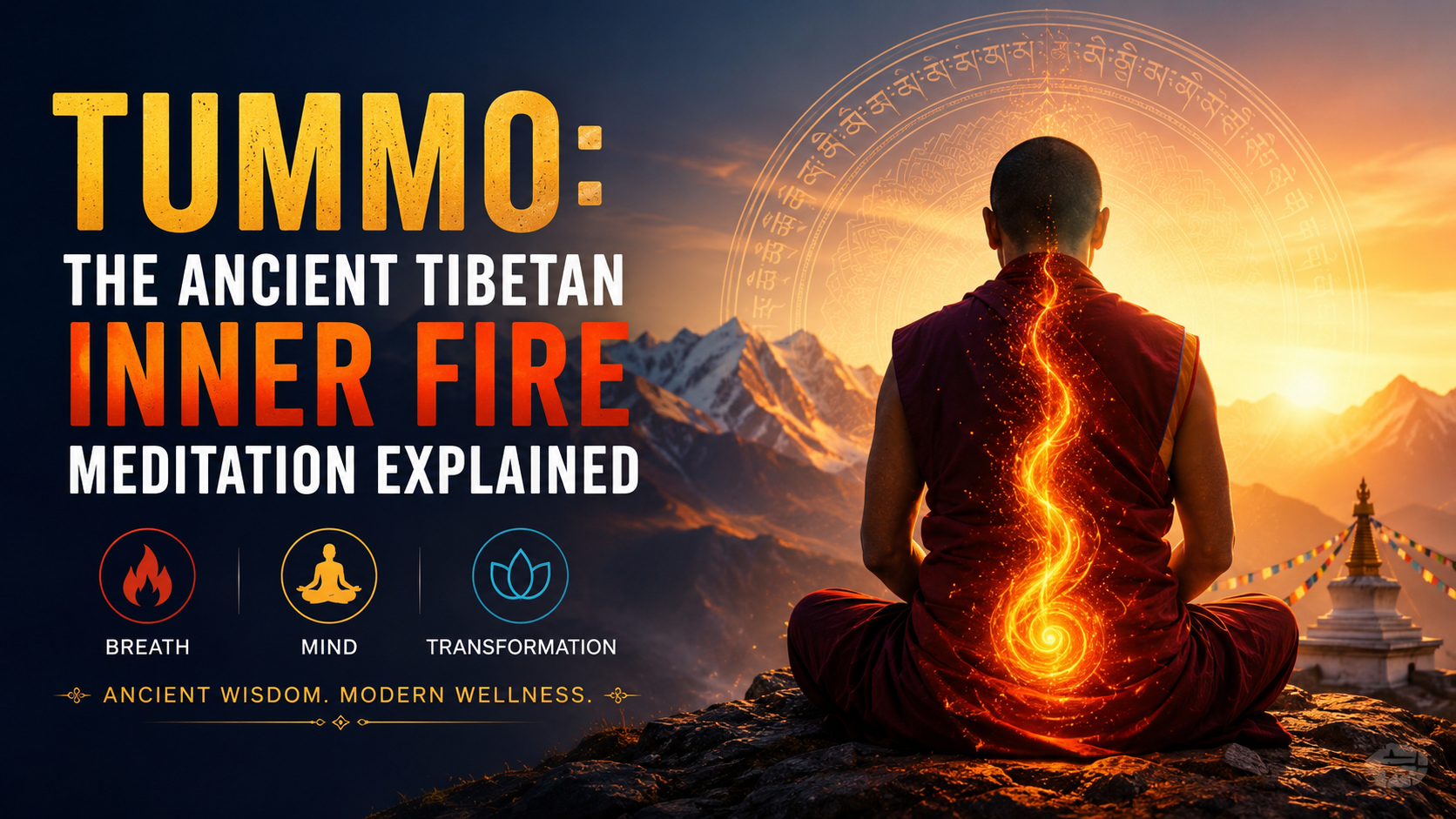
Tummo é uma das práticas de meditação mais fascinantes do budismo tibetano. Muitas vezes referida como a meditação do “fogo interior”, ela combina respiração controlada, visualização e concentração profunda para cultivar o calor interior, a clareza mental e a consciência espiritual. Embora as comunidades modernas de bem-estar tenham adotado o Tummo por seus potenciais benefícios para a saúde, suas origens estão nas tradições budistas seculares focadas no Iluminismo e não no desempenho físico.
Nos últimos anos, os cientistas também se interessaram pelo Tummo porque praticantes experientes parecem capazes de influenciar a temperatura corporal, as respostas ao estresse e a regulação emocional. Se você está curioso sobre meditação, respiração consciente ou práticas espirituais antigas, este guia explica tudo o que você precisa saber sobre o Tummo.
O que é Tummo? Compreender a antiga prática.
A palavra tummo (também escrita como G-Tummo) vem do tibetano e se traduz em “calor interior” ou “feroz mulher.” É uma das seis iogas de Naropa, um avançado sistema de meditação budista tibetana, projetado para despertar a sabedoria e transformar a consciência.
Ao contrário de muitos exercícios de respiração modernos que se concentram principalmente no relaxamento, o Tummo foi desenvolvido como uma profunda disciplina espiritual. Os praticantes acreditam nisso Ativa vias sutis de energia dentro do corpo enquanto fortalece a concentração e a consciência.
Histórias relacionadas
 Como o Yoga Sutra 1.1 me ajudou a começar minha jornada de prática consciente
 Cromoterapia: benefícios, cores, usos, segurança e ciências
Durante séculos, os monges tibetanos praticaram o tummo em mosteiros remotos das montanhas, muitas vezes demonstrando resiliência notável a temperaturas congelantes durante a meditação. Embora essas histórias tenham contribuído para sua popularidade, o objetivo final do Tummo sempre foi o crescimento espiritual e não produzir calor físico.
Hoje, o Tummo continua inspirando praticantes de meditação, neurocientistas e entusiastas do bem-estar em todo o mundo.
Entendendo a respiração do tummo e como funciona?
Uma das características definidoras deste sistema de meditação é a respiração Tummo, um método de respiração controlada, realizado juntamente com a visualização e atenção focada.
Em vez de simplesmente respirar fundo, os praticantes sincronizam a inalação, a retenção da respiração, o envolvimento muscular e as imagens mentais. Cada elemento suporta os outros, tornando a prática muito mais abrangente do que os exercícios de respiração comuns.

Uma sessão típica pode incluir:
- Inalação diafragmática lenta
- Retenção suave da respiração
- expiração controlada
- Visualização de uma chama interna
- Foco no movimento de energia em todo o corpo
O padrão de respiração varia de acordo com a tradição e o nível de experiência. Os iniciantes geralmente aprendem técnicas simplificadas antes de progredir para práticas avançadas sob orientação qualificada.

Estudos científicos sugerem que a respiração controlada pode influenciar temporariamente o sistema nervoso autônomo, ajudando a regular as respostas ao estresse enquanto Melhorar o foco e o corpo consciência.
O papel da meditação do Tummo no budismo tibetano.
Embora muitas pessoas se concentrem no aspecto da respiração, a meditação Tummo é fundamentalmente um sistema meditativo completo.(1)
A prática tradicional combina:
- atenção plena.
- concentração.
- Controle da respiração.
- Visualização.
- Treinamento de compaixão.
- contemplação espiritual.
Durante a meditação, os praticantes geralmente visualizam uma chama radiante no centro de energia do corpo abaixo do umbigo. Por meio da atenção sustentada, eles imaginam esse calor se expandindo por todo o corpo.(2)
O objetivo não é apenas criar calor, mas cultivar uma concentração inabalável que apoie estados mais profundos de meditação.
Os praticantes de longo prazo relatam frequentemente:
- Maior estabilidade emocional.
- Concentração melhorada.
- Aumento da atenção plena.
- Resiliência aprimorada.
- Uma sensação de paz interior mais forte.
Dentro do budismo tibetano, Tummo serve como preparação para práticas contemplativas ainda mais avançadas.
Um guia para iniciantes na técnica de respiração Tummo.
Embora o Tummo autêntico exija instruções formais, os iniciantes podem entender com segurança sua estrutura básica.
1. Escolha um espaço tranquilo.
Encontre um local tranquilo onde as interrupções sejam improváveis.
2. Sente-se confortavelmente.
Mantenha a coluna ereta enquanto permite que seus ombros relaxem naturalmente.
3. Concentre-se na respiração nasal lenta.
Respire profundamente em seu abdômen, em vez de em seu peito.
4. Faça uma pausa breve.
Prenda a respiração suavemente por um momento confortável sem se esforçar.
5. Expire lentamente.
Solte a respiração suavemente, mantendo a consciência.
6. Visualize o calor interior.
Imagine uma pequena chama brilhando na parte inferior do abdômen, espalhando gradualmente um calor suave por todo o corpo.
7 . Termine com calma.
Retorne à respiração normal antes de se levantar.
Novos praticantes devem evitar a retenção excessiva da respiração ou forçar o ritmo respiratório.
Benefícios respiratórios top tummo para a mente e o corpo.
O interesse pelos benefícios da respiração do Tummo aumentou porque tanto os ensinamentos tradicionais quanto as pesquisas científicas sugerem que isso pode influenciar positivamente o bem-estar físico e mental.(3)
Redução do estresse.
A respiração controlada ajuda a acalmar a sistema nervoso e estimula o relaxamento após estressante situações.
Foco aprimorado.
A meditação regular fortalece a atenção e reduz as distrações mentais.
Melhor regulação emocional.
A respiração consciente estimula uma maior consciência dos pensamentos e emoções, tornando mais fácil responder com calma.
Atenção plena.
Os praticantes geralmente se conectam mais com sua respiração, postura e estado mental geral.
Maior consciência corporal.
A meditação melhora a consciência das sensações físicas, incentivando padrões respiratórios mais saudáveis.
possível regulação da temperatura.
Estudos envolvendo praticantes experientes observaram aumentos mensuráveis na temperatura corporal periférica durante a meditação.
Melhora resiliência.
Muitos praticantes descrevem o sentimento Mentalmente mais forte e mais bem equipado para gerenciar Os desafios diários da vida.
Embora esses benefícios pareçam promissores, o Tummo deve complementar – não substituir – cuidados médicos ou tratamento profissional de saúde mental.
A respiração Tummo é perigosa? Segurança, riscos e precauções
Muitos iniciantes perguntam: Tummo respirar é perigoso?
Para adultos saudáveis, praticando exercícios de respiração simplificados com responsabilidade, a prática geralmente é bem tolerada. No entanto, o tummo autêntico é considerado uma disciplina avançada de meditação e não deve ser abordado casualmente.
Os riscos possíveis incluem:
- Hiperventilação.
- Tonturas.
- tontura.
- ansiedade temporária.
- Fadiga devido à retenção excessiva da respiração.
pessoas com o seguinte As condições devem consultar Um profissional de saúde antes de tentar o ar avançado:
- Doença cardíaca.
- pressão arterial elevada.
- Doença pulmonar crônica.
- Epilepsia.
- Distúrbios psiquiátricos graves.
Indivíduos grávidas também devem evitar práticas avançadas de retenção da respiração, a menos que sejam supervisionados por profissionais qualificados.
A abordagem mais segura é o aprendizado gradual com um instrutor experiente.
O que é a respiração do tummo? Tudo o que você precisa saber.
Muitas pessoas se perguntam exatamente o que é a respiração Tummo e como ela difere dos exercícios de respiração comuns.
Em sua essência, combina:
- Respiração consciente.
- retenção respiratória.
- Meditação.
- Visualização.
- concentração.
- Conscientização sobre energia.
A respiração em si é apenas um componente de uma prática espiritual muito maior.
Ao contrário dos exercícios de respiração projetados exclusivamente para relaxar, Tummo busca integrar o corpo, a respiração e a mente em uma única experiência meditativa.
Seu objetivo é cultivar a sabedoria, a compaixão e a consciência intensificada, em vez de simplesmente aumentar a resistência física ou a temperatura corporal.
Tummo Breathing vs Wim Hof: Qual é a diferença?
comparações entre Tummo respirando vs Wim Hof São comuns porque ambos envolvem respiração controlada e alegações de resiliência aprimorada.
| característica | tummo | Método Wim Hof |
|---|---|---|
| origem | Budismo tibetano | Sistema de respiração moderno |
| Objetivo principal | Despertar espiritual | Resiliência física e bem-estar |
| visualização | extenso | mínimo |
| meditação | prática básica | incluído |
| retenção de respiração | sim | sim |
| exposição ao frio | opcional | essencial |
| fundo histórico | séculos de idade | contemporâneo |
Embora o método Wim Hof tenha sido inspirado em parte por antigas tradições respiratórias, ele evoluiu para seu próprio sistema de bem-estar, enfatizando a exposição ao frio e o desempenho físico.
Tummo permanece profundamente enraizado na filosofia e meditação budista.
Onde encontrar um vídeo confiável para aprender Tummo para aprender.
Assistir a um vídeo de respiração Tummo pode ajudar os iniciantes a entender a postura, o ritmo respiratório e as técnicas de meditação antes de praticar.
Ao escolher o conteúdo educacional, considere estas dicas:
- Aprenda com professores experientes de meditação.
- Escolha vídeos que explicam as precauções de segurança.
- Evite demonstrações sensacionais que priorizem o entretenimento em detrimento da educação.
- Lembre-se de que os vídeos não podem substituir a instrução individualizada.
Se você decidir buscar um Tummo autêntico, a orientação estruturada de instrutores qualificados é sempre preferível a depender exclusivamente de conteúdo online.
Como fazer o Tummo Respiração passo a passo?
Se você estiver interessado em explorar essa prática com segurança, siga uma abordagem gradual.
Prepare o seu ambiente.
Escolha um local tranquilo com o mínimo de distrações.
Mantenha uma boa postura.
Sente-se ereto com os ombros relaxados e uma coluna alinhada.
Pratique a respiração calma.
Inspire lentamente pelo nariz enquanto expande o abdômen.
Foque sua mente.
Direcione sua atenção para o ritmo natural da sua respiração.
Adicione uma visualização suave.
Imagine uma luz quente crescendo constantemente na parte inferior do abdômen.
Mantenha as sessões curtas.
Pratique por 5 a 10 minutos antes de aumentar gradualmente o tempo de meditação.
Evite o excesso de esforço.
Nunca force a retenção da respiração ou continue se você se sentir tonto.
buscar instruções adequadas.
O Tummo autêntico é tradicionalmente ensinado por professores de meditação qualificados que fornecem orientação personalizada e garantem uma progressão segura.
Perguntas frequentes.
1. Os iniciantes podem praticar o tummo?
Sim, os iniciantes podem aprender a meditação básica e meditação da respiração, mas o tummo autêntico deve ser aprendido sob orientação qualificada.
2. O tummo realmente aumenta a temperatura corporal?
Pesquisas envolvendo praticantes experientes demonstraram aumentos mensuráveis na temperatura corporal periférica durante a meditação, embora os resultados individuais variem.
3. Tummo é uma prática religiosa?
O Tummo se origina no budismo tibetano, mas muitas pessoas exploram suas técnicas de respiração e meditação a partir de uma perspectiva secular de bem-estar.
4. Com que frequência os iniciantes devem praticar?
Começar com 5 a 10 minutos várias vezes por semana é uma abordagem segura antes de aumentar a duração.
5. O Tummo pode substituir o tratamento médico?
não Tummo é uma prática complementar de meditação e nunca deve substituir o atendimento médico profissional.
Considerações finais.
Tummo é muito mais do que um exercício de respiração - é uma tradição de meditação antiga que combina respiração, visualização, concentração e atenção plena em um Sistema poderoso de transformação interior. Embora sua reputação de gerar “calor interior” tenha atraído a atenção mundial, seu objetivo mais profundo é cultivar sabedoria, equilíbrio emocional e consciência espiritual.
A pesquisa moderna continua a explorar seus efeitos fascinantes sobre o estresse, o foco e a regulação fisiológica, mas o maior valor do Tummo pode estar na sua capacidade de fortalecer a conexão entre a mente e o corpo. Se você estiver interessado em aprender essa prática, comece devagar, priorize a segurança e busque orientação de professores experientes. Com paciência e prática consistente, o Tummo pode se tornar uma adição significativa a um estilo de vida consciente e equilibrado.
+3 de fontes
A FreaktoFit tem diretrizes rígidas de sourcing e conta com estudos revisados por pares, institutos de pesquisa educacional e organizações médicas. Evitamos o uso de referências terciárias. Você pode aprender mais sobre como garantimos que nosso conteúdo seja preciso e atualizado, lendo nosso política editorial.
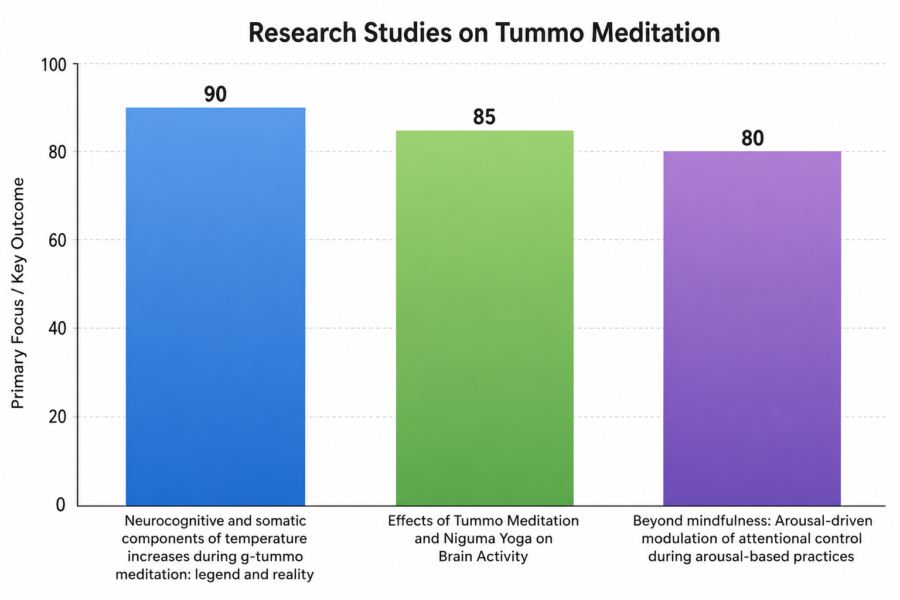
- Os componentes neurocognitivos e somáticos dos aumentos de temperatura durante a meditação G-Tummo: lenda e realidade; https://pubmed.ncbi.nlm.nih.gov/23555572/
- Efeitos da meditação Tummo e Niguma Yoga na atividade cerebral; https://pmc.ncbi.nlm.nih.gov/articles/PMC12679118/
- Além da atenção plena: modulação de atenção orientada para a excitação durante as práticas baseadas na excitação; https://pmc.ncbi.nlm.nih.gov/articles/PMC9559070/