
















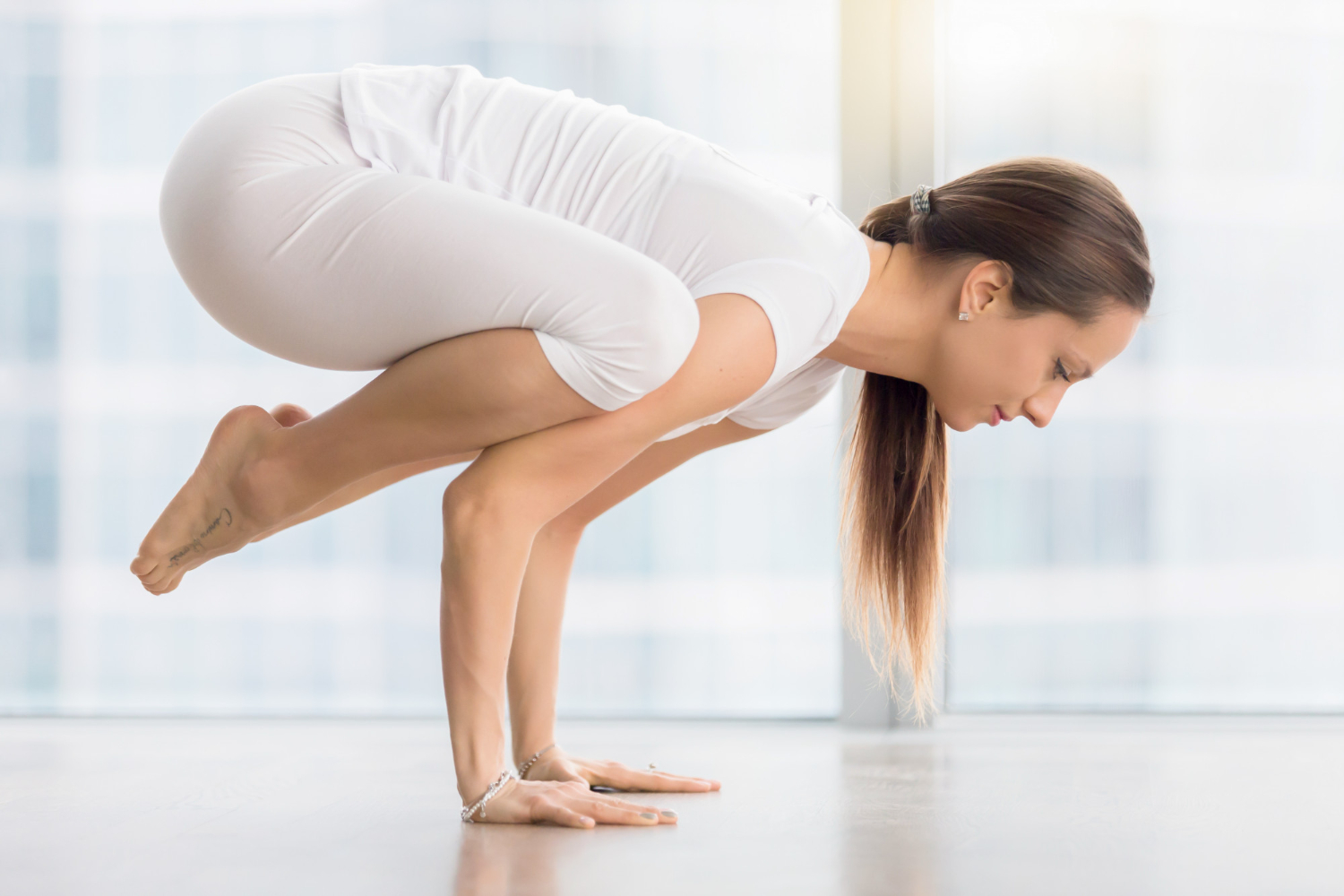
O yoga para poses de galinhas é uma variação desafiadora, mas acessível, do equilíbrio do braço que pode ajudar os iniciantes a desenvolver a força, a coordenação, a confiança e as habilidades de mudança de peso necessárias para um equilíbrio mais avançado de braços de ioga.
Se você já olhou para a pose do corvo e pensou: “Acho que não estou pronto para tirar os dois pés completamente do chão”, Baby Crow pode ser um trampolim útil.
A pose é frequentemente praticada com os joelhos posicionados no alto ou perto dos braços, enquanto os pés permanecem mais próximos do solo ou são levantados apenas brevemente. No entanto, a terminologia não é completamente padronizada em comunidades de ioga, portanto, “Baby Crow” pode descrever variações ligeiramente diferentes, dependendo do professor ou da escola.
Isso é importante porque o corvo bebê não é um nome de pose sânscrito universalmente padronizado. Geralmente é usado como um termo informal de ensino para uma variação de corvo modificada para iniciantes ou amigáveis.
Histórias relacionadas
 Atha Yoga Anushasanam: significado, benefícios e como fazer
 Buddhi Mudra: benefícios, efeitos colaterais, como fazer e precauções
O movimento subjacente está relacionado aos equilíbrios tradicionais de corvo/grua de guindastes. O corvo é comumente ensinado como um equilíbrio intermediário do braço que requer transferência de peso para as mãos, controle do tronco e Equilíbrio em vez de simplesmente força do braço bruto.
Como suas mãos e pulsos suportam uma parte significativa do peso do seu corpo, a técnica é importante. um Iniciante não deve se apressar na pose Simplesmente porque parece pequeno ou fácil.
isto Guia explica o que o corvo bebê posou É como abordá-lo com segurança, quais músculos estão envolvidos, erros comuns, modificações, progressões e quando evitar a pose.
O que é pose do corvo bebê?
O corvo bebê é geralmente considerado uma preparação modificada para a pose do corvo.
Em vez de tentar equilibrar-se imediatamente com os dois pés flutuando completamente para longe do chão, o praticante trabalha:
- Colocando as mãos corretamente
- Posicionar os joelhos nos braços
- Mudando o peso para a frente
- Ativando o núcleo
- Desenvolvendo a força do punho e do ombro
- Aprendendo como é o equilíbrio
Um dos maiores desafios do Crow não é simplesmente a força do braço. É entender como deslocar o centro de massa sobre as mãos sem se assustar com a possibilidade de avançar.

O corvo bebê pode tornar esse processo de aprendizado menos intimidante.
Pense nisso como um exercício de capacitação, em vez de um pose que você precisa dominar imediatamente.
O corvo do bebê é o mesmo que a pose do corvo?
Não necessariamente.
Os nomes usados para balanceamentos de braço podem variar consideravelmente entre as tradições de ioga.
Em muitas classes modernas:
- Pose do corvo refere-se a uma versão do braço dobrado.
- Crane Pose refere-se a uma versão de braço reto.
No entanto, alguns professores usam os nomes em sânscrito de forma diferente, e “Baby Crow” geralmente é uma variação informal e não um asana universalmente definida.
Portanto, se o seu instrutor demonstrar uma configuração de corvo de bebê ligeiramente diferente, isso não significa necessariamente que uma versão está errada.
O importante é entender o movimento pretendido e praticá-lo com segurança.
O que torna o corvo bebê desafiador?
À primeira vista, o corvo bebê pode parecer principalmente um exercício de braço.
não é.
Um equilíbrio de braço bem-sucedido requer coordenação entre várias áreas do corpo.
Mãos e pulsos.
Suas mãos fornecem a base.
Você precisa de tolerância suficiente do pulso e Força para sustentar seu corpo Peso enquanto os pulsos estão estendidos.
antebraços.
Os músculos do antebraço ajudam a estabilizar o pulso e a manter a pressão através das mãos.
ombros.
Seus ombros precisam permanecer ativos em vez de cair em direção ao chão.
Núcleo.
Os músculos abdominais e do tronco ajudam a manter sua Compacte o corpo e previna seus quadris de cair.
quadris.
A mobilidade do quadril ajuda a colocar os joelhos em uma posição adequada.
Coxas internas.
Apertar as pernas em direção à linha média do corpo pode ajudar a criar estabilidade.
equilíbrio.
Em última análise, a pose é um problema de coordenação.
Você precisa encontrar o ponto em que seu centro de massa está posicionado adequadamente sobre suas mãos.
A pose do corvo é descrita como uma grande base para a distribuição de peso e o controle do centro da gravidade, não simplesmente força do braço.
Benefícios da pose do corvo do bebê.
Como o corvo do bebê é um equilíbrio de braço modificado, muitos de seus benefícios potenciais estão relacionados à força, coordenação, equilíbrio e consciência corporal.
No entanto, é Importante distinguir os potenciais benefícios do treinamento de reivindicações médicas.
Não há evidências clínicas fortes que mostrem especificamente que o corvo bebê Trata ou previne uma doença.
1. Construa a força da parte superior do corpo.
Apoiando o seu O corpo através de suas mãos requer ativo Engajamento de:
- pulsos
- antebraços
- ombros
- braços
À medida que você progride, esses tecidos precisam se acostumar com a carga de rolamento.
canto do galo A pose é comumente descrita como um fortalecimento Os pulsos, antebraços, braços e região abdominal.
2. Desafia a estabilidade do núcleo.
Seus músculos abdominais não estão simplesmente lá para criar um pacote de seis visibilidade.
Durante um equilíbrio do braço, o tronco precisa permanecer organizado enquanto a parte inferior do corpo se afasta de sua posição normal.
Isso pode tornar o Baby Crow uma adição útil a uma rotina mais ampla de treinamento do núcleo.
3. Melhora o equilíbrio.
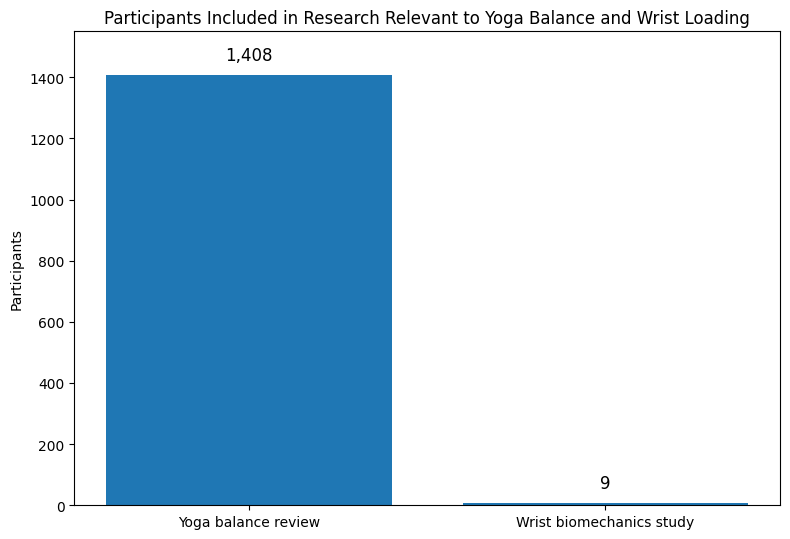
O corvo do bebê exige que você encontre e mantenha um ponto de equilíbrio específico.(1)
Pequenos ajustes em seu:
- dedos
- pulsos
- ombros
- quadris
- pés
Pode mudar o seu centro de massa.
Aprender esses ajustes pode melhorar a consciência corporal.
4. Desenvolve coordenação.
A pose requer várias ações ao mesmo tempo.(2)
Você precisa:
- Pressione as mãos.
- Ative seus ombros.
- Coloque os joelhos em posição.
- Mude seu peso para a frente.
- Ative seu tronco.
- Controle seus pés.
Isso faz do Baby Crow um exercício de coordenação útil.
5. Construa confiança.
Os equilíbrios dos braços podem inicialmente parecer intimidantes.
Praticar uma versão modificada permite que você experimente Transferência de peso gradualmente.
Em vez de pensar “tenho que executar o corvo”, você pode se concentrar em conquistas menores:
- Levantando os joelhos
- Mudando mais peso para a frente
- Levantando um pé
- segurando por uma respiração
- retornando com segurança
Esses pequenos marcos podem tornar o processo de aprendizado mais gerenciável.
Como fazer pose de corvo bebê passo a passo?
Como o Baby Crow não possui uma técnica universalmente padronizada, use a versão do professor se estiver participando de uma aula.
O seguinte é uma abordagem conservadora para iniciantes.
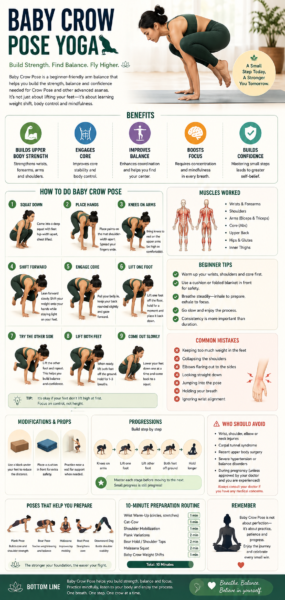
Passo 1: Aquecimento.
Não comece com o equilíbrio do braço quando seus pulsos e ombros estiverem completamente frios.
Passe alguns minutos se preparando com o Gentle:
- círculos de pulso
- trechos de palma
- vaca-gato
- movimentos dos ombros
- Variações de prancha
- agachamento
Um artigo clínico sobre a pose do corvo também recomenda o aquecimento dos pulsos, ombros, quadris e núcleo antes de praticar o equilíbrio do braço.
Passo 2: Faça um agachamento.
Fique de pé com os pés confortavelmente separados.
Abaixe-se em um agachamento profundo.
Se seus calcanhares não alcançarem confortavelmente o chão, não os force.
Passo 3: Coloque as mãos.
Coloque as palmas das mãos no tapete com aproximadamente ombros separados.
Abra os dedos.
Em vez de permitir que toda a pressão fique na parte de trás da mão, pressione ativamente os dedos e as pontas dos dedos.
Isso lhe dá um maior controle.
Passo 4: Posicione os joelhos.
Traga os joelhos em direção aos braços.
A posição exata depende da sua anatomia e da variação que você está praticando.
Não force seus joelhos agressivamente em suas axilas.
Passo 5: Desloca-se para a frente.
Esta é a parte mais importante.
Mova gradualmente os ombros para a frente.
Muitos iniciantes têm medo de cair e, portanto, Mantenha o peso deles Muito atrás de suas mãos.
O corvo requer uma mudança de peso para a frente apropriada para permitir que os pés se tornem mais leves.
Etapa 6: mantenha seu núcleo ativo.
Desenhe seus músculos abdominais para dentro.
Pense em deixar seu corpo compacto em vez de deixar os quadris caírem.
Passo 7: Mantenha o olhar adiante.
Não olhe diretamente entre os pés.
Um olhar para frente pode ajudá-lo a manter sua Equilibre e evite Desabando com a cabeça em direção ao chão.
Passo 8: Levante um pé.
Em vez de levantar os dois imediatamente, tente levantar um pé por um momento.
Devolva-o ao chão.
Repita do outro lado.
Isso ensina como a mudança de peso se sente.
Passo 9: Experimente os dois pés.
Quando estiver confortável, você pode experimentar levantar brevemente os dois pés.
Você não precisa segure a pose por muito tempo.
Um segundo controlado é mais útil do que uma espera de cinco segundos alcançada por meio de uma técnica ruim.
Por quanto tempo você deve segurar o corvo bebê?
Não existe uma duração ideal universal.
Se você está aprendendo o movimento, comece com:
1–3 respirações
À medida que sua técnica melhora, você pode trabalhar gradualmente para retenções mais longas.
A qualidade importa mais do que a duração.
Se seus pulsos começarem a doer ou seus ombros perderem a estabilidade, desça.
Corvo bebê para iniciantes completos.
Se você nunca realizou um equilíbrio no braço, não comece tentando flutuar os dois pés.
Em vez disso, use esta progressão:
Nível 1.
Mãos no tapete + joelhos posicionados nos braços.
Nível 2.
mudança peso para a frente sem levantar os pés.
Nível 3.
Levante um pé.
Nível 4.
pés alternados.
Nível 5.
Levante brevemente os dois pés.
Nível 6.
Segure o corvo do bebê por várias respirações controladas.
Nível 7.
Progresso em direção à variação preferida do corvo completo.
Essa abordagem gradual permite que você aprenda o movimento em vez de simplesmente jogar seu corpo para frente.
Pose do corvo do bebê com um bloco.
Um bloco de ioga pode ser útil para iniciantes.
Coloque um bloco sob os pés enquanto pratica a configuração.
Isso pode reduzir a distância que você cadáver Precisa viajar e ajudá-lo a entender a posição.
Você também pode usar blocos estrategicamente para praticar a mudança de peso.
No entanto, não coloque objetos instáveis sob sua cabeça ou use equipamentos que possam se mover inesperadamente.
Use uma almofada à sua frente.
O medo de cair é extremamente comum ao aprender o equilíbrio dos braços.
Um cobertor ou almofada dobrado colocado à sua frente pode fazer com que a prática pareça menos intimidante.
Não torna a pose sem riscos, mas fornece um pouso mais suave área se você perder equilíbrio.
Isso também é recomendado em orientação geral sobre segurança de poses de corvo.
Erros comuns de pose de corvos.
Erro 1: manter muito peso nos pés.
Se você tem pavor de cair, talvez nunca desloque peso suficiente para as mãos.
Pratique o balanço para frente controlado.
Erro 2: desmoronar os ombros.
Não permita que seus ombros afundem passivamente em direção ao chão.
Pense em empurrar ativamente o chão para longe.
Erro 3: deixando os cotovelos brilharem.
Permitir que os cotovelos se movam excessivamente para fora pode comprometer sua posição e aumentar o estresse nos pulsos.
Manter os braços devidamente organizados é uma parte importante da técnica do corvo.
Erro 4: Olhando direto para baixo.
Deixar cair a cabeça pode mudar o equilíbrio.
Mantenha um olhar confortável para a frente.
Erro 5: esquecendo os dedos.
Seus dedos não estão apenas para o passeio.
Pressione-os e use-os para fazer pequenas correções de equilíbrio.
Erro 6: tentando pular na pose.
Não pule agressivamente.
Uma mudança de peso controlada é muito mais fácil de aprender do que saltar os pés repetidamente em direção às mãos.
Erro 7: prendendo a respiração.
A respiração normalmente ajuda você a permanecer relaxado.
Não prenda a respiração simplesmente porque você está se concentrando.
Corvo bebê vs corvo completo.
O corvo do bebê geralmente é usado como uma variação preparatória ou modificada.
Full Crow requer maior confiança em:
- Transferência de peso
- Carregamento do pulso
- Estabilidade do ombro
- Controle de núcleo
- contrapartida
A progressão não precisa acontecer rapidamente.
Algumas pessoas podem desenvolver as habilidades necessárias em semanas, enquanto outras precisam consideravelmente mais.
Sua anatomia, experiência anterior em treinamento, mobilidade, força e frequência de prática influenciam a rapidez com que você progride.
Pose do corvo bebê vs guindaste.
Esses nomes são frequentemente confusos.
Uma distinção comumente usada é:
corvo: Os cotovelos permanecem mais dobrados.
Guindaste: Os braços são mais retos.
O guindaste geralmente requer maior controle e força porque os braços se aproximam de uma posição mais reta.
Mas as convenções de nomenclatura variam entre as escolas de ioga.
Se você está aprendendo com um professor, siga sua terminologia e técnica.
Quem deve evitar a pose do corvo bebê?
O corvo bebê coloca uma carga substancial nas mãos e nas extremidades superiores.
Tenha cuidado ou evite a pose se tiver:
- Dor atual no pulso
- Lesão no pulso
- Lesão no ombro
- Lesão do cotovelo
- Sintomas do túnel do carpo
- Problemas significativos nas mãos ou nos dedos
- Cirurgia recente do corpo
- Certas condições de pescoço ou equilíbrio
A orientação médica é particularmente importante se você estiver se recuperando de uma lesão.
A orientação de segurança da pose do corvo identifica especificamente problemas no pulso, ombro e túnel do carpo, conforme Motivos para evitar a pose ou busque orientação adequada.
Gravidez.
A gravidez requer considerações de exercício individualizadas.
Como o corvo bebê é um equilíbrio do braço com uma possível queda para a frente, não deve ser introduzido casualmente durante a gravidez.
Se você está grávida e já experiente com balanceamentos de braço, discuta sua prática com seu profissional de saúde obstétrico e um instrutor de ioga pré-natal devidamente treinado.
E se seus pulsos doerem?
Não assuma automaticamente o desconforto do pulso é algo que você deve “empurrar”.”
Pare e avalie.
Você pode tentar:
- Reduzindo a duração
- Melhorando o posicionamento das mãos
- Aquecimento primeiro
- Praticando uma variação menos exigente
- Usando um exercício diferente temporariamente
Se a dor persistir fora da prática ou interferir nas atividades normais, procure uma avaliação de um profissional de saúde qualificado.
Dor, dormência ou formigamento não devem ser ignorados.
Exercícios que podem ajudá-lo a se preparar.
Se o corvo do bebê se sentir difícil, você não precisa necessariamente praticar o corvo do bebê repetidamente.
Construa os componentes separadamente.
prancha.
Desenvolve a força do ombro e do tronco.
urso segure.
Ensina o peso através das mãos, mantendo os joelhos próximos ao chão.
Condicionamento do pulso.
O fortalecimento suave do pulso e o trabalho de mobilidade podem ajudar a preparar você para o suporte de peso.
Malasana.
Um agachamento profundo pode ajudá-lo a se sentir confortável com a posição da parte inferior do corpo usada em muitas configurações de corvo.
Pose do barco.
Desafia a força e o controle do tronco.
Puxações escapulares.
Pode ajudá-lo a desenvolver a consciência e a força ao redor das omoplatas.
Esses exercícios não garantem que você domine o corvo do bebê, mas pode desenvolver qualidades físicas relevantes.
Uma rotina de preparação do corvo do bebê de 10 minutos.
Experimente isso antes da prática de equilíbrio do braço:
1 minuto: Círculos de pulso e movimentos suaves do pulso
1 minuto: vaca-gato
1 minuto: Mobilidade do ombro
2 minutos: Variações de prancha
2 minutos: Torneiras para ombros de urso ou de urso
2 minutos: prática de malasana
1 minuto: turnos de peso do corvo do bebê
O objetivo não é se esgotar.
você quer o suficiente Preparação para se sentir quente e controlado sem cansar os músculos que você precisa para o equilíbrio do braço.
Com que frequência você deve praticar?
Você não precisa Pratique o corvo do bebê a cada dia.
Para iniciantes, 2 a 4 práticas curtas Sessões por semana Pode ser um ponto de partida razoável se seus pulsos e ombros tolerarem a carga.
Evite praticar repetidamente até o fracasso.
Algumas tentativas de alta qualidade geralmente são preferíveis a dezenas de tentativas apressadas.
O corvo do bebê é bom para a força do núcleo?
Pode desafiar o núcleo, principalmente porque seu tronco precisa permanecer controlado enquanto seu corpo se equilibra sobre as mãos.
No entanto, o corvo bebê não deve ser seu único exercício principal.
Um programa completo pode incluir:
- pranchas
- carrega
- agachamento
- Bugs mortos
- cães de pássaro
- anti -exercícios de rotação
- Outras poses de ioga
Isso fornece uma gama mais ampla de demandas de treinamento de troncos.
O corvo do bebê ajuda na perda de peso?
não diretamente.
O corvo do bebê é um exercício relativamente curto e focado em habilidades.
Pode contribuir para um estilo de vida ativo, mas não deve ser comercializado como um tratamento para queima de gordura ou perda de peso.
Se o seu objetivo é a redução da gordura corporal, concentre-se no quadro mais amplo:
- nutrição adequada
- Atividade física regular
- treinamento de força
- atividade cardiovascular
- sono adequado
- Consistência a longo prazo
Pose do corvo do bebê e foco mental.
Os equilíbrios dos braços exigem concentração.
Você deve prestar atenção a:
- pressão da mão
- respiração
- olhar
- posição do ombro
- Colocação do joelho
- contrapartida
Isso pode tornar a prática mentalmente envolvente.
No entanto, evite fazer afirmações exageradas de que o corvo do bebê trata a ansiedade, a depressão ou outras condições de saúde mental.
A ioga pode fazer parte de uma rotina saudável de corpo, mas as condições de saúde mental merecem um cuidado profissional adequado.
Como saber que você está pronto para o Corvo Completo?
Você não precisa atender a uma lista de verificação rígida.
No entanto, você pode estar mais bem preparado quando puder:
- Tenha peso confortavelmente através de suas mãos.
- Realize pranchas com ombros controlados.
- Mude seu peso para frente sem pânico.
- Levante um pé de cada vez.
- Manter a respiração controlada.
- Pratique sem dor no pulso ou no ombro.
- Retorne ao chão com segurança.
A capacidade de executar o corvo do bebê não significa automaticamente que você está pronto para cada variação do corvo ou do guindaste.
Progredir uma habilidade de cada vez.
Perguntas frequentes.
1. A pose do corvo do bebê é boa para iniciantes?
Pode ser uma introdução útil ao balanceamento de braços, pois permite praticar a mudança de peso e o posicionamento do corpo antes de tentar uma variação mais exigente.
2 . O corvo do bebê é mais fácil do que a pose do corvo?
Geralmente, uma variação modificada do corvo do bebê tem como objetivo ser mais fácil porque reduz a demanda de equilíbrio. No entanto, a dificuldade depende da versão específica que está sendo ensinada.
3. Quais músculos o corvo do bebê funciona?
Ele pode engatar os pulsos, antebraços, braços, ombros, músculos abdominais, parte superior das costas, quadris e coxas, enquanto desafia o equilíbrio de todo o corpo.
4. Por que não consigo levantar os pés no corvo bebê?
Você pode ainda não estar deslocando peso suficiente para suas mãos ou pode precisar de mais prática com o pulso, ombro, quadril ou controle do núcleo. Não force o elevador.
5. Meus joelhos devem tocar minhas axilas?
Não necessariamente. A colocação do joelho varia de acordo com a variação e sua anatomia. Concentre-se em uma posição estável e controlada, em vez de forçar seus joelhos a um local específico.
6. Por que meus pulsos doem durante o corvo bebê?
Os balanceamentos dos braços colocam uma carga substancial nos pulsos. Posicionamento ruim, preparação insuficiente, prática excessiva ou um problema subjacente no punho podem contribuir para o desconforto. Pare se sentir dor e procure aconselhamento profissional se persistir.
7 Posso praticar o corvo bebê todos os dias?
Você pode praticar a habilidade com frequência se seu corpo a tolerar, mas as tentativas diárias de alto volume não são necessárias. Dê aos seus pulsos e ombros uma recuperação adequada.
8. O corvo do bebê pode me ajudar a aprender a pose do corvo?
Sim, uma progressão de corvo de bebê bem desenhada pode ajudá-lo a praticar a mudança de peso, posicionamento das mãos, posicionamento do joelho e equilíbrio - todas as habilidades relevantes para o corvo.
linha de fundo.
Baby Crow Pose Yoga pode ser um importante trampolim para as pessoas que aprendem o equilíbrio dos braços. Em vez de tratá-lo como um teste de força bruta, aborde-o como uma combinação de equilíbrio, coordenação, mobilidade, consciência corporal e transferência de peso controlada.
Comece com um aquecimento completo, pratique variações de um pé, mude seu peso gradualmente e mantenha o olhar estável. Uma almofada à sua frente também pode tornar o processo de aprendizado menos intimidante.
Mais importante, não force a pose. Os equilíbrios dos braços do tipo corvo colocam uma carga significativa nos pulsos, braços e ombros, portanto, lesões existentes ou dor persistente devem ser levadas a sério.
Você não precisa dominar o corvo de bebê em uma sessão. A prática consistente e tecnicamente controlada é muito mais valiosa do que cair repetidamente na tentativa de tirar os pés do chão.
+2 de fontes
A FreaktoFit tem diretrizes rígidas de sourcing e conta com estudos revisados por pares, institutos de pesquisa educacional e organizações médicas. Evitamos o uso de referências terciárias. Você pode aprender mais sobre como garantimos que nosso conteúdo seja preciso e atualizado, lendo nosso política editorial.
- Efeito do yoga no equilíbrio, quedas e metabolismo ósseo: uma revisão sistemática de ensaios clínicos randomizados em indivíduos saudáveis; https://pubmed.ncbi.nlm.nih.gov/39607489/
- Ângulos e forças articulares nas estruturas do punho durante as variações das poses de ioga; https://commons.nmu.edu/isbs/vol38/iss1/76/