




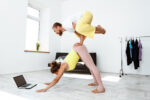









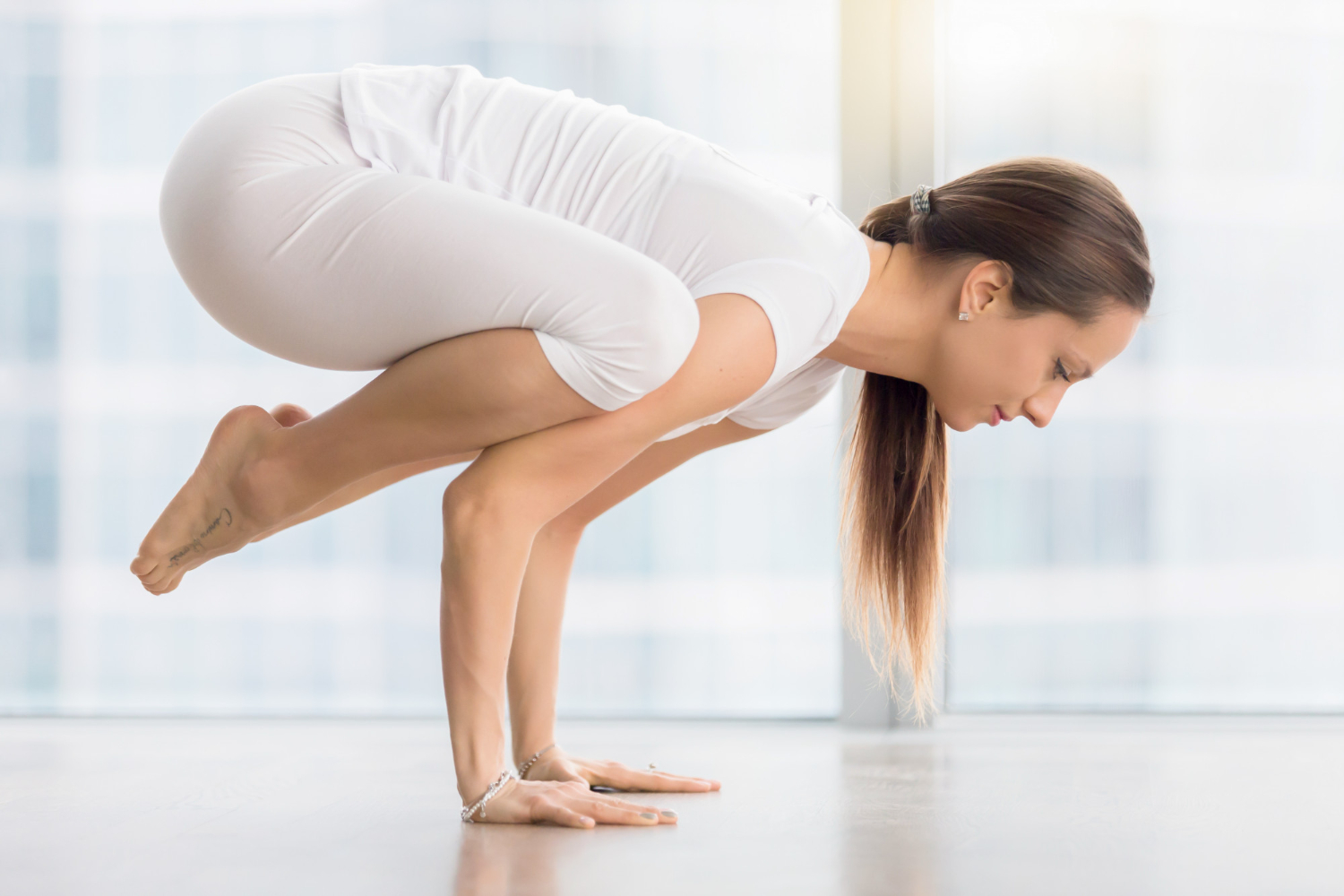
تعد Baby Crow Pose Yoga تحديًا صعبًا ولكنه ودود في توازن الذراع يمكن أن يساعد المبتدئين على تطوير القوة والتنسيق والثقة ومهارات تغيير الوزن اللازمة لموازين ذراع اليوجا الأكثر تقدمًا.
إذا نظرت إلى Crow Pose وفكرت يومًا ، “لا أعتقد أنني مستعد لإخراج كلتا القدمين تمامًا من الأرض” ، يمكن أن يكون Baby Crow نقطة انطلاق مفيدة.
غالبًا ما يتم ممارسة الوضع مع وضع الركبتين عالياً على أو بالقرب من أعلى الذراعين بينما تظل القدمان أقرب إلى الأرض أو يتم رفعها لفترة وجيزة فقط. ومع ذلك ، فإن المصطلحات ليست موحدة تمامًا عبر مجتمعات اليوجا ، لذلك قد يصف “Baby Crow” اختلافات مختلفة قليلاً اعتمادًا على المعلم أو المدرسة.
هذا مهم لأن Baby Crow ليس اسمًا سنسكريتيًا موحدًا عالميًا. يستخدم بشكل عام كمصطلح تعليمي غير رسمي لتنوع الغراب الصديق للمبتدئين أو المعدل.
قصص ذات صلة
 6 اليوغا أساناس فعالة لأمراض الجلد أو مشاكل الجلد
 6 أفضل وضعية لتقوية اليوجا لتحسين الوضعية
ترتبط الحركة الأساسية بموازين ذراع الغراب / الرافعة التقليدية. يتم تدريس الغراب بشكل شائع على أنه توازن ذراع وسيط يتطلب نقل الوزن إلى اليدين والتحكم في الجذع و التوازن بدلاً من مجرد قوة الذراع الغاشمة.
نظرًا لأن يديك ومعصميك يدعمان جزءًا كبيرًا من وزن جسمك ، فإن التقنية مهمة. أداة تعريف إنج لا يجب أن يتسرع المبتدئ في الوضع ببساطة لأنها تبدو صغيرة أو سهلة.
هذه يشرح الدليل ما الذي يشكله الطفل الغراب هو ، كيفية التعامل معها بأمان ، ما هي العضلات المتورطة ، والأخطاء الشائعة ، والتعديلات ، والتقدم ، ومتى يجب تجنب الوضع.
ما هو وضع الطفل الغراب؟
يعتبر Baby Crow عمومًا تحضيرًا معدلًا لوضع الغراب.

بدلاً من محاولة التوازن على الفور مع طفو القدمين تمامًا بعيدًا عن الأرض ، يعمل الممارس على:
- وضع اليدين بشكل صحيح
- وضع الركبتين على الجزء العلوي من الذراعين
- تحويل الوزن إلى الأمام
- تفعيل النواة
- تطوير قوة المعصم والكتف
- تعلم كيف يشعر التوازن
أحد أكبر التحديات في الغراب ليس مجرد قوة الذراع. إنه فهم كيفية تحويل مركز كتلتك على يديك دون أن تخاف من إمكانية الميل للأمام.

يمكن أن يجعل Baby Crow عملية التعلم هذه أقل ترويعًا.
فكر في الأمر على أنه أ تمرين بناء المهارات, ، بدلاً من أ وضع تحتاج إلى إتقان على الفور.
هل الطفل الغراب هو نفسه وضع الغراب؟
ليس بالضرورة.
يمكن أن تختلف الأسماء المستخدمة في موازين الذراع بشكل كبير بين تقاليد اليوجا.
في كثير من الطبقات الحديثة:
- يشير Crow Pose إلى نسخة منحنية.
- يشير وضع الرافعة إلى نسخة أكثر استقامة.
ومع ذلك ، يستخدم بعض المعلمين الأسماء السنسكريتية بشكل مختلف ، و “Baby Crow” بشكل عام هو اختلاف غير رسمي وليس Asana محددًا عالميًا.
لذلك إذا أظهر مدرسك إعدادًا مختلفًا قليلاً لـ Baby Crow ، فهذا لا يعني بالضرورة أن إصدارًا واحدًا خاطئ.
المهم هو فهم الحركة المقصودة وممارستها بأمان.
ما الذي يجعل الطفل الغراب تحديا؟
للوهلة الأولى ، قد يبدو أن الطفل الغراب هو في الغالب تمرين للذراع.
ليس كذلك.
يتطلب توازن الذراع الناجح التنسيق بين عدة مناطق من الجسم.
اليدين والمعصمين.
يديك توفر الأساس.
أنت بحاجة إلى تسامح معصم معصم و القوة لدعم جسمك الوزن بينما يتم تمديد الرسغين.
الساعدين.
تساعد عضلات الساعد على تثبيت الرسغ والحفاظ على الضغط من خلال اليدين.
أكتاف.
يجب أن تظل كتفيك نشطة بدلاً من الانهيار نحو الأرض.
جوهر.
تساعد عضلات البطن والجذع على الحفاظ على جسم مضغوط ومنع الوركين من السقوط.
الوركين.
تساعدك حركة الورك على وضع الركبتين في وضع مناسب.
الفخذين الداخليين.
يمكن أن يساعد الضغط على الساقين باتجاه خط الوسط في الجسم في خلق الاستقرار.
التوازن.
في النهاية ، الوضع هو مشكلة تنسيق.
تحتاج إلى العثور على النقطة التي يتم فيها وضع مركز الكتلة بشكل مناسب على يديك.
يوصف Crow Pose بأنه يعتمد بشكل كبير على توزيع الوزن والتحكم في مركز الجاذبية ، وليس مجرد قوة الذراع.
فوائد وضع غراب الطفل.
نظرًا لأن Baby Crow هو توازن ذراع معدل ، فإن العديد من فوائده المحتملة تتعلق بالقوة والتنسيق والتوازن والوعي بالجسم.
ومع ذلك، فهو مهم للتمييز بين فوائد التدريب المحتملة من المطالبات الطبية.
لا يوجد دليل سريري قوي يظهر أن الطفل الغراب على وجه التحديد يعالج أو يمنع مرض.
1. يبني قوة الجزء العلوي من الجسم.
دعم الخاص بك يتطلب الجسم من خلال يديك نشاطًا المشاركة من:
- رسوخ
- ساعدين
- أكتاف
- أسلحة
مع تقدمك ، يجب أن تعتاد هذه الأنسجة على تحمل الحمل.
صياح الديك يوصف الوضع عادة بأنه تقوية الرسغين والساعدين والذراعين ومنطقة البطن.
2. تحديات الاستقرار الأساسي.
عضلات بطنك ليست موجودة ببساطة لإنشاء ستة عبوات مرئية.
أثناء توازن الذراع ، يجب أن يظل الجذع منظمًا بينما يتحرك الجزء السفلي من الجسم بعيدًا عن وضعه الطبيعي.
هذا يمكن أن يجعل Baby Crow إضافة مفيدة لروتين تدريب أساسي أوسع.
3. يحسن التوازن.
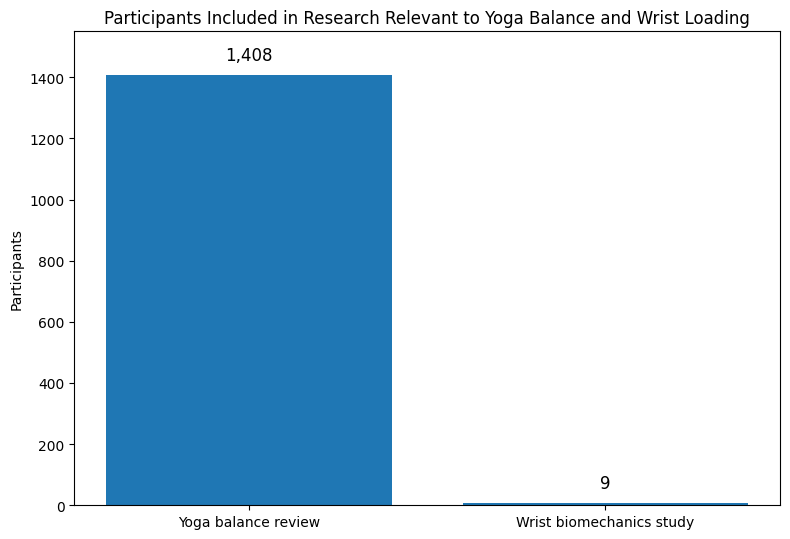
يتطلب Baby Crow منك العثور على نقطة توازن محددة والحفاظ عليها.(1)
تعديلات صغيرة في:
- أصابع
- رسوخ
- أكتاف
- الورك
- قدم
يمكن أن تغير مركز الكتلة.
تعلم هذه التعديلات يمكن أن يحسن وعي الجسم.
4. يطور التنسيق.
تتطلب الوضعية إجراءات متعددة في نفس الوقت.(2)
تحتاج إلى:
- اضغط من خلال يديك.
- تنشيط كتفيك.
- اجعل ركبتيك في موضعها.
- تحويل وزنك إلى الأمام.
- إشراك جذعك.
- تحكم في قدميك.
هذا يجعل الطفل كرو تمرينًا تنسيقيًا مفيدًا.
5. يبني الثقة.
يمكن أن تشعر موازين الذراع في البداية بالترهيب.
تتيح لك ممارسة نسخة معدلة تجربة نقل الوزن تدريجيا.
بدلاً من التفكير ، “يجب أن أؤدي الغراب” ، يمكنك التركيز على الإنجازات الأصغر:
- رفع الركبتين
- تحويل المزيد من الوزن إلى الأمام
- رفع قدم واحدة
- حبس نفس واحد
- العودة بأمان
يمكن لهذه المعالم الصغيرة أن تجعل عملية التعلم أكثر قابلية للإدارة.
كيف تفعل الطفل الغراب خطوة بخطوة؟
نظرًا لأن Baby Crow لا يمتلك أسلوبًا واحدًا موحدًا عالميًا ، استخدم إصدار معلمك إذا كنت تحضر فصلًا.
فيما يلي نهج مبتدئ محافظ.
الخطوة 1: الاحماء.
لا تبدأ بتوازن الذراع عندما يكون معصميك وكتفيك باردين تمامًا.
اقضِ عدة دقائق في التحضير برفق:
- دوائر المعصم
- يمتد النخيل
- بقرة القط
- حركات الكتف
- اختلافات اللوح
- القرفصاء
توصي مقالة سريرية عن Crow Pose أيضًا بتسخين الرسغين والكتفين والوركين واللب قبل ممارسة توازن الذراع.
الخطوة 2: تعال إلى القرفصاء.
قف مع قدميك متباعدتين بشكل مريح.
خفض إلى قرفصاء عميق.
إذا لم يصل كعبيك إلى الأرض بشكل مريح ، فلا تجبره على النزول.
الخطوة 3: ضع يديك.
ضع راحة يدك على السجادة بعرض الكتفين تقريبًا.
انشر أصابعك.
بدلاً من السماح بكل الضغط للجلوس في كعب يدك ، اضغط بنشاط من خلال أصابعك وأطراف أصابعك.
هذا يمنحك تحكمًا أكبر.
الخطوة 4: ضع ركبتيك.
اجلب ركبتيك نحو ذراعيك العلويين.
يعتمد الموضع الدقيق على تشريحك والاختلاف الذي تمارسه.
لا تجبر ركبتيك بقوة على إبطيك.
الخطوة 5: التحول إلى الأمام.
هذا هو الجزء الأكثر أهمية.
حرك كتفيك تدريجيًا للأمام.
يخاف الكثير من المبتدئين من السقوط وبالتالي الحفاظ على وزنهم بعيد جدا عن أيديهم.
يتطلب الغراب تغييرًا مناسبًا في الوزن للأمام للسماح للقدمين بأن تصبح أفتح.
الخطوة 6: حافظ على نشطك الأساسي.
ارسم عضلات بطنك إلى الداخل.
فكر في جعل جسمك مضغوطًا بدلاً من ترك الوركين يسقطان.
الخطوة 7: حافظ على نظرتك إلى الأمام.
لا تحدق بين قدميك مباشرة.
يمكن أن تساعدك النظرة الأمامية في الحفاظ على التوازن وتجنب انهيار رأسك نحو الأرض.
الخطوة 8: ارفع قدم واحدة.
بدلاً من رفع القدمين على الفور ، حاول رفع قدم واحدة للحظة.
إعادته إلى الأرض.
كرر على الجانب الآخر.
هذا يعلمك كيف تشعر بتغيير الوزن.
الخطوة 9: جرب كلا القدمين.
عندما تكون مرتاحًا ، يمكنك تجربة رفع كلا القدمين لفترة وجيزة.
لا تحتاج إلى انتظر لفترة طويلة.
تعتبر ثانية واحدة متحكم فيها أكثر فائدة من التعليق لمدة خمس ثوانٍ من خلال تقنية سيئة.
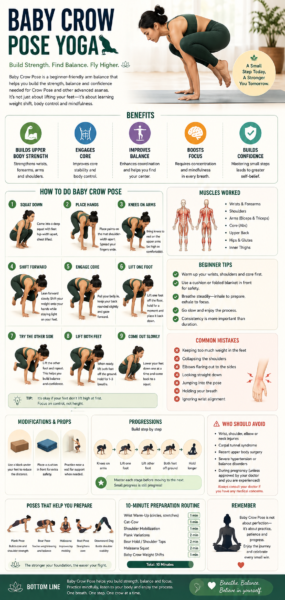
كم من الوقت يجب أن تحمل طفل الغراب؟
لا توجد مدة مثالية عالمية.
إذا كنت تتعلم الحركة، فابدأ بـ:
1-3 أنفاس
مع تحسن أسلوبك ، يمكنك العمل تدريجيًا نحو ثبات أطول.
الجودة مهمة أكثر من المدة.
إذا بدأ معصميك في الأذى أو فقدت كتفيك ثباتهما ، انزل.
طفل الغراب للمبتدئين.
إذا لم تقم بتوازن ذراعك مطلقًا ، فلا تبدأ بمحاولة تعويم كلتا القدمين.
بدلاً من ذلك، استخدم هذا التقدم:
المستوى 1.
اليدين على حصيرة + ركبتين موضوعة على الذراعين.
المستوى 2.
قميص نس الوزن للأمام دون رفع القدمين.
المستوى 3.
ارفع قدم واحدة.
المستوى 4.
قدم بديلة.
المستوى 5.
ارفع كلا القدمين لفترة وجيزة.
المستوى 6.
امسك غراب الطفل لعدة أنفاس خاضعة للرقابة.
المستوى 7.
تقدم نحو تباين الغراب الكامل المفضل لديك.
يتيح لك هذا النهج التدريجي تعلم الحركة بدلاً من مجرد رمي جسمك للأمام.
طفل الغراب يقف مع كتلة.
يمكن أن تكون كتلة اليوجا مفيدة للمبتدئين.
ضع كتلة تحت قدميك أثناء ممارسة الإعداد.
هذا يمكن أن يقلل من المسافة الخاصة بك جثة يحتاج إلى السفر ومساعدتك على فهم الموقف.
يمكنك أيضًا استخدام الكتل بشكل استراتيجي لممارسة تغيير الوزن.
ومع ذلك ، لا تضع أشياء غير مستقرة تحت رأسك أو تستخدم معدات يمكن أن تتحرك بشكل غير متوقع.
استخدم وسادة أمامك.
الخوف من السقوط إلى الأمام شائع للغاية عند تعلم موازين الذراع.
يمكن للبطانية المطوية أو الوسادة الموضوعة أمامك أن تجعل التدريب أقل ترويعًا.
لا يجعل الوضع خاليًا من المخاطر ، ولكنه يوفر هبوطًا أكثر ليونة المنطقة إذا خسرت التوازن.
يوصى بهذا أيضًا في توجيه السلامة العامة كرو.
غراب الطفل الشائع يطرح أخطاء.
الخطأ الأول: الحفاظ على الوزن الزائد في القدمين.
إذا كنت مرعوبًا من السقوط ، فقد لا تنقل الوزن الكافي إلى يديك أبدًا.
ممارسة التأرجح إلى الأمام.
الخطأ الثاني: انهيار الكتفين.
لا تسمح لكتفيك بالغرق بشكل سلبي نحو الأرض.
فكر في دفع الأرضية بنشاط بعيدًا.
الخطأ 3: ترك المرفقين ينفجران.
السماح للمرفقين بالتحرك بشكل مفرط للخارج يمكن أن يضر بوضعك ويزيد من الضغط على الرسغين.
يعد الحفاظ على تنظيم الأذرع بشكل مناسب جزءًا مهمًا من تقنية الغراب.
الخطأ 4: النظر مباشرة إلى أسفل.
إسقاط رأسك يمكن أن يغير توازنك.
الحفاظ على نظرة مريحة للأمام.
الخطأ الخامس: نسيان الأصابع.
أصابعك ليست فقط على طول الطريق.
اضغط من خلالها واستخدمها لإجراء تصحيحات توازن صغيرة.
الخطأ 6: محاولة القفز في الوضع.
لا تقفز بقوة.
إن تغيير الوزن المتحكم فيه أسهل بكثير من القفز بشكل متكرر بقدميك نحو يديك.
الخطأ السابع: حبس أنفاسك.
يساعدك التنفس عادة على البقاء مسترخيًا.
لا تحبس أنفاسك لمجرد أنك تركز.
طفل الغراب مقابل الغراب الكامل.
يستخدم غراب الطفل بشكل عام كاختلاف تحضيري أو معدل.
الغراب الكامل يتطلب ثقة أكبر في:
- نقل الوزن
- تحميل المعصم
- استقرار الكتف
- السيطرة الأساسية
- ميزان
لا يجب أن يحدث التقدم بسرعة.
قد يطور بعض الأشخاص المهارات اللازمة في غضون أسابيع ، بينما يحتاج البعض الآخر إلى وقت أطول.
يؤثر علم التشريح الخاص بك وخبرة التدريب السابقة والتنقل والقوة وتكرار الممارسة على مدى سرعة تقدمك.
طفل الغراب مقابل كرين بوز.
غالبًا ما يتم الخلط بين هذه الأسماء.
التمييز الشائع الاستخدام هو:
الغراب: يظل المرفقان أكثر ثنيًا.
كرين: الأسلحة أكثر استقامة.
تتطلب الرافعة عمومًا قدرًا أكبر من التحكم والقوة لأن الأسلحة تقترب من وضع أكثر استقامة.
لكن اصطلاحات التسمية تختلف بين مدارس اليوجا.
إذا كنت تتعلم من مدرس ، فاتبع مصطلحاته وتقنياته.
من يجب أن يتجنب وضع الطفل الغراب؟
يضع غراب الطفل حمولة كبيرة من خلال اليدين والأطراف العلوية.
توخ الحذر أو تجنب الوضع إذا كان لديك:
- ألم الرسغ الحالي
- إصابة الرسغ
- إصابة في الكتف
- إصابة في الكوع
- أعراض نفق الرسغ
- مشاكل كبيرة في اليد أو الأصابع
- جراحة حديثة في الجزء العلوي من الجسم
- بعض شروط الرقبة أو التوازن
التوجيه الطبي مهم بشكل خاص إذا كنت تتعافى من إصابة.
إرشادات السلامة التي تشكل الغراب على وجه التحديد مشاكل الرسغ والكتف والنفق الرسغي أسباب تتجنب الوضع أو طلب التوجيه المناسب.
الحمل.
يتطلب الحمل اعتبارات تمرين فردية.
نظرًا لأن Baby Crow هو توازن ذراع مع احتمال سقوط أمامي ، فلا ينبغي تقديمه بشكل عرضي أثناء الحمل.
إذا كنت حاملاً ولديك بالفعل خبرة في موازين الذراع ، فناقش ممارستك مع أخصائي الرعاية الصحية في التوليد ومدرب يوغا مدرب بشكل مناسب.
ماذا لو أصيب معصميك؟
لا تفترض تلقائيًا أن عدم الراحة في الرسغ أمر يجب عليك “دفعه من خلاله”.”
توقف وتقييم.
يمكنك أن تجرب:
- تخفيض المدة
- تحسين وضع اليد
- الاحماء اولا
- ممارسة تباين أقل تطلبًا
- باستخدام تمرين مختلف مؤقتًا
إذا استمر الألم خارج الممارسة أو تتداخل مع الأنشطة العادية ، فاطلب تقييمًا من أخصائي رعاية صحية مؤهل.
لا ينبغي تجاهل الألم أو التنميل أو الوخز.
تمارين يمكن أن تساعدك على الاستعداد.
إذا شعر الطفل بالغرابة ، فلن تحتاج بالضرورة إلى ممارسة غراب الطفل بشكل متكرر.
بناء المكونات بشكل منفصل.
لوح خشبي.
يطور قوة الكتف والجذع.
عقد الدب.
يعلم حمل الوزن من خلال اليدين مع الحفاظ على ركبتيك بالقرب من الأرض.
تكييف المعصم.
يمكن أن يساعد تقوية الرسغ اللطيفة والعمل الحركي في إعدادك لتحمل الوزن.
مالاسانا.
يمكن أن يساعدك القرفصاء العميق على أن تصبح مرتاحًا مع وضع الجزء السفلي من الجسم المستخدم في العديد من إعدادات الغراب.
وضع القارب.
تحديات قوة الجذع والتحكم فيه.
تمارين الضغط الكتفي.
يمكن أن تساعدك على تطوير الوعي والقوة حول شفرات الكتف.
لا تضمن هذه التمارين أنك ستتقن Baby Crow ، لكنها يمكن أن تطور الصفات الجسدية ذات الصلة.
روتين تحضير غراب الطفل لمدة 10 دقائق.
جرب هذا قبل ممارسة توازن الذراع:
1 دقيقة: دوائر المعصم وحركات المعصم اللطيفة
1 دقيقة: بقرة القط
1 دقيقة: حركة الكتف
2 دقيقة: اختلافات اللوح
2 دقيقة: تحمل أو تحمل صنابير الكتف
2 دقيقة: ممارسة مالاسانا
1 دقيقة: يتحول وزن الغراب الطفل
الهدف ليس استنفاد نفسك.
تريد ما يكفي الاستعداد للشعور بالدفء والتحكم فيها دون إرهاق العضلات التي ستحتاجها لتوازن الذراع.
كم مرة يجب أن تمارس؟
لا تحتاج إلى تدرب على صغار الطفل كل اليوم.
للمبتدئين، 2-4 تدريب قصير جلسات أسبوعية يمكن أن تكون نقطة انطلاق معقولة إذا كان معصميك وكتفيك يتحملان الحمل.
تجنب التدرب بشكل متكرر على الفشل.
عادة ما تكون بعض المحاولات عالية الجودة مفضلة على عشرات المحاولات المتسرعة.
هل الطفل الغراب جيد للقوة الأساسية؟
يمكن أن يتحدى اللب ، خاصة لأن جذعك يحتاج إلى أن يظل متحكمًا بينما يتوازن جسمك على يديك.
ومع ذلك ، لا ينبغي أن يكون Baby Crow هو تمرينك الأساسي الوحيد.
يمكن أن يشمل البرنامج المتكامل ما يلي:
- ألواح خشبية
- تابع
- القرفصاء
- البق الميت
- كلاب الطيور
- مقاوم - تمارين التناوب
- أوضاع اليوغا الأخرى
يوفر هذا مجموعة واسعة من متطلبات التدريب على الجذع.
هل يساعد الطفل الغراب في إنقاص الوزن؟
ليس بشكل مباشر.
Baby Crow هو تمرين قصير نسبيًا يركز على المهارة.
يمكن أن يساهم في أسلوب حياة نشط ، ولكن لا ينبغي تسويقه على أنه علاج لحرق الدهون أو إنقاص الوزن.
إذا كان هدفك هو تقليل الدهون في الجسم ، فركز على الصورة الأوسع:
- التغذية المناسبة
- النشاط البدني العادي
- تمارين القوة
- نشاط القلب
- قسط كاف من
- الاتساق طويل الأجل
وضع الغراب الطفل والتركيز العقلي.
موازين الذراع تتطلب التركيز.
عليك أن تهتم بما يلي:
- ضغط اليد
- تنفس
- نظرة
- وضعية الكتف
- وضع الركبة
- ميزان
يمكن أن يجعل الممارسة جذابة عقليًا.
ومع ذلك ، تجنب تقديم ادعاءات مبالغ فيها بأن Baby Crow يعالج القلق أو الاكتئاب أو غيره من حالات الصحة العقلية.
يمكن أن تكون اليوجا جزءًا من روتين صحي للعقل والجسم ، لكن ظروف الصحة العقلية تستحق الرعاية المهنية المناسبة.
كيف تعرف أنك مستعد لـ Full Crow؟
لا تحتاج إلى تلبية قائمة مراجعة صارمة.
ومع ذلك، قد تكون مستعدًا بشكل أفضل عندما تستطيع:
- تحمل الوزن بشكل مريح من خلال يديك.
- أداء الألواح مع أكتاف متحكم فيها.
- انقل وزنك للأمام دون ذعر.
- ارفع قدم واحدة في كل مرة.
- الحفاظ على التنفس المتحكم فيه.
- تدرب بدون ألم في الرسغ أو الكتف.
- العودة إلى الأرض بأمان.
لا تعني القدرة على أداء Baby Crow تلقائيًا أنك جاهز لكل صليب أو رافعة.
تقدم مهارة واحدة في كل مرة.
الأسئلة المتداولة.
1. هل الطفل الغراب يشكل مفيدًا للمبتدئين؟
يمكن أن تكون مقدمة مفيدة لموازنة الذراع لأنها تسمح لك بممارسة تغيير الوزن ووضع الجسم قبل محاولة تغيير أكثر تطلبًا.
2 . هل الغراب الطفل أسهل من وضع الغراب؟
بشكل عام ، يُقصد بتباين غراب الأطفال المعدل أن يكون أسهل لأنه يقلل من الطلب على الرصيد. ومع ذلك ، تعتمد الصعوبة على النسخة المحددة التي يتم تدريسها.
3. ما هي العضلات التي يعمل بها الطفل الغراب؟
يمكن أن يعشيق الرسغين والساعدين والذراعين والكتفين وعضلات البطن وأعلى الظهر والوركين والفخذين مع تحدي توازن الجسم بالكامل.
4. لماذا لا أستطيع رفع قدمي في طفل الغراب؟
قد لا تقوم بعد بتحويل الوزن الكافي نحو يديك ، أو قد تحتاج إلى مزيد من التدريب مع الرسغ أو الكتف أو الورك أو التحكم الأساسي. لا تجبر المصعد.
5. هل يجب أن تلمس ركبتي إبطي؟
ليس بالضرورة. يختلف وضع الركبة باختلاف التباين وتشريحك. ركز على وضع مستقر ومتحكم فيه بدلاً من إجبار ركبتيك على مكان معين.
6. لماذا يؤلمني معصمي أثناء غراب الطفل؟
تضع موازين الذراع حمولة كبيرة من خلال الرسغين. يمكن أن يساهم ضعف الوضع أو عدم كفاية التحضير أو الممارسة المفرطة أو مشكلة الرسغ الأساسية في الشعور بعدم الراحة. توقف إذا كنت تعاني من الألم واطلب المشورة المهنية إذا استمرت.
7 هل يمكنني ممارسة غراب الطفل كل يوم؟
يمكنك ممارسة المهارة بشكل متكرر إذا كان جسمك يتحملها ، لكن المحاولات اليومية ذات الحجم الكبير ليست ضرورية. امنح معصميك وكتفيك الشفاء الكافي.
8. هل يمكن أن يساعدني الطفل الغراب في تعلم الغراب؟
نعم ، يمكن أن يساعدك تقدم غراب الطفل المصمم جيدًا على ممارسة تغيير الوزن ، ووضع اليد ، ووضع الركبة ، والتوازن - جميع المهارات ذات الصلة بالغراب.
الخلاصة.
يمكن أن تكون اليوجا بوضعية كروية من الأطفال نقطة انطلاق قيمة للأشخاص الذين يتعلمون موازين الذراع. بدلاً من التعامل معها على أنها اختبار للقوة الخام ، تعامل معها كمزيج من التوازن والتنسيق والتنقل والوعي بالجسم ونقل الوزن المتحكم فيه.
ابدأ بإحماء شامل ، ومارس التغيرات لقدم واحدة ، وقم بتحويل وزنك تدريجياً ، وحافظ على ثبات نظرتك. يمكن للوسادة الموجودة أمامك أيضًا أن تجعل عملية التعلم أقل ترويعًا.
الأهم من ذلك ، لا تجبر الوضع. تضع موازين الذراع من نوع الغراب حملًا ذا مغزى من خلال الرسغين والذراعين والكتفين ، لذلك يجب أخذ الإصابات الموجودة أو الألم المستمر على محمل الجد.
لست بحاجة إلى إتقان Baby Crow في جلسة واحدة. تعتبر الممارسة المتسقة والمضبوطة تقنيًا أكثر قيمة بكثير من السقوط بشكل متكرر للأمام في محاولة لرفع قدميك عن الأرض.
+2 مصادر
لدى Freaktofit إرشادات صارمة بشأن المصادر وتعتمد على الدراسات التي راجعها الأقران ومعاهد البحوث التعليمية والمنظمات الطبية. نتجنب استخدام المراجع من الدرجة الثالثة. يمكنك معرفة المزيد حول كيفية ضمان دقة المحتوى الخاص بنا وتحديثه من خلال قراءة سياسة التحرير.
- تأثير اليوجا على التوازن والسقوط وأيض العظام: مراجعة منهجية للتجارب المعشاة ذات الشواهد على الأفراد الأصحاء ؛; https://pubmed.ncbi.nlm.nih.gov/39607489/
- زوايا وقوى المفصل على هياكل الرسغ أثناء اختلاف أوضاع اليوجا ؛; https://commons.nmu.edu/isbs/vol38/iss1/76/