

















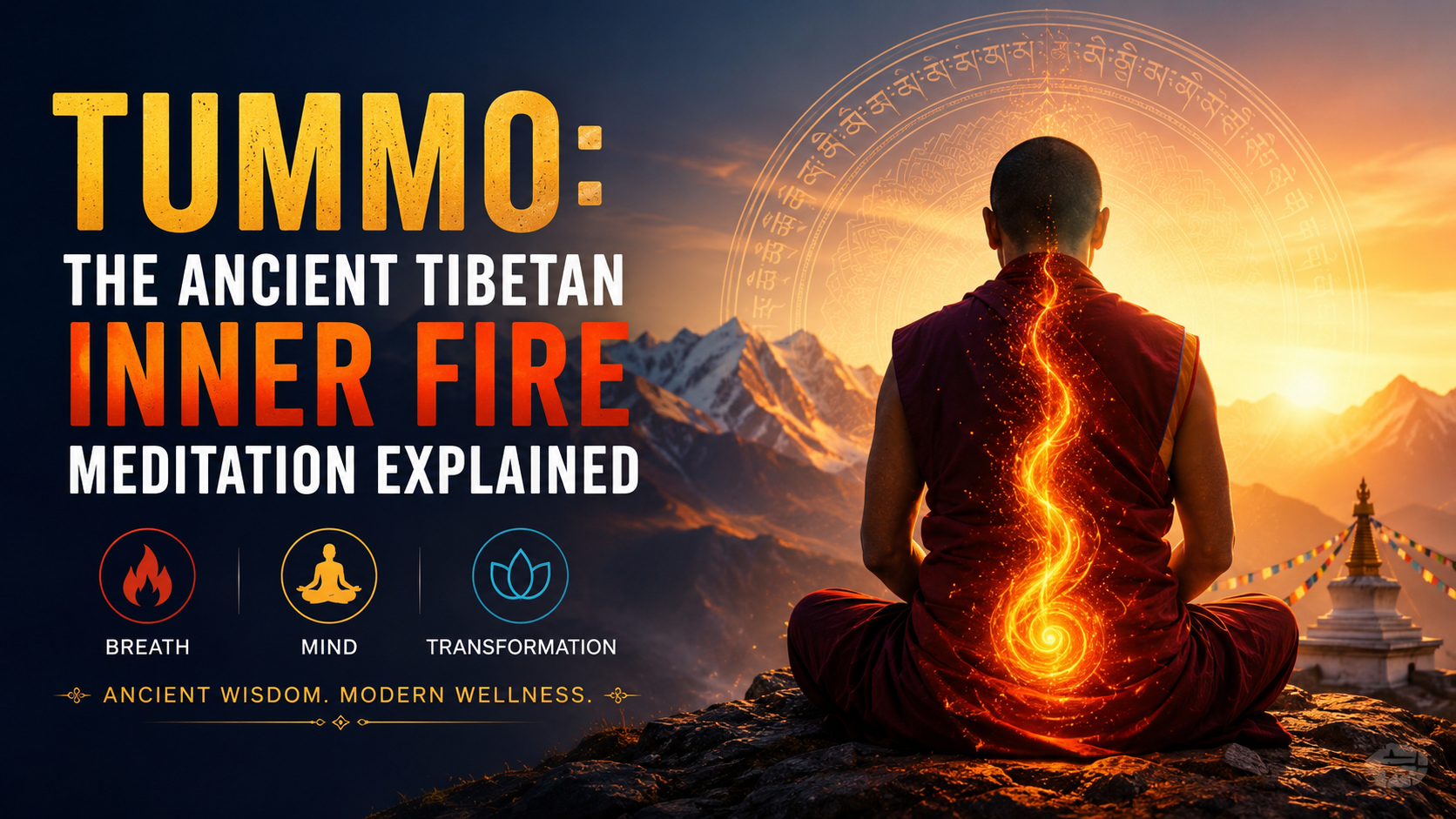
Tummo هي واحدة من أروع ممارسات التأمل في البوذية التبتية. غالبًا ما يشار إليه باسم تأمل “النار الداخلية” ، فهو يجمع بين التنفس المتحكم فيه ، والتصور ، والتركيز العميق لتنمية الدفء الداخلي ، والوضوح العقلي ، والوعي الروحي. في حين أن مجتمعات العافية الحديثة قد تبنت Tummo لفوائدها الصحية المحتملة ، فإن أصولها تكمن في التقاليد البوذية التي تعود إلى قرون والتي تركز على التنوير بدلاً من الأداء البدني.
في السنوات الأخيرة ، أصبح العلماء أيضًا مهتمين بالتومو لأن الممارسين ذوي الخبرة يبدون قادرين على التأثير على درجة حرارة الجسم واستجابات الإجهاد والتنظيم العاطفي. سواء كنت مهتمًا بالتأمل أو التنفس الواعي أو الممارسات الروحية القديمة ، يشرح هذا الدليل كل ما تحتاج لمعرفته حول Tummo.
ما هو تومو؟ فهم الممارسة القديمة.
كلمة تومو (مكتوبة أيضًا باسم ز- توممو) يأتي من التبت ويترجم إلى “الحرارة الداخلية” أو “الشرسة" امرأة ”.” إنه واحد من اليوغا الستة في Naropa ، وهو نظام متقدم للتأمل البوذي التبتي مصمم لإيقاظ الحكمة وتحويل الوعي.
على عكس العديد من تمارين التنفس الحديثة التي تركز بشكل أساسي على الاسترخاء ، تم تطوير Tummo كنظام روحي عميق. يعتقد الممارسون ذلك ينشط مسارات الطاقة الخفية داخل الجسم مع تعزيز التركيز والوعي.
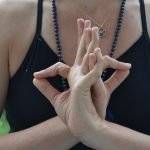

لقرون ، مارس الرهبان التبتيون تومو في الأديرة الجبلية النائية ، وغالبًا ما أظهروا مرونة ملحوظة في درجات الحرارة المتجمدة أثناء التأمل. على الرغم من أن هذه القصص ساهمت في شعبيتها ، إلا أن الهدف النهائي لـ Tummo كان دائمًا النمو الروحي بدلاً من إنتاج الحرارة الجسدية.
اليوم ، يواصل Tummo إلهام ممارسي التأمل وعلماء الأعصاب وعشاق العافية في جميع أنحاء العالم.
فهم تنفس الورم وكيف يعمل؟
إحدى السمات المميزة لنظام التأمل هذا هي التنفس بالكريم ، وهي طريقة تنفس متحكم فيها يتم إجراؤها جنبًا إلى جنب مع التصور والاهتمام المركّز.
بدلاً من مجرد أخذ أنفاس عميقة ، يقوم الممارسون بمزامنة الشهيق والاحتفاظ بالنفس والمشاركة العضلية والصور الذهنية. يدعم كل عنصر العناصر الأخرى ، مما يجعل الممارسة أكثر شمولاً من تمارين التنفس العادية.

قد تشمل الجلسة النموذجية:
- استنشاق بطيء
- احتباس لطيف للنفاس
- زفير متحكم فيه
- تصور اللهب الداخلي
- ركز على حركة الطاقة في جميع أنحاء الجسم
يختلف نمط التنفس باختلاف التقاليد ومستوى الخبرة. يتعلم المبتدئون عمومًا تقنيات مبسطة قبل التقدم إلى الممارسات المتقدمة تحت إرشادات مؤهلة.

تشير الدراسات العلمية إلى أن التنفس المتحكم فيه قد يؤثر مؤقتًا على الجهاز العصبي اللاإرادي، مما يساعد على تنظيم استجابات الإجهاد أثناء تحسين التركيز والجسم الوعي.
دور التأمل في البوذية التبتية.
على الرغم من أن الكثير من الناس يركزون على جانب التنفس ، إلا أن التأمل في Tummo هو في الأساس نظام تأملي كامل.(1)
تدمج الممارسة التقليدية:
- اليقظة.
- التركيز.
- التحكم في التنفس.
- تصور.
- تدريب الرحمة.
- التأمل الروحي.
أثناء التأمل ، غالبًا ما يتخيل الممارسون لهبًا مشعًا في مركز طاقة الجسم أسفل السرة. من خلال الاهتمام المستمر ، يتخيلون أن هذا الدفء يتوسع في جميع أنحاء الجسم.(2)
ليس الغرض فقط خلق الدفء ولكن لزراعة تركيز لا يتزعزع يدعم حالات أعمق من التأمل.
كثيراً ما يقوم الممارسون على المدى الطويل بالإبلاغ عن:
- ثبات عاطفي أكبر.
- تحسين التركيز.
- زيادة اليقظة.
- تعزيز المرونة.
- شعور أقوى بالسلام الداخلي.
داخل البوذية التبتية ، يعمل Tummo كتحضير لممارسات تأملية أكثر تقدمًا.
دليل المبتدئين لتقنية التنفس العضلي.
على الرغم من أن Tummo الأصيل يتطلب تعليمات رسمية ، يمكن للمبتدئين فهم إطاره الأساسي بأمان.
1. اختر مساحة هادئة.
ابحث عن موقع هادئ حيث من غير المحتمل حدوث انقطاعات.
2. اجلس بشكل مريح.
حافظ على عمودك الفقري في وضع مستقيم مع السماح لكتفيك بالاسترخاء طبيعيا.
3. ركز على التنفس البطيء للأنف.
تنفس بعمق في بطنك بدلاً من صدرك.
4. توقف لفترة وجيزة.
احبس أنفاسك بلطف لحظات مريحة دون إجهاد.
5. الزفير ببطء.
حرر النفس بسلاسة مع الحفاظ على الوعي.
6. تصور الدفء الداخلي.
تخيل لهبًا صغيرًا يتوهج في أسفل بطنك ، وينشر تدريجيًا الدفء اللطيف في جميع أنحاء جسمك.
7 أكمل بهدوء.
العودة إلى التنفس الطبيعي قبل الوقوف.
يجب على الممارسين الجدد تجنب الإفراط في احتباس التنفس أو إجبار إيقاع التنفس.
فوائد التنفس من Tummo للعقل والجسم.
نما الاهتمام بفوائد التنفس بالتومو لأن كلاً من التعاليم التقليدية والبحث العلمي يشيران إلى أنه قد يؤثر بشكل إيجابي على الصحة البدنية والعقلية.(3)
الحد من التوتر.
التنفس الخاضع للسيطرة يساعد على تهدئة الجهاز العصبي ويشجع على الاسترخاء بعد الإجهاد المواقف.
تحسين التركيز.
التأمل المنتظم يقوي فترة الانتباه ويقلل من الانحرافات الذهنية.
تنظيم عاطفي أفضل.
يشجع التنفس الواعي على زيادة الوعي بالأفكار والعواطف ، مما يسهل الاستجابة بهدوء.
تعزيز اليقظة الذهنية.
غالبًا ما يصبح الممارسون أكثر ارتباطًا بتنفسهم ، ووضعهم ، وحالتهم العقلية بشكل عام.
وعي أكبر بالجسم.
يحسن التأمل الوعي بالأحاسيس الجسدية ويشجع أنماط التنفس الصحية.
تنظيم درجة الحرارة المحتملة.
لاحظت الدراسات التي تشمل الممارسين ذوي الخبرة زيادات قابلة للقياس في درجة حرارة الجسم المحيطية أثناء التأمل.
تحسين المرونة.
يصف العديد من الممارسين الشعور أقوى عقليًا وأفضل تجهيزًا للإدارة تحديات الحياة اليومية.
على الرغم من أن هذه الفوائد تبدو واعدة ، يجب أن يكمل Tummo الرعاية الطبية أو العلاج المهني للصحة العقلية.
هل التنفس العضلي خطير؟ السلامة والمخاطر والاحتياطات
يسأل الكثير من المبتدئين ، هل التنفس من Tummo خطير؟
بالنسبة للبالغين الأصحاء الذين يمارسون تمارين التنفس المبسطة بشكل مسؤول ، فإن هذه الممارسة بشكل عام جيدة التحمل. ومع ذلك ، يعتبر Tummo الأصيل تخصصًا متقدمًا في التأمل ولا ينبغي التعامل معه بشكل عرضي.
تشمل المخاطر المحتملة ما يلي:
- فرط التنفس.
- الدوخة.
- دوار.
- القلق المؤقت.
- التعب من الإفراط في احتباس التنفس.
الناس مع ما يلي يجب استشارة الشروط أخصائي رعاية صحية قبل محاولة التنفس المتقدم:
- أمراض القلب.
- ارتفاع ضغط الدم.
- أمراض الرئة المزمنة.
- الصرع.
- الاضطرابات النفسية الخطيرة.
يجب على الأفراد الحوامل أيضًا تجنب ممارسات الاحتفاظ بالنفس المتقدمة ما لم يشرف عليهم محترفون مؤهلون.
النهج الأكثر أمانًا هو التعلم التدريجي تحت إشراف مدرب متمرس.
ما هو تنفس تومو؟ كل ما تحتاج إلى معرفته.
يتساءل الكثير من الناس بالضبط ما هو التنفس الورم وكيف يختلف عن تمارين التنفس العادية.
في جوهره، يجمع بين:
- التنفس الواعي.
- احتباس النفس.
- التأمل.
- تصور.
- التركيز.
- الوعي بالطاقة.
التنفس نفسه هو عنصر واحد فقط من ممارسة روحية أكبر بكثير.
على عكس تمارين التنفس المصممة فقط للاسترخاء ، تسعى Tummo إلى دمج الجسم والتنفس والعقل في تجربة تأملية واحدة.
والغرض منه هو تنمية الحكمة والرحمة والوعي المتزايد بدلاً من مجرد زيادة التحمل البدني أو درجة حرارة الجسم.
Tummo Breathing vs Wim Hof: ما الفرق؟
مقارنات بين تنفس توممو مقابل ويم هوف شائعة لأن كلاهما ينطوي على تنفس متحكم فيه ومطالبات بتحسين المرونة.
| ميزة | ورم | طريقة ويم هوف |
|---|---|---|
| أصل | البوذية التبتية | نظام التنفس الحديث |
| الهدف الأساسي | الصحوة الروحية | المرونة الجسدية والعافية |
| تصور | واسع | الحد الأدنى |
| تأمل | الممارسة الأساسية | مشمول |
| احتباس النفس | نعم | نعم |
| التعرض للبرد | غير ملائم | جوهري |
| خلفية تاريخية | قرون قديمة | حديث |
على الرغم من أن طريقة Wim Hof كانت مستوحاة جزئيًا من تقاليد التنفس القديمة ، إلا أنها تطورت إلى نظام صحي خاص بها يؤكد التعرض للبرد والأداء البدني.
لا يزال توممو متجذرًا بعمق في الفلسفة البوذية والتأمل.
أين تجد فيديو موثوق به للتنفس للتعلم.
يمكن أن تساعد مشاهدة فيديو تنفس الورم المبتدئين على فهم الموقف وإيقاع التنفس وتقنيات التأمل قبل التمرين.
عند اختيار المحتوى التعليمي، ضع في اعتبارك هذه النصائح:
- تعلم من معلمي التأمل ذوي الخبرة.
- اختر مقاطع الفيديو التي تشرح احتياطات السلامة.
- تجنب العروض المثيرة التي تعطي الأولوية للترفيه على التعليم.
- تذكر أن مقاطع الفيديو لا يمكن أن تحل محل التعليمات الفردية.
إذا قررت متابعة Tummo الأصيل ، فإن التوجيه المنظم من المدربين المؤهلين هو الأفضل دائمًا على الاعتماد فقط على المحتوى عبر الإنترنت.
كيف تفعل تنفس تومو خطوة بخطوة؟
إذا كنت مهتمًا باستكشاف هذه الممارسة بأمان ، فاتبع نهجًا تدريجيًا.
جهز بيئتك.
اختر مكانًا هادئًا مع الحد الأدنى من الإلهاءات.
حافظ على وضعية جيدة.
اجلس منتصبًا مع أكتاف مسترخية وعمود فقري متوافق.
ممارسة التنفس الهادئ.
استنشق ببطء من خلال أنفك مع توسيع بطنك.
ركز عقلك.
وجه انتباهك نحو الإيقاع الطبيعي لتنفسك.
أضف التصور اللطيف.
تخيل ضوءًا دافئًا ينمو بشكل مطرد في أسفل بطنك.
اجعل الجلسات قصيرة.
تدرب لمدة 5-10 دقائق قبل زيادة وقت التأمل تدريجيًا.
تجنب الإفراط في الإجهاد.
لا تجبر أبدًا على احتباس التنفس أو الاستمرار إذا شعرت بالدوار.
اطلب التعليمات المناسبة.
يتم تدريس Tummo الأصيل تقليديًا من قبل معلمي التأمل المؤهلين الذين يقدمون إرشادات شخصية ويضمنون التقدم الآمن.
الأسئلة المتداولة.
1. هل يستطيع المبتدئين ممارسة توممو؟
نعم ، يمكن للمبتدئين تعلم الوعي الأساسي بالتنفس والتأمل ، ولكن يجب تعلم Tummo الأصيل تحت إرشادات مؤهلة.
2. هل يزيد Tummo حقًا من درجة حرارة الجسم؟
أظهرت الأبحاث التي تشمل الممارسين ذوي الخبرة زيادات ملموسة في درجة حرارة الجسم المحيطية أثناء التأمل ، على الرغم من اختلاف النتائج الفردية.
3. هل Tummo ممارسة دينية؟
نشأ Tummo داخل البوذية التبتية ، لكن الكثير من الناس يستكشفون تقنيات التنفس والتأمل من منظور العافية العلماني.
4. كم مرة يجب أن يتدرب المبتدئون؟
يعد البدء من 5 إلى 10 دقائق عدة مرات في الأسبوع نهجًا آمنًا قبل زيادة المدة.
5. هل يمكن أن يحل توممو محل العلاج الطبي؟
لا Tummo هي ممارسة تأمل تكميلية ويجب ألا تحل أبدًا محل الرعاية الطبية المهنية.
الأفكار النهائية.
Tummo هو أكثر بكثير من مجرد تمرين للتنفس - إنه تقليد تأمل قديم يجمع بين التنفس والتخيل والتركيز واليقظة في نظام قوي للتحول الداخلي. في حين أن سمعتها في توليد “الحرارة الداخلية” قد جذبت انتباهًا عالميًا ، فإن هدفها الأعمق هو تنمية الحكمة والتوازن العاطفي والوعي الروحي.
يواصل البحث الحديث استكشاف آثاره الرائعة على الإجهاد والتركيز والتنظيم الفسيولوجي ، لكن أكبر قيمة لـ Tummo قد تكمن في قدرته على تقوية العلاقة بين العقل والجسم. إذا كنت مهتمًا بتعلم هذه الممارسة ، فابدأ ببطء ، وحدد الأولوية للسلامة ، واطلب الإرشاد من المعلمين ذوي الخبرة. مع الصبر والممارسة المستمرة ، يمكن أن يصبح Tummo إضافة ذات مغزى لأسلوب حياة متوازن ومتوازن.
+3 مصادر
لدى Freaktofit إرشادات صارمة بشأن المصادر وتعتمد على الدراسات التي راجعها الأقران ومعاهد البحوث التعليمية والمنظمات الطبية. نتجنب استخدام المراجع من الدرجة الثالثة. يمكنك معرفة المزيد حول كيفية ضمان دقة المحتوى الخاص بنا وتحديثه من خلال قراءة سياسة التحرير.
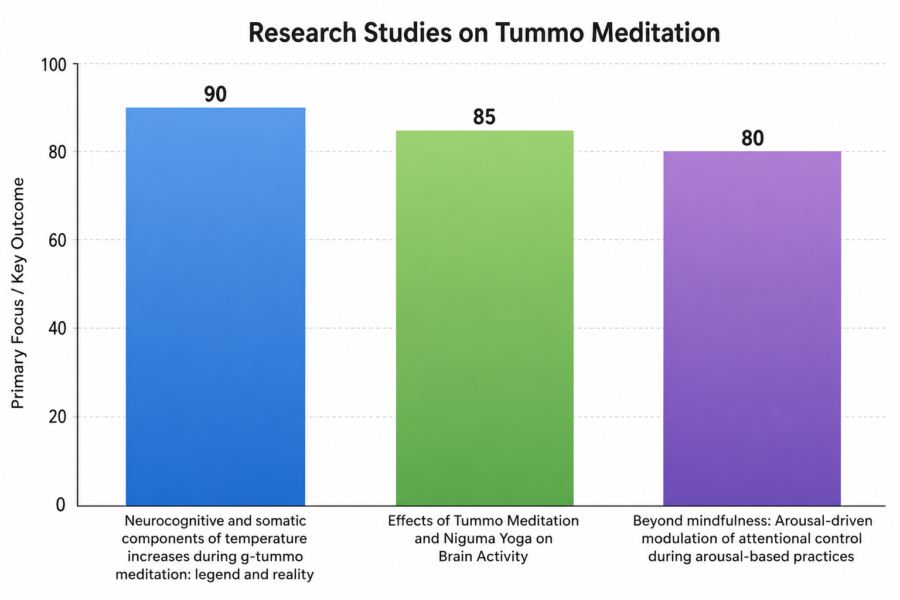
- تزداد المكونات العصبية والجسدية لدرجات الحرارة أثناء تأمل G-Tummo: الأسطورة والواقع ؛; https://pubmed.ncbi.nlm.nih.gov/23555572/
- آثار التأمل الورمي ونجمة اليوغا على نشاط الدماغ ؛; https://pmc.ncbi.nlm.nih.gov/articles/PMC12679118/
- ما وراء اليقظة: تعديل الإثارة للتحكم المتعمد أثناء الممارسات القائمة على الإثارة ؛; https://pmc.ncbi.nlm.nih.gov/articles/PMC9559070/